



Rafah Crossing Bottleneck Signals Supply Chain Risks for Middle East E-Commerce Sellers
- Operational capacity 80-95% below announced levels; 8+ hour crossing delays impact logistics networks serving 20,000+ Palestinians with medical/humanitarian needs



















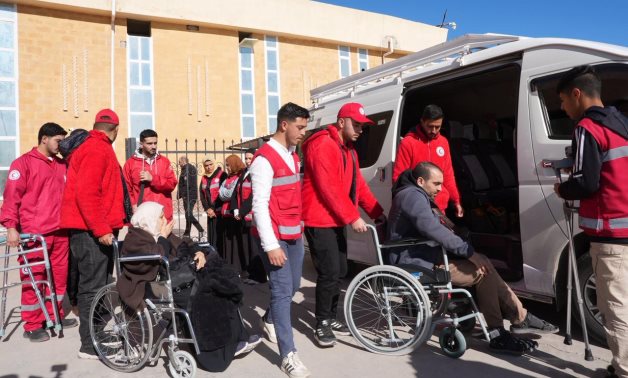

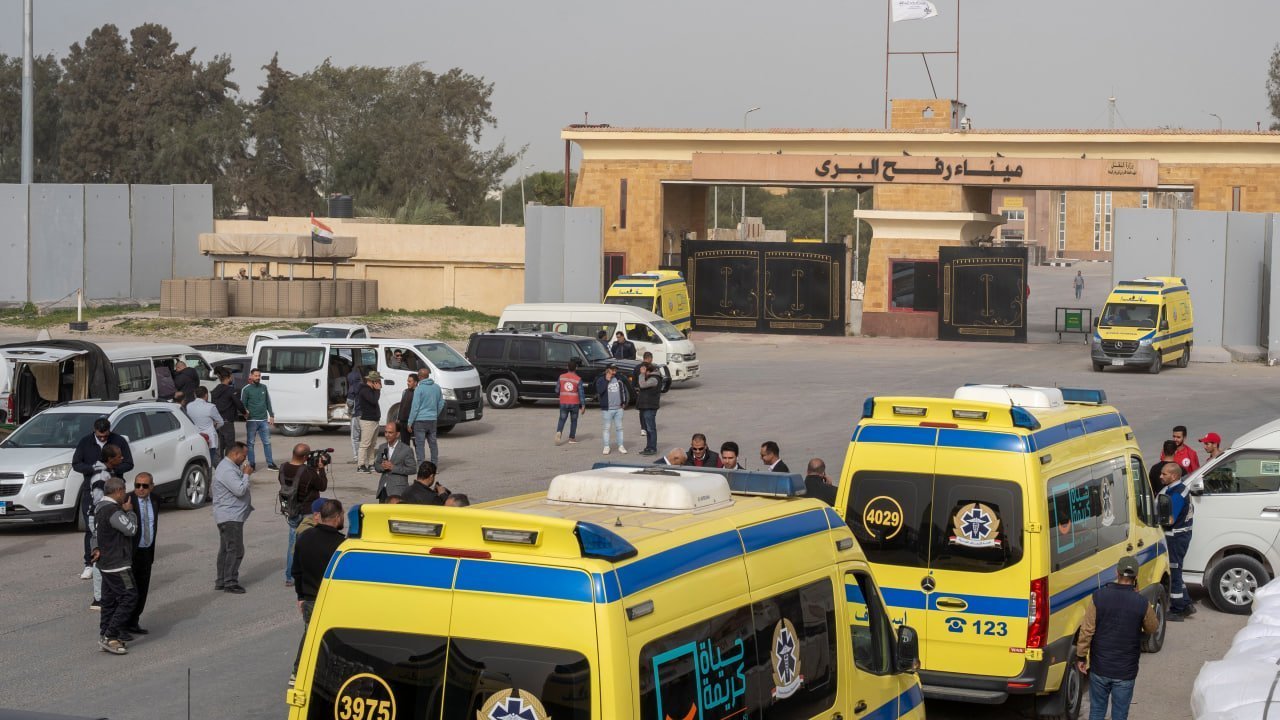



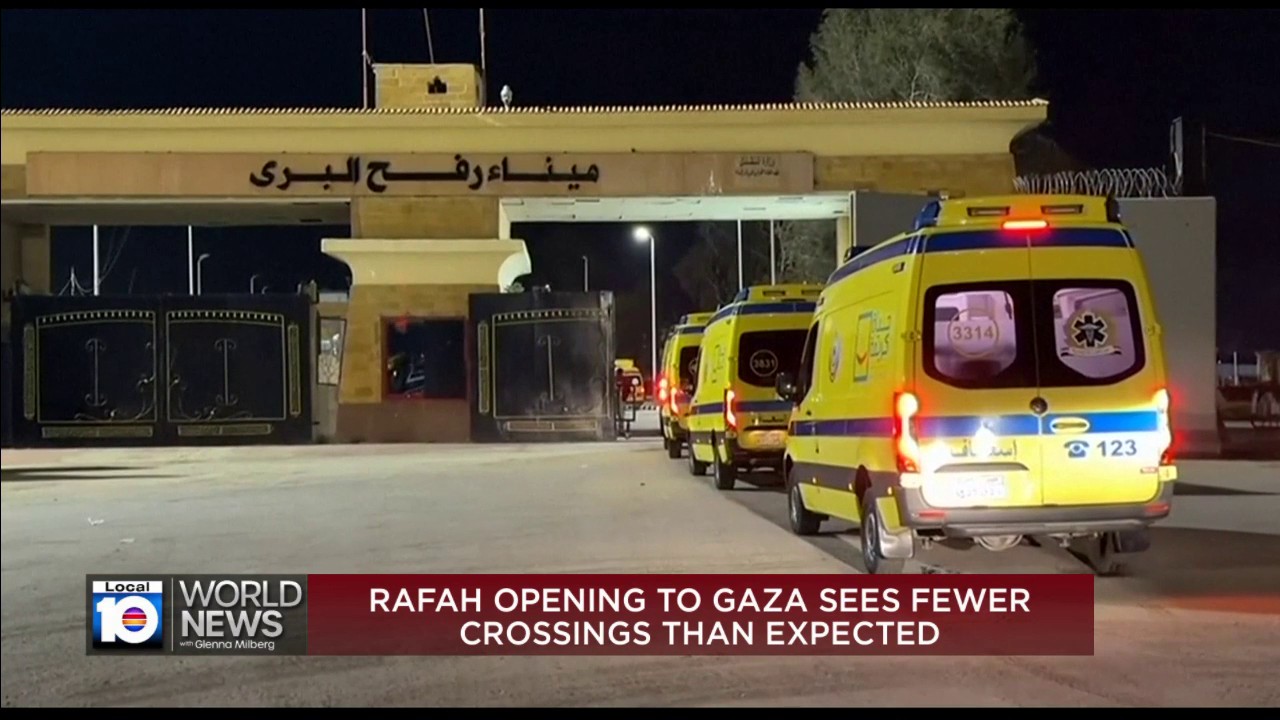




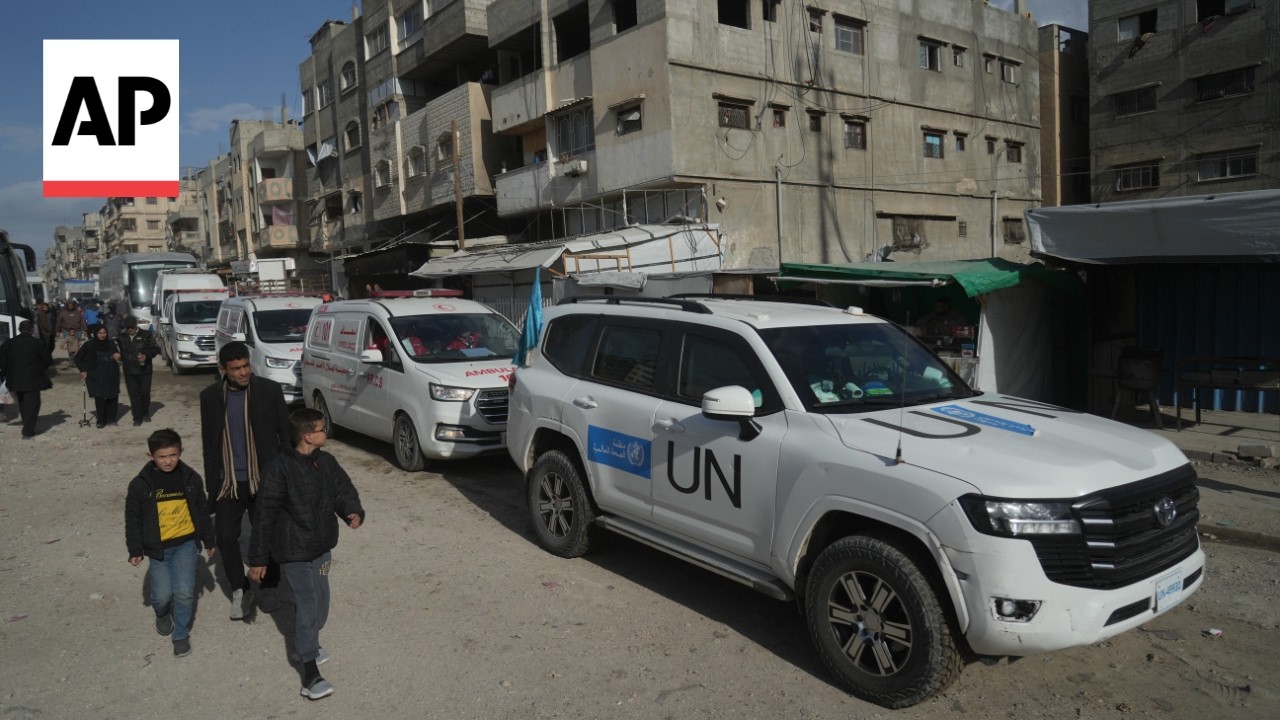





Overview
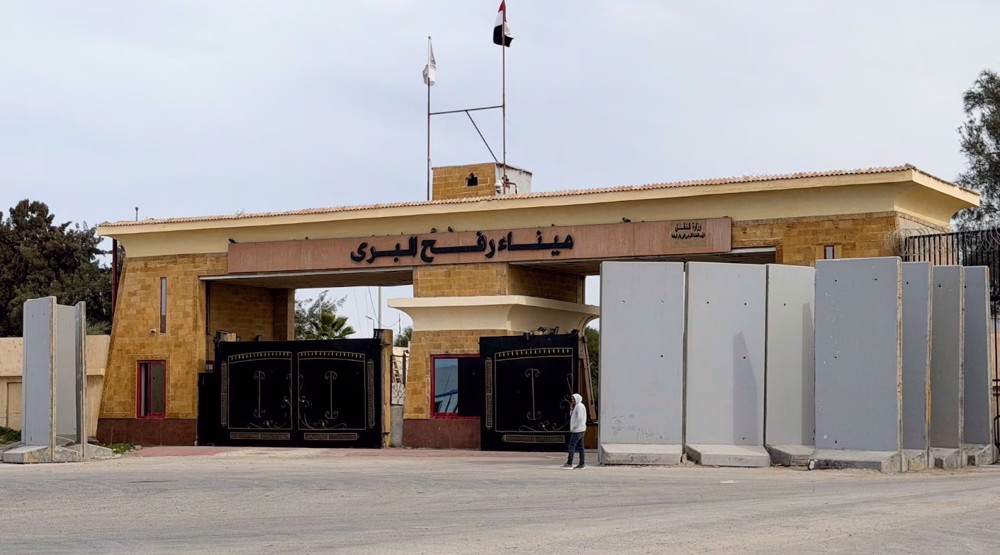
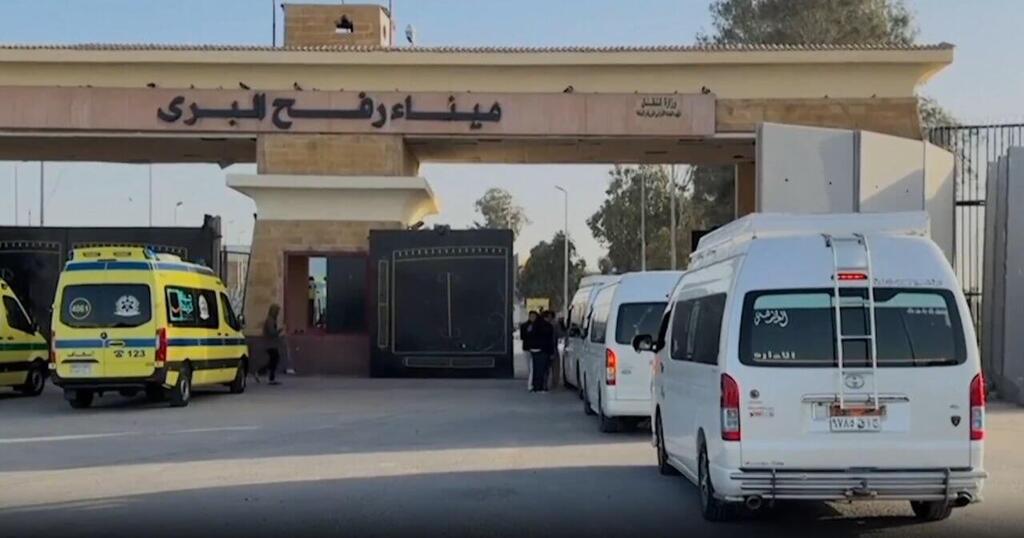
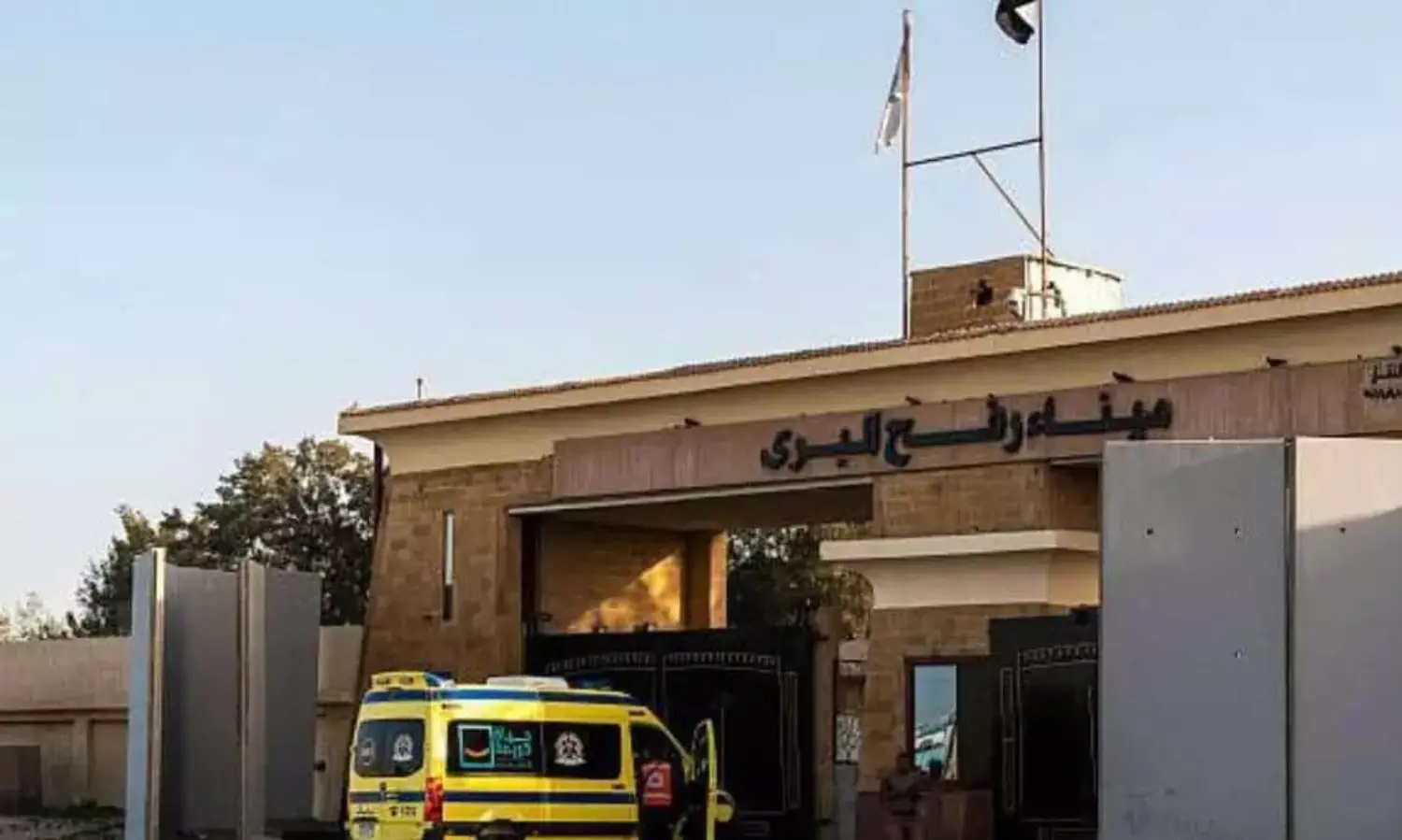
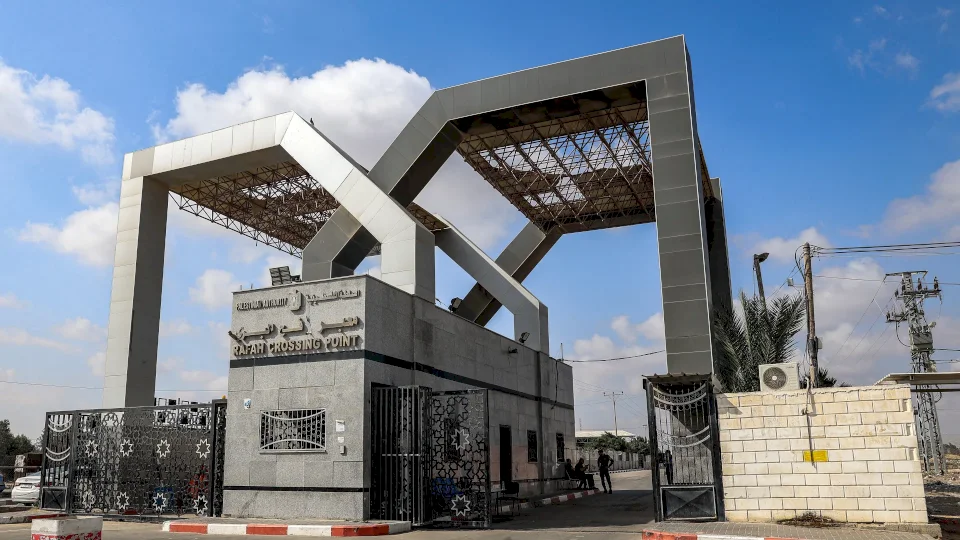
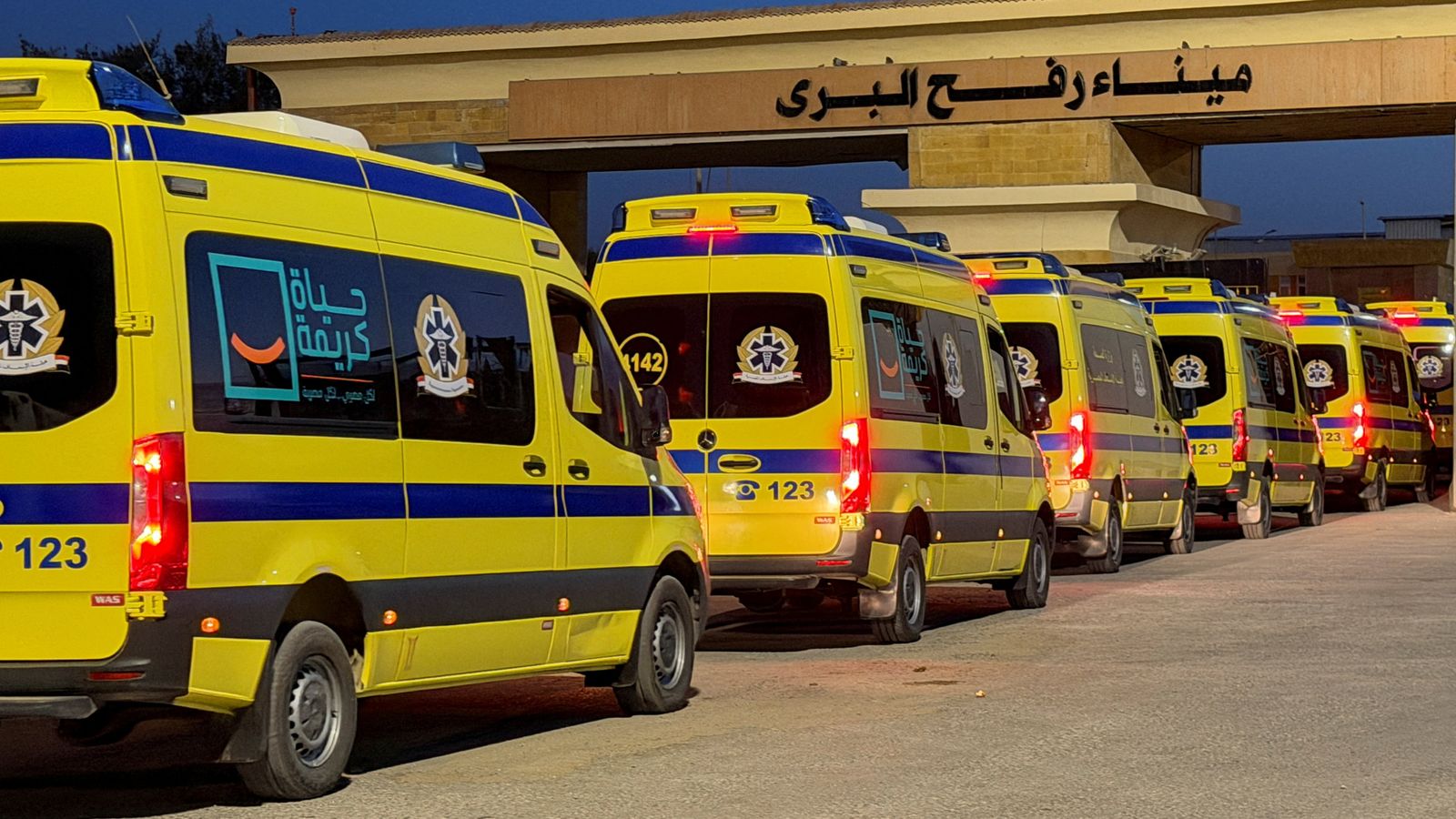
The Rafah border crossing reopening between Gaza and Egypt reveals critical supply chain vulnerabilities affecting cross-border e-commerce operations in the Middle East region. While Israeli security officials announced 150 daily departures and 50 entries, actual throughput collapsed to just 12 crossings per direction on opening day, with peak capacity reaching only 40 crossings each way—representing an 80-95% shortfall from projected volumes. This operational failure demonstrates how geopolitical instability directly impacts logistics infrastructure that e-commerce sellers depend on for inventory movement, supplier access, and customer fulfillment in conflict-affected regions.
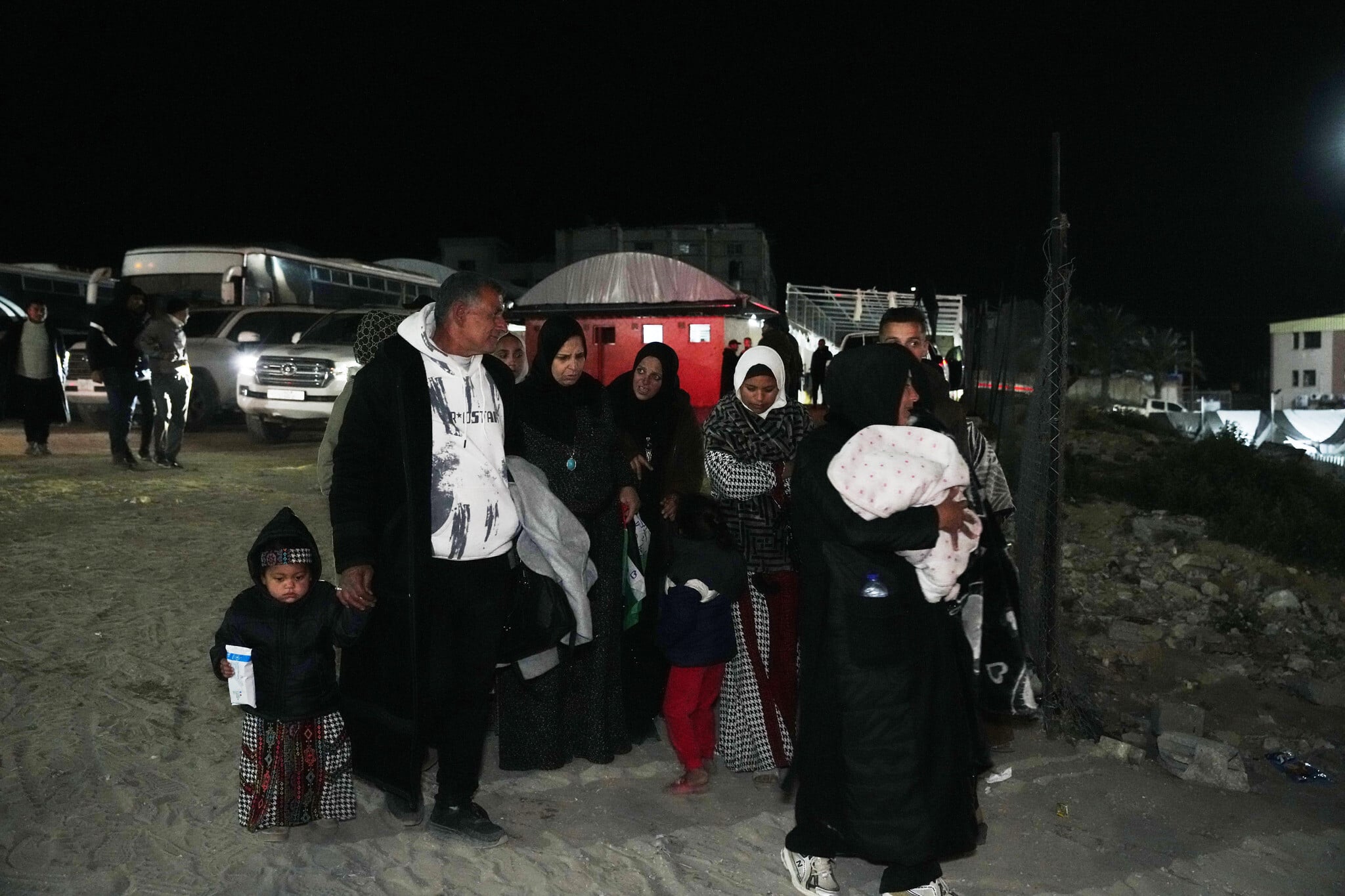
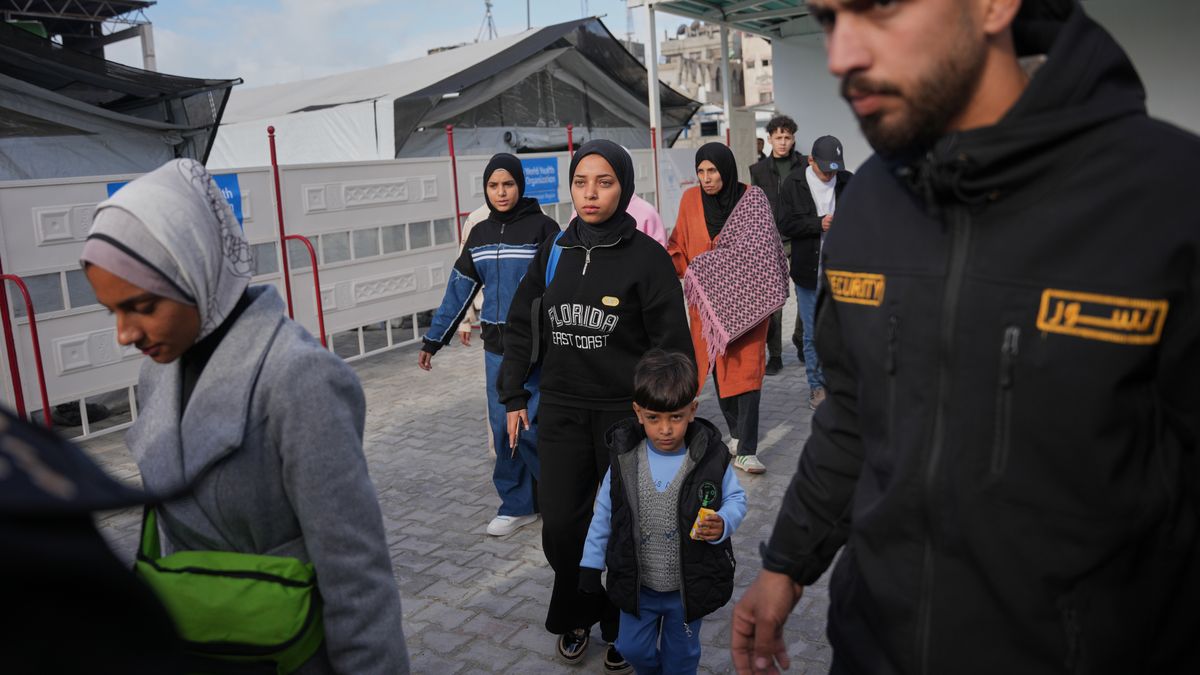
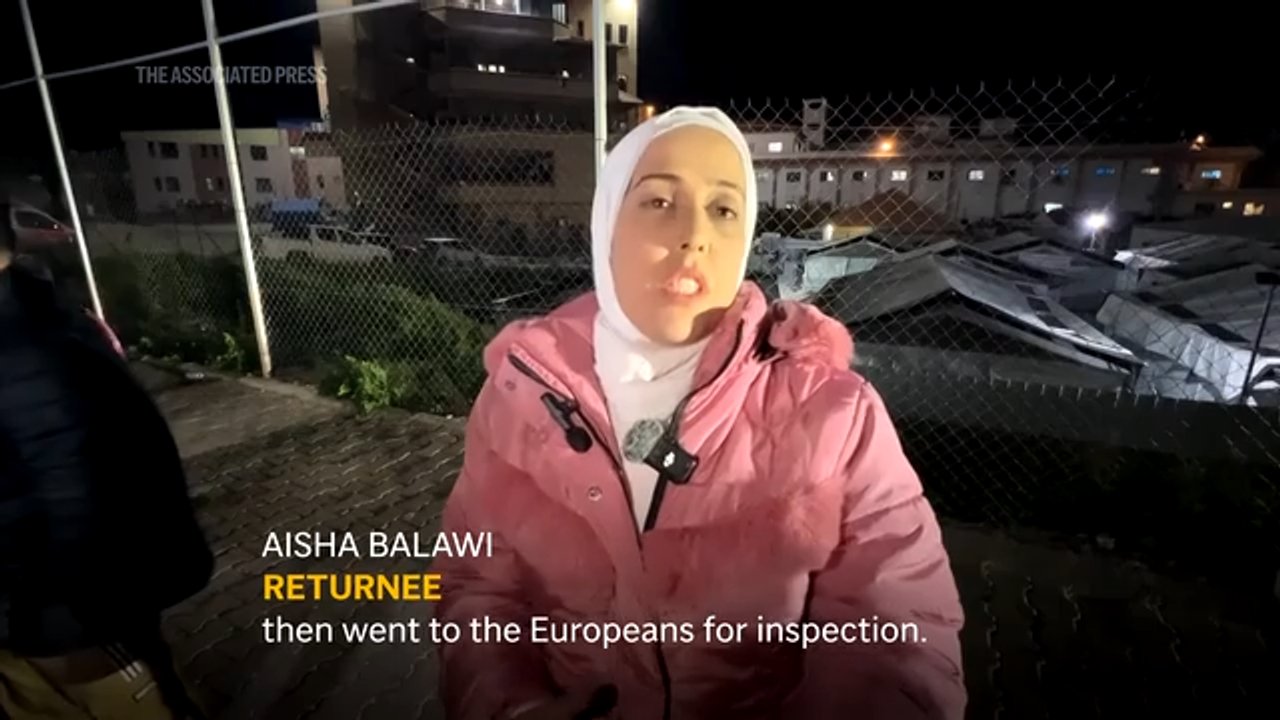
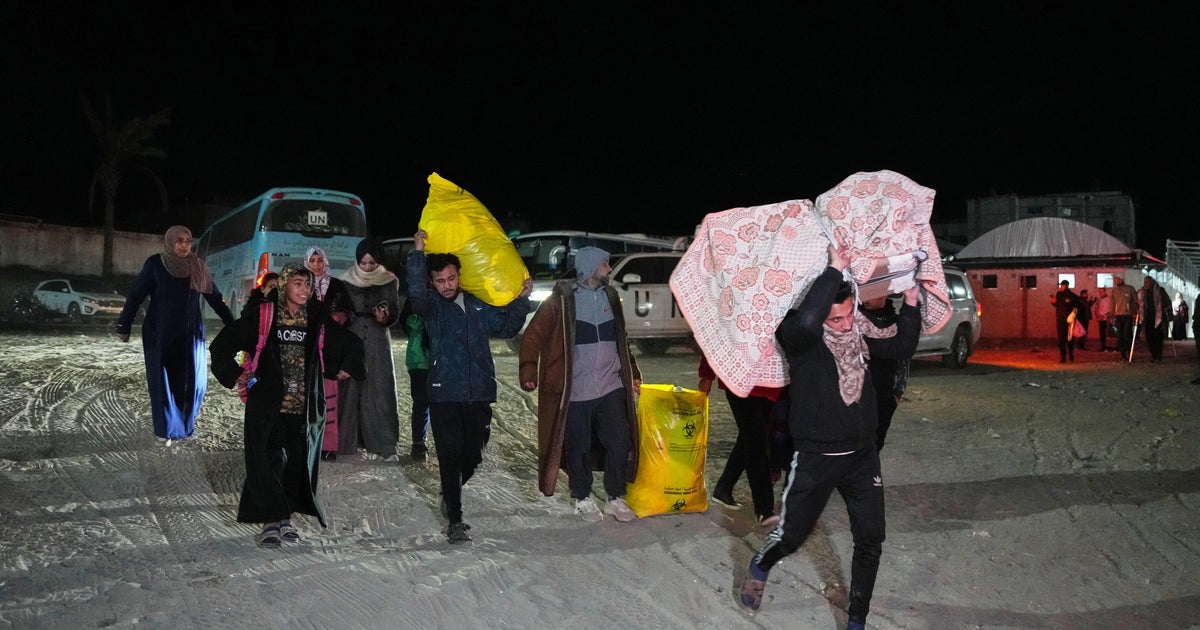
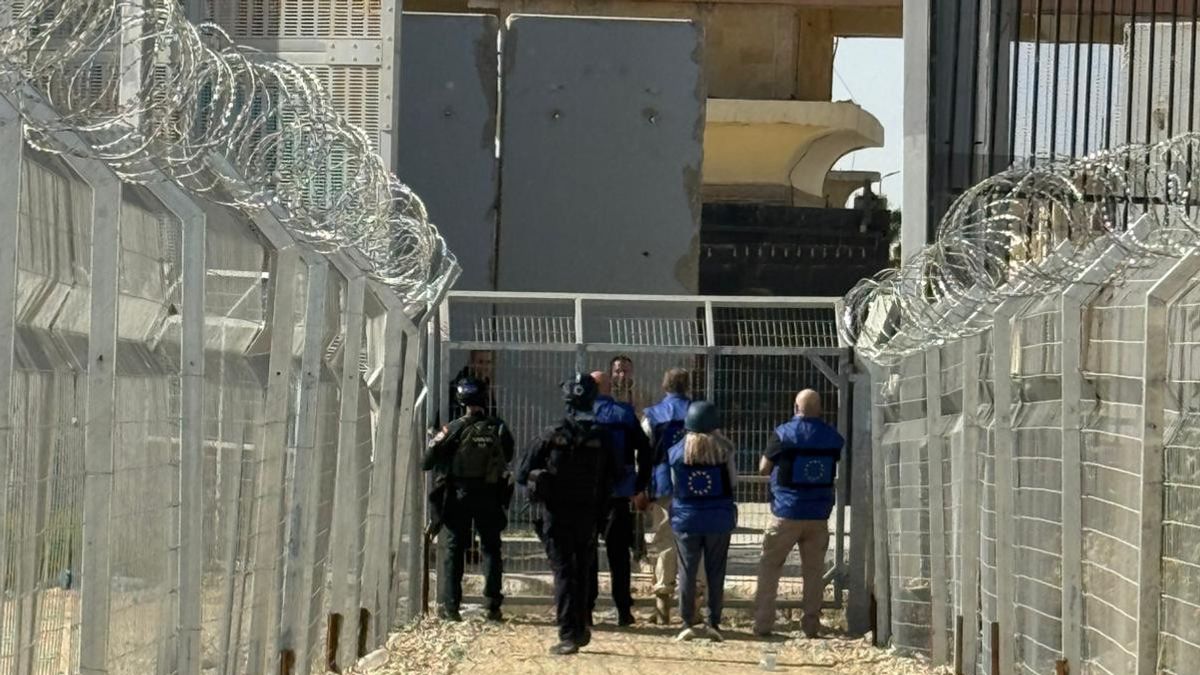
The crossing's three-tier security screening process (Egyptian forces, EU Border Assistance Mission, Israeli military) creates 8+ hour delays, with documented cases of passengers arriving at 3 a.m. but not entering Gaza until 11:30 p.m. For e-commerce sellers operating 3PL networks or drop-shipping from Middle Eastern suppliers, these delays translate to unpredictable transit times, inventory bottlenecks, and inability to fulfill time-sensitive orders. The Palestinian Ministry of Health reports 20,000 completed medical referrals awaiting travel approval, indicating massive humanitarian demand that will compete with commercial logistics for limited crossing capacity over coming months.
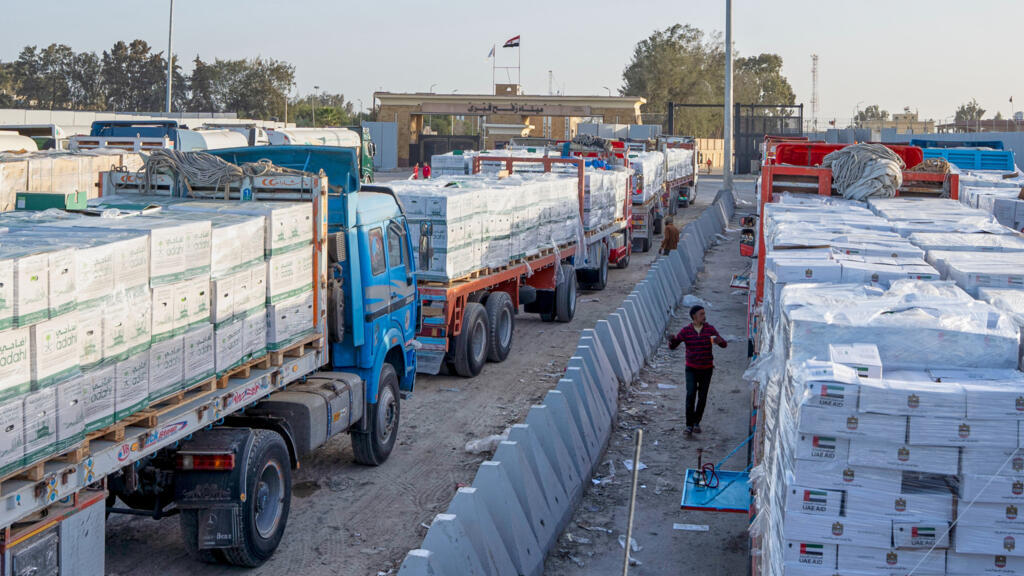
Restrictions on personal belongings—limited to single bags with confiscation of children's toys and food items—signal broader customs enforcement patterns that sellers must anticipate when shipping to Gaza or Egypt. The UN Human Rights Office documented "ill treatment and coercion" among returning Palestinians, suggesting heightened security scrutiny that could extend to commercial shipments. For sellers sourcing products from Gaza-based suppliers or shipping to the region, this represents a 6-12 month period of severely constrained logistics capacity. The crossing's actual throughput of 40-50 daily crossings (vs. 200 announced) means commercial freight will face significant delays and potential rerouting through alternative Middle Eastern ports, increasing shipping costs by 15-25% and extending delivery windows by 2-4 weeks.
Strategic implications for e-commerce sellers: Those with supply chains dependent on Gaza-Egypt corridor access should immediately diversify sourcing to alternative suppliers in Egypt, Jordan, or UAE. Sellers targeting Palestinian consumers face severely limited fulfillment options; consider partnering with local Egyptian 3PLs for regional distribution. Monitor crossing capacity recovery over next 6-12 months—if throughput remains at 40-50 daily crossings, expect sustained logistics premium pricing and extended lead times for Middle East operations.
Questions 7
Should sellers consider alternative Middle East fulfillment routes instead of Rafah crossing?
Yes—the Rafah crossing's 80-95% capacity shortfall makes it unreliable for time-sensitive e-commerce operations. Alternative routes include: (1) Egypt-based fulfillment centers serving regional markets (avoiding Gaza crossing entirely); (2) Jordan-based 3PLs for Levantine region distribution; (3) UAE fulfillment networks for Gulf market access. The news reports crossing delays of 8+ hours with some passengers waiting 15+ hours total, making this route unsuitable for next-day or 2-day delivery commitments. Sellers targeting Palestinian consumers should establish partnerships with Egyptian 3PLs who can receive inventory and manage last-mile delivery into Gaza through established humanitarian channels. For sellers with broader Middle East operations, diversifying away from Rafah crossing reduces geopolitical risk exposure and improves fulfillment reliability.
What are the compliance and documentation requirements for shipping through Rafah crossing?
The news documents three separate security screenings (Egyptian forces, EU Border Assistance Mission, Israeli military) operating under the 2005 Agreed Principles for Rafah Crossing and the Agreement on Movement and Access between Israel and the Palestinian Authority. Sellers must ensure shipments comply with: (1) Egyptian customs requirements and documentation standards; (2) EU Border Assistance Mission protocols (monitoring role); (3) Israeli security screening procedures. The documented confiscation of children's toys and food items indicates restricted goods lists are actively enforced. Sellers should work with customs brokers experienced in multi-jurisdictional compliance and maintain detailed documentation of all shipment contents. Avoid items similar to those documented as confiscated; verify all goods against current restricted items lists maintained by Egyptian and Israeli authorities.