


$650B AI Infrastructure Boom Signals Cloud Cost Cuts for E-Commerce Sellers in 2026
- Major tech capex surge ($593B combined) drives Nvidia dominance, positioning sellers for reduced cloud computing and logistics AI costs by Q3 2026





















Overview
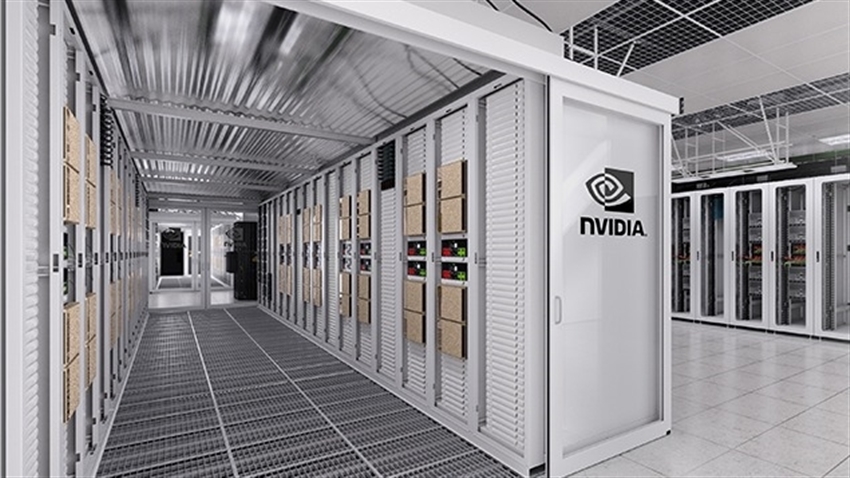
The convergence of four major news developments reveals a critical inflection point for cross-border e-commerce sellers: $650 billion in combined AI infrastructure spending announced by Amazon, Google, Microsoft, and Meta for 2026 is validating Nvidia's 92% data center GPU market dominance and accelerating the commoditization of cloud computing services. This represents a fundamental shift in technology infrastructure economics that will cascade downstream to e-commerce operations within 12-18 months.
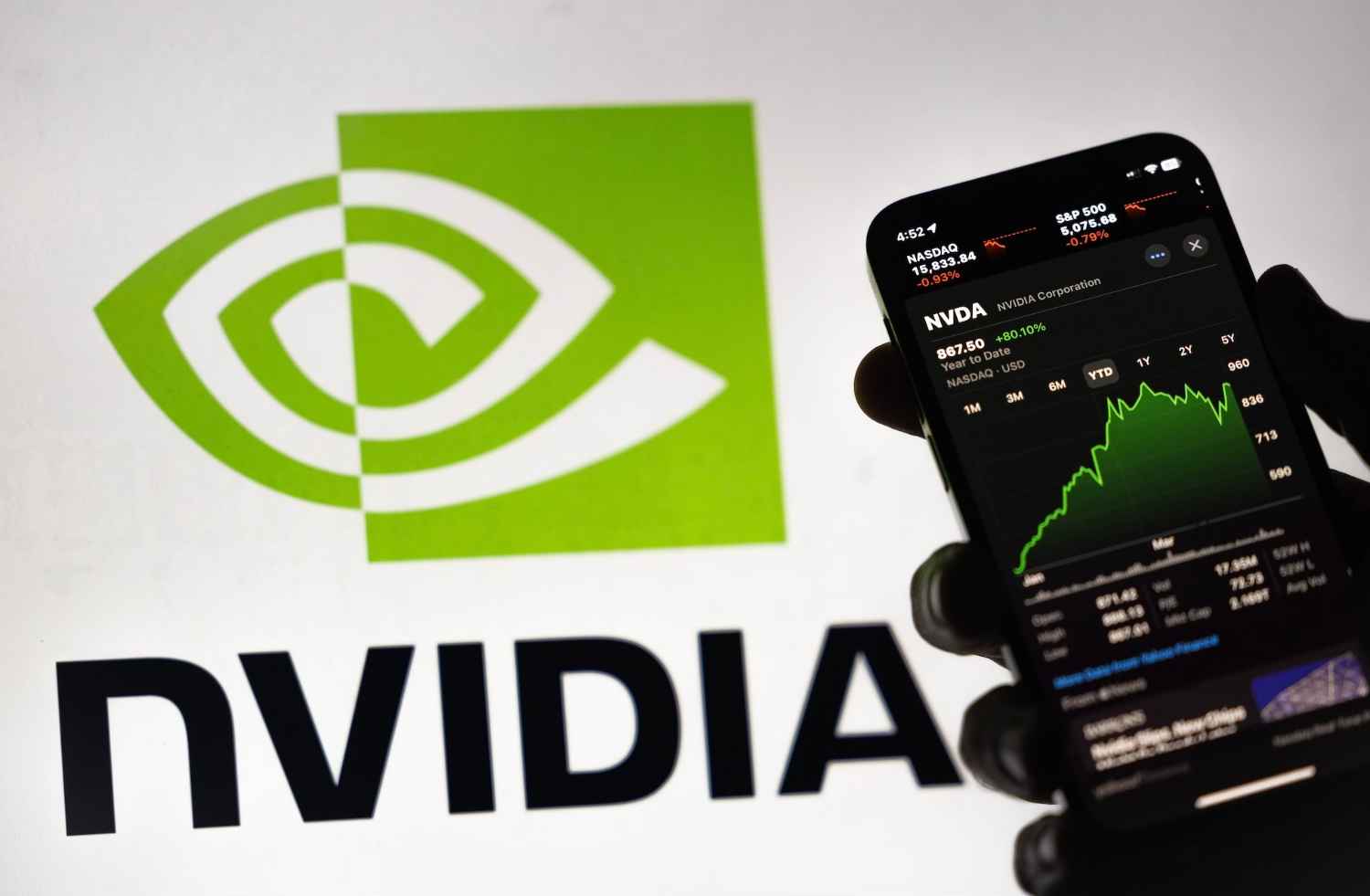
The Capital Expenditure Tsunami: Microsoft committed $88.2 billion to GPU spending in 2025 and plans to exceed this in 2026; Alphabet announced $180 billion capex guidance (60% servers, 40% data centers); Amazon committed $200 billion for "very high demand" capacity; Meta outlined $125 billion capex guidance. These four companies collectively represent approximately 40% of Nvidia's revenues and have explicitly committed to sustained spending. The February 6, 2026 stock surge (7.8%, adding $325 billion market cap) reflects investor confidence that this spending will continue, with Nvidia guiding 65% year-over-year revenue growth in Q4 2026.
E-Commerce Seller Implications: The immediate impact appears limited, but the medium-term opportunity is substantial. As hyperscalers complete their AI infrastructure buildout and competition intensifies among cloud service providers (AWS, Google Cloud, Azure), pricing pressure will inevitably follow. Sellers relying on cloud-based logistics optimization, recommendation algorithms, inventory forecasting, and fulfillment automation will benefit from reduced operational costs. Amazon's own $200 billion capex commitment directly funds infrastructure improvements that reduce fulfillment costs and enable faster delivery—competitive advantages that flow to FBA sellers through improved service levels and potentially lower storage fees.
Valuation Context and Risk Factors: Nvidia currently trades at 24-25x forward earnings, matching May 2025 levels when the stock subsequently delivered 81% returns over six months. However, this comparison carries important caveats: tariff policy uncertainty (April-May 2025 Trump tariff announcements triggered the previous trough) remains a variable, and short-term stock volatility doesn't guarantee sustained infrastructure spending. The February 25, 2026 earnings report will be critical for validating continued customer demand. For sellers, the key insight is that hyperscaler capex commitments are multi-year obligations—Amazon's $200 billion 2026 commitment follows record 2024-2025 spending, indicating sustained infrastructure investment through 2027-2028.
Strategic Seller Positioning: The $3-4 trillion annual global data center capex projection by 2030 (per Nvidia management) suggests this infrastructure cycle has 4+ years of runway. Sellers should monitor cloud service pricing trends starting Q2 2026 and evaluate whether their logistics and fulfillment strategies can leverage AI-powered optimization tools as they become more affordable. The infrastructure spending cycle typically benefits semiconductor manufacturers first, then data center operators, then cloud service providers, before benefits cascade to downstream industries—placing e-commerce sellers in the third-to-fourth wave of value capture, approximately 12-24 months out.
Questions 8
How will Nvidia's $650 billion AI infrastructure spending affect Amazon FBA costs for sellers?
The $650 billion combined capex commitment from Amazon, Google, Microsoft, and Meta will eventually reduce cloud infrastructure costs, but the timeline is 12-24 months. Amazon's $200 billion 2026 capex directly funds data center expansion and AI infrastructure that improves fulfillment speed and reduces operational costs. As competition intensifies among cloud providers and infrastructure becomes commoditized, Amazon may pass savings to FBA sellers through lower storage fees or improved service levels. However, immediate 2026 impacts are limited—sellers should expect cost reductions starting Q3-Q4 2026 as infrastructure buildout completes.
Should cross-border sellers invest in AI logistics tools now or wait for prices to drop?
The infrastructure spending cycle suggests waiting 6-12 months will yield better pricing on AI-powered logistics solutions. As hyperscalers complete their capex spending and cloud service providers compete for market share, AI tools for inventory forecasting, demand planning, and route optimization will become more affordable. Sellers with tight margins should monitor pricing trends starting Q2 2026. However, sellers with high fulfillment costs or complex multi-region operations may benefit from early adoption now, as the competitive advantage of optimized logistics could offset higher tool costs. Evaluate your specific cost structure before deciding.