




iPhone Fold 2026 Launch | $2B+ Accessory Market Opportunity for E-Commerce Sellers
- Apple's fall 2026 foldable entry creates 34% market value capture opportunity; sellers can capitalize on $2,000-$2,500 device accessories, protective cases, stands, and specialized charging solutions targeting premium consumer segment




:sharpen(0.5,0.5,true)/tpg%2Fsources%2F3a87d5dd-7c36-49f5-bf5b-4b184b8eb105.jpeg)





























Overview
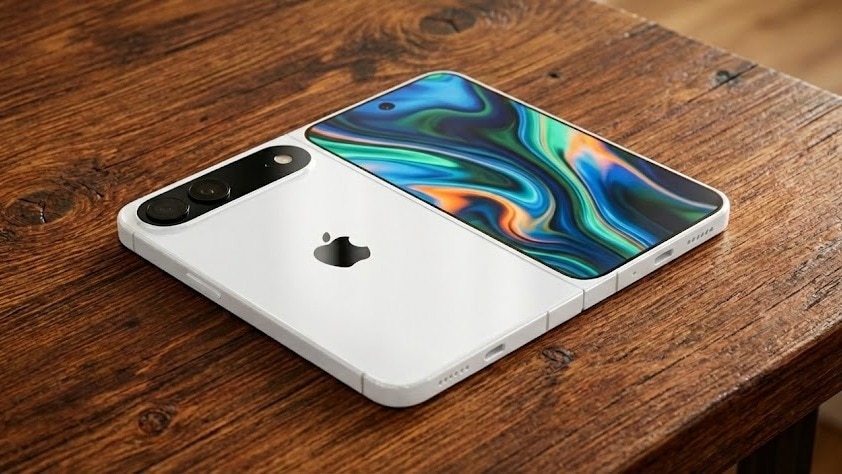
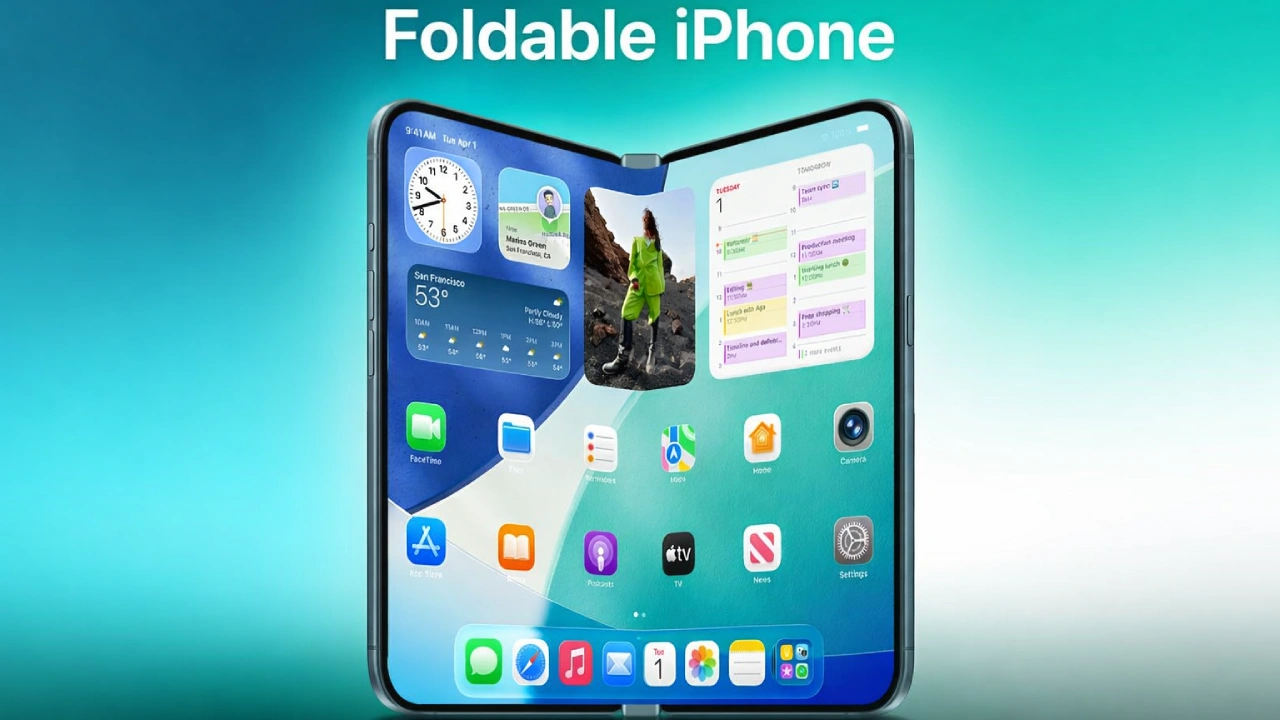
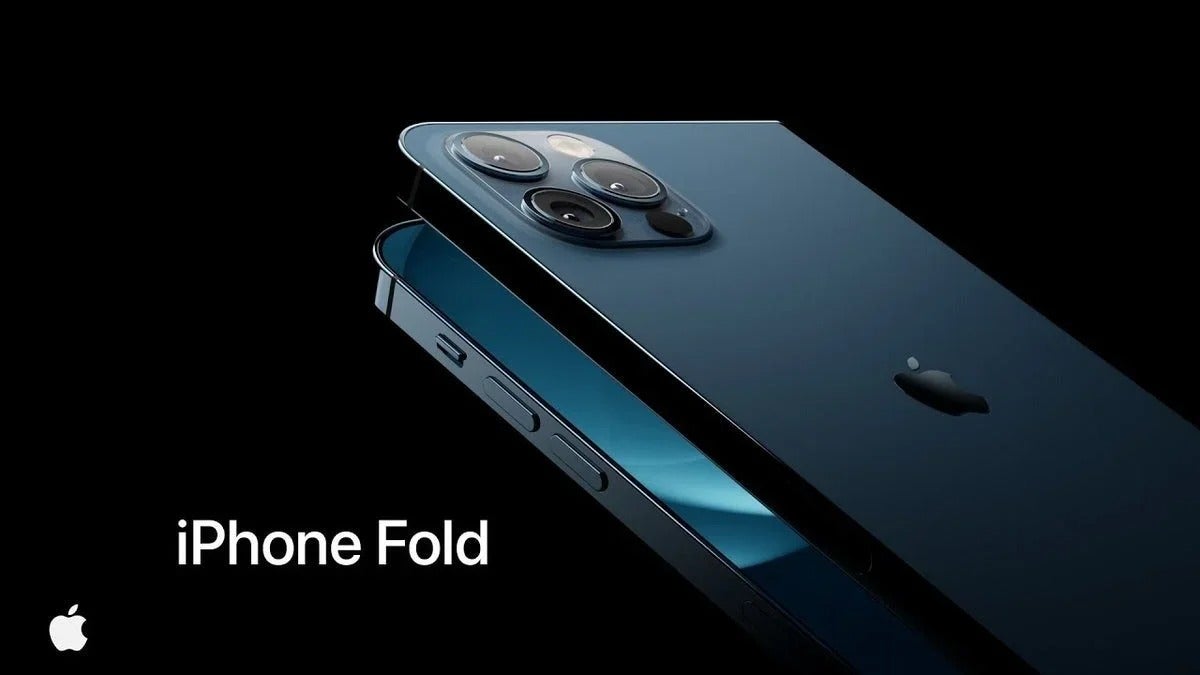
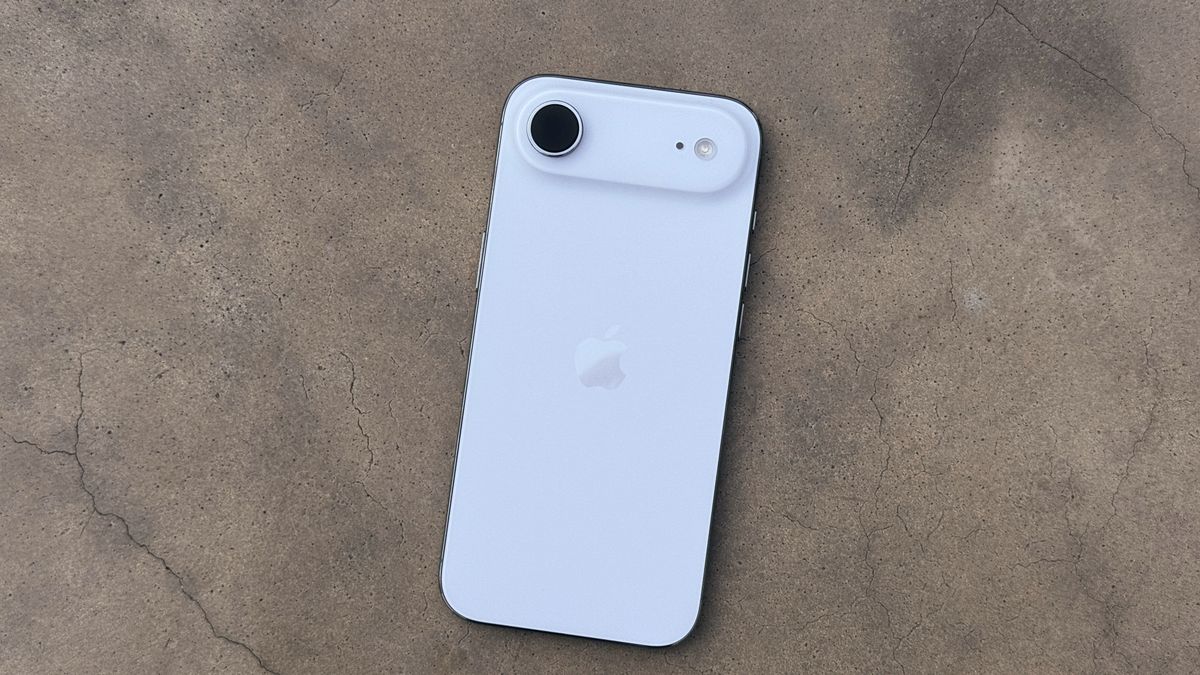
Apple's anticipated iPhone Fold launch in fall 2026 represents a transformative moment for the premium smartphone accessory market, creating substantial e-commerce opportunities for cross-border sellers. The device, priced between $2,000-$2,500 (with IDC projecting $2,400 average), will feature a 7.8-inch inner display and 5.5-inch outer display in a book-style foldable design, positioning it as the most expensive iPhone ever released. This $500+ price premium over standard iPhone Pro models signals a fundamentally different consumer segment—affluent early adopters willing to invest in cutting-edge technology.
Market Opportunity for Sellers: IDC projects Apple will capture 34% of the foldable market's total value in its first year, translating to approximately $2-3 billion in device sales. This creates a cascading accessory ecosystem worth an estimated $400-600 million annually. Sellers should prioritize three product categories: (1) Protective cases and screen protectors designed for dual-display foldables (estimated $150-250 per unit retail value), (2) Specialized charging solutions and power banks optimized for 5,000+ mAh batteries (market gap currently filled by generic products), and (3) Innovative stands and mounting solutions for the expanded 8-inch internal display enabling productivity use cases.
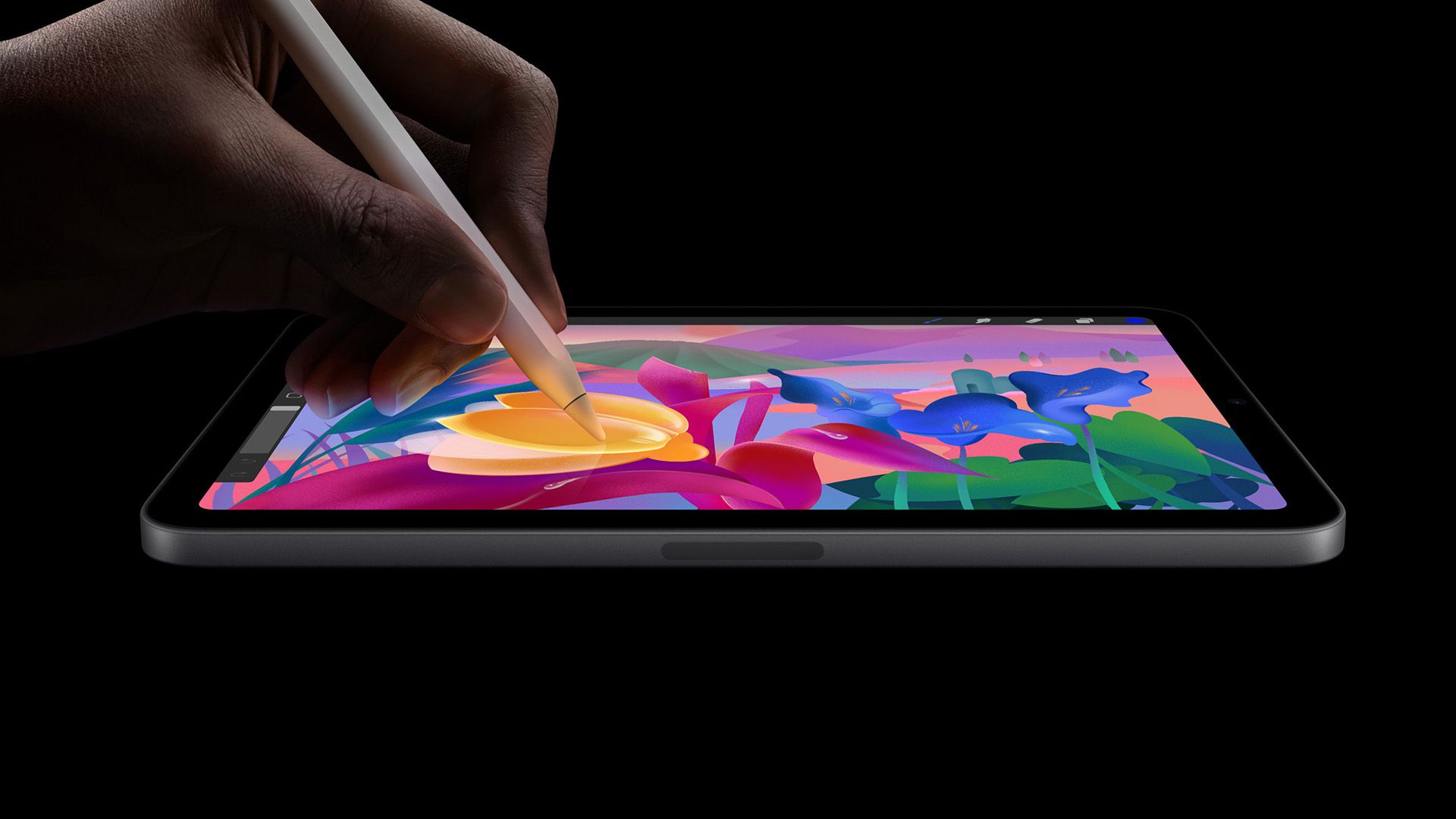
Software-Driven Differentiation Creates Accessory Demand: News 2 reveals Apple's critical challenge—the device cannot succeed as merely a folding form factor. Industry analysis suggests Apple will implement iPadOS on the internal display, creating a hybrid iPhone-iPad experience. This positioning directly mirrors the iPad mini's 8.3-inch screen size, indicating Apple's intent to enable multitasking, keyboard support, and Apple Pencil compatibility. This software strategy creates unprecedented accessory opportunities: magnetic keyboard cases, stylus solutions, and desktop docking stations currently unavailable for standard iPhones. Sellers with existing iPad accessory expertise can rapidly adapt products for the iPhone Fold's larger internal display.
Competitive Timing and Supply Chain Advantages: Samsung Display is producing the OLED screens, indicating mature flexible display manufacturing. The confirmed fall 2026 timeline (despite potential memory shortage delays) provides 18-24 months for sellers to source, develop, and pre-position inventory. Early movers can establish brand authority in foldable accessories before mainstream adoption. The device's innovative materials—including liquid metal hinges for durability—signal potential demand for protective solutions addressing hinge stress points, a category currently underserved in the foldable market.
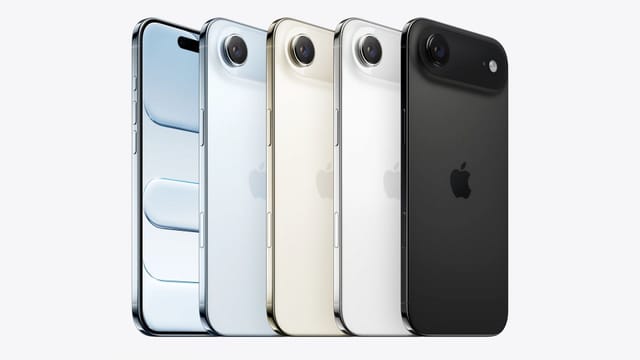
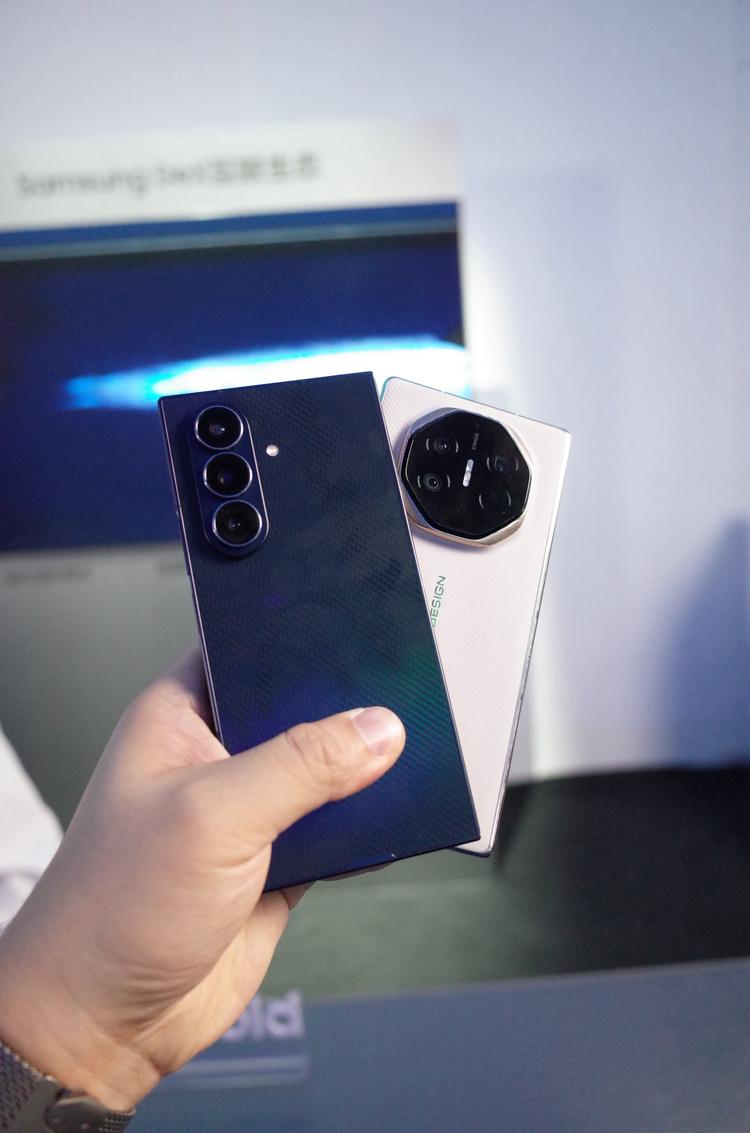
Regional Seller Implications: The $2,000+ price point positions this as a premium product concentrated in developed markets (North America, Western Europe, Japan, South Korea). Cross-border sellers based in China, India, and Southeast Asia can leverage manufacturing advantages to supply protective cases, charging accessories, and stands to Amazon, eBay, and Shopify sellers in premium markets. The device's Touch ID implementation (rather than Face ID) and four-camera system create unique accessory requirements distinct from Samsung's Galaxy Z Fold 7, enabling differentiated product positioning.
Questions 8
How does Apple's iPadOS implementation on the iPhone Fold affect accessory strategy?
Apple's rumored implementation of iPadOS on the internal display transforms the device from a phone into a hybrid iPhone-iPad productivity tool. This creates unprecedented accessory demand: magnetic keyboard cases, Apple Pencil-compatible stylus solutions, and desktop docking stations currently unavailable for standard iPhones. Sellers with existing iPad mini accessory expertise can rapidly adapt products for the 8-inch internal display. The multitasking capability justifies premium pricing for productivity-focused accessories, enabling sellers to command 30-50% higher margins than standard phone cases.
What e-commerce opportunities does the iPhone Fold launch create for sellers?
The iPhone Fold's $2,000-$2,500 price point and dual-display design creates a $400-600 million annual accessory market opportunity. Sellers can capitalize on three primary categories: protective cases for dual-display foldables (estimated $150-250 retail value per unit), specialized charging solutions for 5,000+ mAh batteries, and innovative stands/docks for the 8-inch internal display. IDC projects Apple will capture 34% of foldable market value in year one, indicating strong consumer demand. Early-stage sellers should begin sourcing protective solutions and keyboard cases by Q2 2025 to establish inventory before fall 2026 launch.