


U.S.-Korea Trade Tensions Threaten $350B Investment | Tariff Risk for Cross-Border Sellers
- Political lobbying destabilizes bilateral trade agreement; sellers face potential tariff increases on Korean electronics, apparel, and components by Q2 2025

















Overview
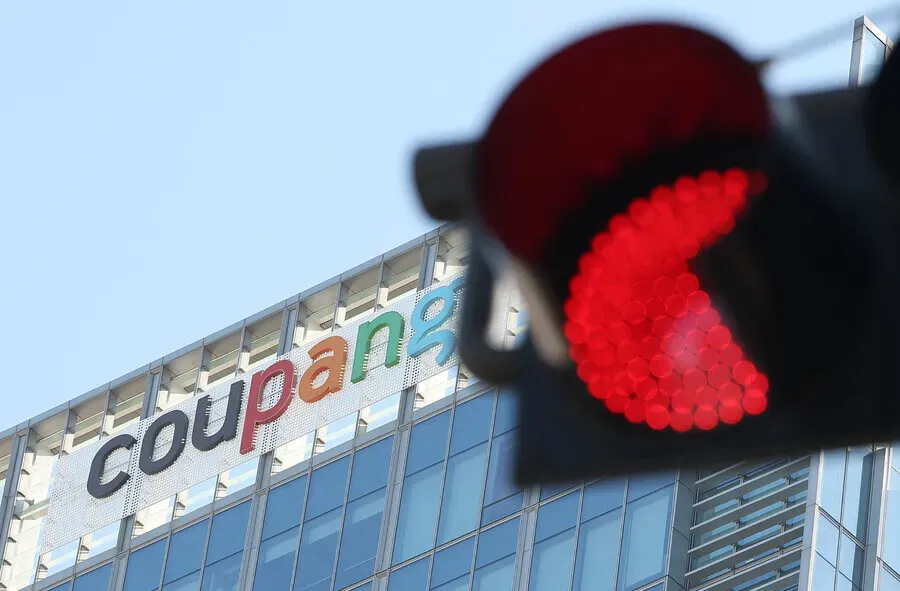
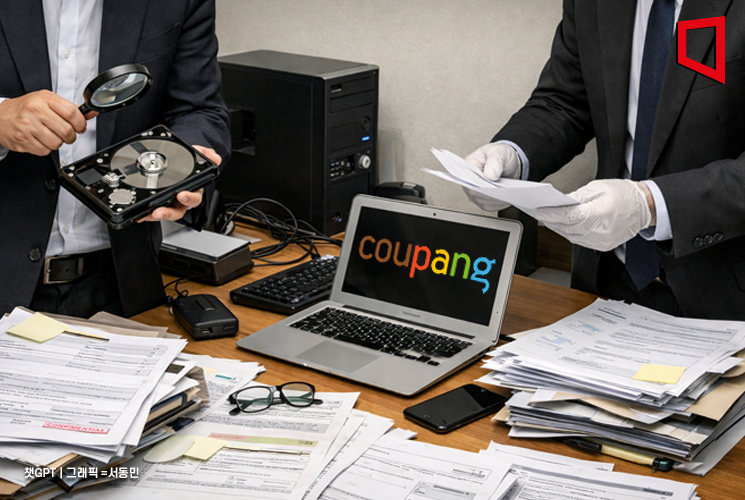
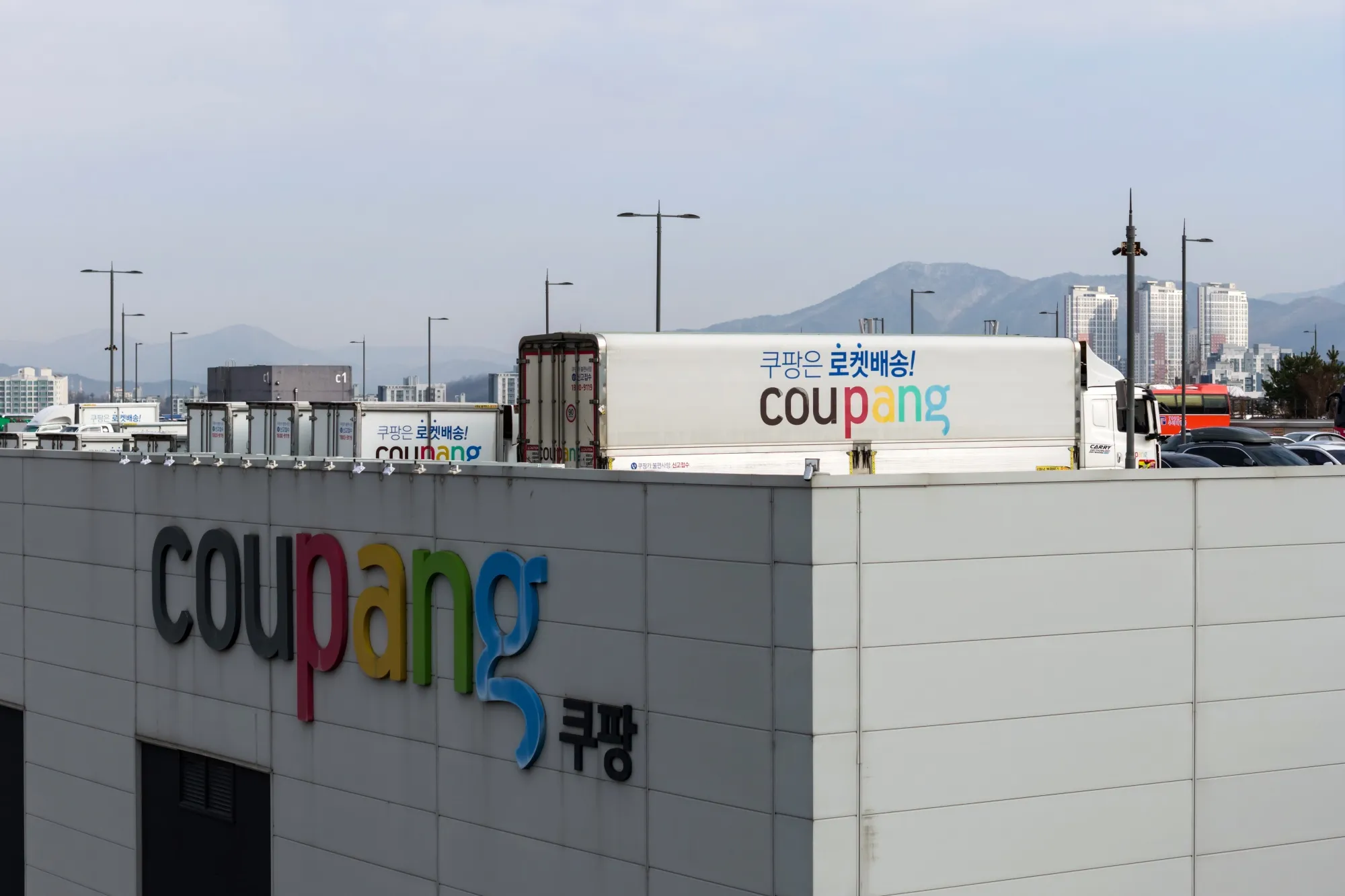
The Coupang lobbying case reveals a critical shift in how e-commerce platforms influence trade policy, with direct implications for cross-border sellers. Coupang, South Korea's $37 billion e-commerce giant, strategically repositioned itself as an American company (relocating HQ to Seattle in 2021, conducting NYSE IPO in 2022, hiring Trump aide Rob Porter in 2023) to leverage U.S. political structures against Seoul's digital commerce regulations. This lobbying effort has destabilized a tentative July 2024 U.S.-Korea trade agreement worth $350 billion in South Korean investment commitments and tariff reductions—the agreement now faces unraveling due to Seoul's continued restrictions on big tech platforms.
The tariff arbitrage opportunity is collapsing. The July 2024 agreement promised tariff reductions on Korean-origin products (electronics HS codes 8471-8517, apparel HS 6204-6206, components HS 8504-8544), creating margin expansion for sellers sourcing from South Korea. Congressional Republicans explicitly connected Coupang investigations (January 2025 House Judiciary subpoena) to Trump's tariff threats, signaling political will to impose retaliatory duties. If the agreement unravels, sellers can expect tariff increases of 8-15% on Korean electronics and 12-18% on apparel—compressing margins by $40-120 per unit for high-volume sellers.
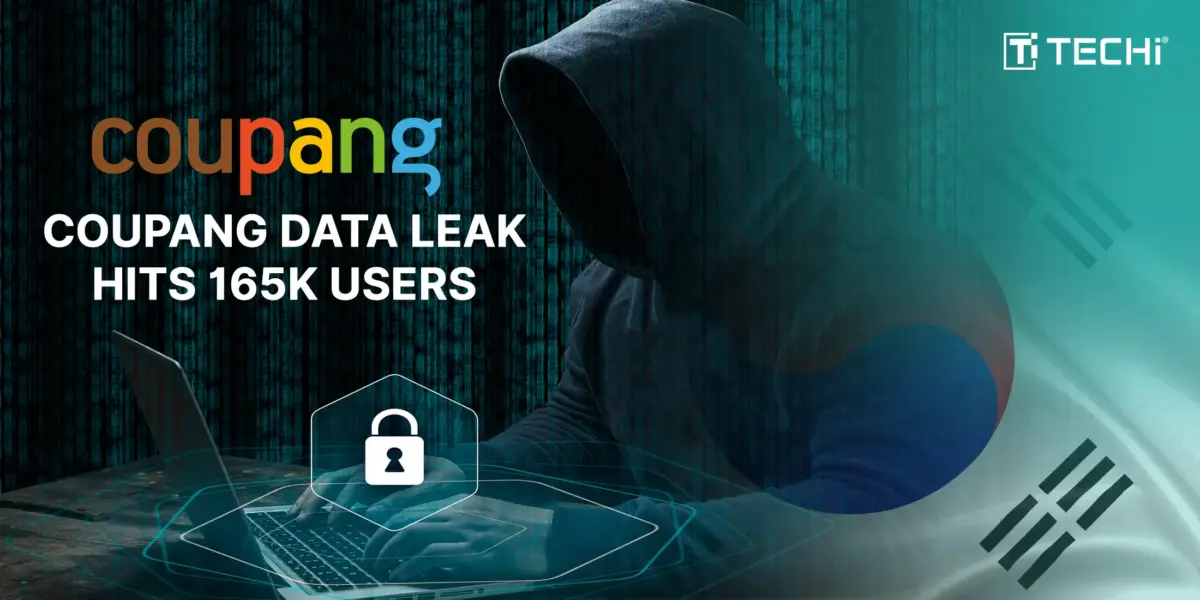
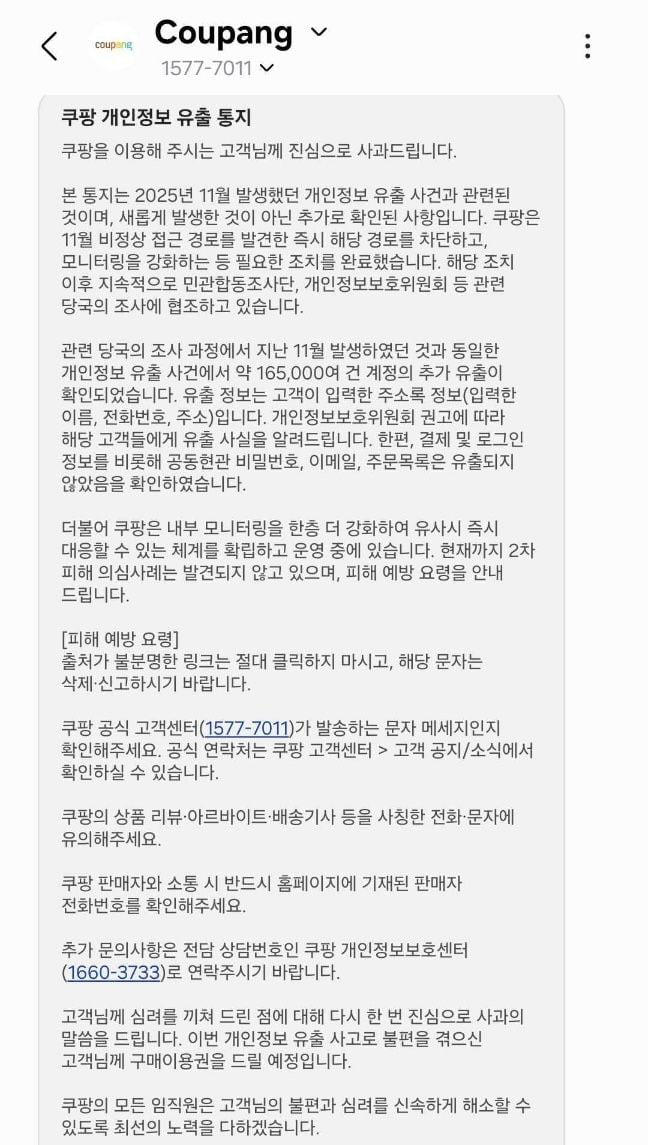
Market access windows are closing for Korean sellers. Coupang's 33 million South Korean user data breach (November 2024) accelerated its positioning as a victim of government discrimination, paradoxically strengthening its lobbying position. Rep. Adrian Smith's public denunciation of South Korea for "aggressively targeting U.S. technology leaders" signals Congressional appetite for trade restrictions. Sellers with Korean supply chains face two risks: (1) tariff increases if the agreement collapses, and (2) regulatory restrictions on Korean platforms if Seoul escalates restrictions on big tech. The timeline is critical—Trump administration tariff threats suggest implementation within 60-90 days (Q1-Q2 2025).
Competitive dynamics shift toward Vietnam and India sourcing. As Korean tariff advantages evaporate, sellers will pivot to alternative sourcing countries with lower tariff exposure. Vietnam (HS 8471-8517 electronics at 2.5% vs. Korea's potential 15%+) and India (apparel HS 6204-6206 at 8% vs. Korea's 18%+) become strategically attractive. Small-to-medium sellers (annual volume 500-5,000 units) face the highest pressure—they lack negotiating power with Korean suppliers and cannot absorb tariff increases. Large sellers (10,000+ units) can negotiate supplier concessions or shift sourcing faster. The window to lock in Korean sourcing at current tariff rates closes within 30-60 days before potential implementation.
Questions 8
How should sellers adjust inventory strategy given U.S.-Korea trade uncertainty?
Sellers should immediately audit Korean supply chain exposure and implement a three-phase strategy: (1) Lock in Korean sourcing commitments within 30-60 days at current tariff rates before potential increases; (2) Diversify sourcing to Vietnam (electronics) and India (apparel) to reduce Korea dependency; (3) Increase inventory buffers for Korean-sourced products before tariff implementation in Q2 2025. High-volume sellers (10,000+ units annually) should negotiate supplier concessions or volume discounts to offset tariff increases. Small-to-medium sellers should prioritize sourcing diversification over inventory buildup. Monitor Congressional actions and Trump administration announcements weekly—tariff implementation could accelerate if political momentum builds.
What is the timeline for potential tariff implementation on Korean products?
Trump administration tariff threats suggest implementation within 60-90 days (Q1-Q2 2025). The January 2025 House Judiciary subpoena of Coupang indicates Congressional momentum for action. The July 2024 trade agreement included $350 billion in South Korean investment commitments, but Seoul's continued digital commerce restrictions are unraveling the deal. Sellers should assume tariff increases will be implemented by April-June 2025. The critical window to lock in Korean sourcing at current tariff rates is 30-60 days (February-March 2025). Sellers should immediately contact Korean suppliers to negotiate long-term pricing and secure inventory before tariff implementation.