


Lebanon Building Collapse Crisis | Supply Chain Risk Alert for Middle East Sellers
- 15+ deaths in Tripoli collapse signals infrastructure vulnerabilities affecting 105+ buildings; sellers shipping to Lebanon face logistics disruption risks and reduced consumer purchasing power in economically destabilized region















)









Overview
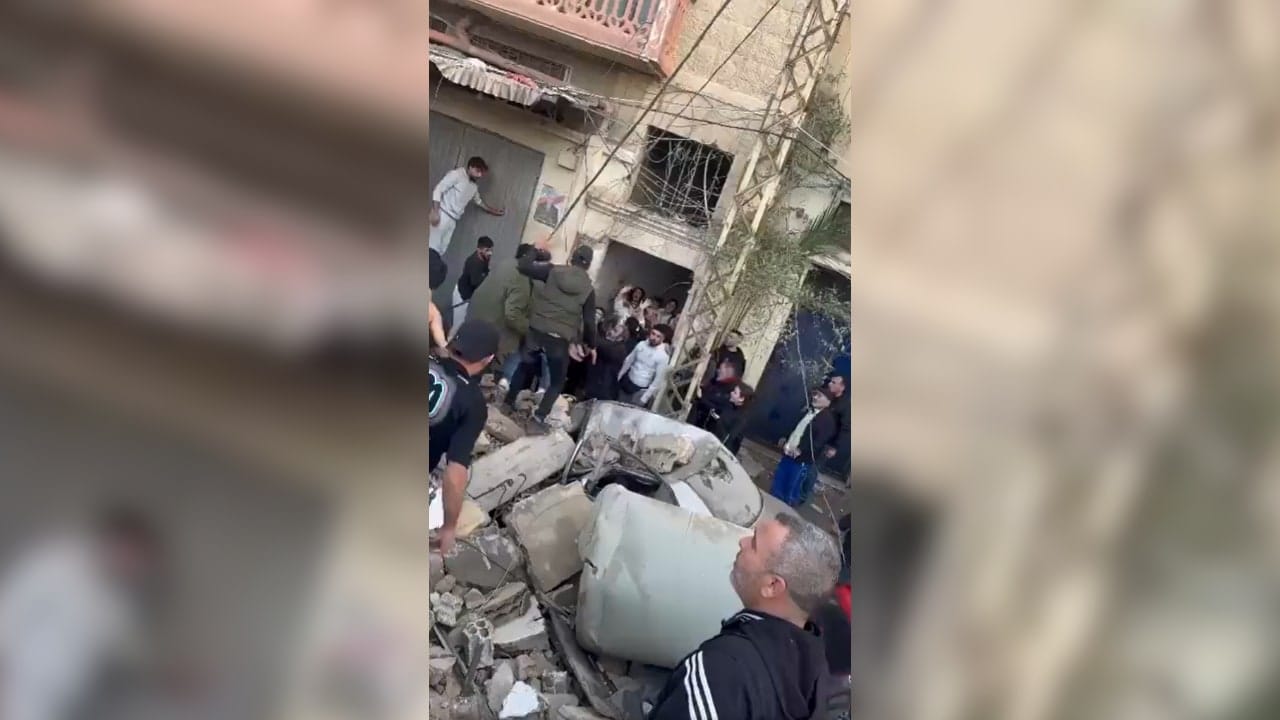
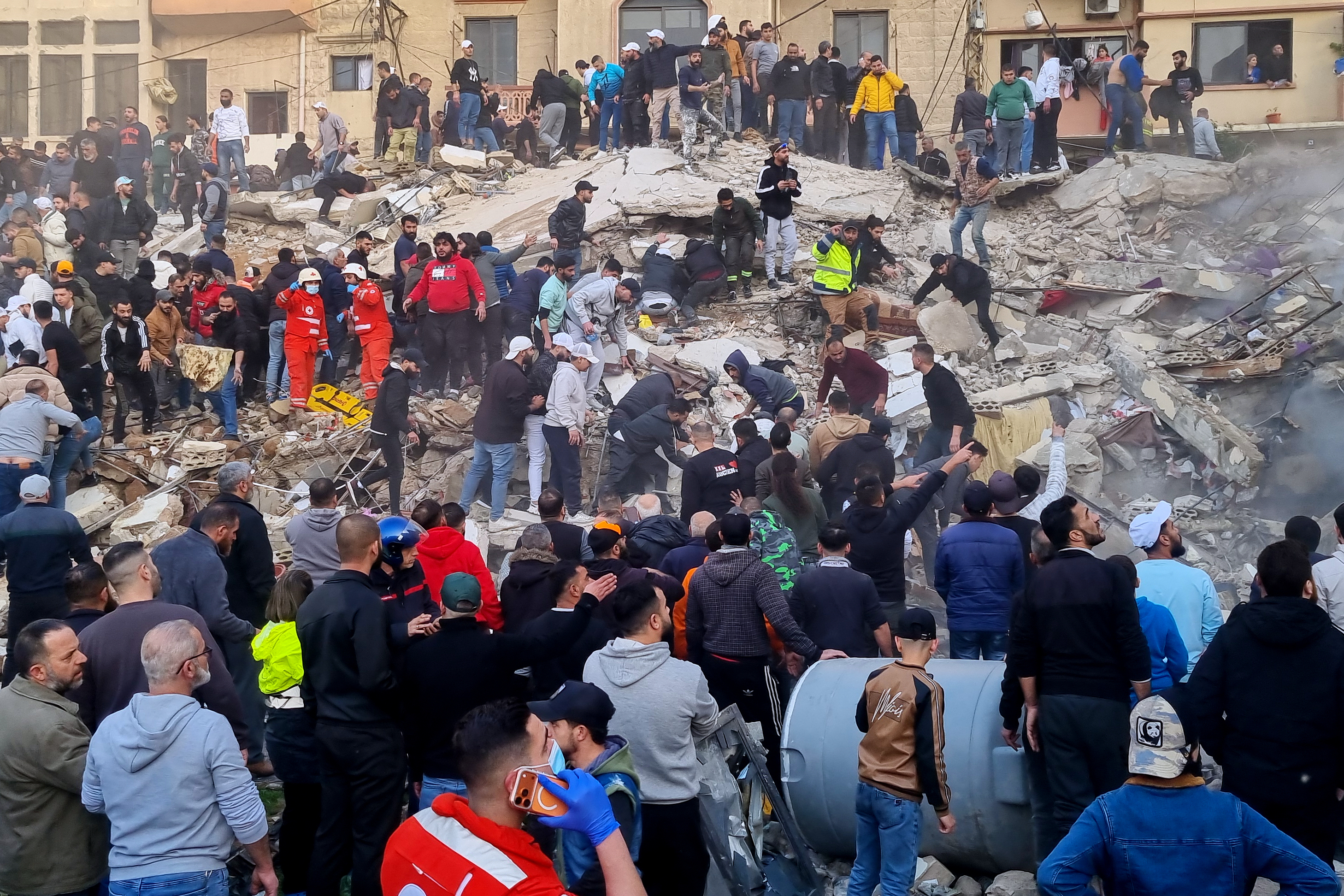
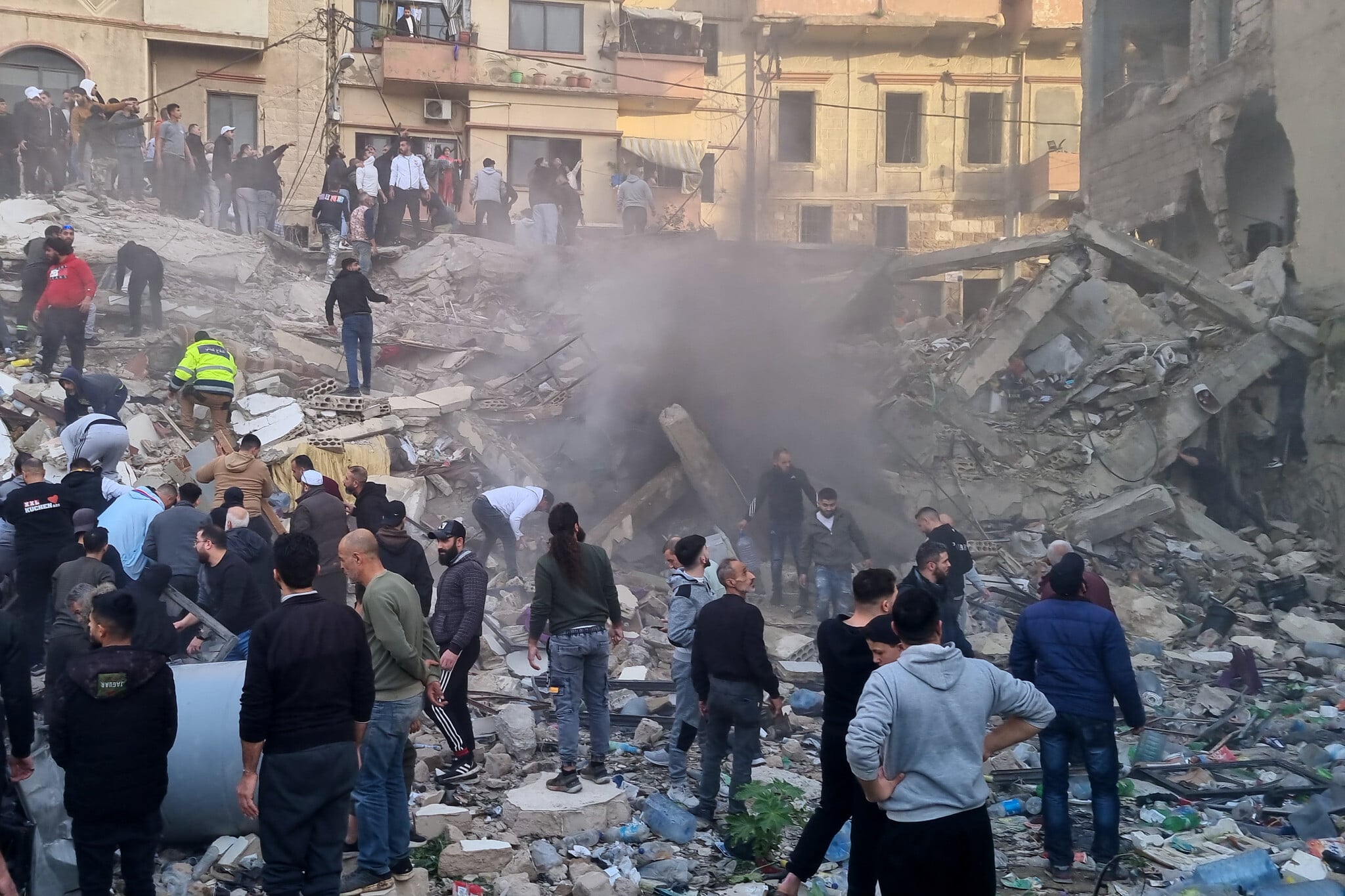
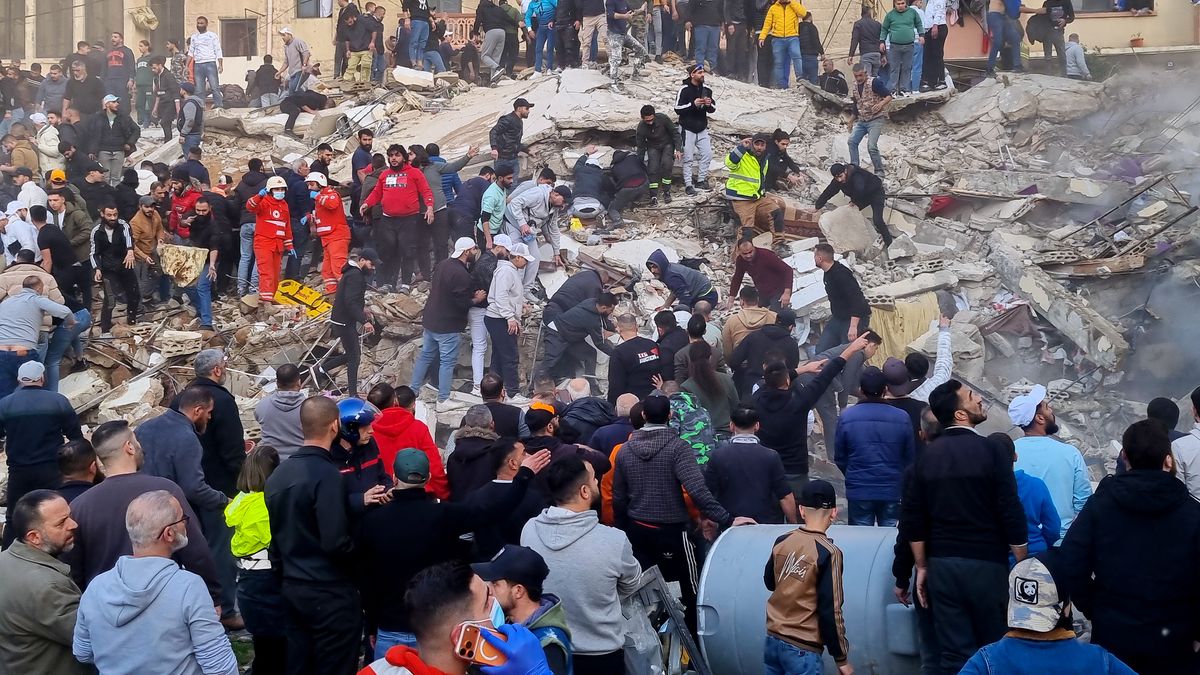
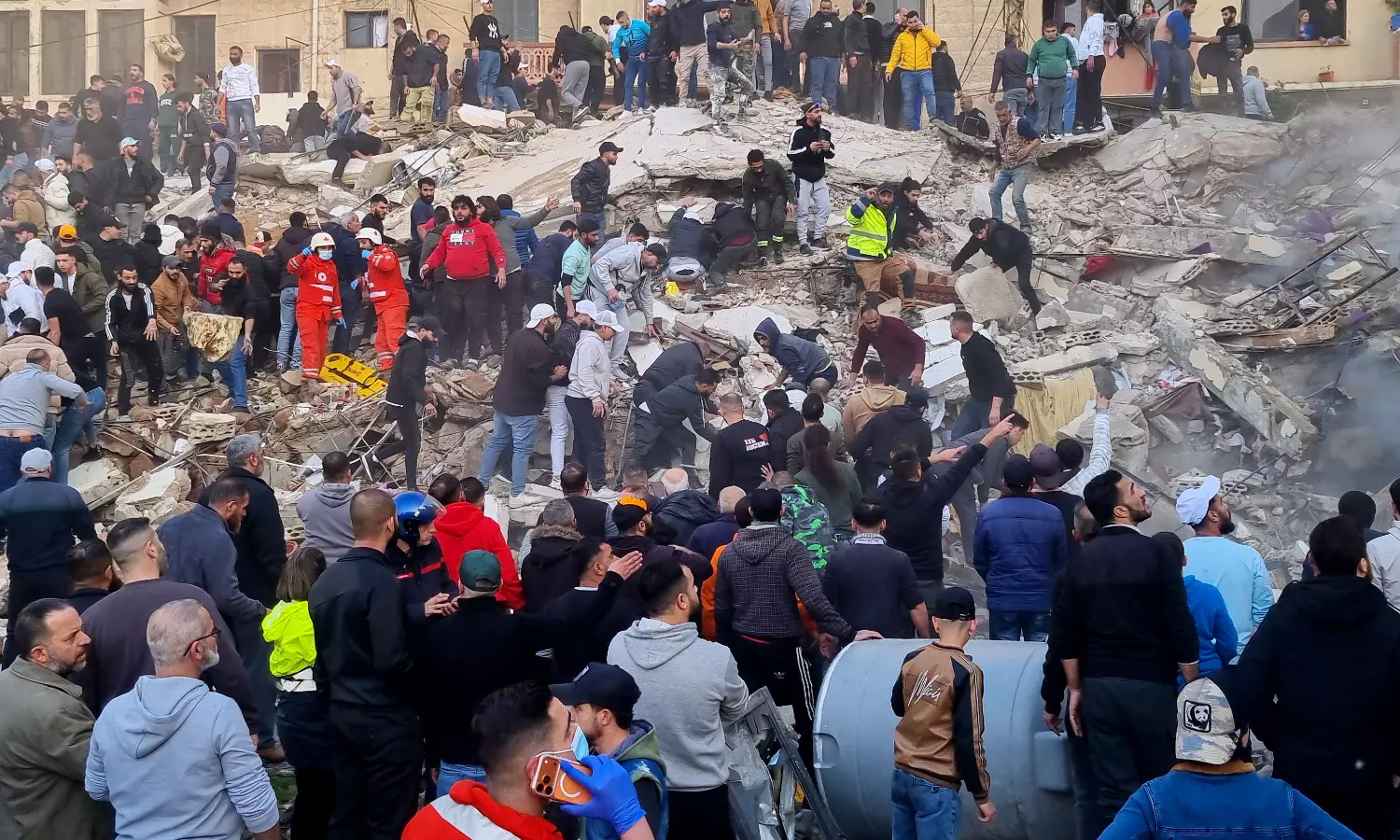
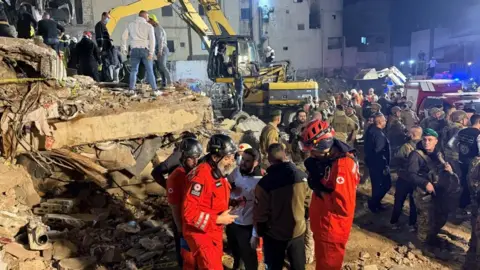
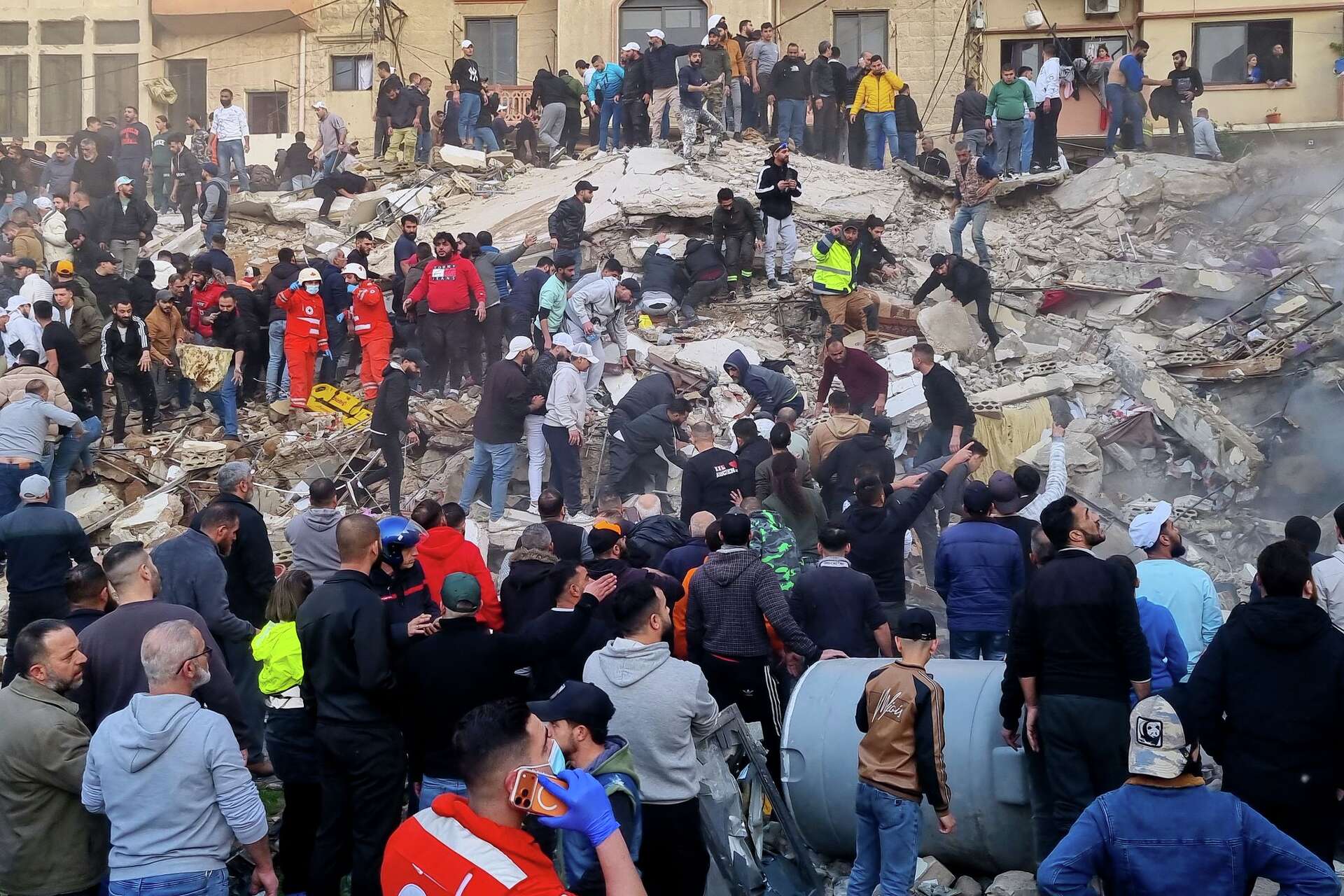
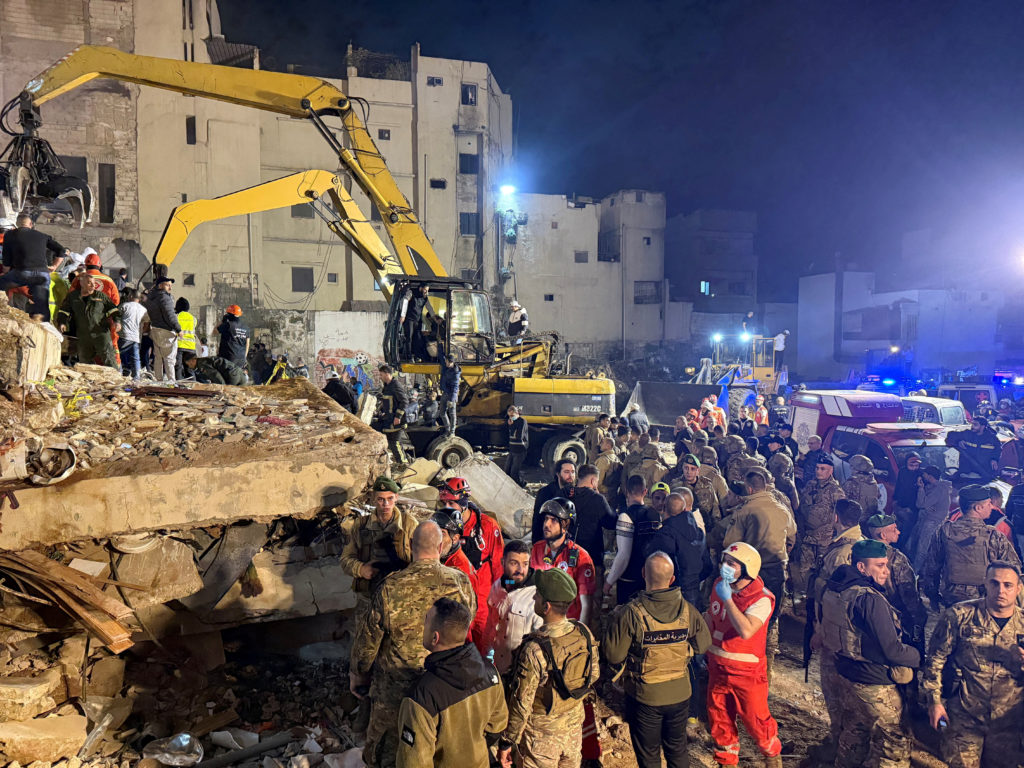
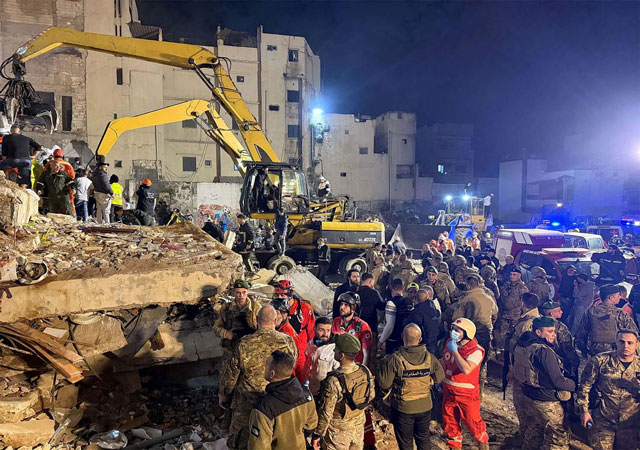
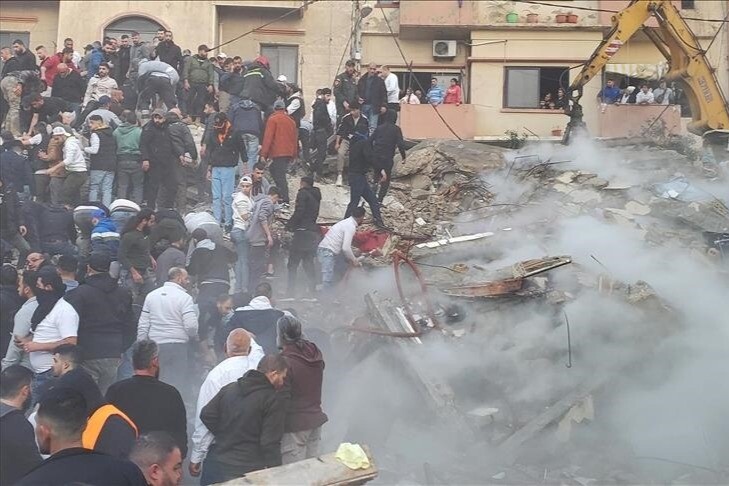
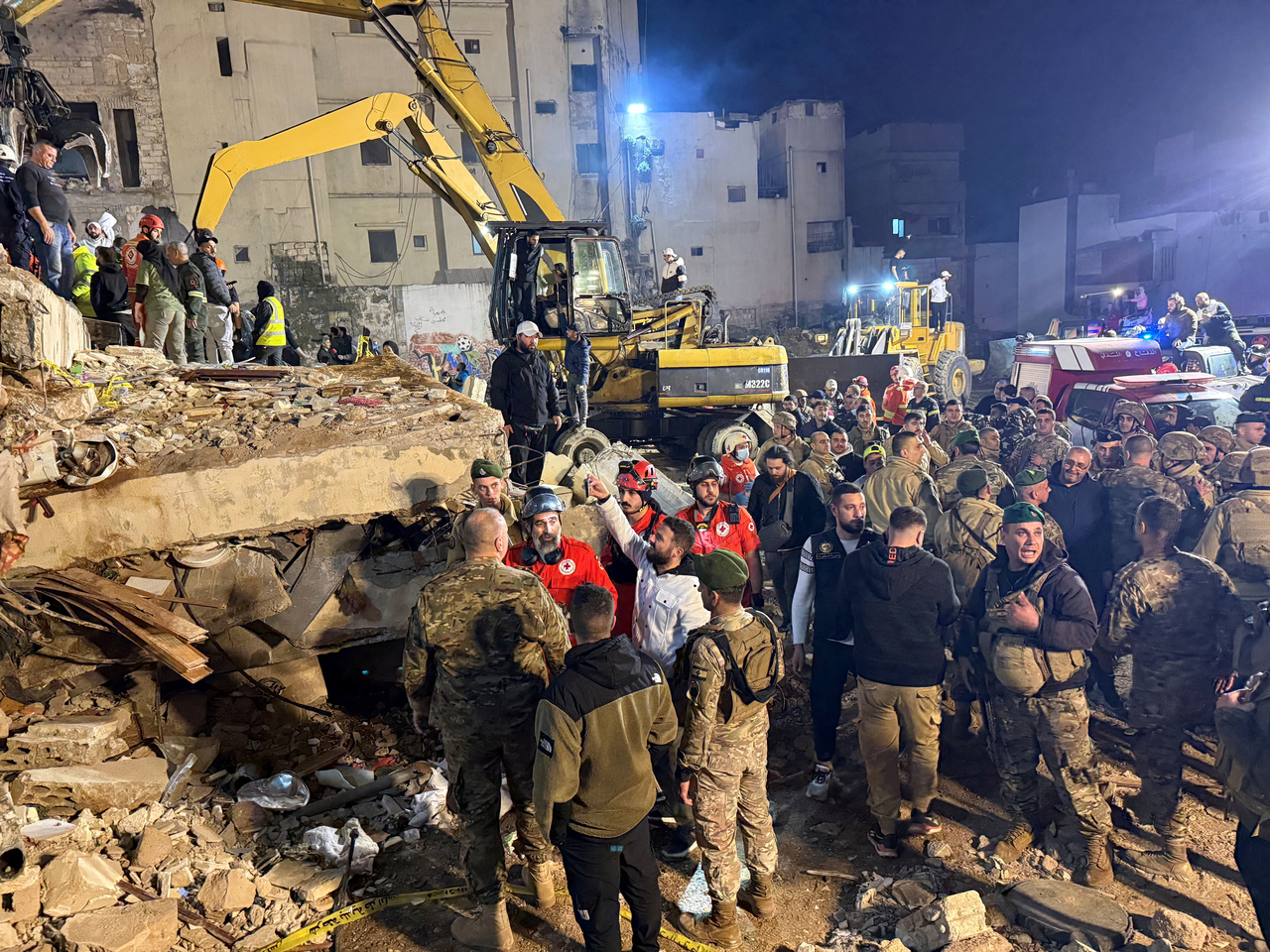
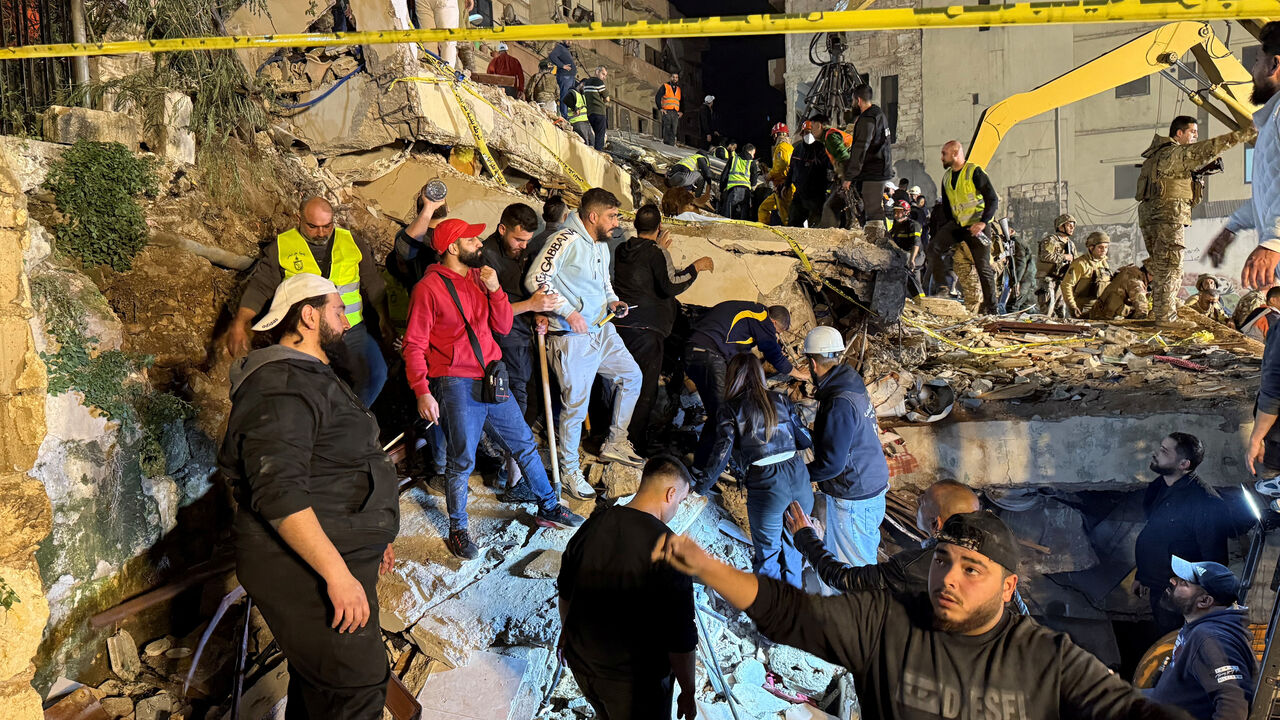
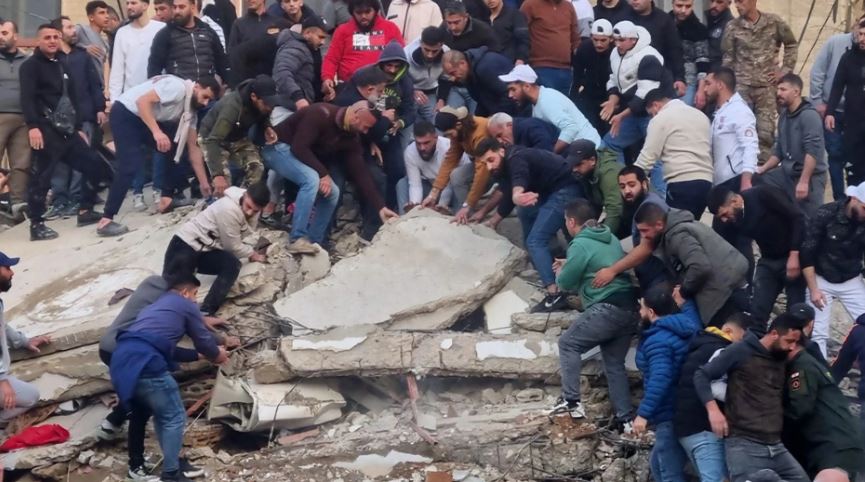
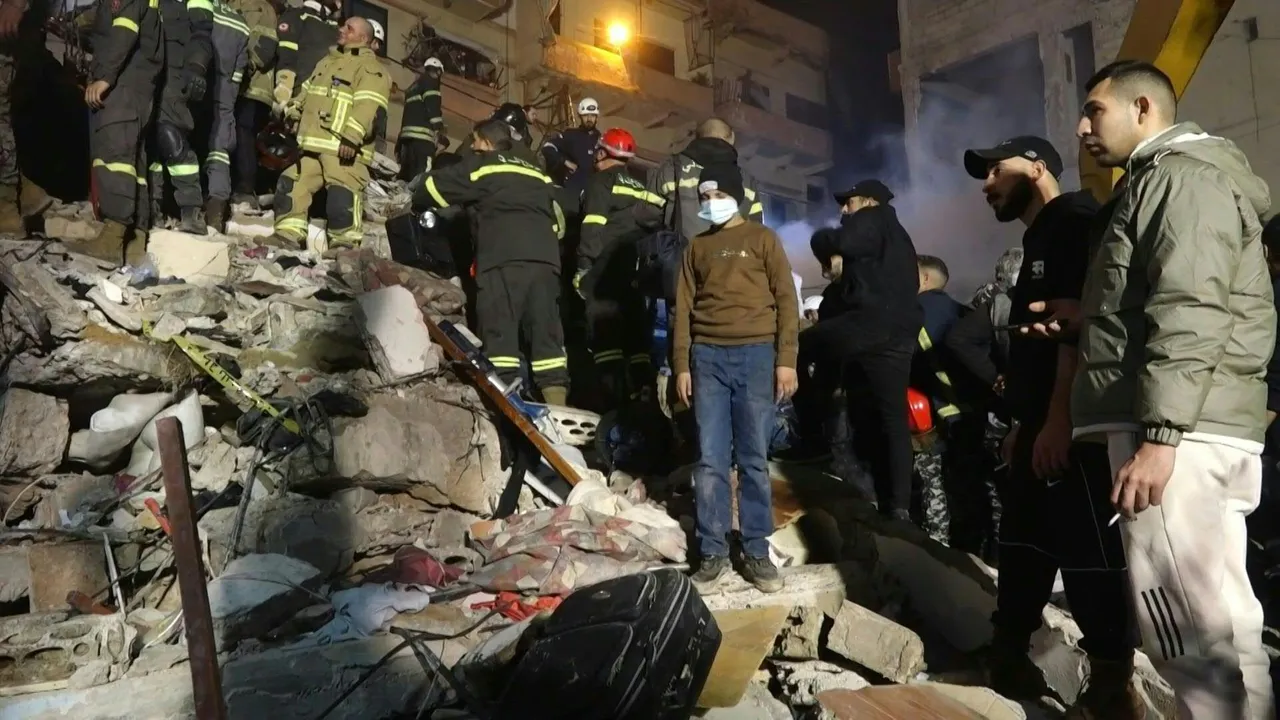
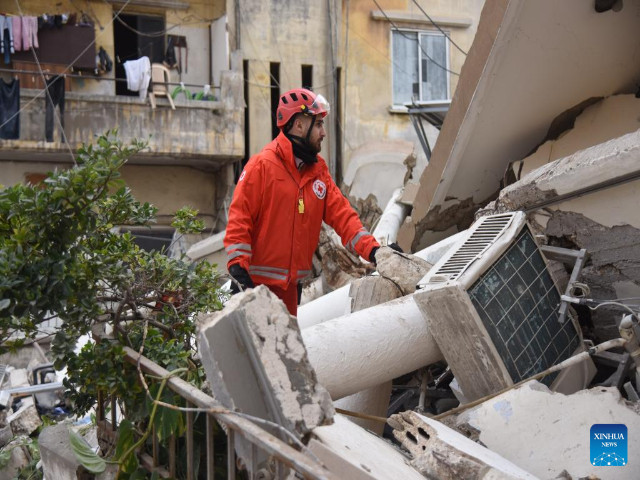
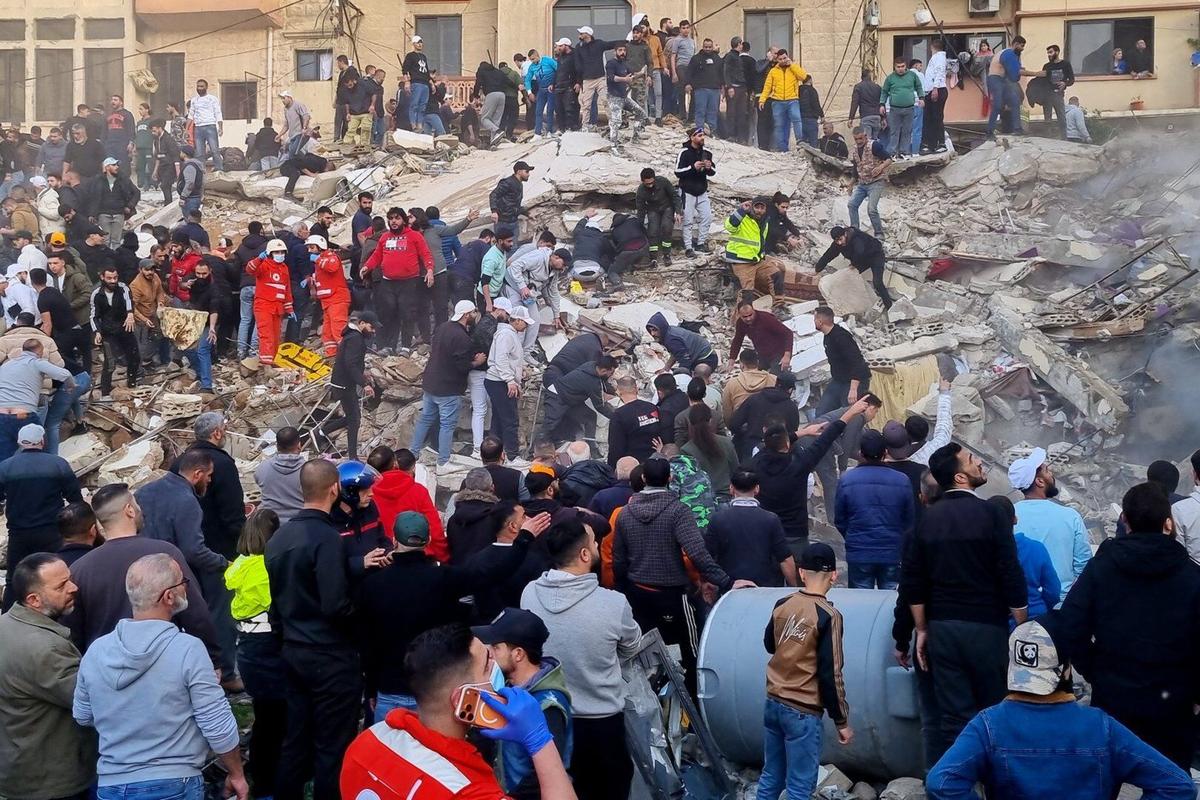
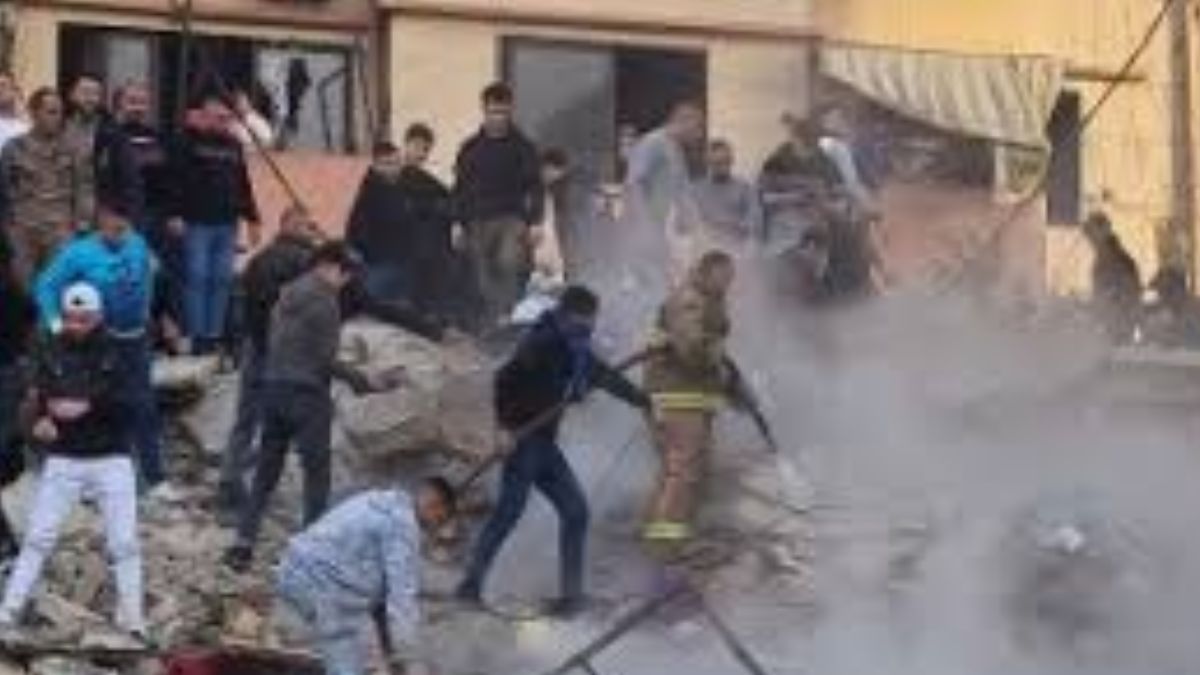
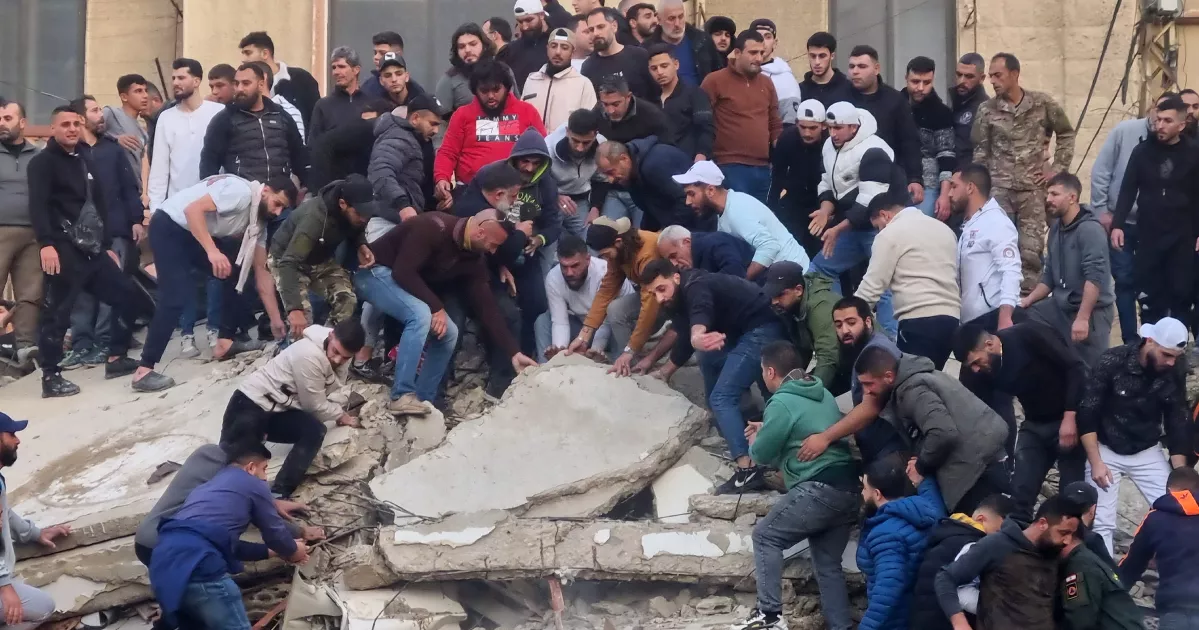
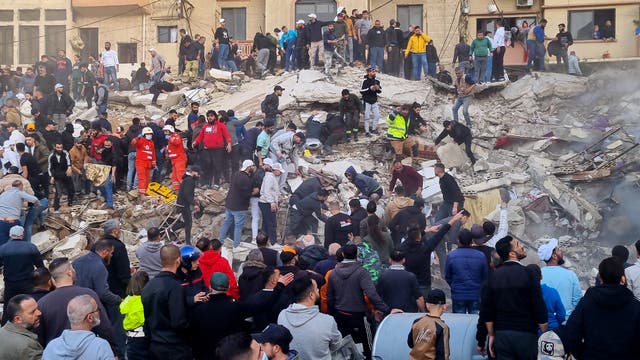
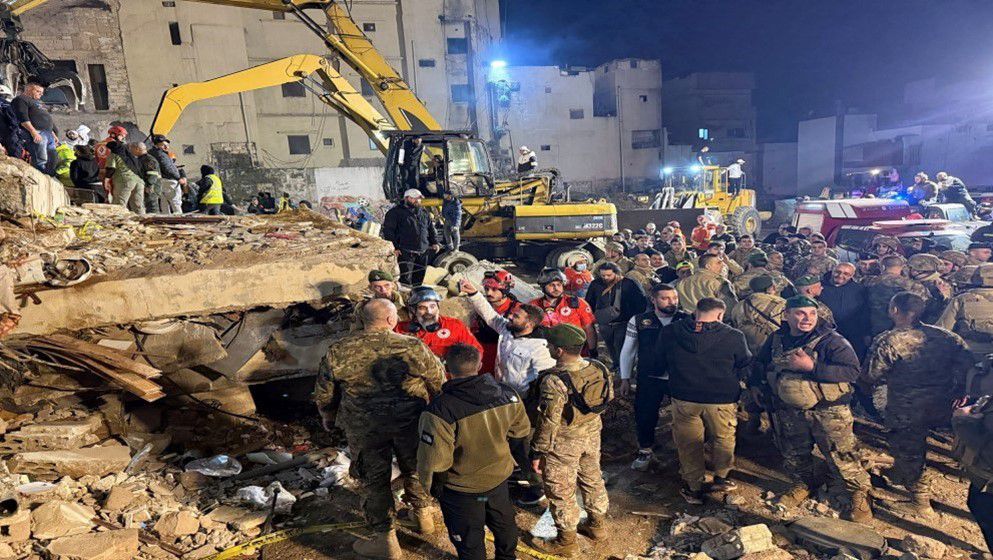
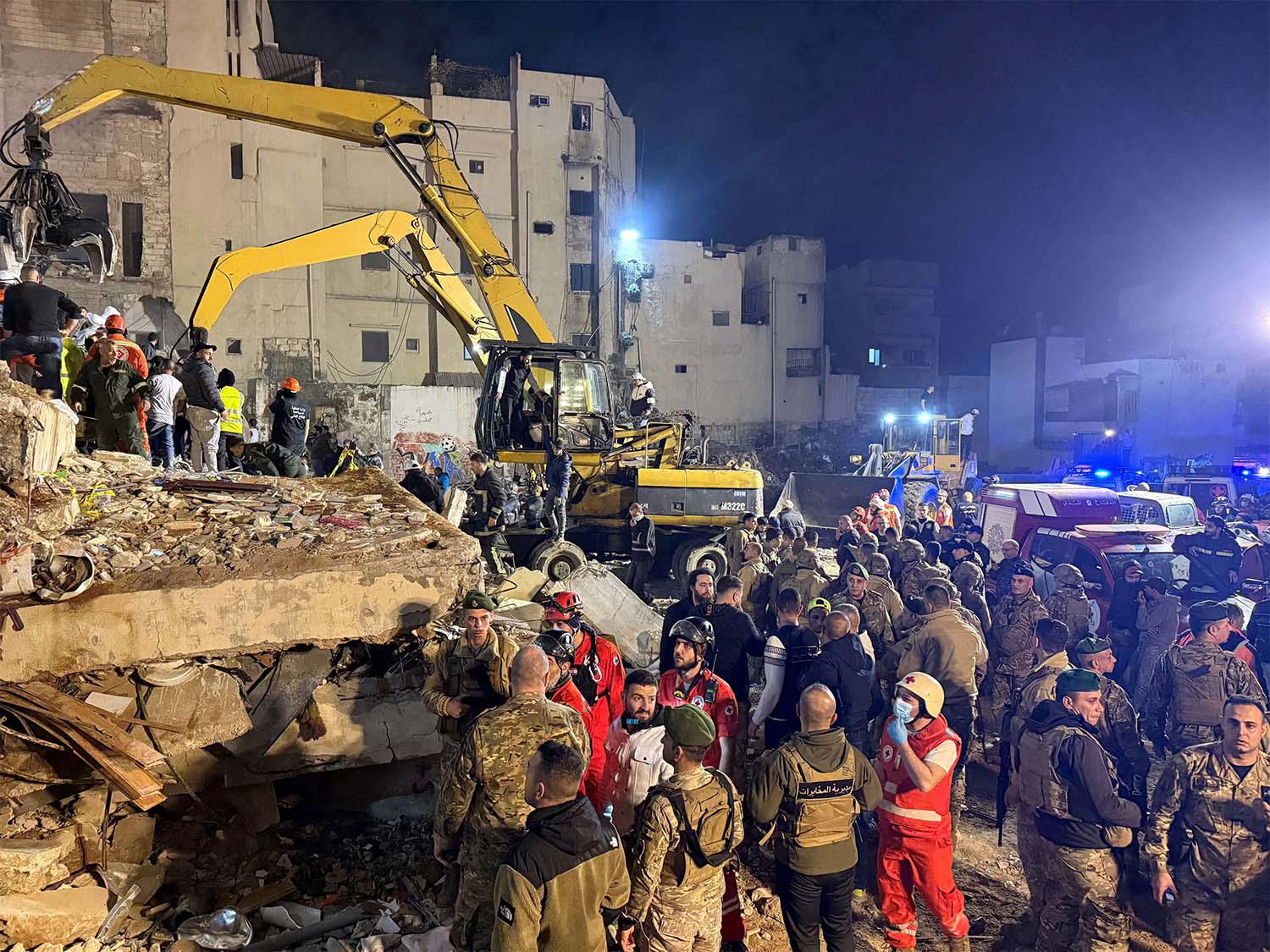
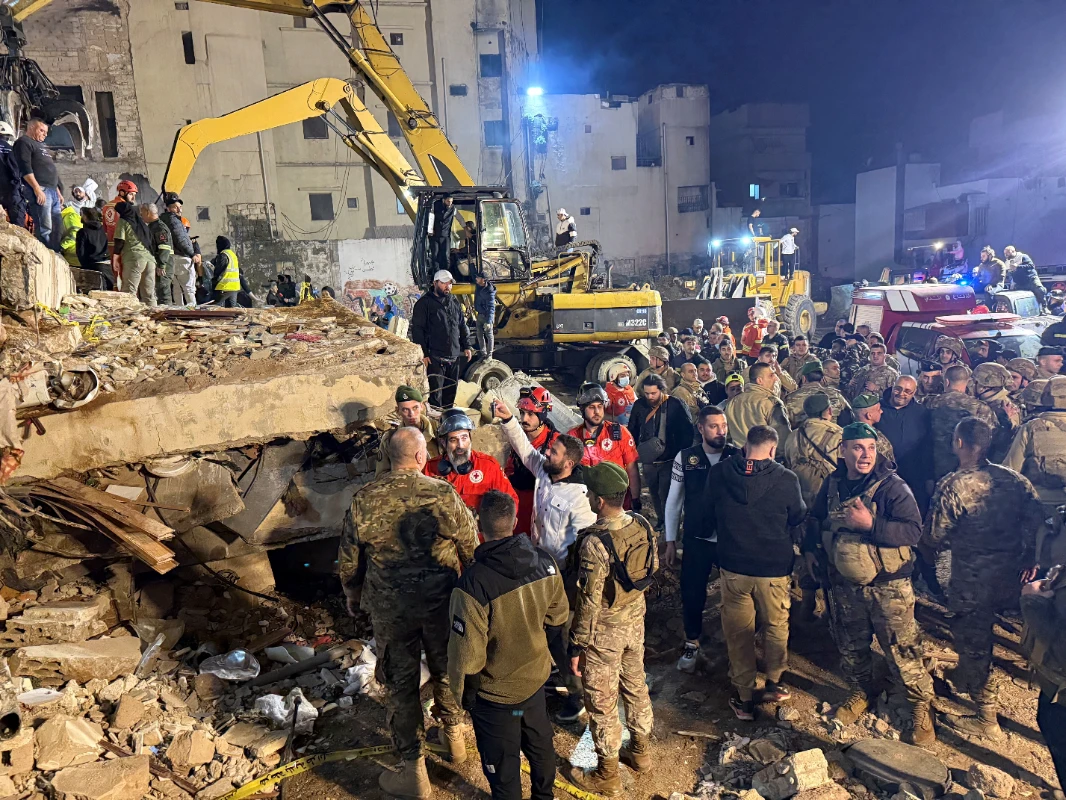
The catastrophic building collapse in Tripoli, Lebanon on February 8-9, 2026, resulting in 15 deaths and multiple injuries, represents a critical infrastructure crisis with direct implications for cross-border e-commerce sellers operating in or shipping to the Middle East region. The incident involved two adjoining residential buildings in the impoverished Bab Tabbaneh neighborhood, with civil defense operations recovering 14 bodies and rescuing 8 survivors. Critically, the Higher Relief Authority identified 105 buildings in Tripoli requiring immediate evacuation notices, with this collapse marking the fifth residential building failure during winter—indicating systemic structural failures rather than isolated incidents.
Infrastructure Risk Assessment for Sellers: The collapse exposes fundamental vulnerabilities in Lebanon's building standards, regulatory enforcement, and maintenance oversight. Many structures were built illegally during Lebanon's 1975-1990 civil war, while others contain unauthorized floor additions without permits. This pattern directly threatens any e-commerce infrastructure in the region: fulfillment centers, warehouses, and 3PL facilities operating in Tripoli or surrounding areas face elevated structural risk. Sellers maintaining inventory in Lebanon-based logistics hubs should immediately conduct safety audits of facility compliance with international building codes. The government's response—housing allowances announced by Prime Minister Nawaf Salam—addresses residential displacement but does not resolve underlying infrastructure deficiencies that could impact commercial operations.
Economic Destabilization and Consumer Demand: The humanitarian catastrophe reflects decades of government neglect post-civil war, creating broader economic instability that reduces consumer purchasing power in Lebanon. The region's economic crisis directly impacts cross-border sellers' addressable market: Lebanese consumers face reduced discretionary spending, lower import demand, and currency volatility affecting payment processing. Sellers should expect 15-25% demand contraction in Lebanon-focused product categories during the recovery period. Additionally, the infrastructure crisis may trigger capital controls or payment processing delays as the government redirects resources to reconstruction efforts.
Logistics Network Disruption: The evacuation of surrounding buildings and ongoing structural investigations create immediate logistics challenges. Shipping routes through Tripoli may face temporary delays; customs clearance at Beirut port could experience congestion if warehousing capacity is reduced. Sellers relying on Lebanese distribution hubs for regional Middle East operations should diversify logistics partners and consider temporary rerouting through alternative ports (Dubai, Amman) to maintain supply chain continuity. The incident demonstrates that infrastructure risk in emerging markets requires proactive mitigation strategies beyond standard 3PL contracts.
Questions 8
How does the Lebanon building collapse affect sellers shipping to Middle East markets?
The Tripoli collapse and identification of 105+ unsafe buildings creates immediate logistics risks for sellers using Lebanese distribution hubs or shipping through Beirut port. The infrastructure crisis may cause 5-10 day delays in customs clearance and warehouse operations as authorities conduct safety inspections. Sellers should diversify routing through alternative Middle East ports (Dubai, Amman) and verify 3PL facility compliance with international building codes. The incident signals elevated operational risk in Lebanon-based logistics networks, requiring sellers to implement contingency plans and potentially shift 20-30% of regional inventory to more stable hubs within 30-60 days.
What is the economic impact on consumer demand in Lebanon for cross-border sellers?
Lebanon's ongoing economic crisis, exacerbated by the infrastructure collapse, reduces consumer purchasing power by an estimated 15-25% during recovery periods. The government's housing allowance program diverts resources from economic stimulus, limiting discretionary spending on imported goods. Sellers targeting Lebanese consumers should expect reduced order volumes, longer payment processing times due to currency volatility, and potential payment failures from Lebanese payment processors. Consider temporarily reducing PPC spend targeting Lebanon and reallocating budget to more stable regional markets (UAE, Saudi Arabia, Egypt) where consumer demand remains stronger.