
The Twilight of a Sports Legend: Travis Kelce's Crossroads of Performance and Potential Retirement
- Navigating Career Transitions in Professional Sports at the Intersection of Personal Legacy and Team Dynamics













.jpg?w=3800&h=2000)








Overview
In the high-stakes world of professional sports, Travis Kelce's potential retirement represents more than a personal milestone—it's a profound narrative of athletic evolution, strategic resilience, and the delicate balance between individual brilliance and team sustainability.
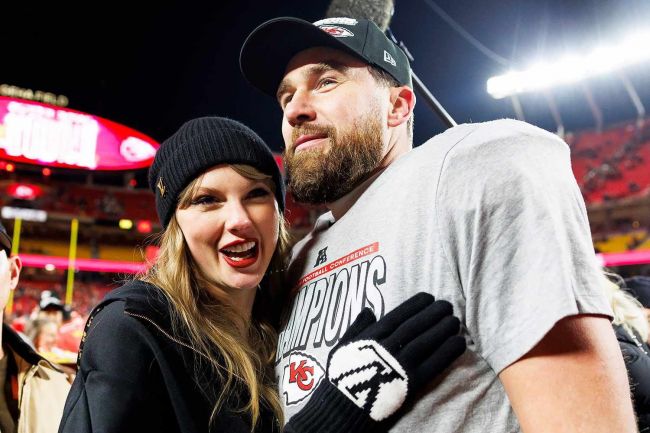
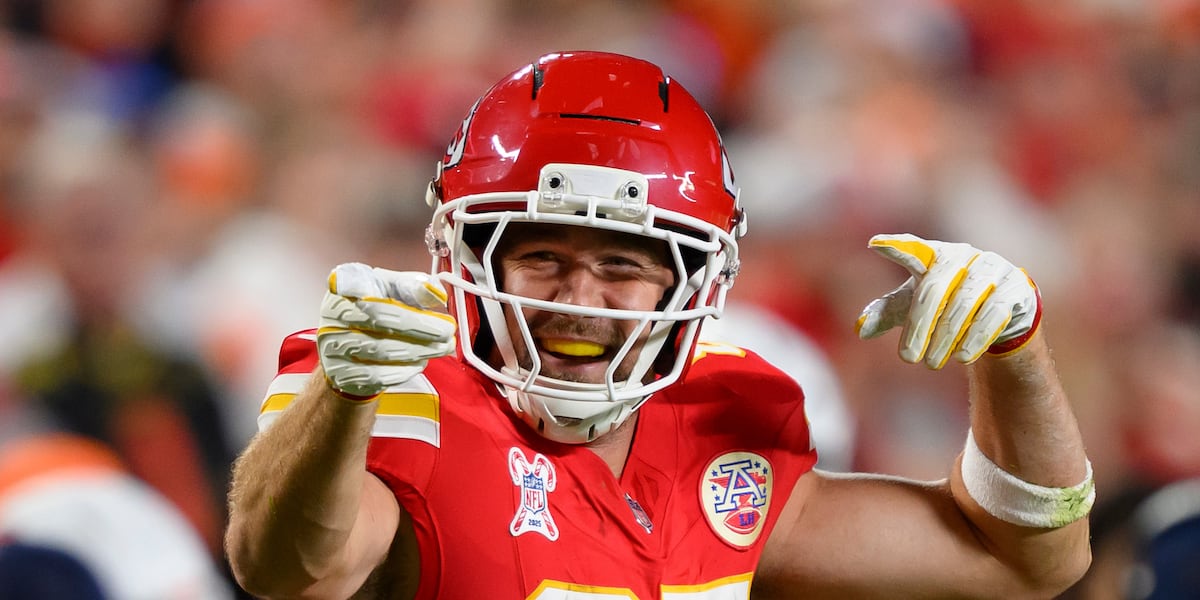
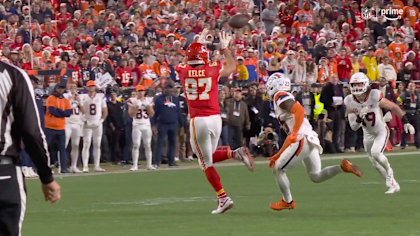
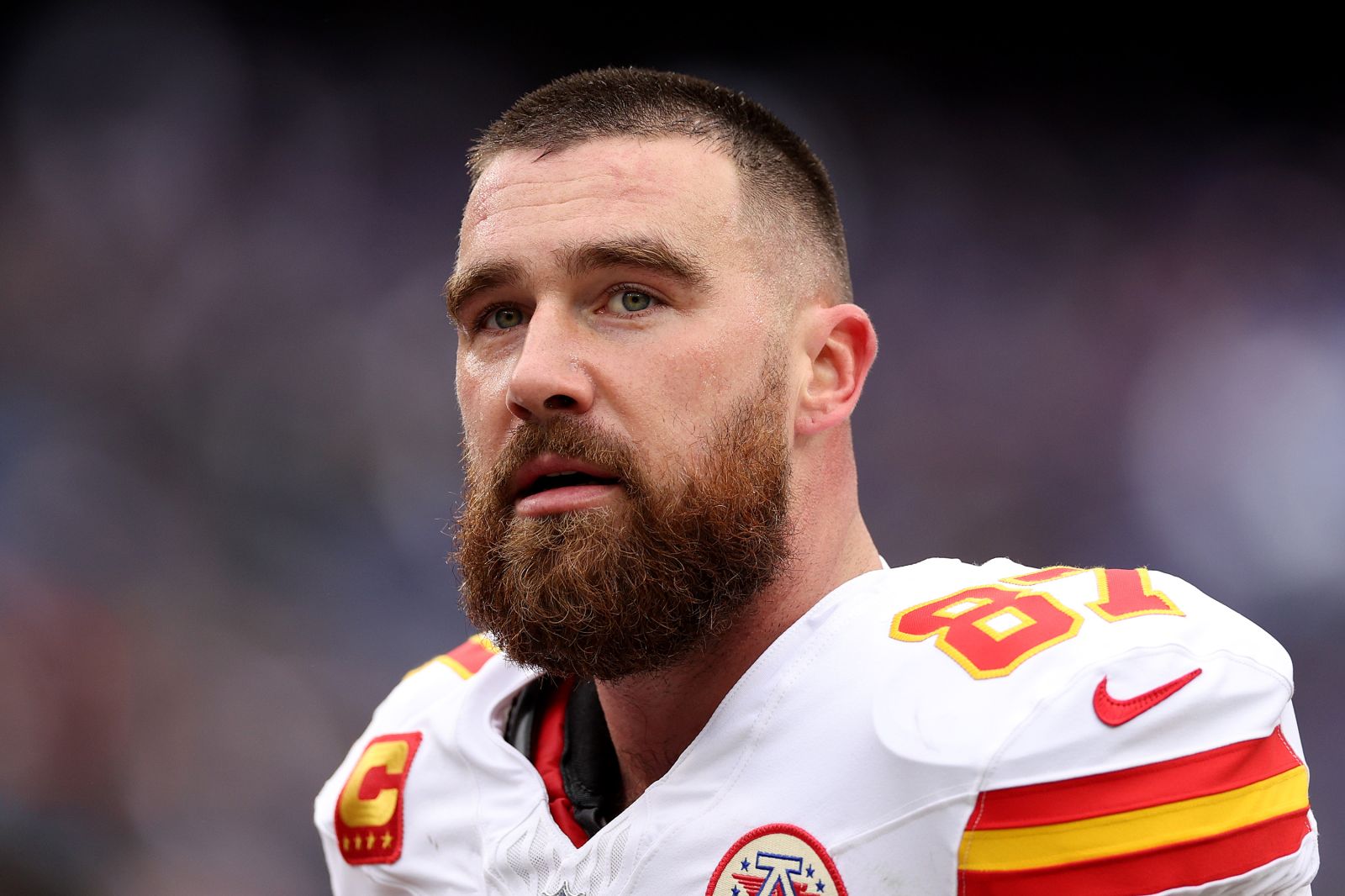
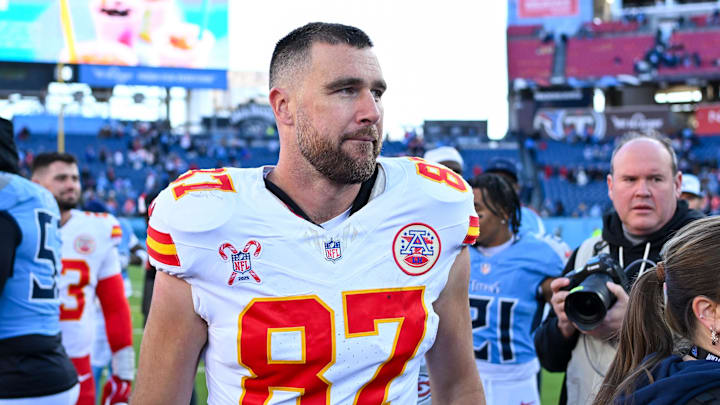
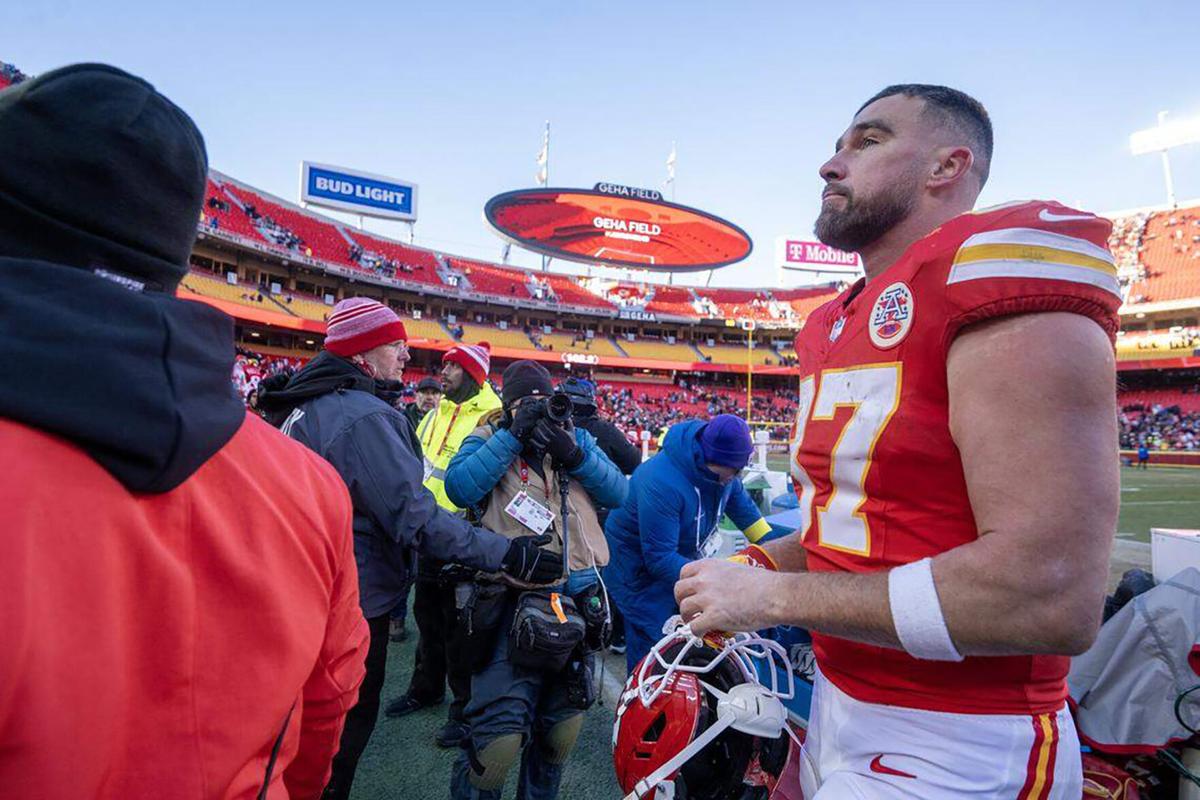
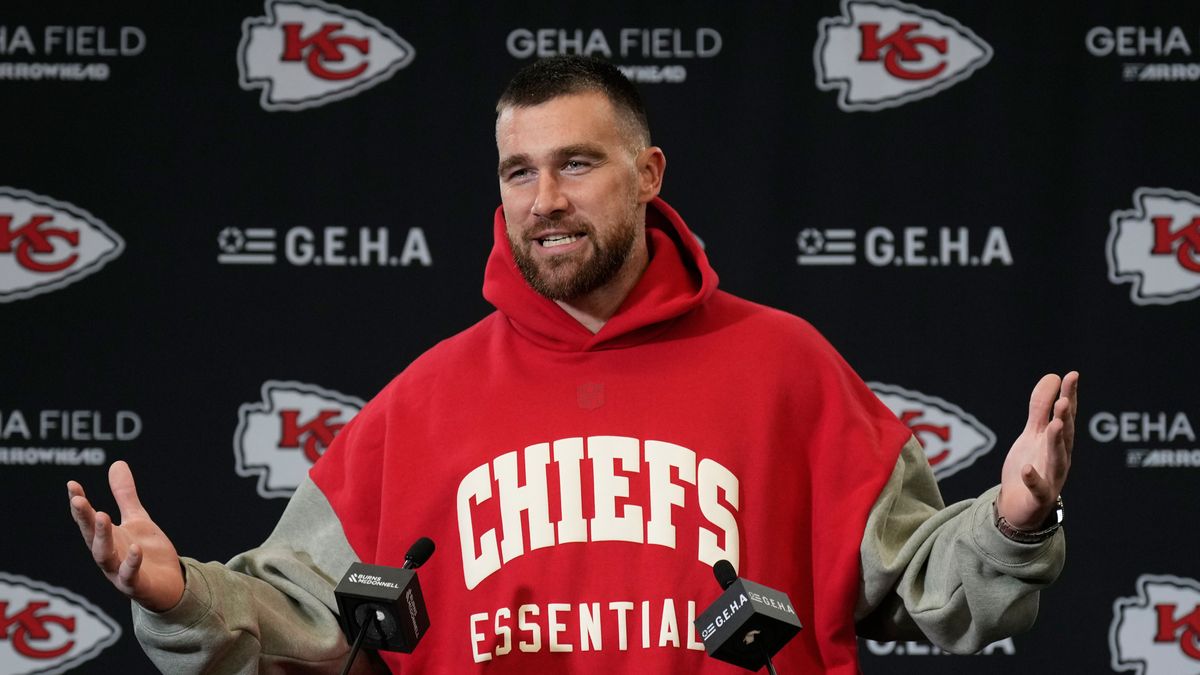
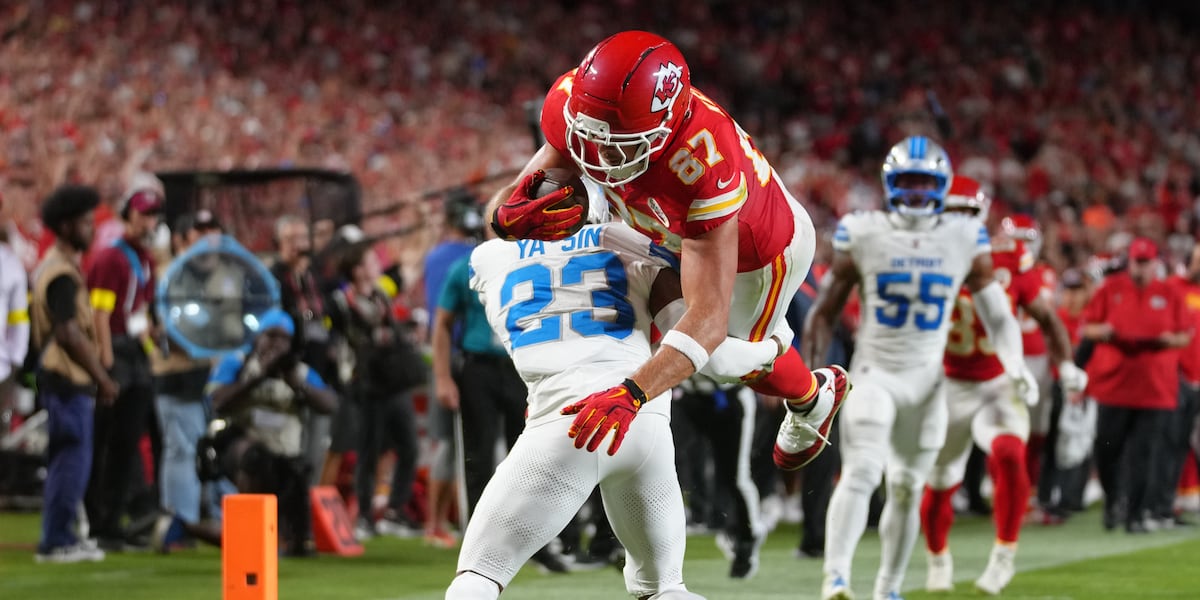
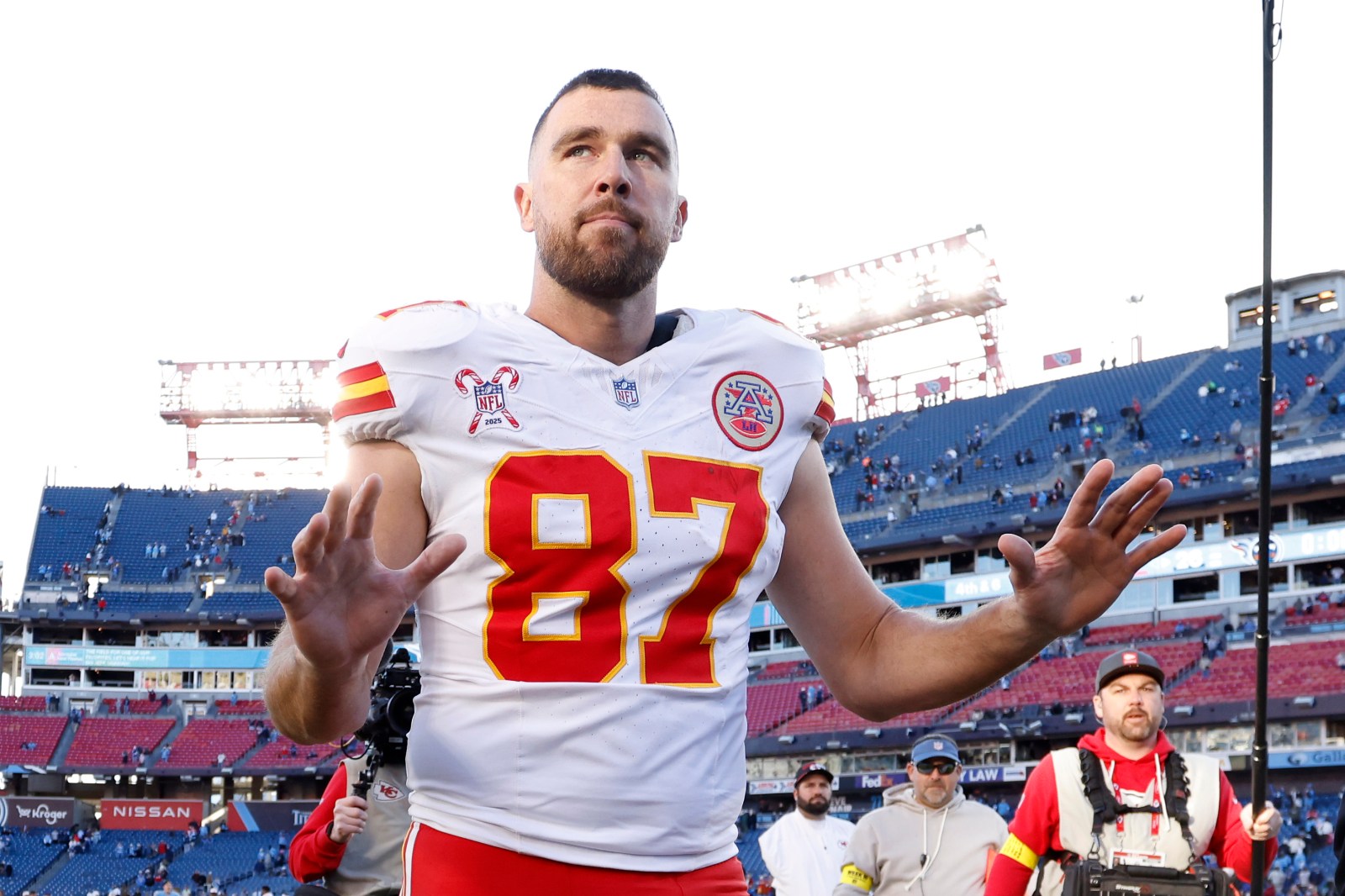
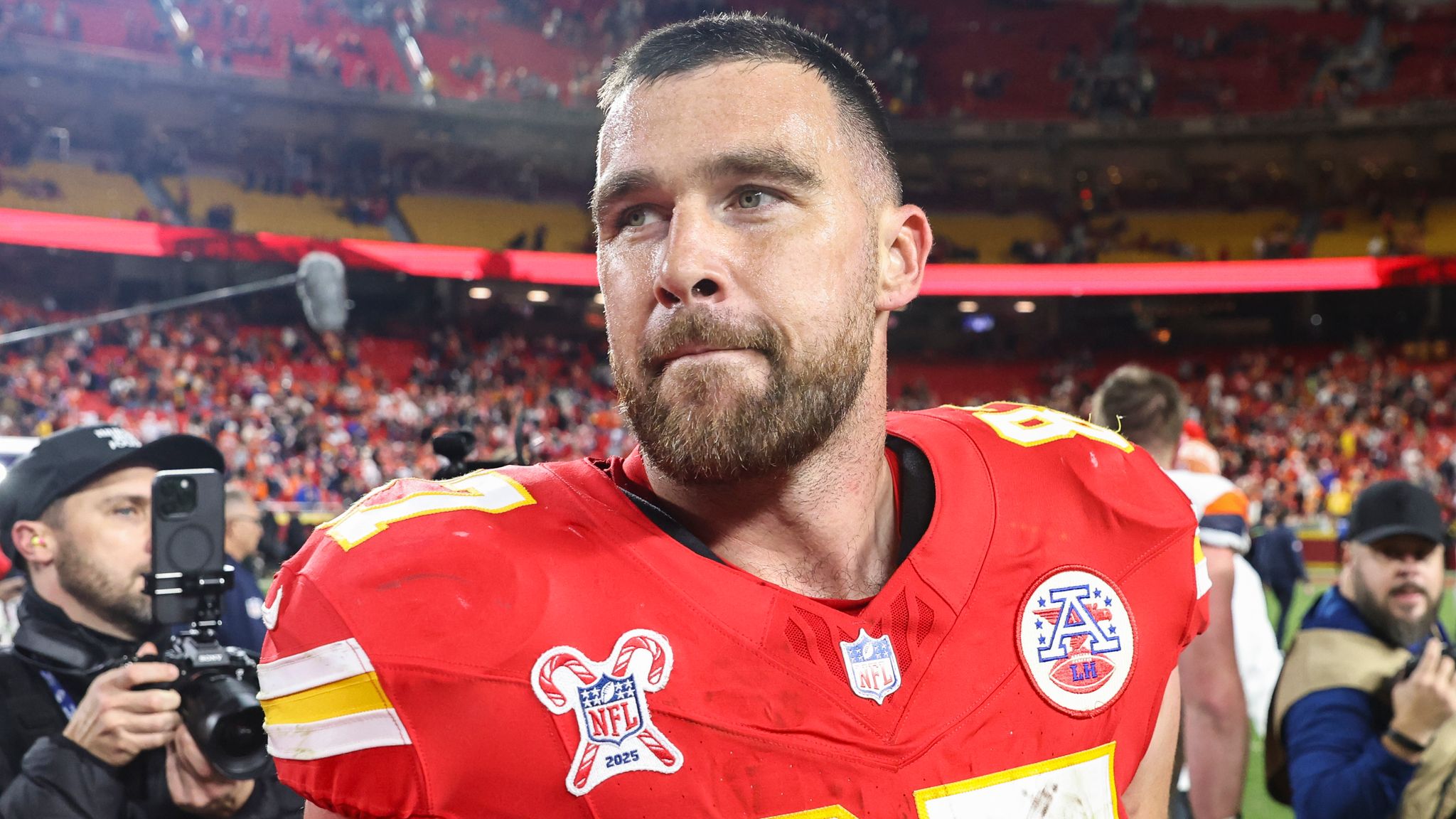
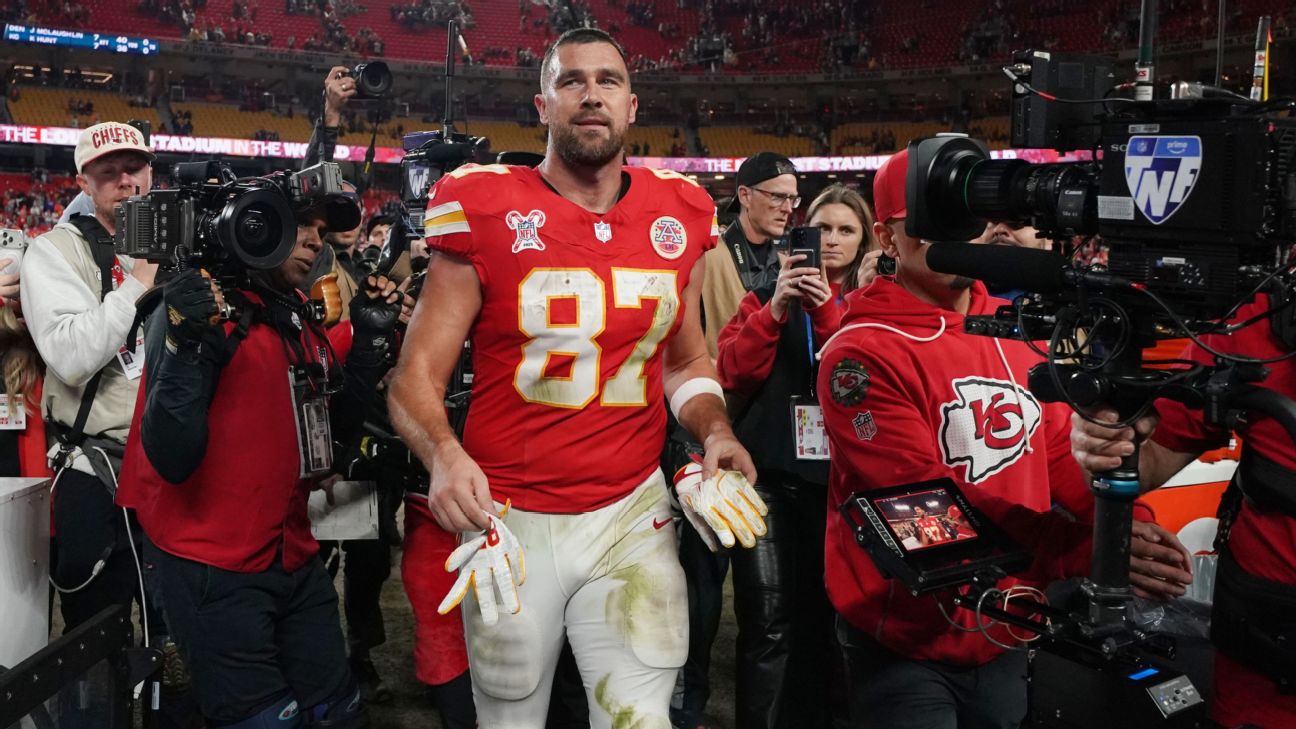
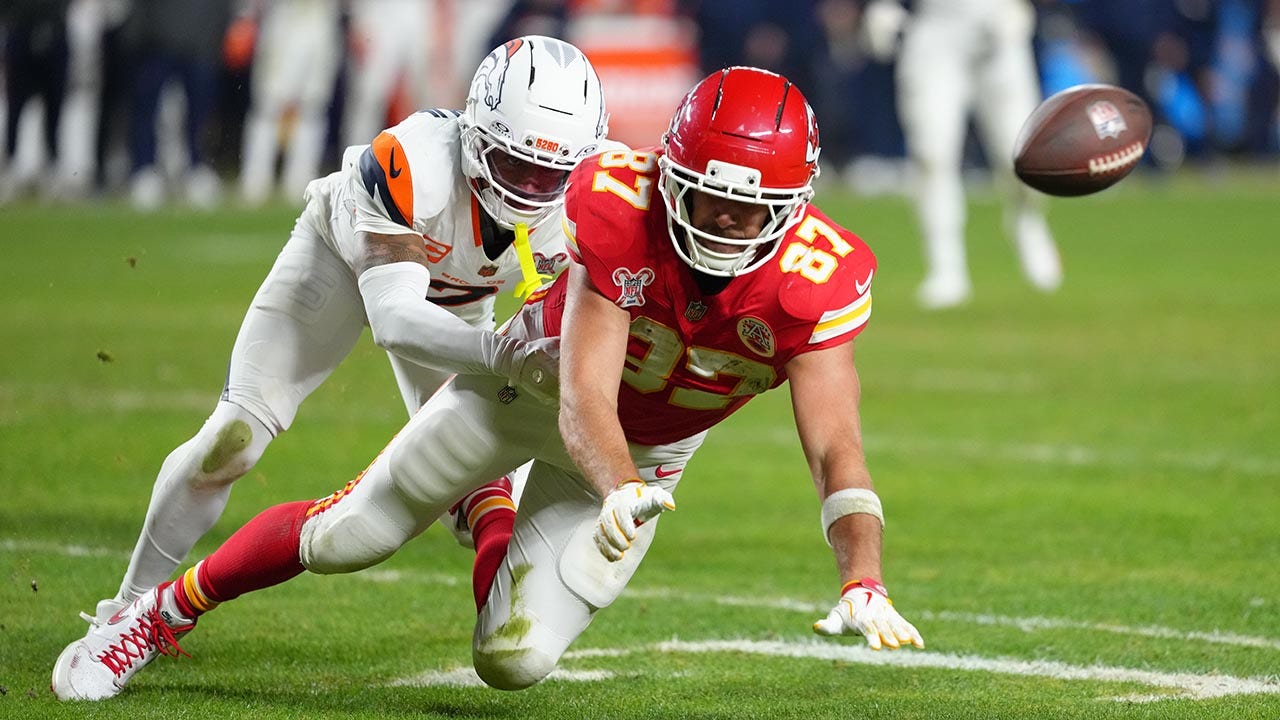
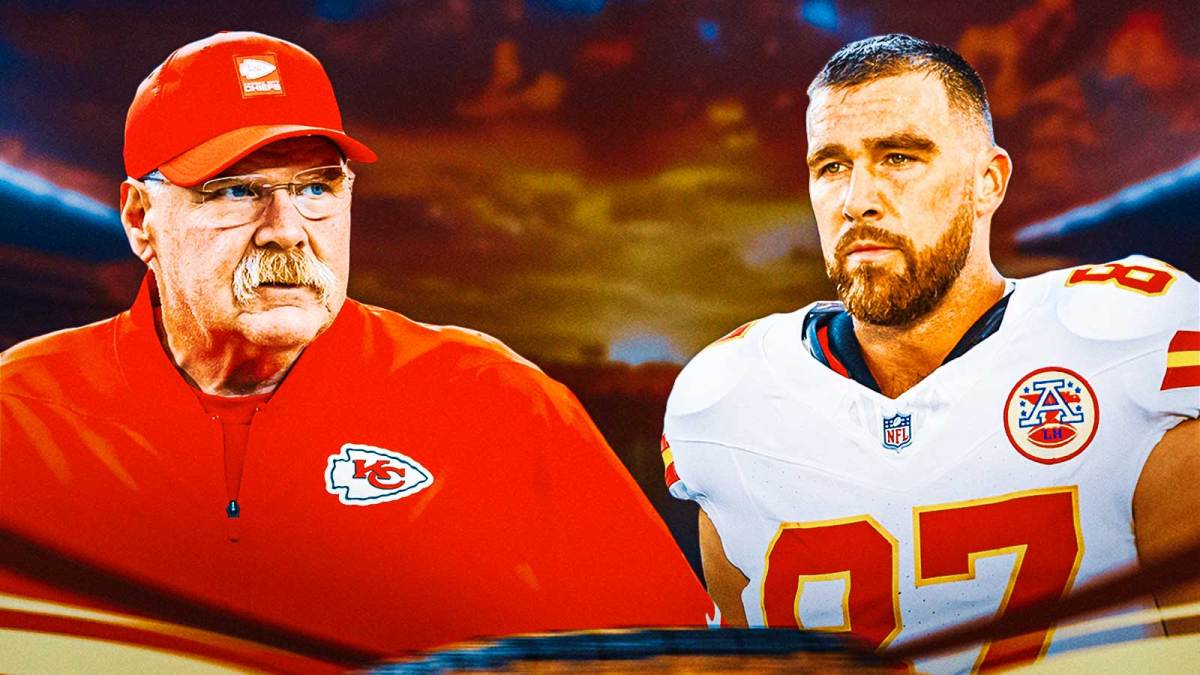
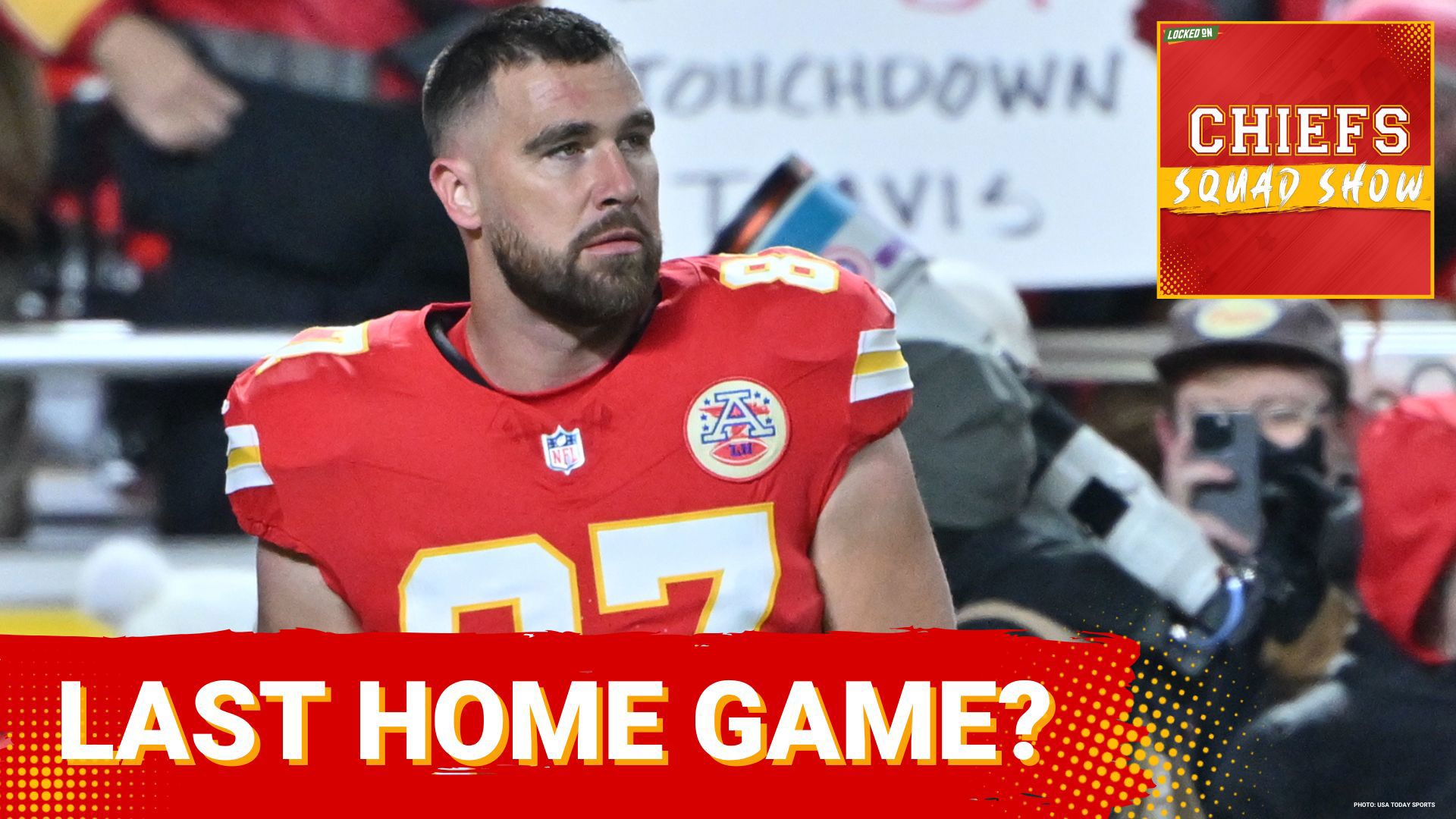
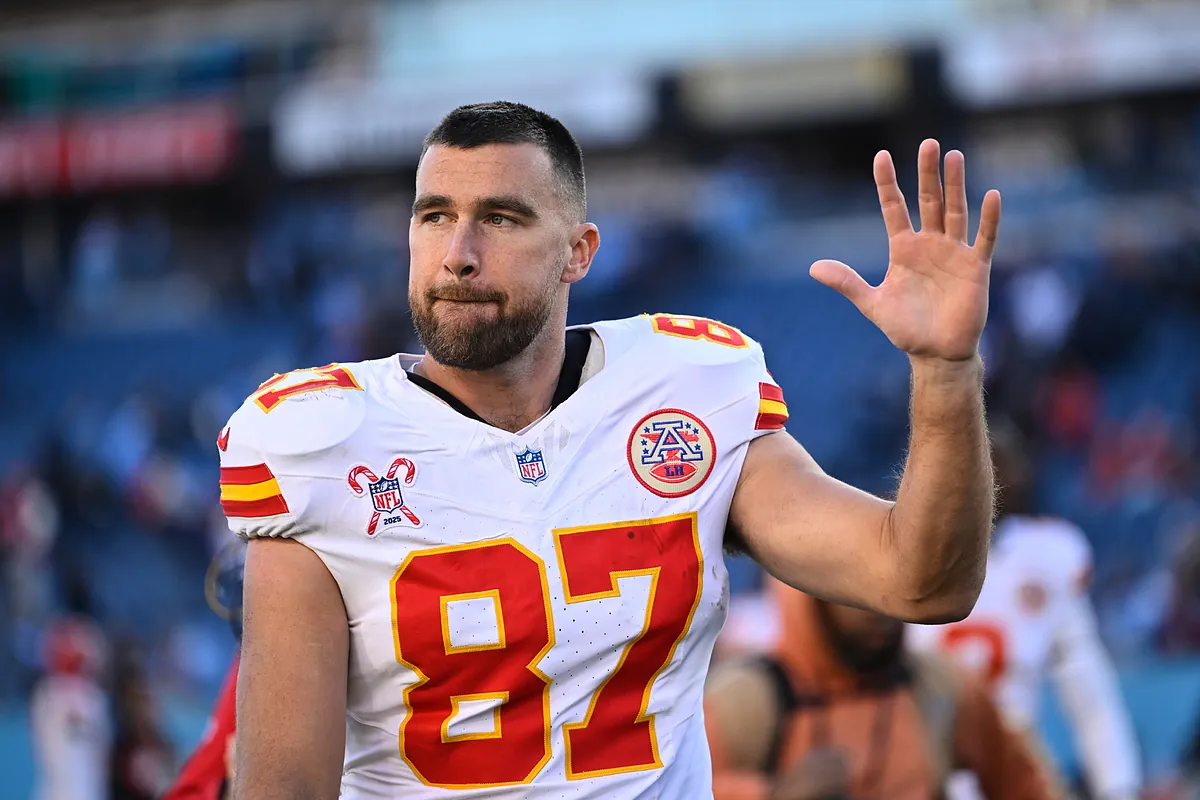
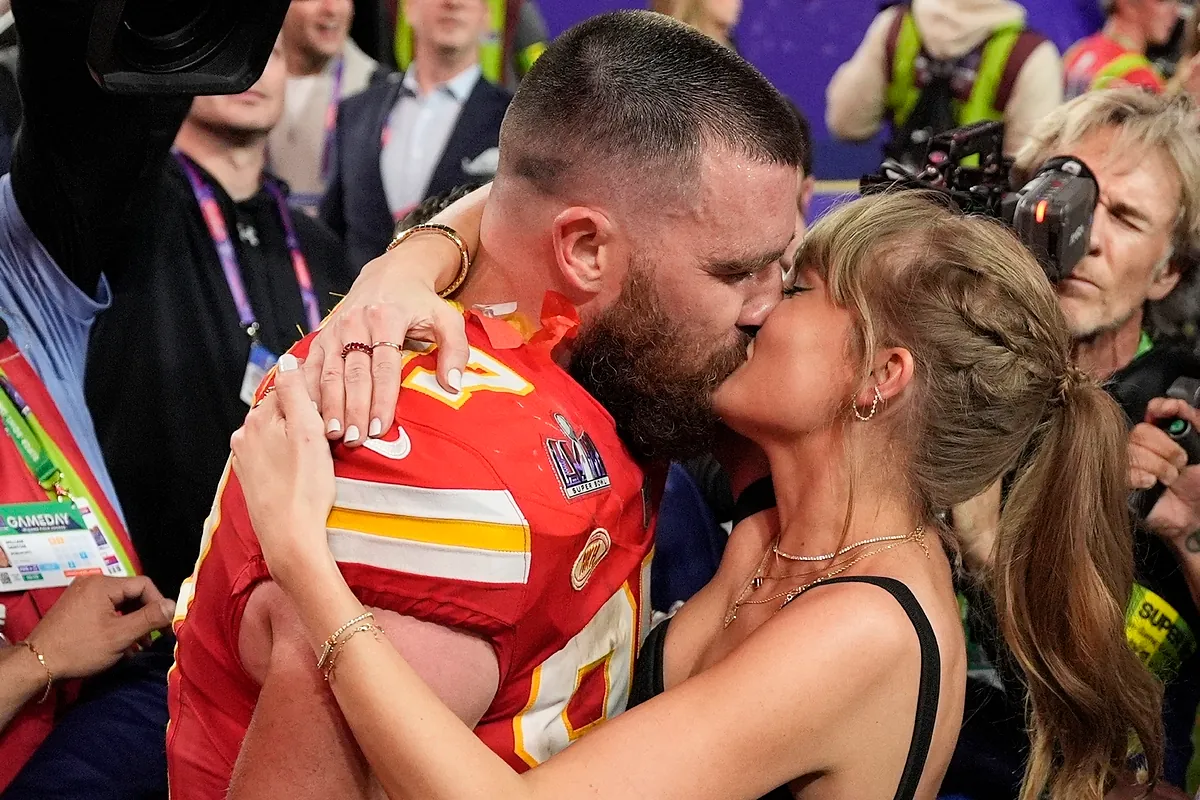
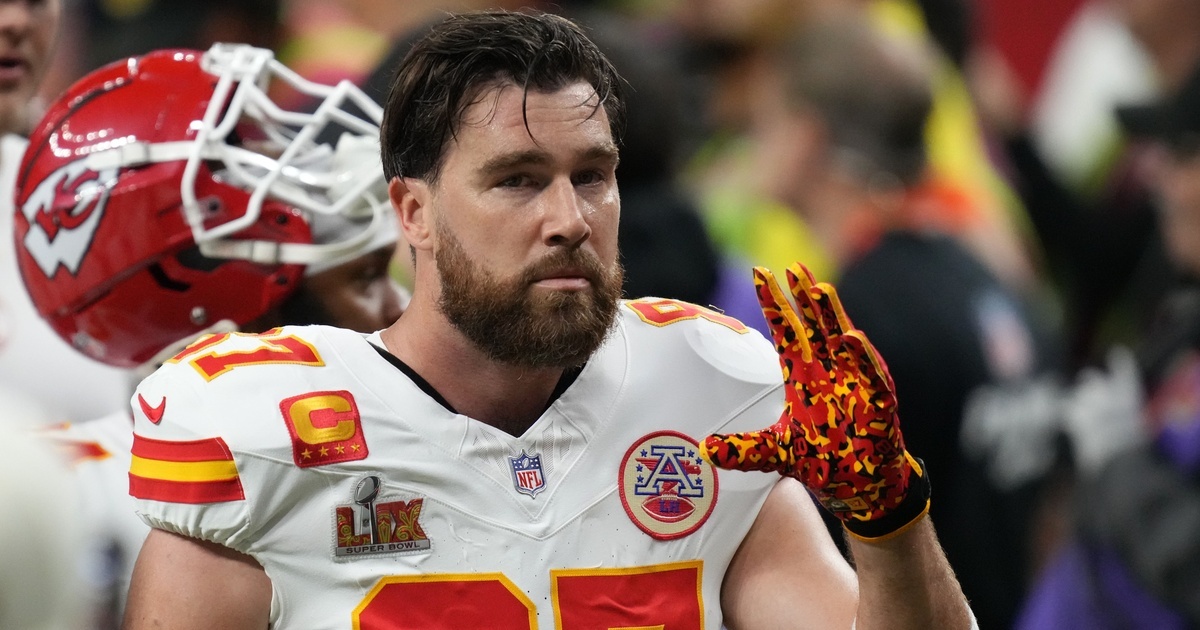
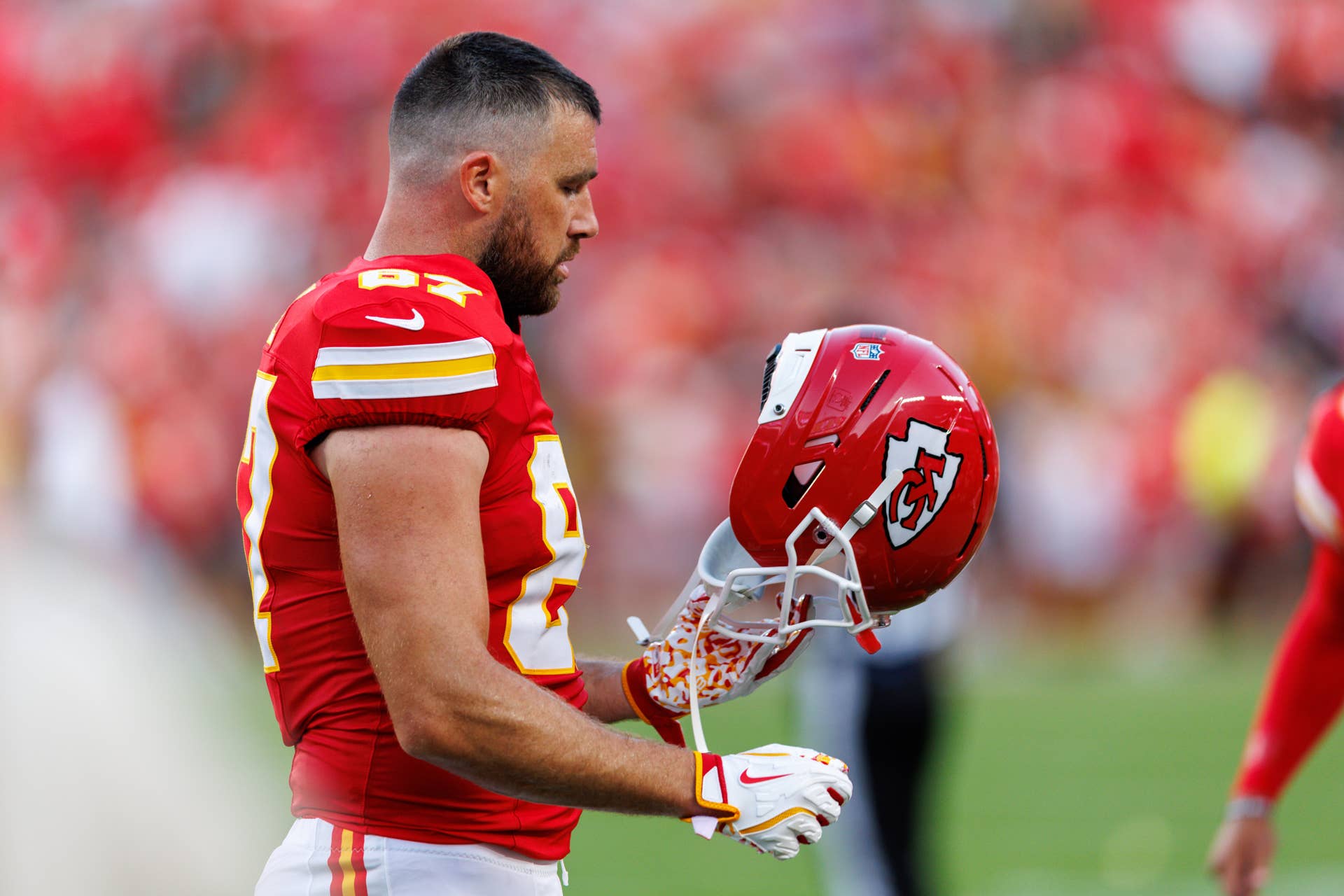
At 36, Kelce stands at a critical inflection point that transcends typical career transitions. His recent performance at Arrowhead Stadium during the Christmas night game against the Denver Broncos encapsulates a complex professional landscape. Despite the Chiefs losing 20-13, Kelce remains the team's season leader in catches and yards, demonstrating remarkable athletic persistence that defies conventional age-related expectations.
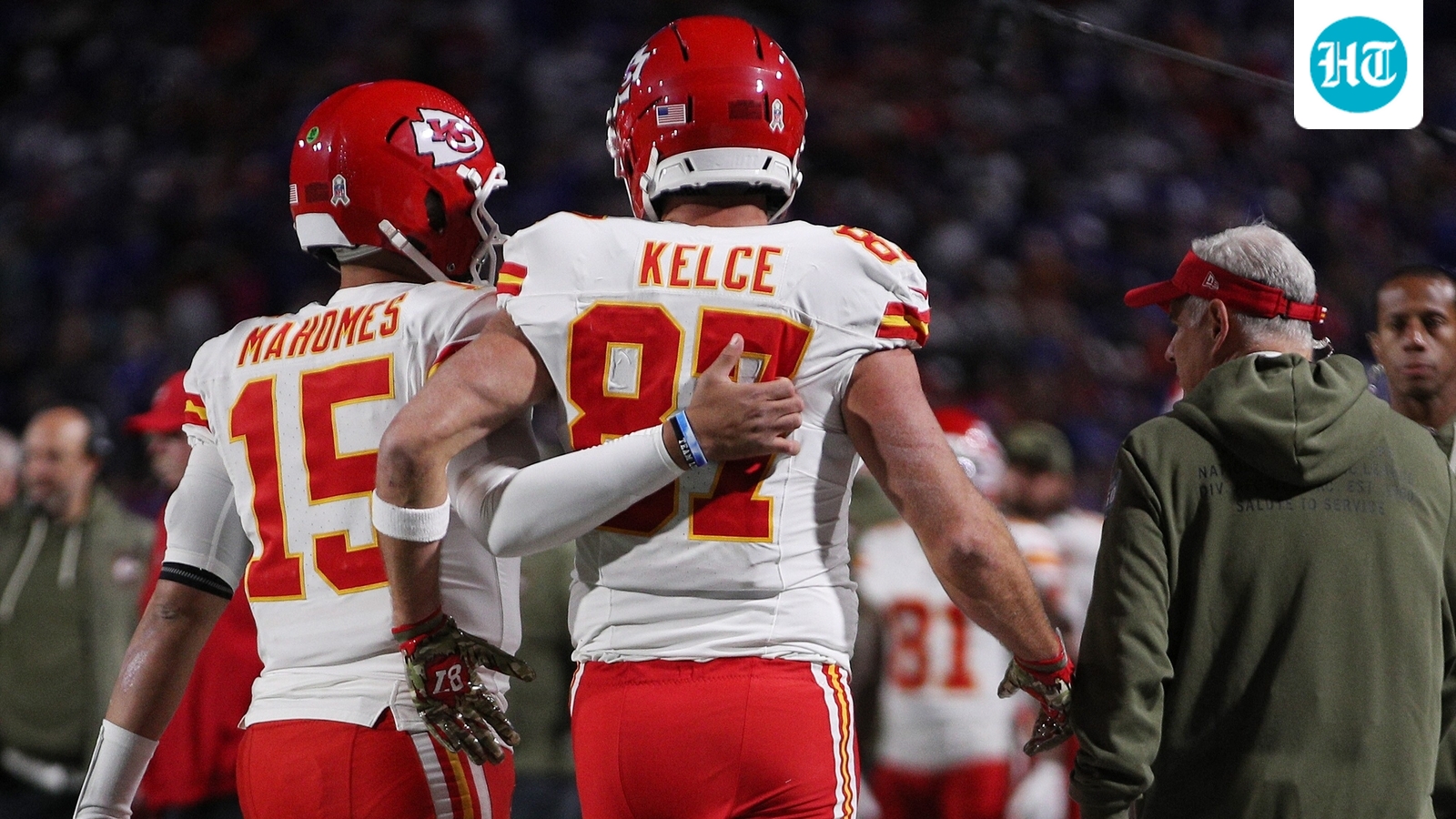
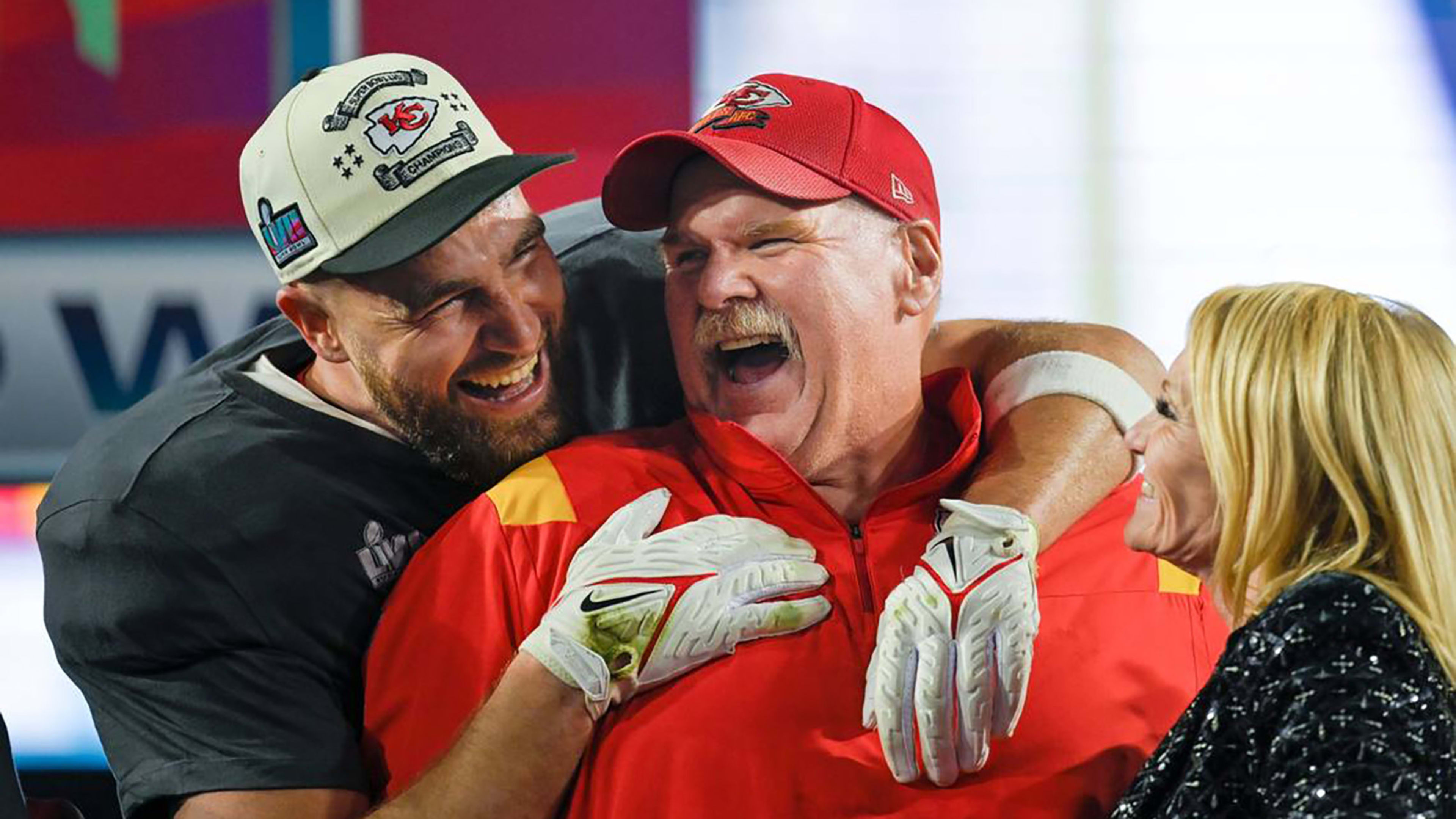
The underlying dynamics reveal a nuanced story of organizational adaptation. With young receivers like Rashee Rice and Xavier Worthy struggling to consistently fill performance gaps, Kelce's potential departure represents a significant strategic challenge for the Kansas City Chiefs. His near 13,000 receiving yards, three championship rings, and five Super Bowl appearances aren't just personal achievements—they're a blueprint of professional excellence that cannot be simply replaced.
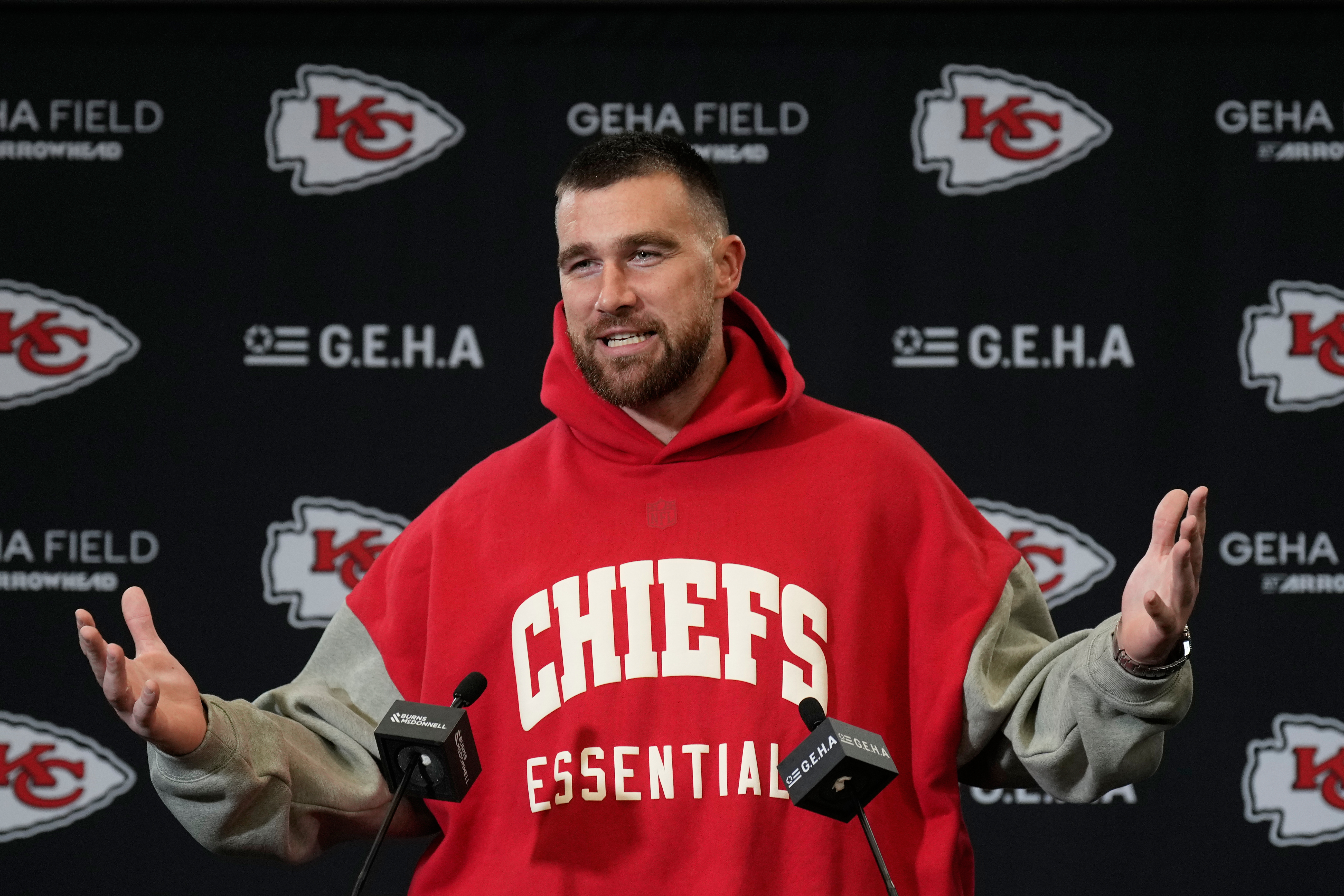
Kelce's contemplative approach to retirement—deferring decisions and consulting with family, friends, and the organization—highlights a sophisticated model of career management. This isn't just about athletic performance, but about strategic personal branding and understanding one's evolving role within a complex ecosystem.
The broader context suggests a generational transition in professional sports, where veteran players must continuously recalibrate their competitive capabilities. Kelce's journey symbolizes a critical moment of professional reinvention, balancing personal legacy with organizational needs, and demonstrating that true athletic value extends far beyond statistical performance.
Questions 3
How might Kelce's potential retirement impact the Kansas City Chiefs?
The Chiefs face significant strategic uncertainties without Kelce. Young receivers like Rashee Rice and Xavier Worthy have not consistently filled his performance gap, suggesting potential operational challenges in offensive strategy and team cohesion.
What factors are influencing Travis Kelce's potential retirement decision?
Kelce's retirement considerations involve multiple dimensions: his personal performance (still leading in catches and yards), team dynamics (Chiefs' strategic challenges), and organizational relationships. His approach demonstrates a holistic evaluation of athletic career progression, balancing individual capabilities with team needs.