

Trump-Zelenskiy Peace Summit: A Diplomatic Gambit Reshaping Eastern European Geopolitics
- Unprecedented Mar-a-Lago Negotiations Signal Potential Breakthrough in Ukraine Conflict Resolution




























Overview
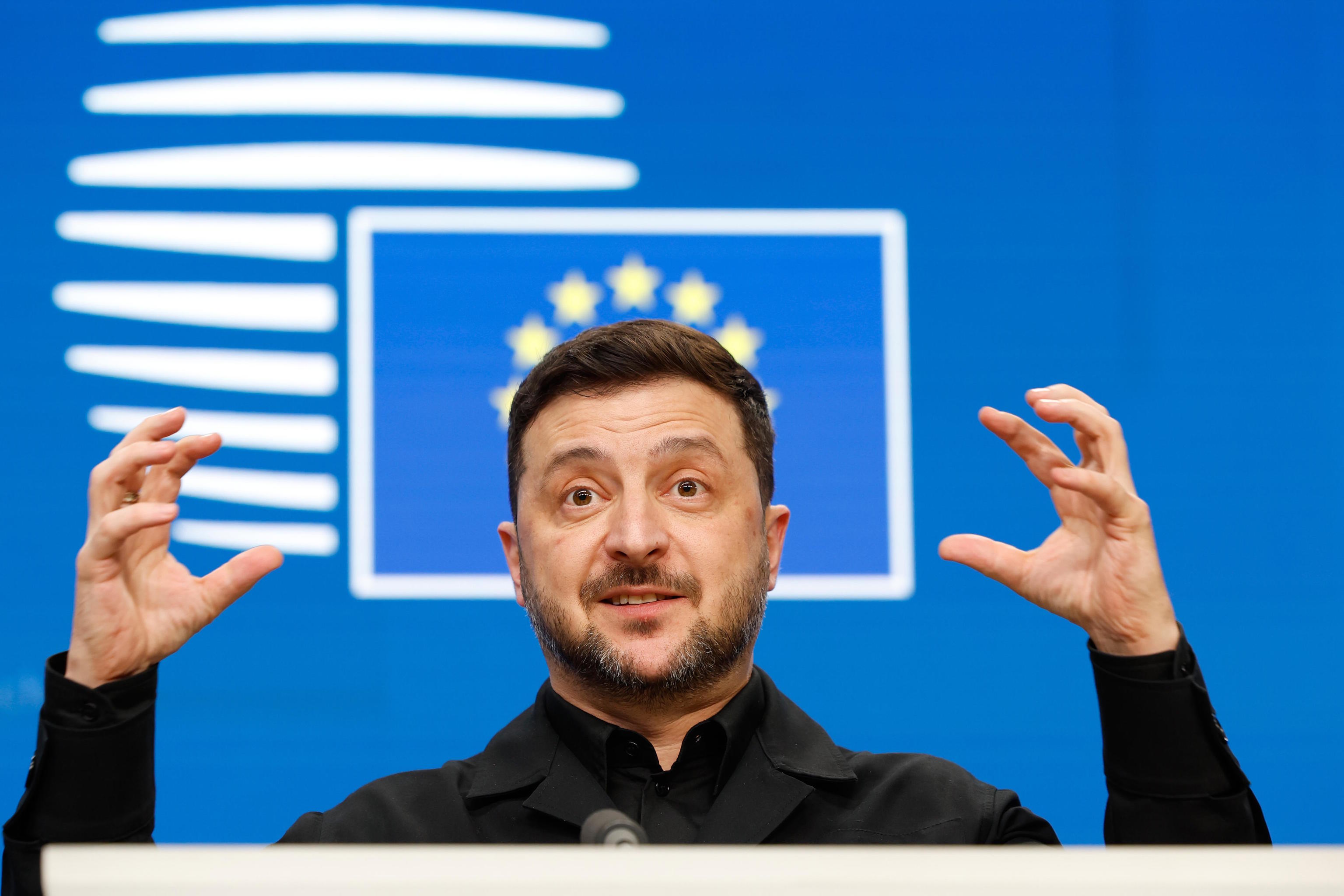
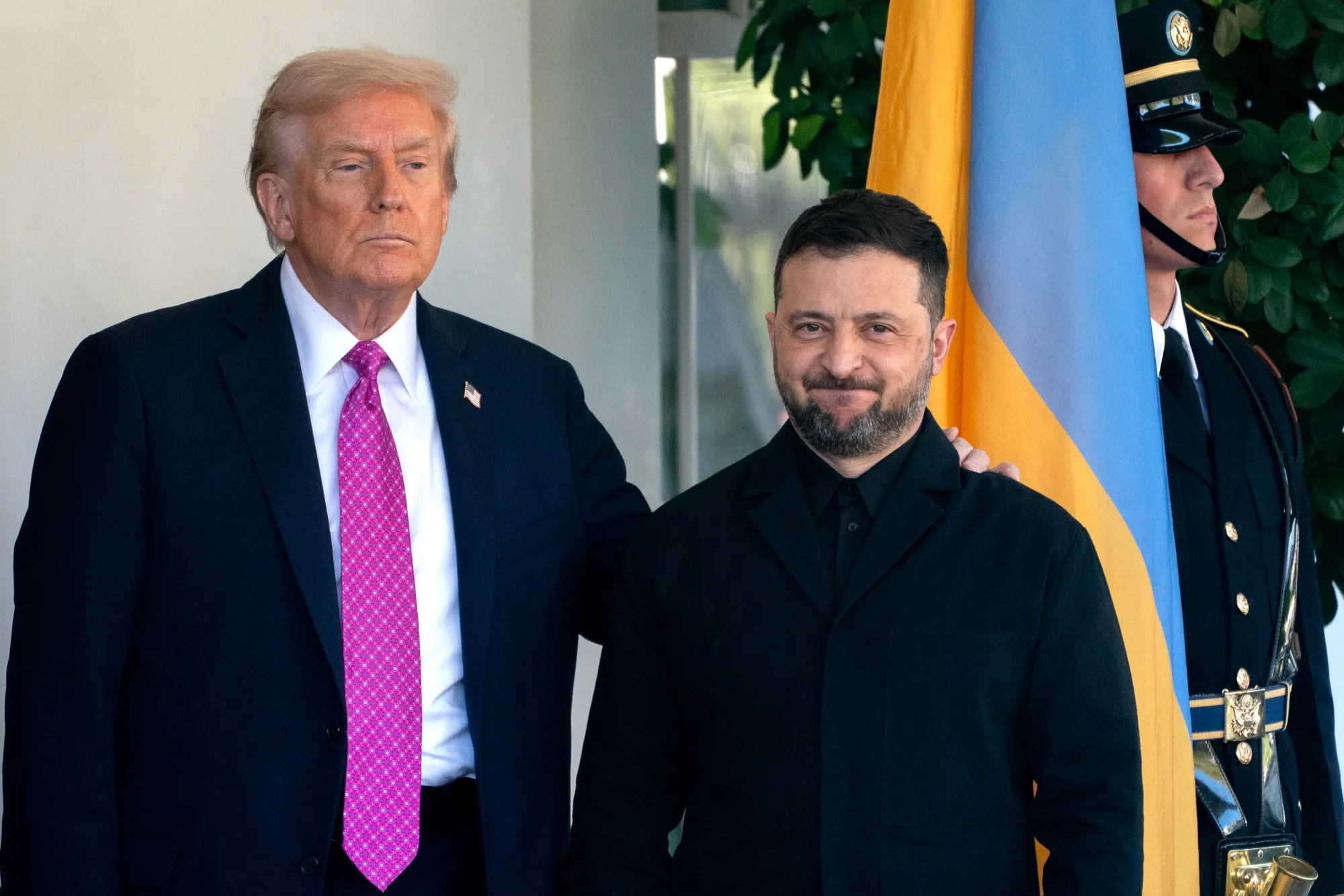
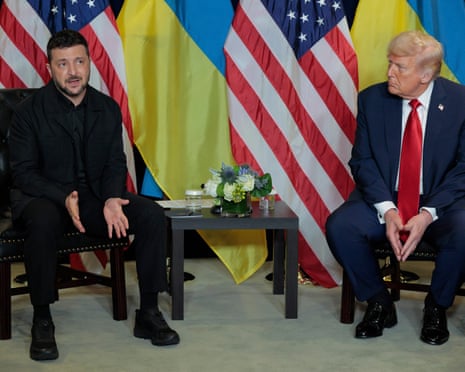
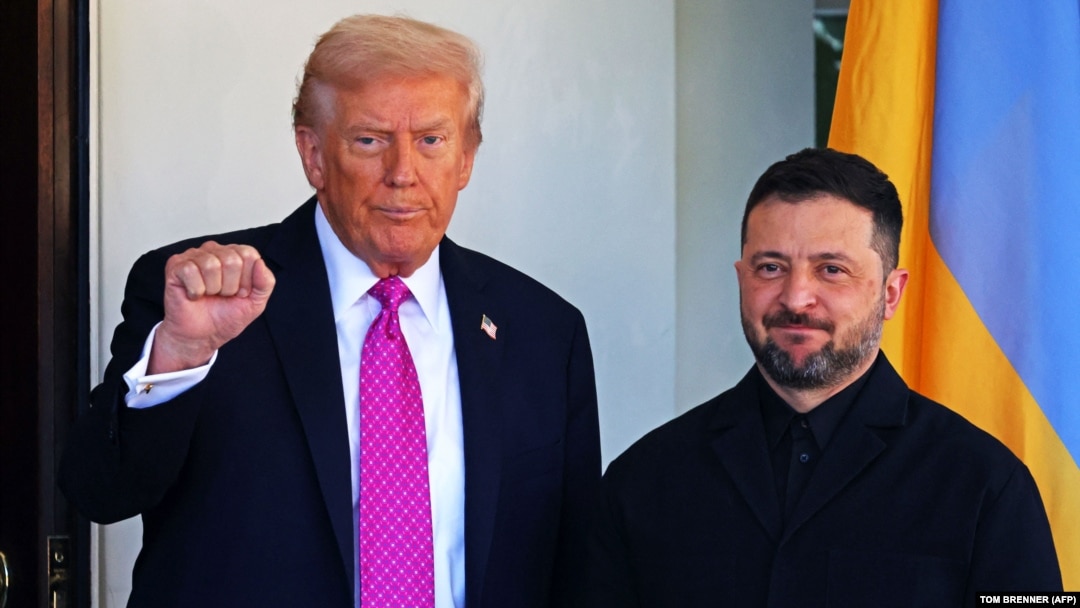
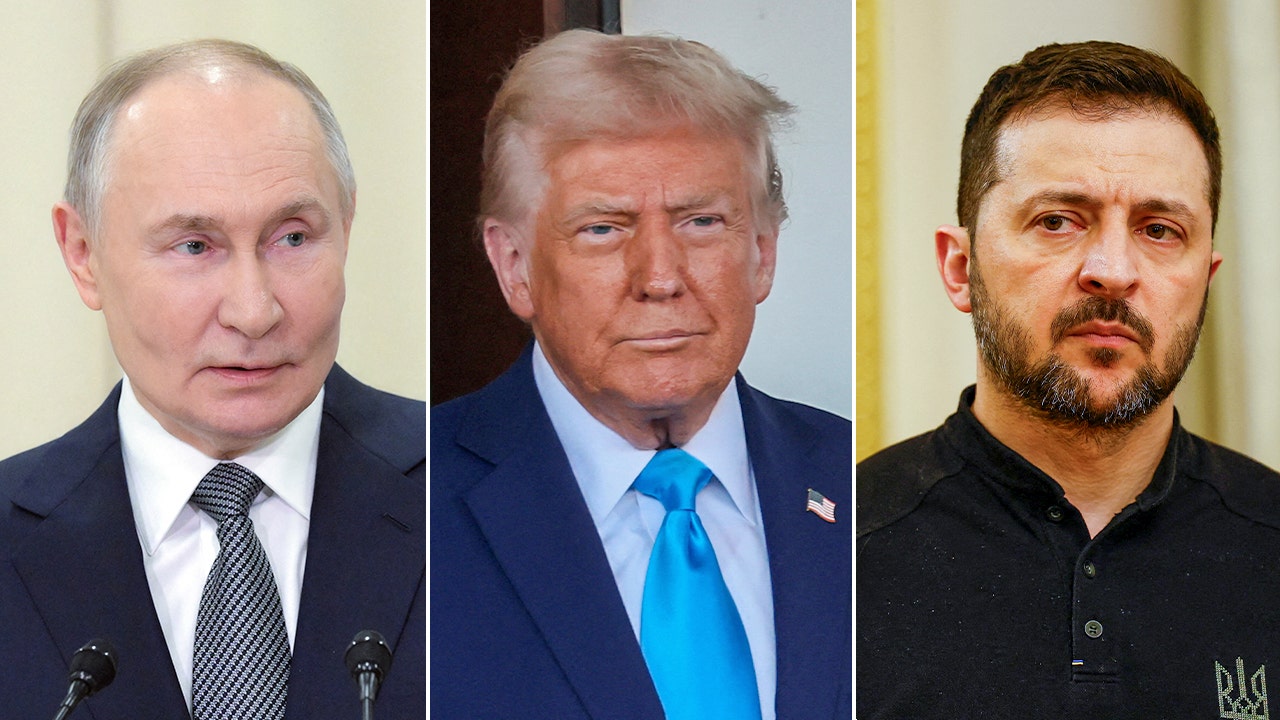
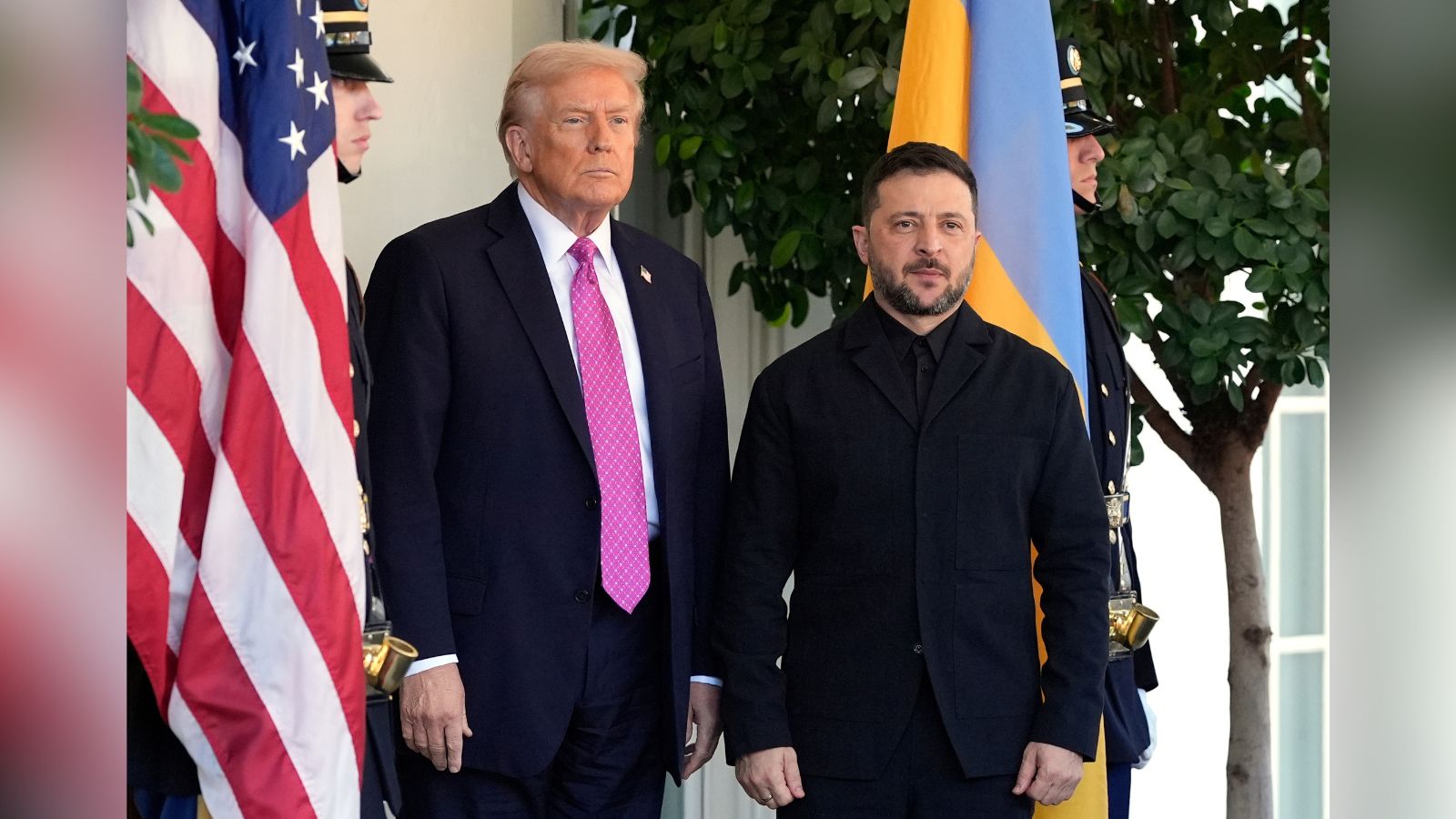
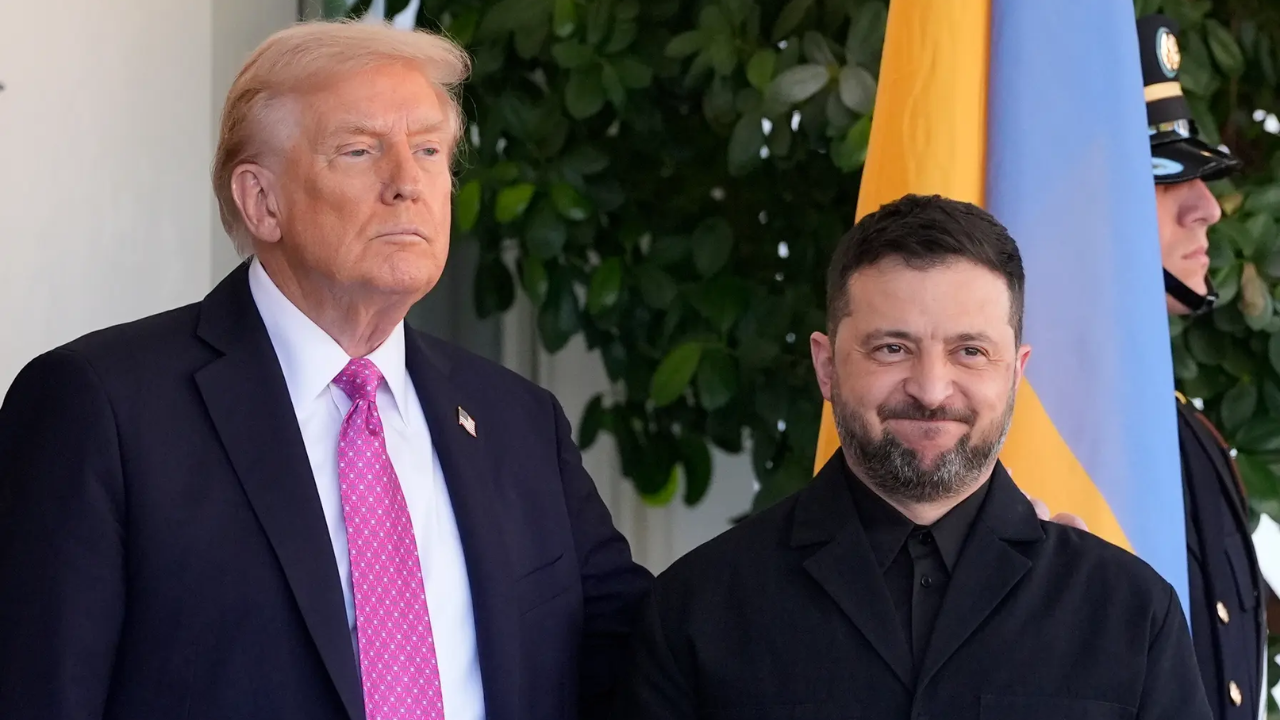
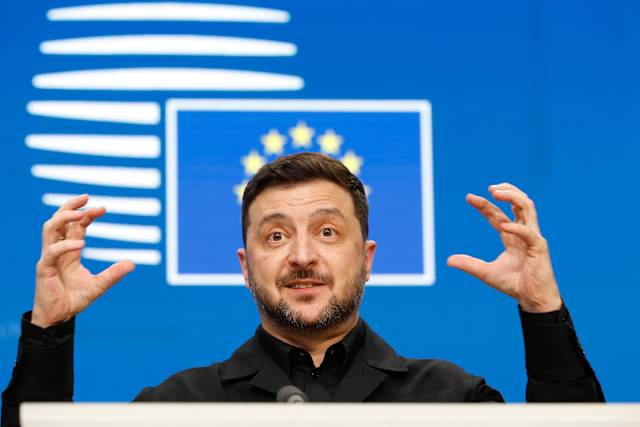
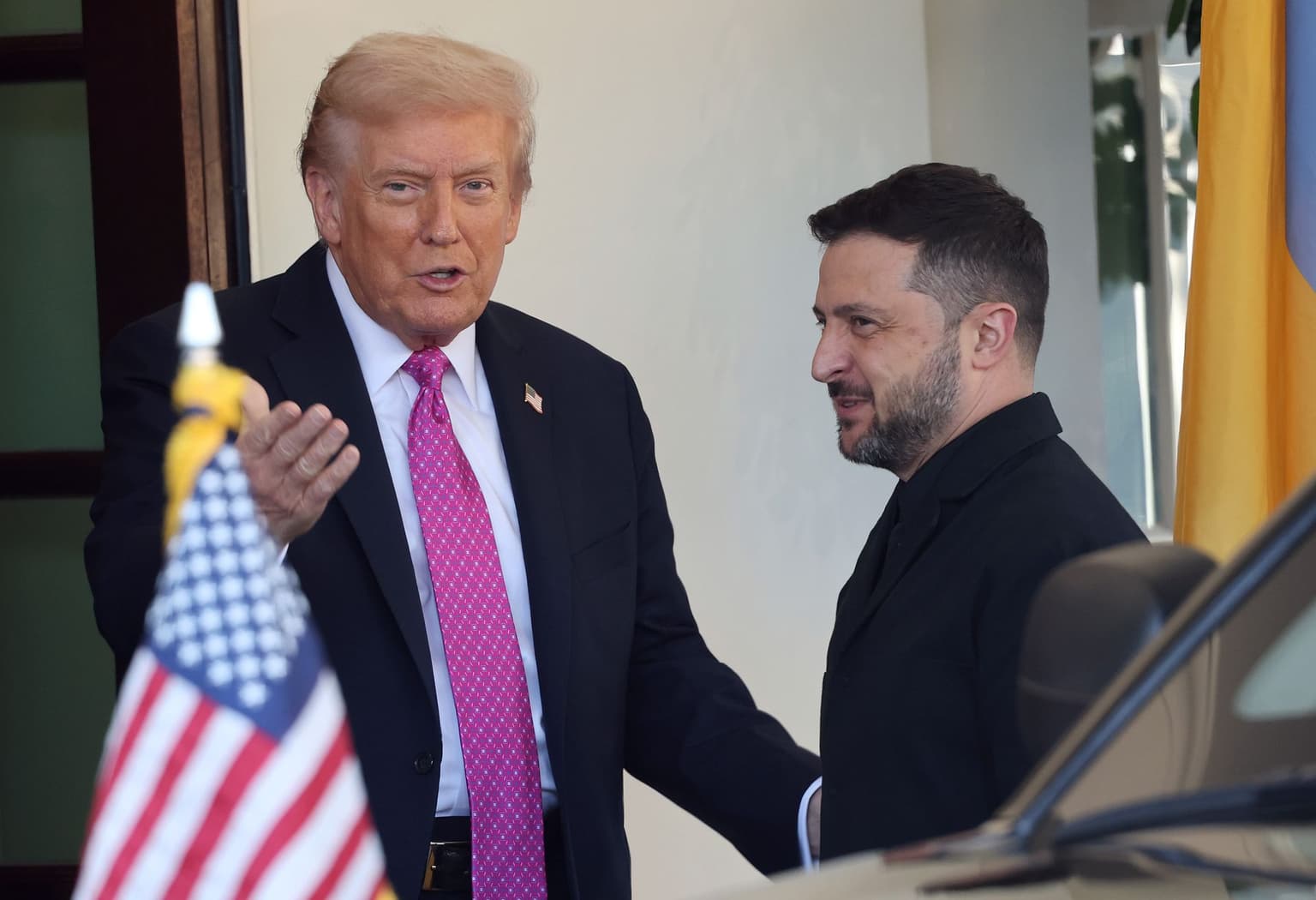
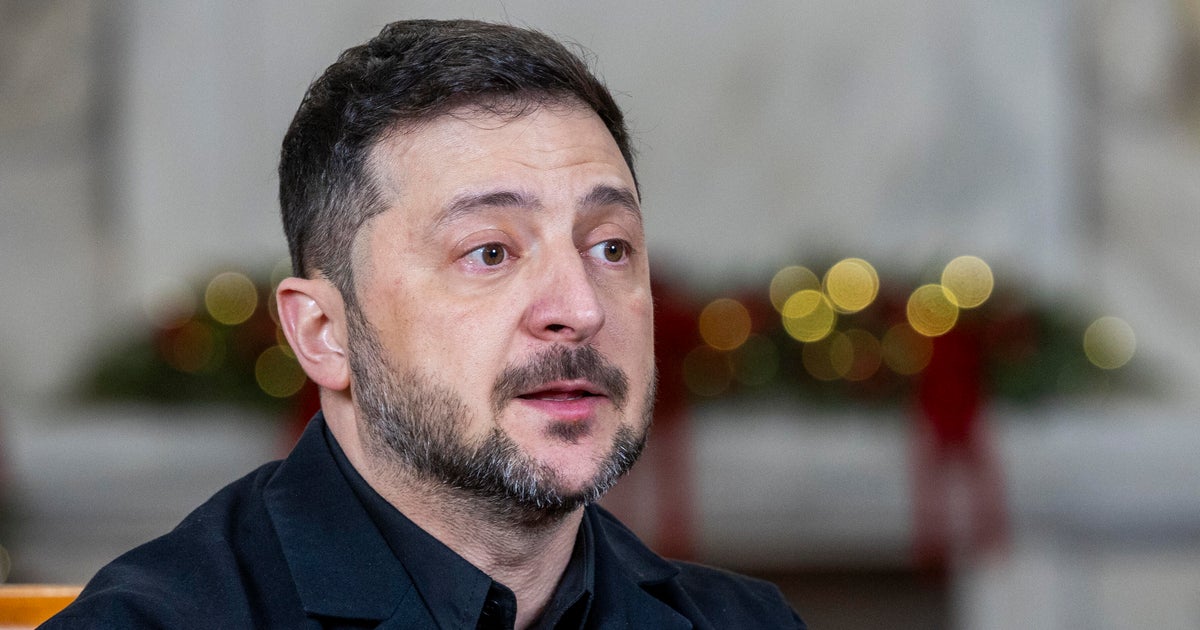
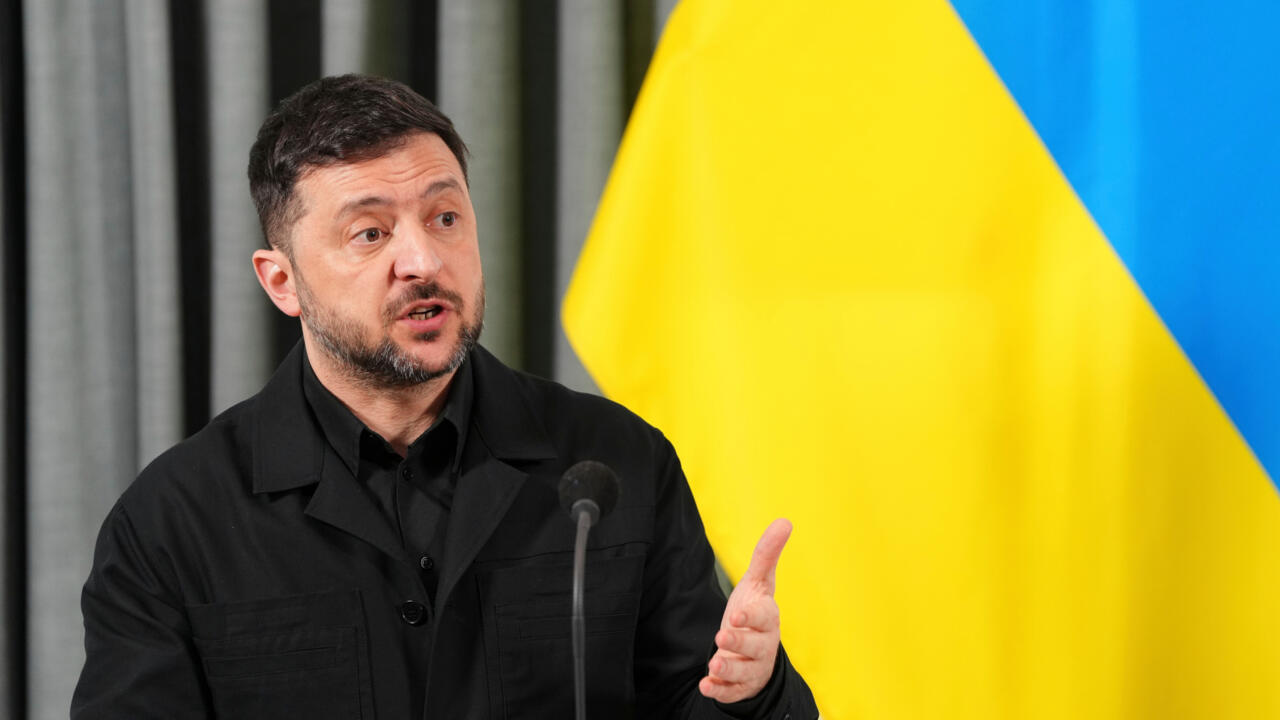
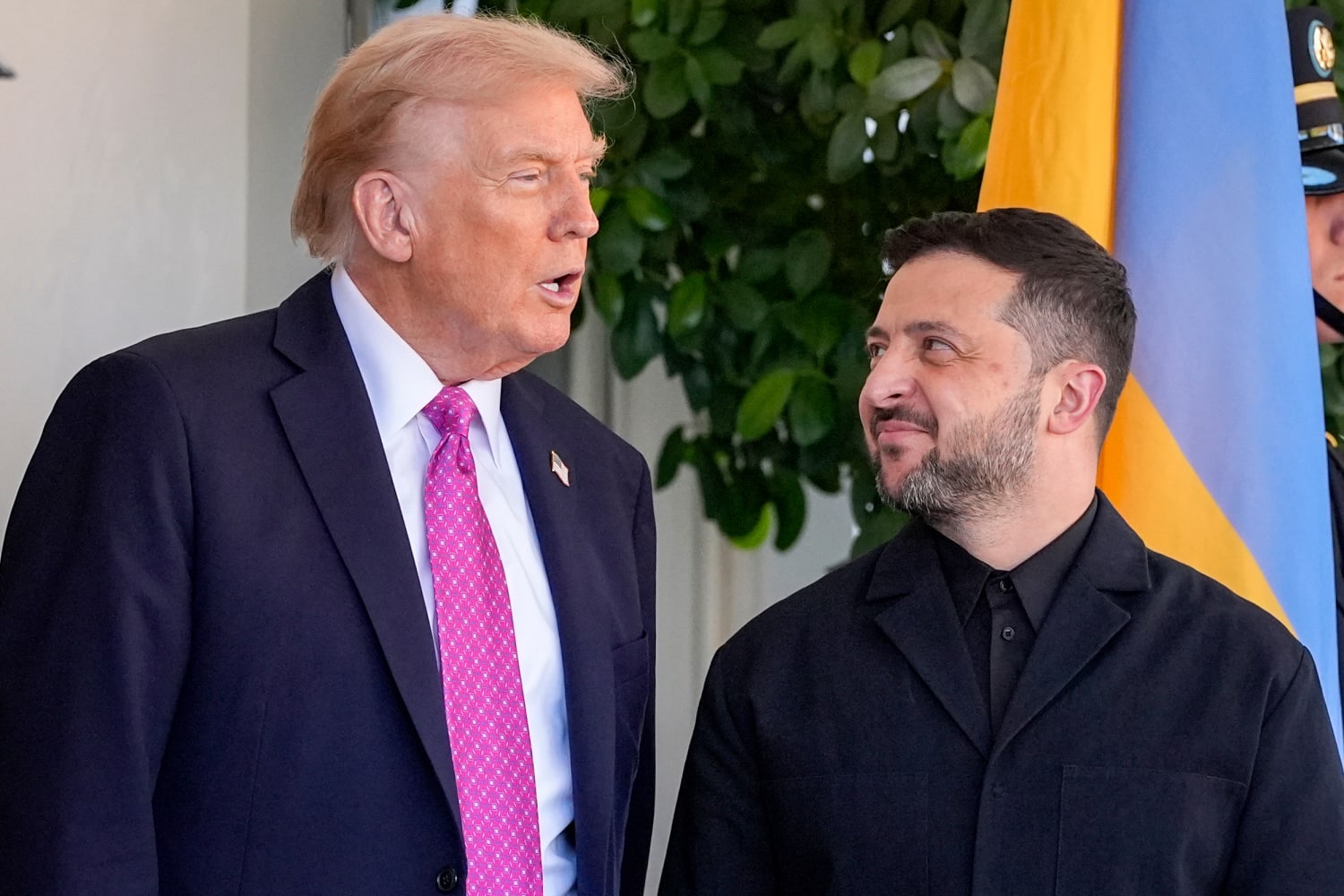
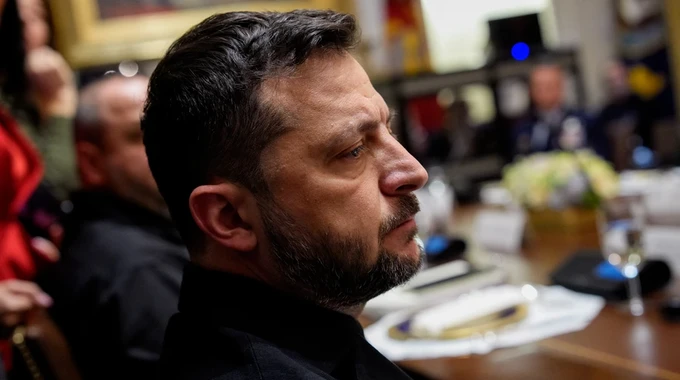
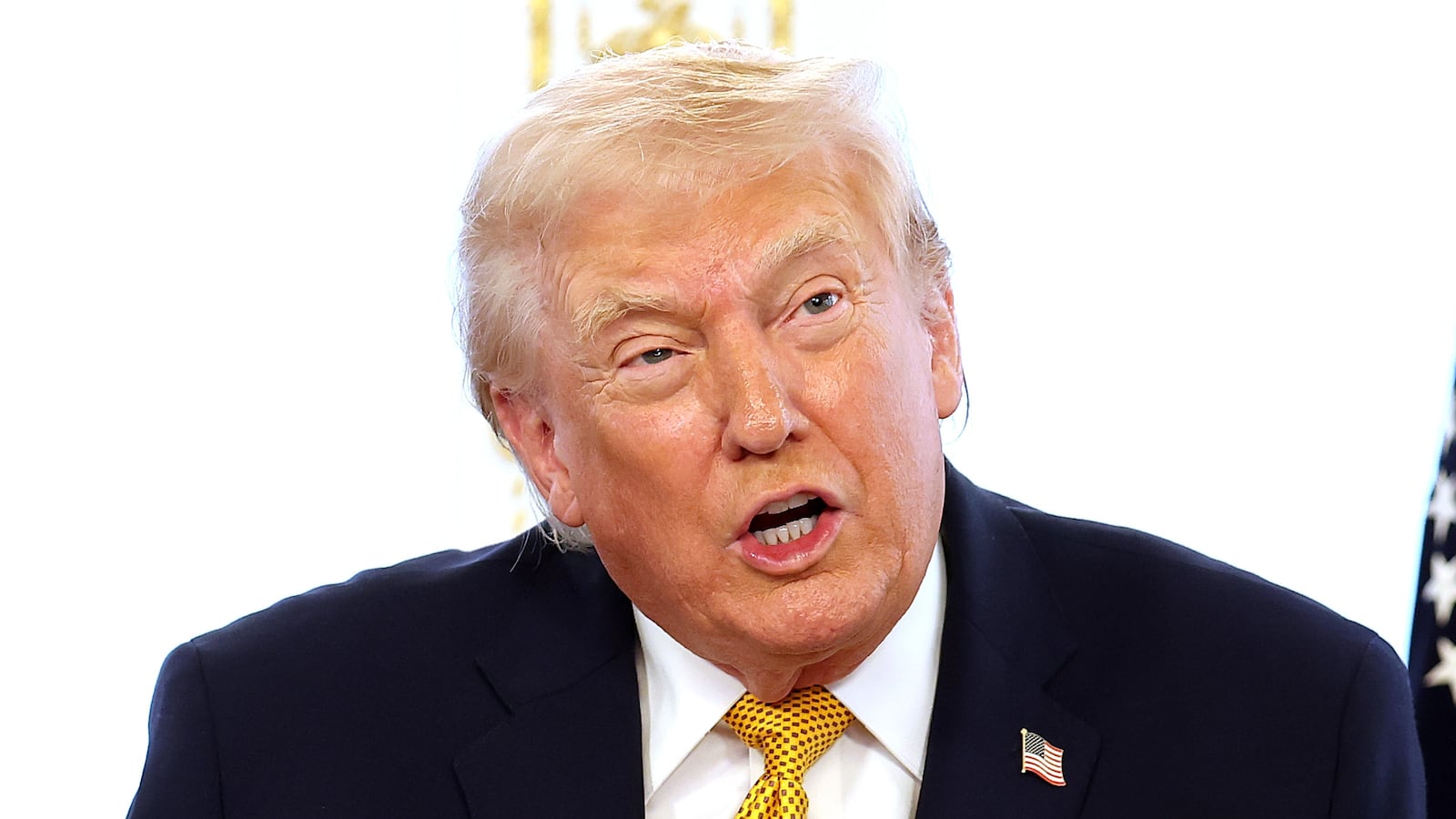
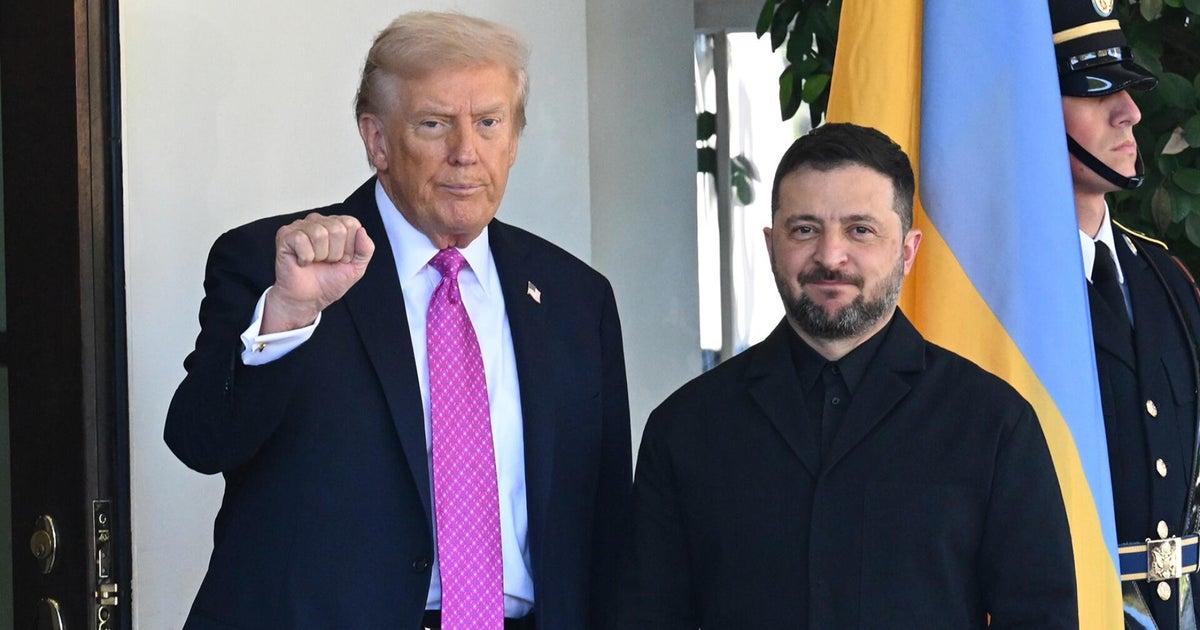
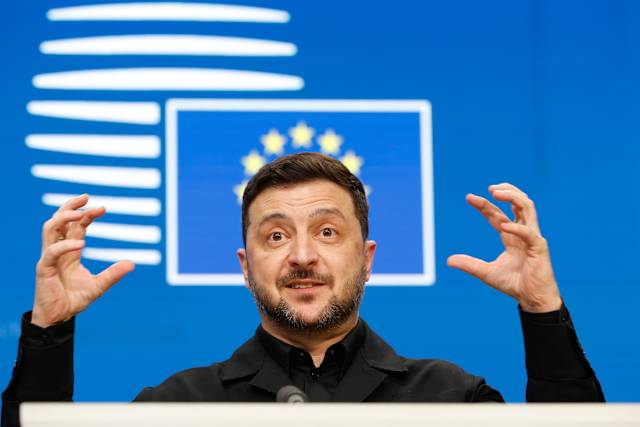
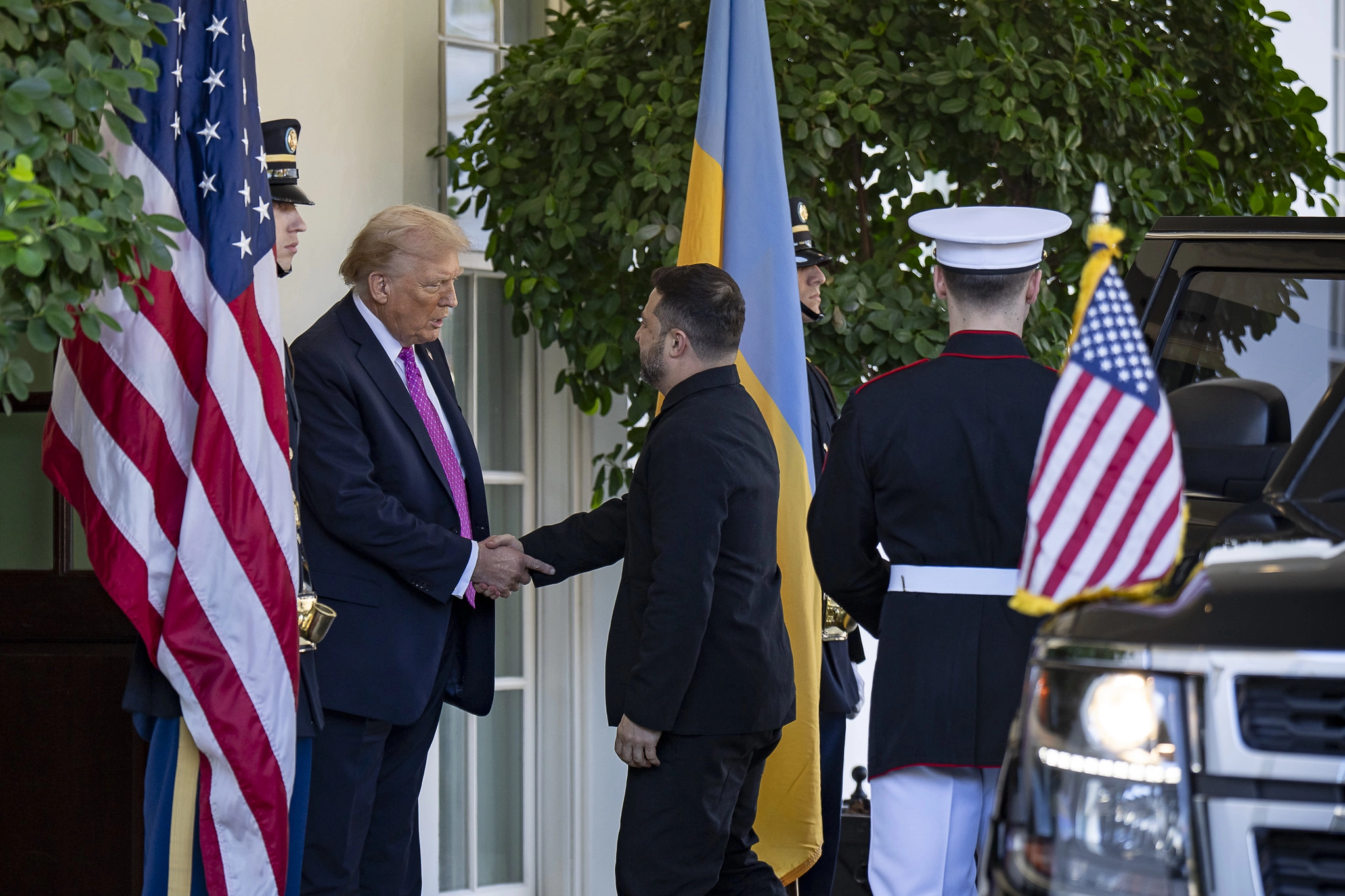
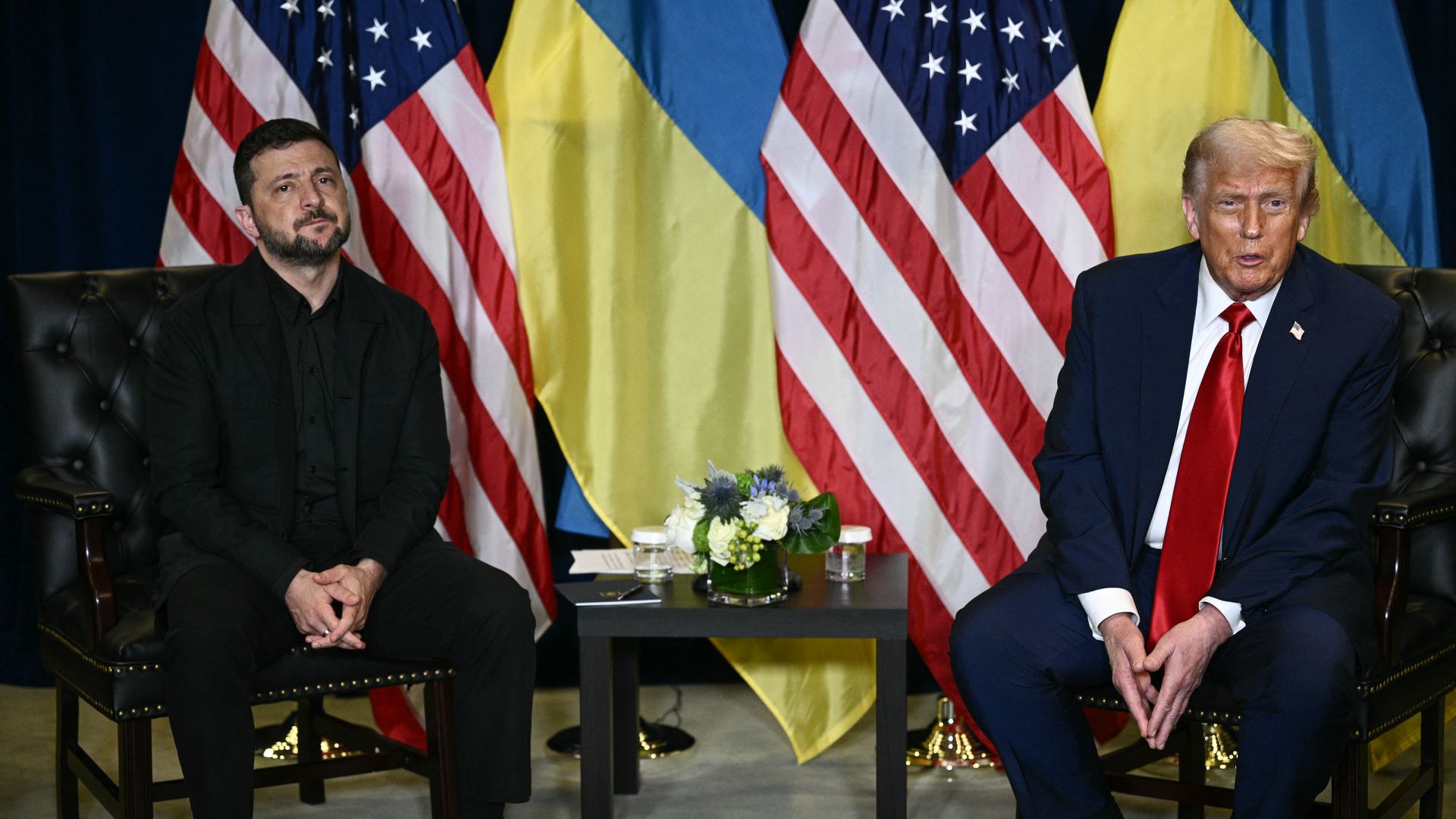
The imminent diplomatic engagement between Ukrainian President Volodymyr Zelenskiy and former U.S. President Donald Trump represents a pivotal moment in the complex geopolitical landscape of Eastern Europe. Scheduled for Sunday at Mar-a-Lago, this high-stakes meeting transcends traditional diplomatic protocols, offering a potential inflection point in the ongoing Russia-Ukraine conflict.
The core of these negotiations centers on a meticulously crafted 20-point peace plan that is currently 90% complete. What makes this diplomatic initiative particularly intriguing is its strategic nuance: Zelenskiy has proposed security guarantees modeled after NATO's Article 5, without explicitly pursuing NATO membership. This represents a sophisticated diplomatic maneuver that could potentially create a new framework for regional security.
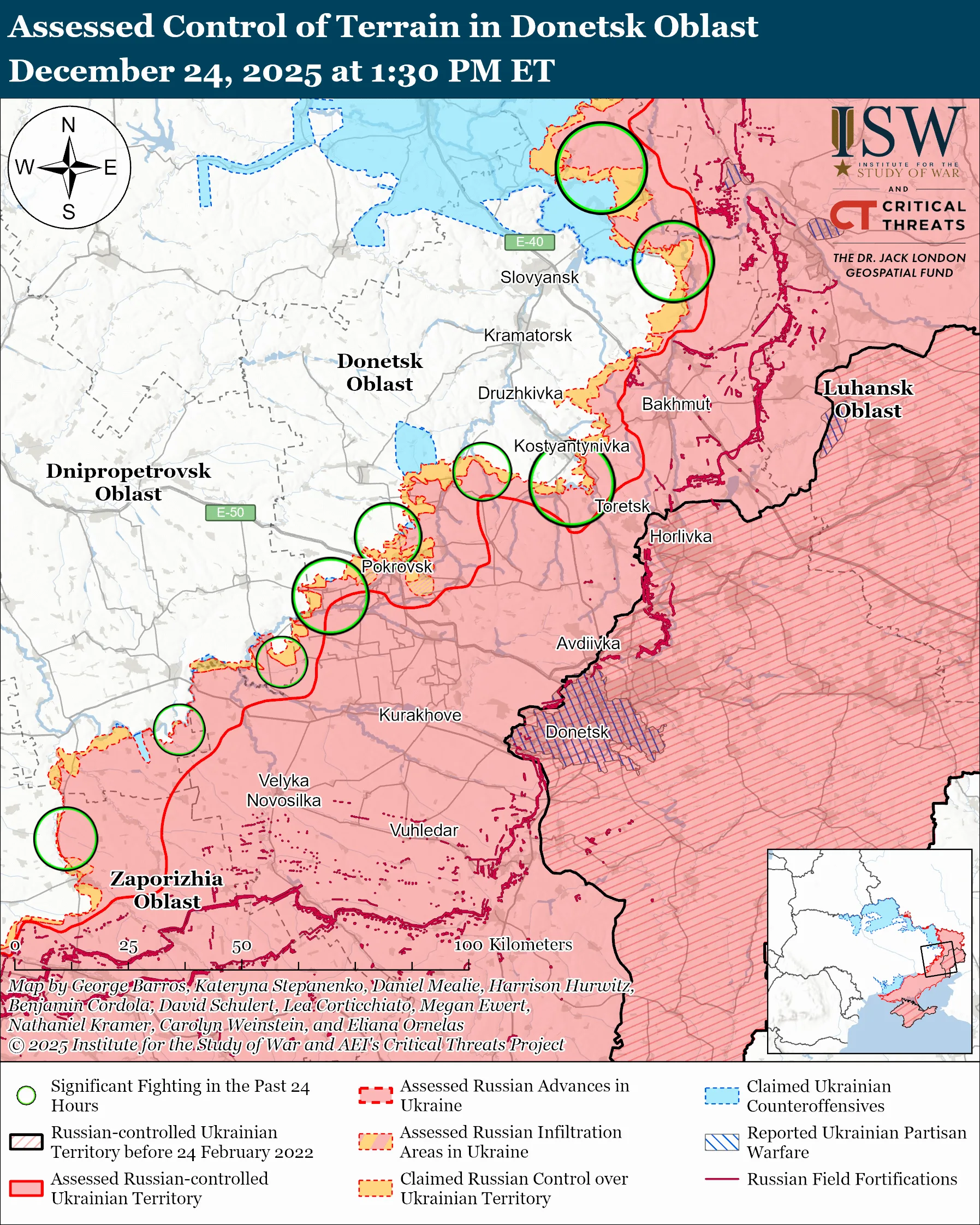
The geopolitical implications are profound. By negotiating exclusively through Washington and presenting a plan that offers territorial concessions while maintaining critical security provisions, Ukraine is demonstrating remarkable strategic flexibility. The plan includes potential troop withdrawals from parts of the Donetsk region and caps Ukraine's peacetime military at 800,000 personnel—a significant compromise designed to make the proposal more palatable to potential Russian negotiations.
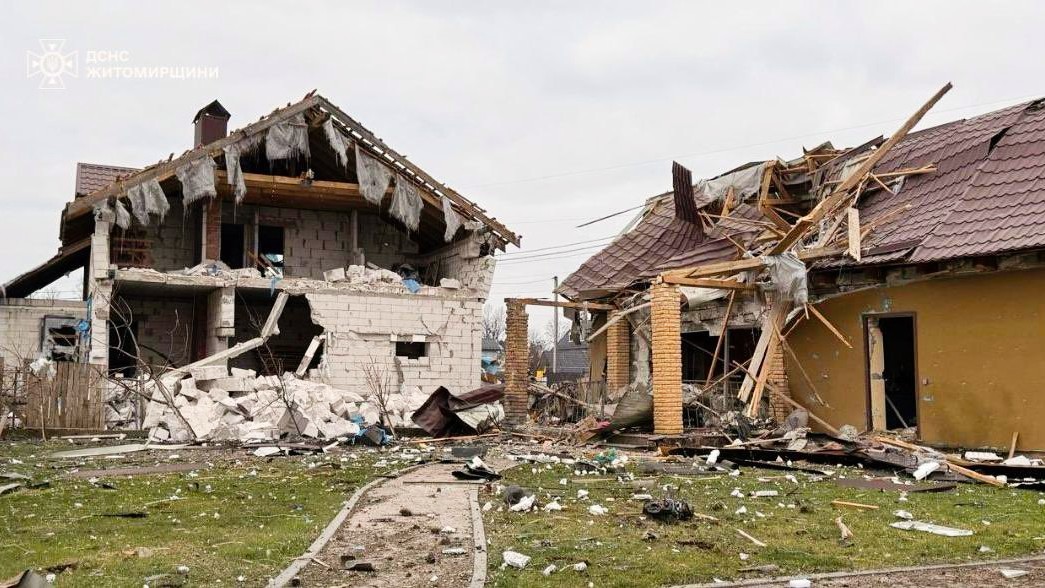
For international businesses and strategic stakeholders, this meeting signals more than just a potential conflict resolution. It represents a potential reconfiguration of Eastern European market dynamics. The ongoing conflict has created substantial disruptions in global supply chains, investment strategies, and cross-border trade. A successful negotiation could unlock significant economic reconstruction opportunities and reduce geopolitical uncertainty that has paralyzed regional investments.
However, the diplomatic landscape remains complex. Russian President Vladimir Putin maintains maximalist demands and has shown limited willingness to compromise. The success of this peace plan hinges on delicate negotiations and the willingness of all parties—Ukraine, Russia, and European allies—to make strategic concessions.
The Mar-a-Lago meeting thus emerges as a critical moment: a potential diplomatic breakthrough that could reshape regional geopolitics, reset economic expectations, and offer a glimpse into a potentially more stable Eastern European future.
Questions 3
How might this peace plan impact international business operations?
A successful negotiation could dramatically reduce geopolitical uncertainty in Eastern European markets. Businesses can expect potential opportunities in economic reconstruction, more stable supply chains, and reduced investment risks if the conflict moves toward resolution.
What makes the Mar-a-Lago meeting strategically significant?
The meeting represents a unique diplomatic opportunity where Zelenskiy's 90% complete peace plan could potentially create a new security framework for Ukraine. By proposing NATO-like security guarantees without full NATO membership, Ukraine is attempting to find a nuanced diplomatic solution that could reduce Russian resistance.