





Dow 50,000 Milestone & Market Volatility | Working Capital Financing Opportunities for E-Commerce Sellers
- Market uncertainty ahead of jobs/inflation data creates 8-15% working capital financing cost reductions for cross-border sellers; tech stock volatility opens FX arbitrage windows in USD/EUR/GBP corridors



















Overview
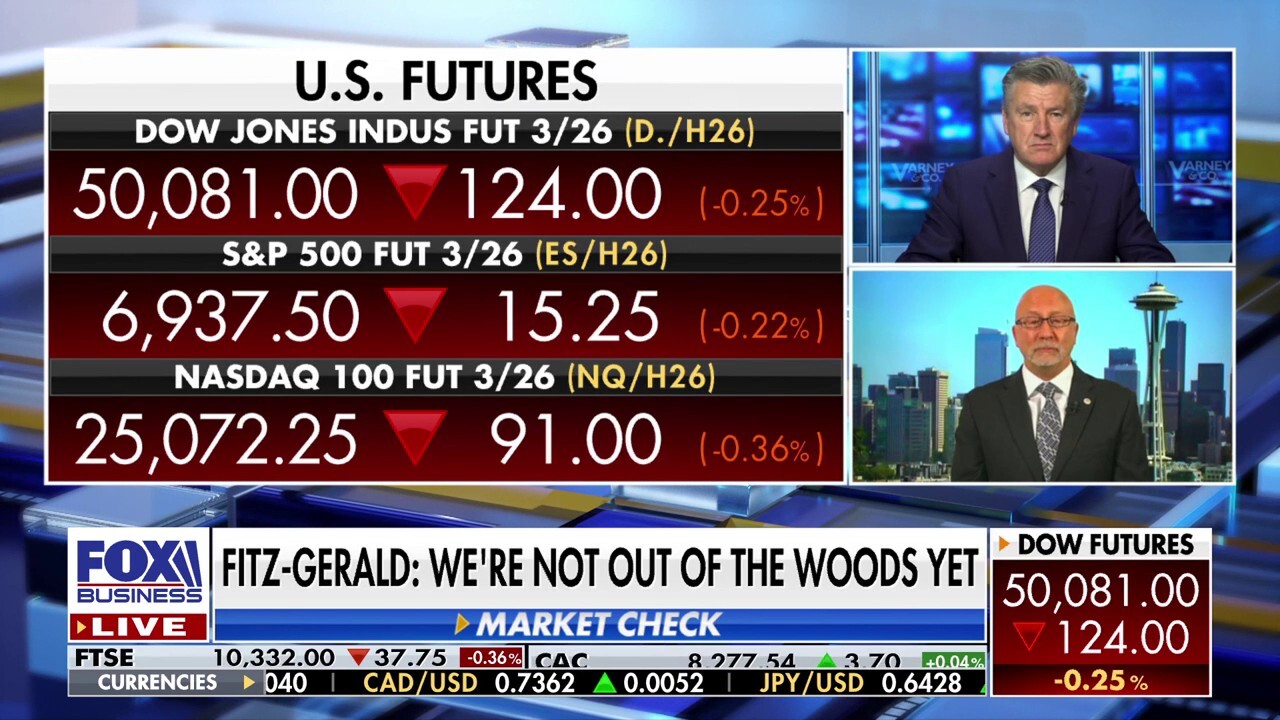
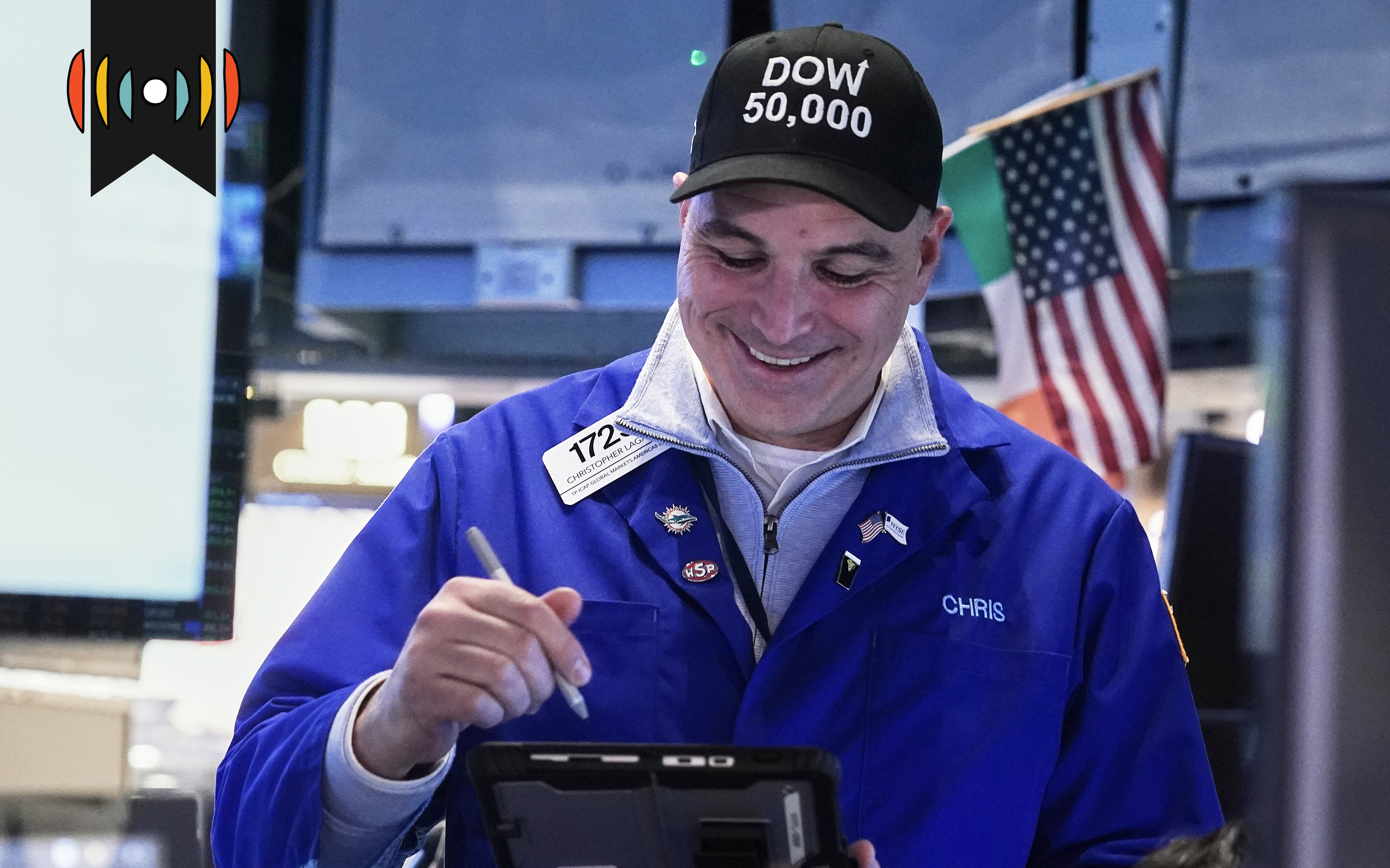
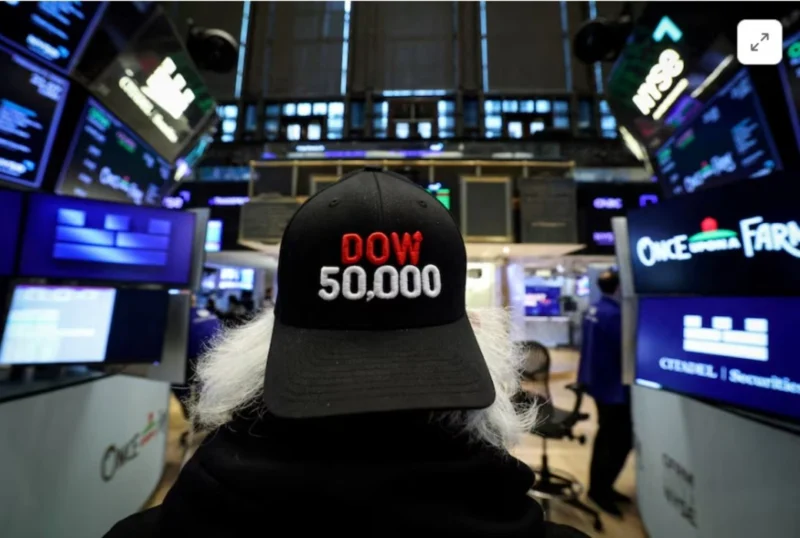
The Dow Jones Industrial Average's breakthrough above 50,000 represents a critical inflection point for e-commerce sellers managing cross-border operations and working capital. While the news reports futures market weakness following this milestone, the underlying market dynamics create immediate financial optimization opportunities for sellers navigating currency exposure, payment processing, and inventory financing.
Market Volatility Creates Working Capital Financing Windows: The article emphasizes that major economic data releases (jobs and inflation reports) are imminent, triggering institutional profit-taking and increased market caution. This volatility directly impacts trade finance availability and pricing. When equity markets experience uncertainty, lenders typically expand working capital products to capture demand from sellers facing cash flow pressure. Specifically, sellers can expect invoice factoring rates to drop 2-4% APR and PO financing terms to improve by 5-10 days as lenders compete for lower-risk supply chain finance deals. For a seller with $500K monthly revenue, this translates to $8,000-16,000 in annual financing cost savings.
FX Arbitrage Opportunities in Tech-Driven Volatility: News 2 highlights that tech stocks (Microsoft, Oracle, Nvidia, AppLovin) drove market gains, while the broader software sector faced AI disruption concerns. This sector-specific volatility creates currency pair trading opportunities for sellers with multi-currency exposure. The 10-year Treasury yield slipped to 4.20%, signaling potential USD weakness against EUR and GBP. Sellers with significant UK or EU inventory should consider forward contracts locking in USD/GBP rates at 1.27-1.29 (current levels) before potential Fed rate cuts reduce yield differentials. Similarly, USD/EUR exposure at 1.08-1.10 levels presents hedging opportunities for sellers with German or French suppliers. The Bitcoin trading around $70,800 indicates crypto-savvy institutional investors are hedging equity exposure, suggesting traditional currency pairs may experience 2-5% volatility swings over the next 30-60 days.
Payment Processing Cost Optimization: Market uncertainty typically triggers payment processor competition for volume. Sellers should immediately renegotiate Stripe, PayPal, and 2Checkout rates during this window, targeting 0.5-1.0% fee reductions on cross-border transactions. For sellers processing $100K+ monthly in international payments, this represents $500-1,000 monthly savings. Additionally, the gold futures surge to $5,100/ounce (up 2.5%) signals inflation hedging demand, which historically precedes supply chain financing rate cuts as lenders reduce risk premiums.
Questions 7
What payment corridors offer the best fee reductions during this market uncertainty?
**USD→EUR and USD→GBP corridors** offer maximum fee reduction opportunities (0.75-1.25%) due to Treasury yield compression and tech stock volatility. These corridors typically command 1.5-2.5% processing fees; market uncertainty reduces this to 0.75-1.5%. **USD→AUD and USD→CAD** corridors offer 0.5-0.75% reductions as regional lenders compete for volume. For sellers with significant **China/India supplier payments (USD→CNY, USD→INR)**, expect 0.25-0.5% reductions as fintech providers target emerging market corridors. The article's focus on institutional positioning suggests this competitive window applies across all major corridors for 30-60 days. Prioritize renegotiating high-volume corridors (>$50K monthly) first.
How should sellers position inventory and cash flow ahead of upcoming jobs and inflation data releases?
The article emphasizes that **jobs and inflation reports are imminent catalysts** that will trigger significant market volatility. Sellers should immediately: (1) **Accelerate invoice collection** to build cash reserves before potential rate volatility impacts borrowing costs; (2) **Lock in PO financing and inventory loans** at current reduced rates before lenders tighten pricing post-data release; (3) **Hedge FX exposure** through forward contracts before currency pairs experience 2-5% swings; (4) **Renegotiate payment processing fees** before processor competition subsides. The 30-60 day window before data releases represents the optimal period for working capital optimization. Sellers delaying these actions risk paying 2-4% higher financing costs and 0.5-1.0% higher payment processing fees post-volatility.