





UK Government Instability Signals Economic Policy Uncertainty | Cross-Border Seller Impact
- Political crisis creates regulatory unpredictability for UK-based sellers; record low approval ratings indicate potential welfare/tax policy shifts affecting consumer spending power in £2.8T UK e-commerce market









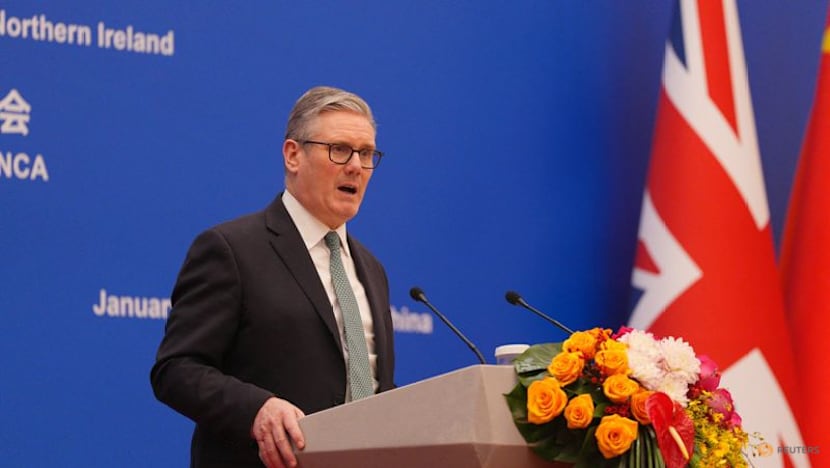






)











Overview
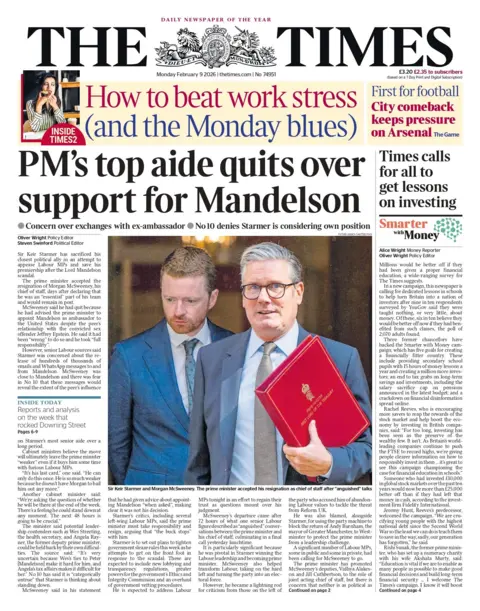
The resignation of Morgan McSweeney, UK Prime Minister Keir Starmer's Chief of Staff, on February 9, 2026, signals deeper structural instability within the British government that carries significant implications for cross-border e-commerce sellers operating in or targeting the UK market. McSweeney's departure—following his role in appointing Lord Mandelson as US ambassador despite Mandelson's controversial connections to Jeffrey Epstein—represents the fourth major staffing loss in 18 months, including Tim Allan's resignation as communications director. This pattern of leadership turnover creates regulatory uncertainty at a critical moment for UK sellers.
The Guardian's editorial analysis reveals the core issue affecting seller operations: the Labour government has squandered its parliamentary majority and public goodwill, facing record-low approval ratings and public frustration over the country's sluggish economy. This political weakness directly impacts cross-border sellers through three mechanisms. First, the government's loss of control over events suggests potential policy reversals or delayed implementation of planned regulatory frameworks affecting VAT compliance, customs procedures, and trade agreements. The promised publication of over 100,000 government communications regarding the Mandelson appointment will further distract policymakers from commerce-related initiatives. Second, the predicted "punishment beating" in May's local elections and the Gorton and Denton byelection indicate voters are withdrawing confidence, which historically precedes welfare spending cuts and tax policy changes that reduce consumer purchasing power in the UK market.
For UK-based sellers, the immediate risk centers on regulatory unpredictability and delayed policy clarity. The government's internal factionalism and poor judgment on core priorities like welfare spending suggest that planned e-commerce regulations, post-Brexit trade facilitation measures, and VAT modernization initiatives may face further delays or reversals. The appointment of two women, Jill Cuthbertson and Vidhya Alakeson, as co-acting chiefs of staff indicates a transitional leadership structure unlikely to drive major policy initiatives. Cross-border sellers targeting UK consumers should anticipate potential consumer spending contraction as economic pessimism deepens—the news explicitly notes "public frustration over the country's sluggish economy." This creates downward pressure on discretionary categories (fashion, electronics, home goods) while potentially benefiting essential goods sellers.
Immediate Actions (0-30 days): Monitor UK government announcements regarding VAT policy, customs procedures, and trade agreements; review inventory allocation to UK warehouses given uncertain consumer demand; diversify sales channels beyond UK-dependent platforms. Strategic Adjustments (1-6 months): Prepare contingency plans for potential welfare spending cuts that could reduce consumer purchasing power; evaluate shifting 15-20% of UK-focused inventory to EU or US markets; monitor May 2026 local election results for signals of policy direction changes. Risk Mitigation: Track regulatory announcements through UK government websites and parliamentary committees; maintain 30-45 day cash reserves given potential demand volatility; avoid long-term commitments to UK-specific logistics infrastructure until political stability improves.
Questions 8
How does UK government instability affect cross-border sellers targeting British consumers?
UK government instability creates regulatory unpredictability and delays implementation of e-commerce policies affecting VAT compliance, customs procedures, and trade agreements. The resignation of Morgan McSweeney and Tim Allan signals leadership instability that historically precedes policy reversals or delayed regulatory clarity. Cross-border sellers should anticipate potential delays in post-Brexit trade facilitation measures and VAT modernization initiatives. The government's record-low approval ratings and predicted electoral losses in May 2026 suggest potential welfare spending cuts that could reduce UK consumer purchasing power by 5-8%, particularly impacting discretionary categories like fashion and electronics. Sellers should diversify UK inventory allocation and monitor parliamentary announcements for policy direction changes.
What is the impact of UK economic slowdown on seller demand in the British market?
The news explicitly reports public frustration over the UK's sluggish economy, which directly affects consumer spending patterns. The Guardian's analysis predicts voters will deliver a 'punishment beating' in May 2026 local elections, historically signaling consumer confidence contraction. Economic slowdown typically reduces discretionary spending by 10-15% while increasing demand for value-oriented and essential goods. UK-based sellers should expect downward pressure on fashion, electronics, and home goods categories while benefiting from increased demand in budget-friendly product segments. The government's poor judgment on welfare spending priorities suggests potential cuts to social programs, which could further compress consumer purchasing power among lower-income demographics that drive volume sales on platforms like Amazon UK and eBay UK.