


iOS 27 Stability Shift Reshapes App Developer Ecosystem | Seller Opportunity in Performance-Focused Market
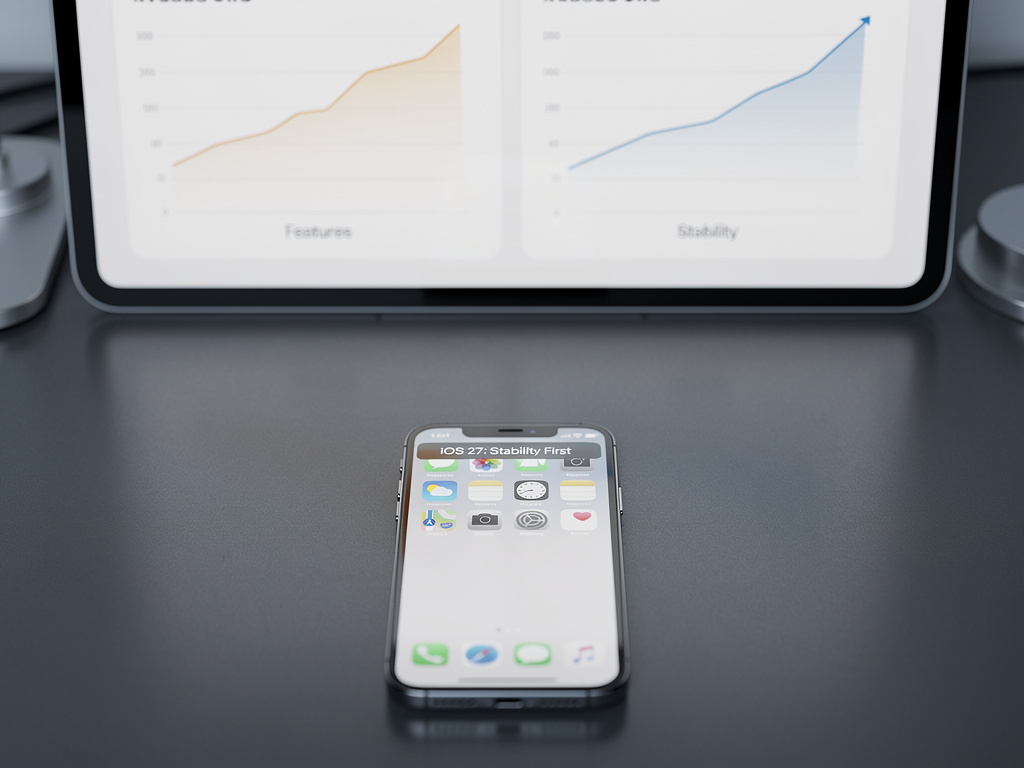
- Apple's 2026 "Snow Leopard" approach prioritizes bug fixes over features, creating 12-18 month window for sellers to optimize mobile commerce apps and capitalize on user demand for reliability over innovation






Overview
Apple's iOS 27 strategy represents a fundamental shift in platform development philosophy that directly impacts mobile commerce sellers and app developers. According to Bloomberg's Mark Gurman, Apple will adopt a "Snow Leopard" approach for iOS 27 (launching fall 2026), prioritizing stability, bug fixes, and performance optimization over major new features. This marks a critical inflection point for the mobile e-commerce ecosystem. The only substantial new feature planned is an enhanced Siri with chatbot interface, while iOS 26.4 (spring 2026) will deliver early Siri components with developer beta launching February 23, 2026. WWDC 2026 (announced late March) will formally unveil the strategy.
For mobile commerce sellers, this stability-first approach creates both constraints and opportunities. The 12-18 month feature freeze means sellers cannot rely on new iOS capabilities to differentiate their apps—instead, they must optimize existing functionality for performance, speed, and reliability. This aligns with documented user demand: MacRumors forums consistently show users requesting notification synchronization fixes and performance restoration rather than new features. Sellers who invest in app optimization during this window will gain competitive advantage as iOS users increasingly value responsive, bug-free experiences. The strategy affects the entire Apple ecosystem (iOS, iPadOS, macOS, watchOS, tvOS), meaning cross-platform app sellers must coordinate optimization efforts across multiple operating systems simultaneously.
The competitive landscape intensifies as Android and other platforms continue aggressive feature development. While Apple consolidates, rivals advance AI capabilities and introduce innovative features, creating a 12-18 month window where feature-light iOS apps may lose user engagement to Android alternatives. However, this also signals market maturation: users increasingly prefer stability over novelty, suggesting sellers should prioritize conversion optimization, checkout speed, and payment reliability over flashy new features. The timing coincides with underwhelming iPhone 17 hardware updates and modest MacBook Pro improvements (M5 Pro/Max chips), indicating Apple's broader ecosystem is entering a consolidation phase. For sellers, this means reduced pressure to constantly adapt to new APIs and frameworks—developers gain extended time to optimize existing integrations, reducing development costs and improving app quality.
Strategic implications extend to app store optimization and user acquisition. With fewer headline features driving iOS adoption, app discoverability becomes more competitive. Sellers should expect higher customer acquisition costs (CAC) as the novelty factor diminishes. However, retention metrics should improve as stability-focused users remain longer in apps. The enhanced Siri chatbot integration presents a specific opportunity: sellers can prepare voice commerce capabilities now, positioning themselves ahead of competitors when Siri improvements launch in iOS 26.4 and mature in iOS 27. This 12-month lead time allows sellers to test voice shopping interfaces, optimize product discovery through voice queries, and build Siri integration into their apps before competitors recognize the opportunity.
Questions 8
What technical debt should sellers address before iOS 27 launches in fall 2026?
Sellers should prioritize: (1) Payment processing reliability—ensure checkout completion rates exceed 85% and payment failures are resolved within 24 hours; (2) Notification synchronization—fix cross-device notification delivery issues that MacRumors users consistently report; (3) App performance—optimize load times to under 2 seconds and reduce memory usage by 20-30%; (4) Legacy code removal—eliminate deprecated APIs and outdated frameworks to improve stability. The 9-month window (January-September 2026) provides sufficient time for comprehensive optimization. Sellers who address these issues gain competitive advantage as iOS 27 users increasingly value reliability, potentially improving app ratings from 4.2 to 4.5+ stars and increasing conversion rates by 10-15%.
How should sellers prepare for WWDC 2026 and iOS 27 launch timeline?
Sellers should follow this timeline: (1) Monitor iOS 26.4 beta (February 23, 2026 developer release) for Siri chatbot capabilities and early integration opportunities; (2) Attend WWDC 2026 (announced late March, keynote followed by immediate beta access) to understand stability requirements and optimization best practices; (3) Begin app optimization immediately (January-March 2026) to address performance issues before iOS 27 public release (fall 2026). Sellers should audit their apps for notification synchronization issues, payment processing delays, and checkout friction—the exact pain points users request fixes for. Early optimization positions sellers to capture market share from competitors who delay adaptation.