


Snapchat's Arrival Notifications Drive Gen Z Safety Market | 400M Users, New Seller Opportunities
- Snapchat launches location-based safety features targeting 400M+ monthly active users; creates new advertising channels and product opportunities for sellers in safety, logistics, and family-focused categories








Overview
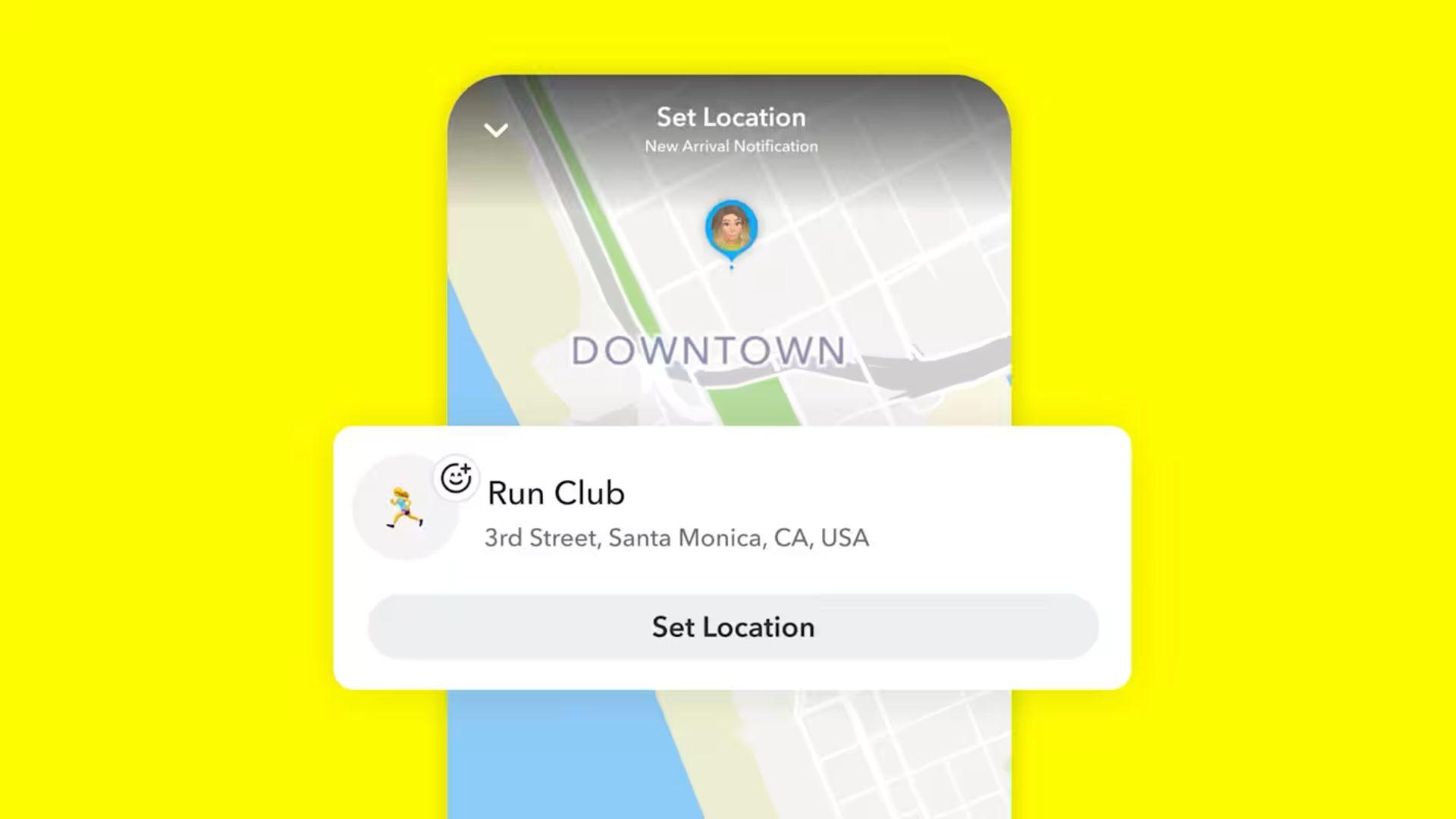
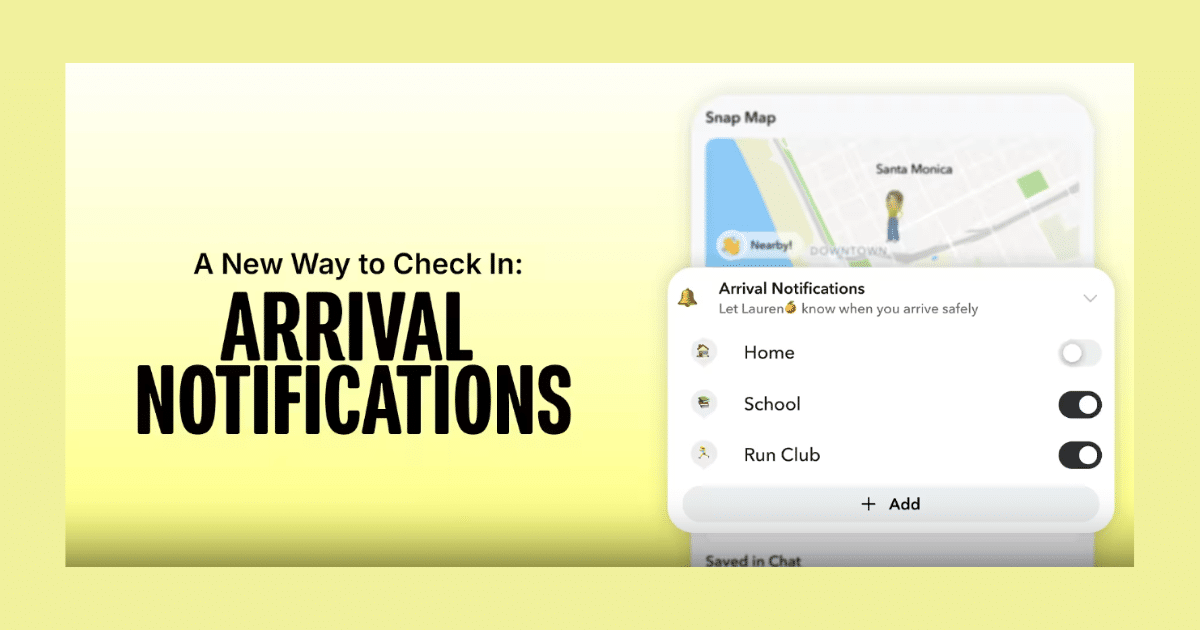
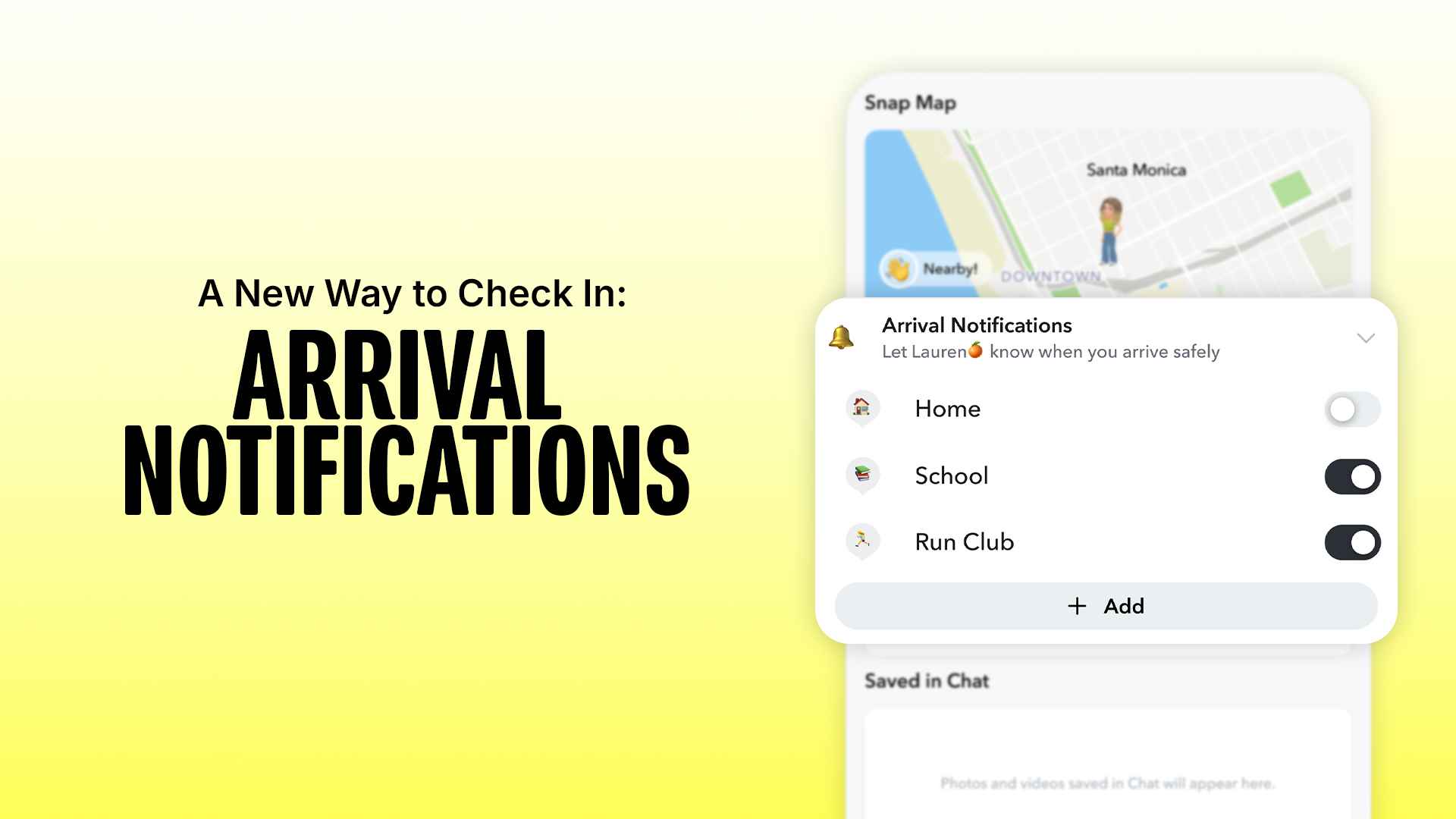
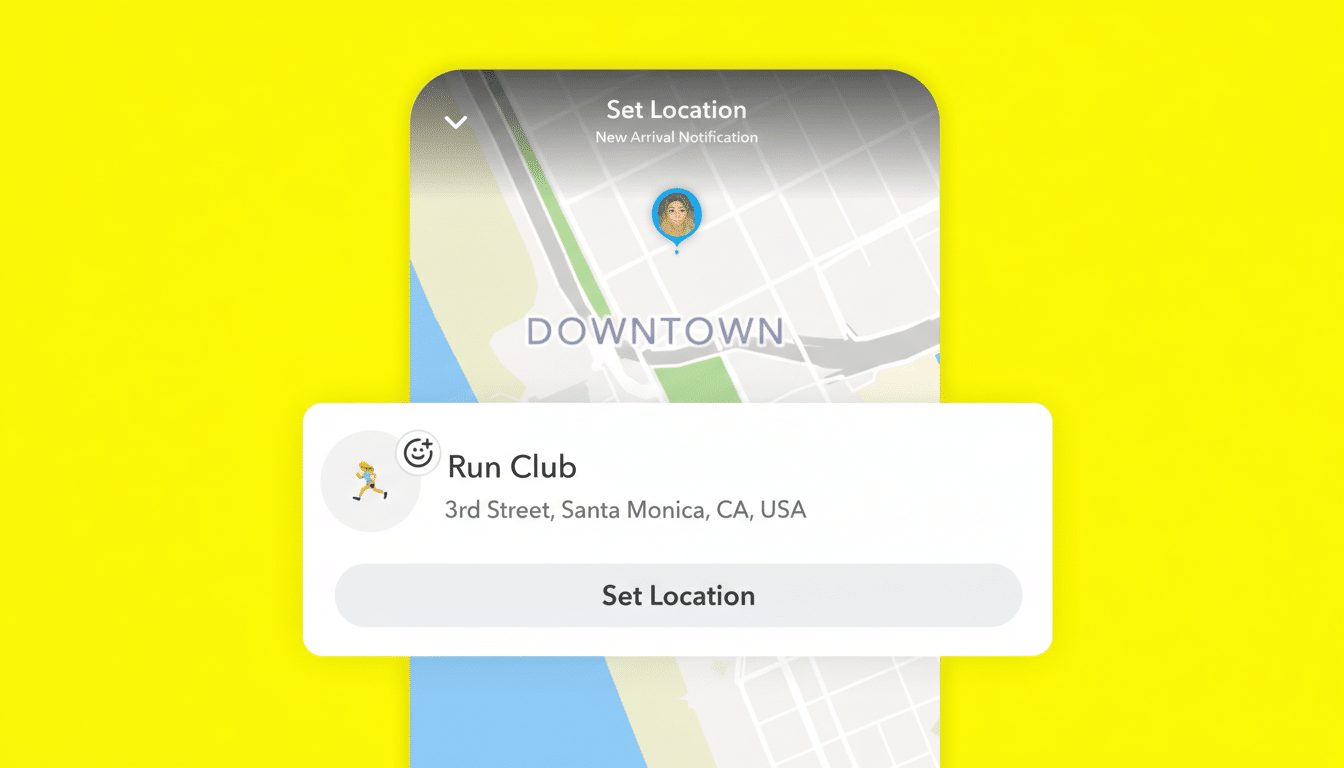
Snapchat's strategic expansion into location-based safety infrastructure represents a significant shift in how social platforms monetize user engagement, creating direct opportunities for e-commerce sellers targeting Gen Z and family safety markets. The company's launch of "Arrived" notifications and expansion of Snap Map—now serving 400+ million monthly active users—signals a pivot from ephemeral messaging toward persistent utility features. This infrastructure buildout directly impacts sellers in multiple categories: safety devices (GPS trackers, smartwatches), family communication apps, logistics optimization tools, and location-based services.
For e-commerce sellers, this represents a critical advertising and product opportunity. Snapchat's 400M+ monthly active user base skews heavily toward Gen Z (13-24 years old), a demographic with $143B in annual purchasing power. The platform's shift toward safety-focused features creates new advertising channels: sellers of student safety products (personal alarms, tracking devices), family location-sharing subscriptions, and logistics/delivery services can now target users actively engaging with location-based features. Snap's consent-first architecture (Ghost Mode default, explicit opt-in required) addresses privacy concerns that previously limited location-based advertising, potentially unlocking new CPM rates. Industry data suggests location-based advertising typically commands 15-25% higher CPMs than standard social display due to intent signals.
The competitive landscape reveals significant seller implications. Snapchat competes directly with Life360 (tens of millions of users, established auto insurance partnerships), Apple's Find My, and Google Maps location sharing. However, Snapchat's embedded social graph provides a unique advantage: users already share content with trusted networks, reducing friction for location-sharing adoption. This mirrors how Instagram's shopping features captured e-commerce traffic—Snapchat's safety infrastructure could similarly drive product discovery. Sellers in adjacent categories (student safety products, family subscription services, logistics optimization) should expect increased competition for Snap's advertising inventory as brands recognize the platform's growing utility beyond entertainment.
Regulatory tailwinds accelerate monetization opportunities. The news explicitly notes "regulatory pressure increases globally regarding platform obligations to protect minors." This creates partnership opportunities similar to Life360's auto insurer relationships. Sellers offering products that integrate with location-sharing platforms—vehicle tracking devices, student safety apps, family communication tools—can now position offerings as compliance solutions. Educational institutions and transportation companies represent emerging B2B2C channels for sellers, as Snapchat's safety positioning enables institutional partnerships previously unavailable.
Questions 8
How should sellers adjust their Snapchat advertising strategy to capitalize on Arrived feature adoption?
Sellers should implement three immediate tactics: (1) Create location-triggered campaigns targeting users setting recurring destinations (schools, sports facilities, workplaces) with relevant product ads; (2) Develop safety-focused creative messaging emphasizing peace-of-mind and family connection, resonating with Arrived feature benefits; (3) Test location-based audience segments (users with 3+ recurring destinations show higher engagement with safety products). Monitor Snap's advertising dashboard for new location-based targeting options as the feature scales. Sellers in family safety, student products, and logistics should increase Snapchat budget allocation by 20-30% over next 90 days to capture early-mover advantage before CPMs rise with platform adoption.
What partnership opportunities exist for sellers through Snapchat's institutional partnerships strategy?
Snapchat's safety positioning enables partnerships with educational institutions, transportation companies, and insurance providers—similar to Life360's auto insurer model. Sellers offering complementary products (student safety apps, vehicle tracking, emergency communication tools) can pursue B2B2C channels through these institutional relationships. For example, schools adopting Snapchat's safety features for student tracking could integrate seller products into their safety ecosystems. Transportation companies using Snap Map for logistics could recommend seller tracking devices to customers. Insurance providers might bundle seller safety products with policies. Sellers should identify institutional buyers in their category and pitch integration opportunities, positioning products as compliance solutions for regulatory requirements around minor protection.