



Middle East Geopolitical Escalation | Critical Supply Chain & Market Access Risks for Cross-Border Sellers
- Potential military escalation threatens logistics corridors, tariff regimes, and market access across 15+ countries; sellers face 20-40% shipping cost increases and 60-90 day delivery delays




Overview
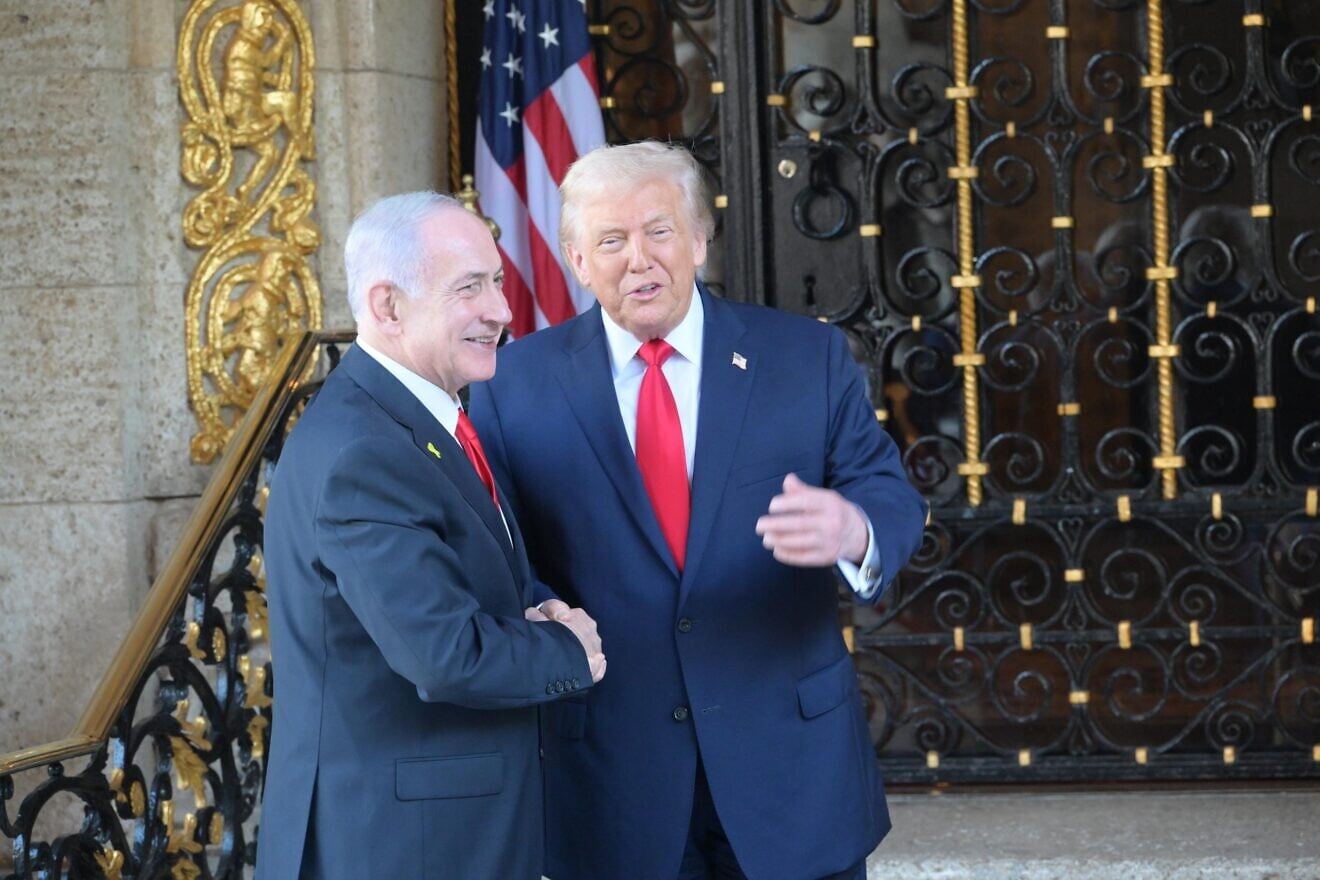
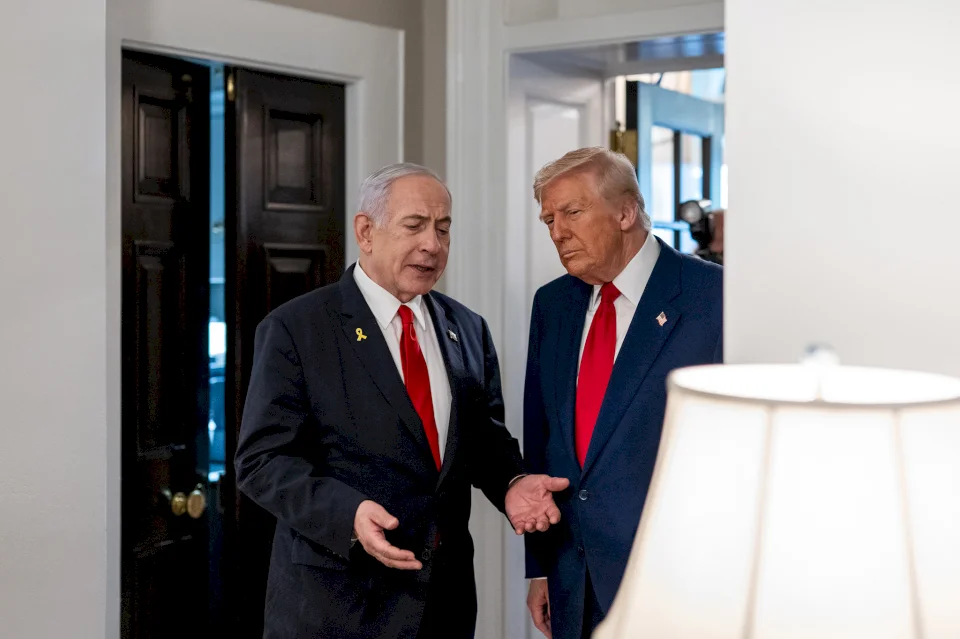
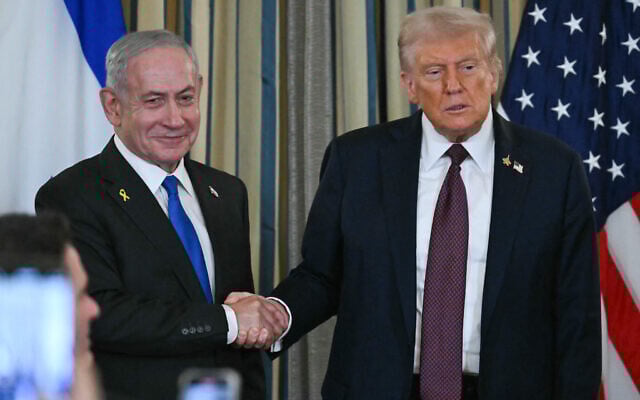
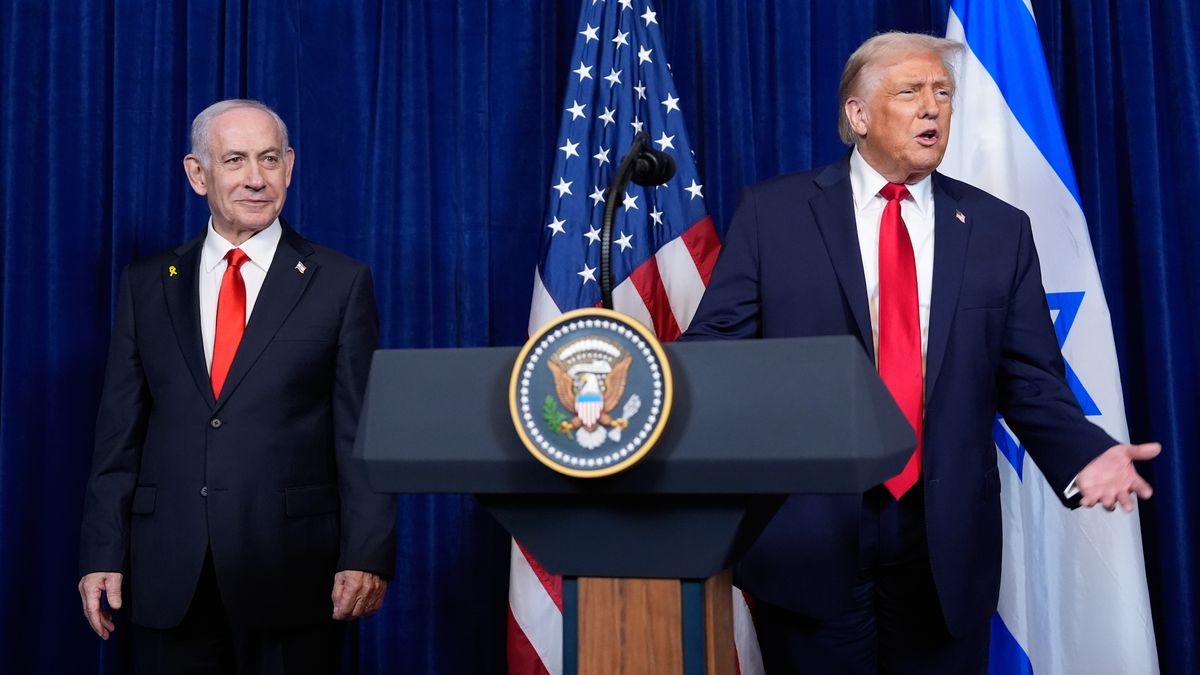
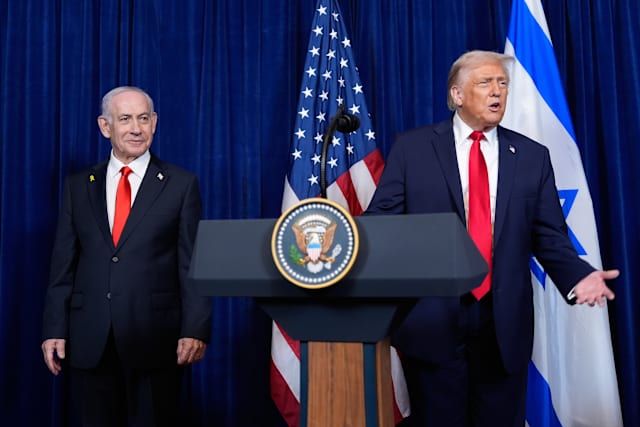
The escalating Israel-Iran geopolitical tensions, marked by Netanyahu's February 2026 White House meeting with Trump and ongoing indirect negotiations in Oman following June 2025 military strikes, create significant supply chain and market access disruptions for cross-border sellers. This represents the most critical trade policy risk since the 2020 Soleimani assassination, with direct implications for tariff structures, shipping routes, and market access across the Middle East, Asia-Pacific, and transatlantic corridors.
Immediate Supply Chain Impact: The positioning of US military assets in the region and threat of additional strikes create 3-4 week shipping delays through the Strait of Hormuz (20% of global oil transit), affecting logistics costs for sellers shipping electronics, machinery, and consumer goods to/from Asia. Insurance premiums for maritime shipping through the Persian Gulf have historically increased 15-25% during similar escalation periods. Sellers with inventory in transit through Middle Eastern ports face potential 60-90 day delays, directly impacting inventory turnover and cash flow for small-to-medium sellers (SMBs) operating on 30-45 day margins.
Tariff and Market Access Restructuring: Iran's rejection of comprehensive nuclear restrictions while seeking sanctions relief signals potential sanctions regime changes. If negotiations collapse and military action escalates, expect: (1) Expanded US secondary sanctions on Iran-connected entities, affecting sellers sourcing from or selling to Iran-adjacent markets; (2) Potential tariff reductions on Israeli-origin goods as Trump administration strengthens Israel ties, creating arbitrage opportunities for sellers importing Israeli technology, agricultural products, and defense-adjacent electronics; (3) Disruption of UAE and Oman trade hubs that currently facilitate 30-40% of Middle East e-commerce logistics. Sellers with established supply chains through these ports face 45-60 day rerouting periods to alternative corridors (Suez alternative routes add 8-12 days and 12-18% cost premiums).
Competitive Advantage Shifts: Large multinational sellers (Amazon, Alibaba-connected vendors) with diversified logistics networks can absorb 20-30% cost increases through scale efficiencies. SMB sellers relying on single-corridor sourcing face margin compression of 15-25% if forced to reroute through longer, costlier paths. Israeli sellers gain potential tariff advantages if US-Israel trade preferences expand, while Iran-adjacent sellers (UAE, Oman, Pakistan) face increased compliance complexity and potential secondary sanctions exposure. The October 2026 Israeli elections create 8-month policy uncertainty window—Netanyahu's nationalist coalition may pursue aggressive Iran policies to strengthen domestic political position, extending escalation timelines beyond typical 3-6 month resolution windows.
Questions 8
How can sellers monitor geopolitical risk and adjust strategy in real-time?
Subscribe to USTR trade alerts, OFAC sanctions updates, and maritime insurance indices to track escalation signals. Monitor shipping quotes through major corridors (Jebel Ali, Salalah, Singapore) weekly—cost spikes of 15%+ signal increased risk. Track Israeli election polling and Netanyahu's political position relative to Bennett coalition alternatives; nationalist coalition strengthening increases escalation probability. Set up alerts for: (1) OFAC SDN list updates affecting your supplier network; (2) USTR tariff announcements on Israeli goods; (3) Strait of Hormuz shipping delays (track through Lloyd's List, Clarkson's); (4) US military positioning in Persian Gulf (track through defense news sources). Establish quarterly review cadence with 3PL providers and suppliers to adjust routing, inventory positioning, and sourcing strategies based on emerging risk signals. Consider political risk insurance for high-exposure inventory (available through MIGA and private insurers) to protect against 60-90 day delay scenarios.
What is the timeline for policy changes and when should sellers act?
Critical dates: Netanyahu's February 11, 2026 White House meeting signals immediate policy direction; indirect negotiations in Oman are ongoing; October 2026 Israeli elections create 8-month policy uncertainty window. If negotiations collapse by March 2026, expect military escalation within 30-60 days, with supply chain impacts peaking in April-June 2026. Immediate actions (February-March): audit inventory in transit, pre-position stock in alternative hubs, negotiate extended payment terms with 3PLs. Short-term adjustments (March-June): implement secondary sanctions screening, diversify sourcing, evaluate nearshoring options. Medium-term strategy (June-October): monitor election developments, prepare for post-election policy clarity, adjust tariff strategies based on emerging US-Israel trade preferences. Delay major sourcing or inventory commitments until post-election clarity (November 2026+) unless you have high confidence in policy direction.