


HomeKit Mandatory Upgrade Feb 2026 | Smart Home Accessory Sellers Face Compatibility Crisis
- Affects millions of Apple users; creates urgent demand for compatible smart home products, customer support resources, and product listing updates for cross-border sellers





Overview
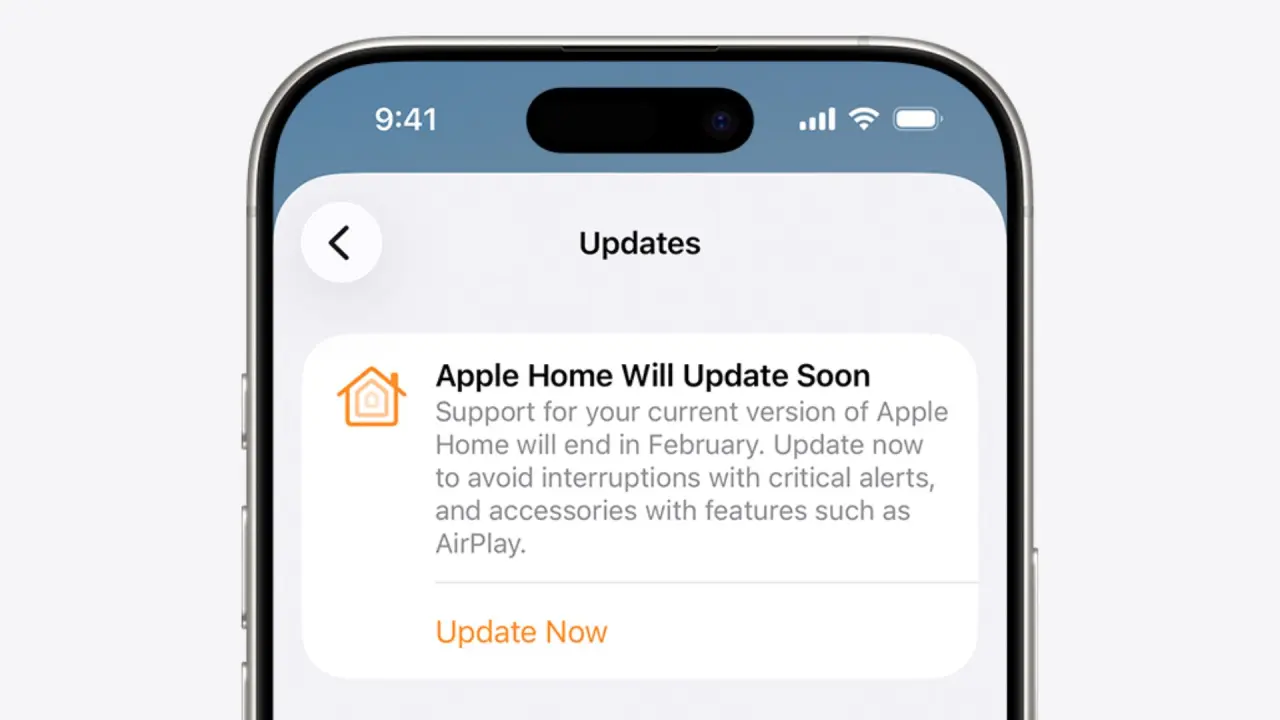
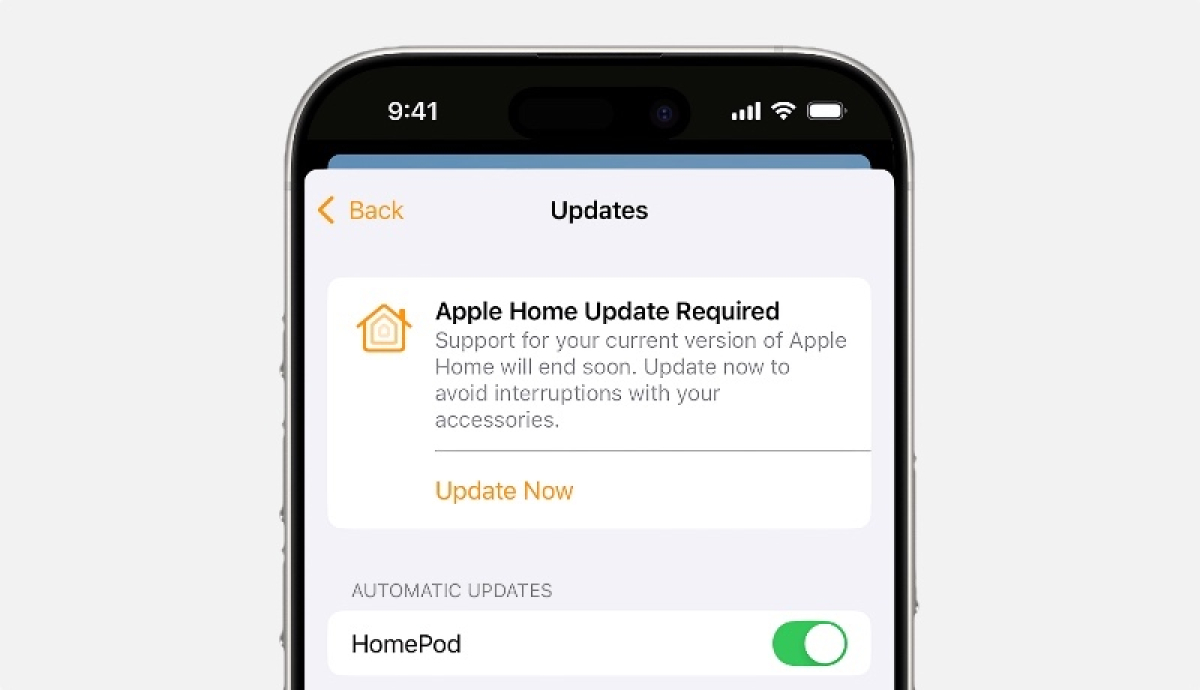
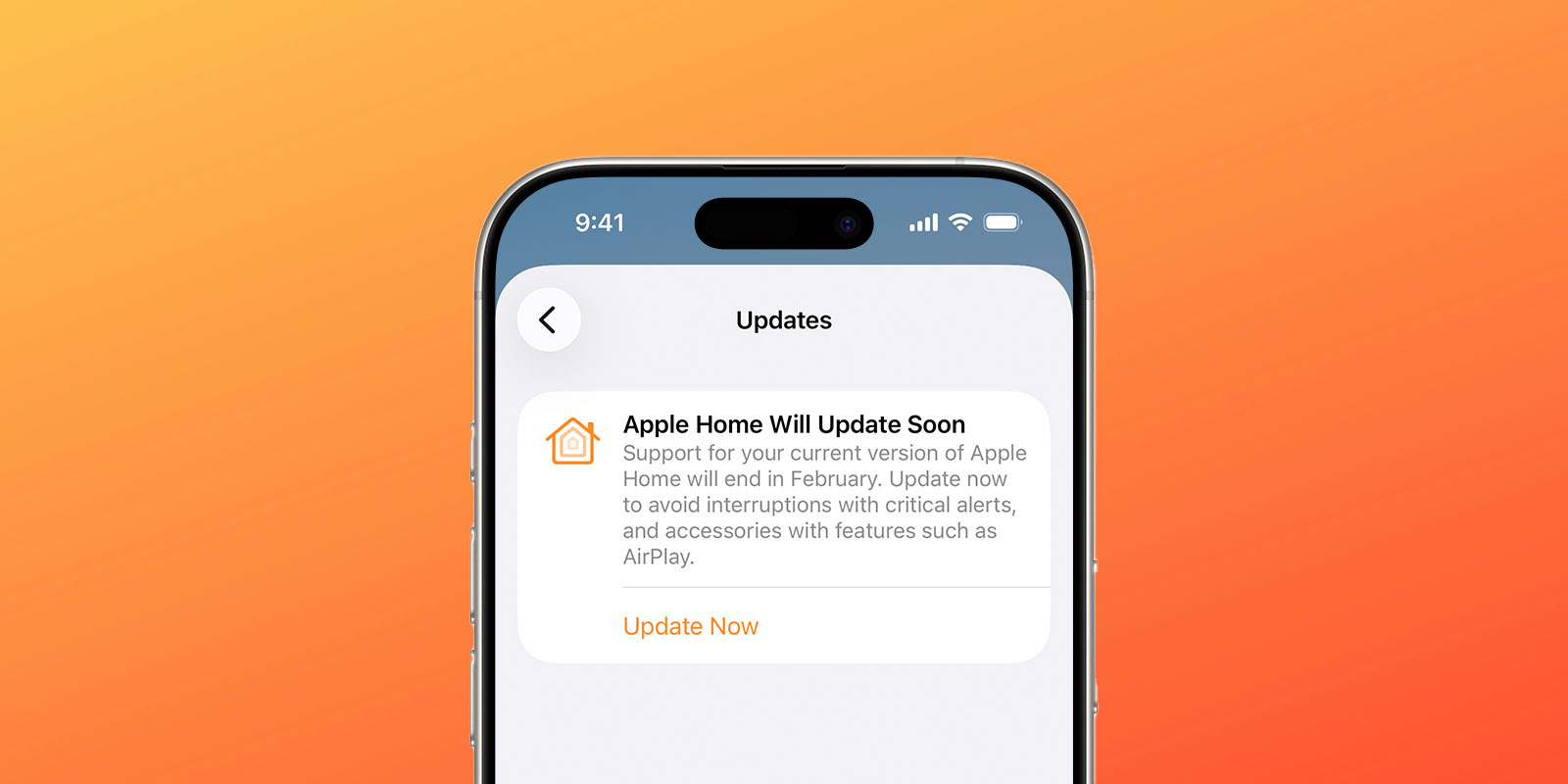
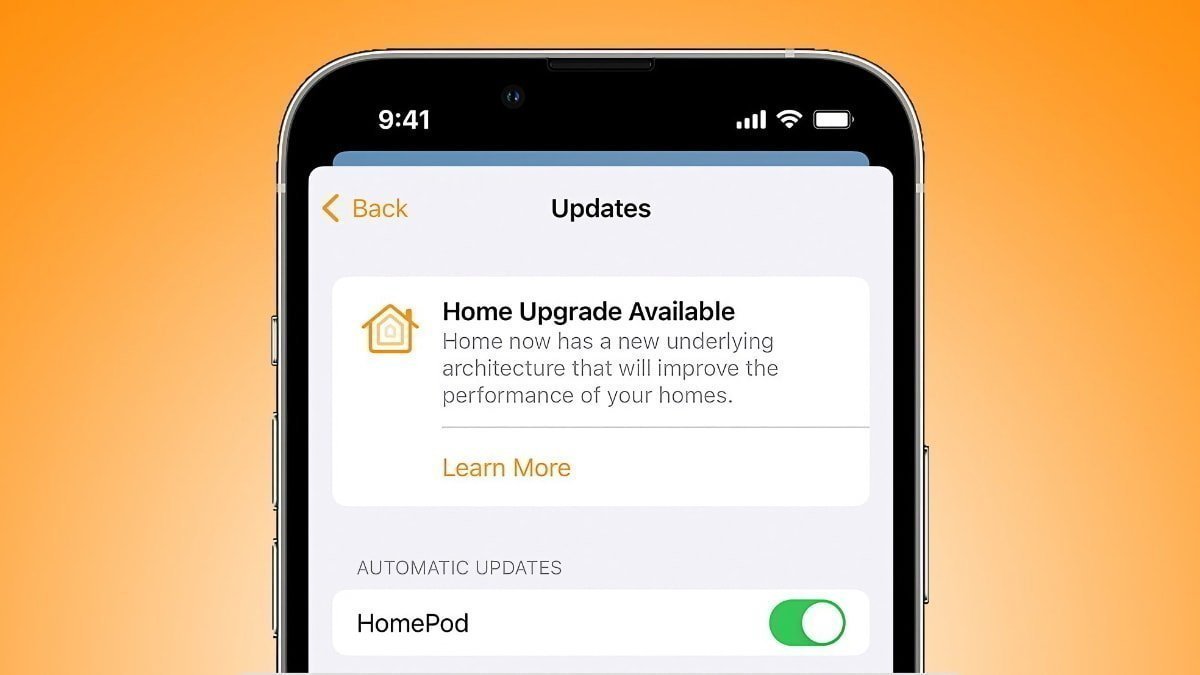
Apple's mandatory HomeKit architecture transition on February 10, 2026 represents a critical inflection point for cross-border e-commerce sellers in the smart home accessories category. The company is discontinuing its original HomeKit system deployed in 2022, forcing millions of users to upgrade to the new Apple Home platform or face complete loss of smart home functionality. This architectural shift creates a compressed 9-month window (from announcement in May 2025 to February 2026 deadline) where sellers must ensure product compatibility, update listings, and prepare customer support infrastructure.
The transition directly impacts smart home device manufacturers and HomeKit accessory sellers through three critical mechanisms. First, the new architecture eliminates iPad support as a Home Hub, forcing users to purchase HomePod or Apple TV devices—creating immediate hardware upgrade demand that benefits sellers of these products and related accessories. Second, the new system introduces Matter protocol support and enhanced features like robot vacuum cleaner compatibility, opening new product categories for sellers to capitalize on. Third, the mandatory upgrade generates a surge in customer service inquiries from users experiencing compatibility issues, creating demand for detailed product documentation, troubleshooting guides, and compatibility verification tools.
For sellers offering HomeKit-enabled products, the operational impact is substantial and time-sensitive. Product listings must be updated to reflect compatibility with the new architecture (iOS 16.2+, macOS 13.1+, tvOS 16.2+, watchOS 9.2+), and sellers should proactively communicate upgrade requirements to existing customers. The news indicates that many users have delayed upgrades until the final deadline approaches, suggesting a spike in customer service inquiries and product returns in January-February 2026. Sellers can capture this opportunity by creating compatibility verification tools, publishing upgrade guides, and positioning products as "new architecture compatible" in listings. The extended timeline from May 2025 announcement to February 2026 implementation provides adequate preparation, but sellers delaying action risk losing market share to competitors who establish compatibility credentials early.
Strategic sellers should immediately audit their product portfolios for HomeKit compatibility, update Amazon/eBay/Shopify listings with explicit architecture support statements, and develop customer communication templates addressing the transition. The shift toward Matter protocol standardization and dedicated hub devices (HomePod/Apple TV) creates secondary market opportunities for sellers of compatible accessories, cables, and mounting solutions. Sellers should monitor Matter adoption rates and consider expanding product lines to capture demand from users upgrading their smart home infrastructure during this transition window.
Questions 7
What happens to HomeKit users who don't upgrade by February 10, 2026?
Users who fail to upgrade will experience complete loss of smart home functionality, including connectivity issues with all HomeKit devices and loss of automation capabilities. According to Apple's official communication, non-upgraded users may encounter problems with accessories and automations or lose complete access to their smart home functionality within the app. They will also miss out on new features like robot vacuum cleaner support and critical security fixes. For sellers, this creates urgent customer service demand as users scramble to upgrade before the deadline, particularly in January-February 2026.
What is the timeline for sellers to prepare for the HomeKit transition?
The transition timeline runs from May 2025 announcement to February 10, 2026 deadline—a 9-month preparation window. Sellers should complete product listing updates and compatibility verification by December 2025 to avoid last-minute rushes. The extended timeline provides adequate preparation, but AppleInsider reports many users have delayed action until the final deadline approaches, suggesting sellers who prepare early will capture market share from competitors. Immediate actions include auditing product portfolios, updating listings, and developing customer communication templates.