
Organic Nutrition's Compliance Revolution Reshapes Global Food Markets
- Regulatory frameworks drive transformative changes in infant nutrition product development and market entry
Overview
The global organic baby food market is experiencing a profound compliance-driven transformation that will fundamentally reshape how nutrition products are developed, certified, and brought to market through 2031. At the core of this evolution lies an increasingly complex regulatory landscape that demands unprecedented levels of transparency, scientific validation, and responsible sourcing.
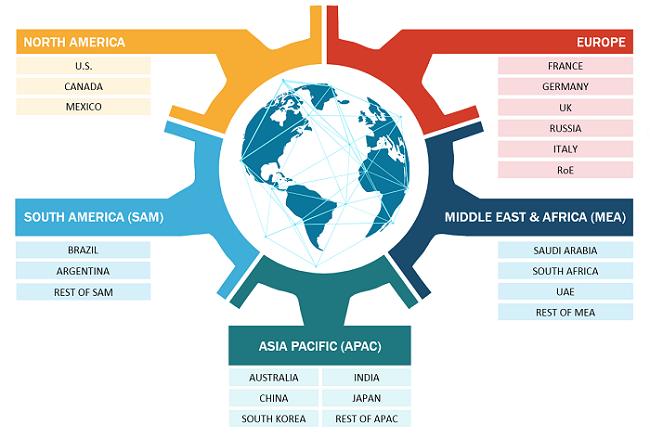
Compliance is becoming the primary competitive differentiator in the infant nutrition sector. Major players like Abbott Laboratories, Danone S.A., and Nestle S.A. are not just developing products, but constructing entire regulatory compliance architectures that serve as strategic moats against potential market entrants. The market's segmentation across North America, Europe, Asia Pacific, and South/Central America reveals that regional regulatory frameworks are creating distinctly different compliance challenges and opportunities.
Clean-label transparency has emerged as a critical compliance requirement, transforming how companies approach product development. Sellers must now navigate a multi-dimensional compliance ecosystem that encompasses clean-label standards, nutritional certifications, sustainable packaging regulations, and digital traceability requirements. The most successful market participants will be those who can rapidly adapt their supply chains, formulations, and documentation to meet these evolving standards.
The strategic implications are profound: compliance is no longer a back-office function but a core competitive capability. Companies must invest in clinical collaborations, responsible sourcing protocols, and digital documentation systems that can provide real-time verification of nutritional claims and production standards. The market is moving toward a model where compliance itself becomes a value proposition, with consumers increasingly viewing rigorous certification as a marker of product quality and corporate responsibility.
By 2031, regulatory compliance will have transformed from a cost center to a strategic differentiator, fundamentally restructuring how infant nutrition products are conceived, developed, and brought to market.
Questions 3
Which regions have the most complex compliance requirements for infant nutrition?
North America and Europe currently lead in complex compliance frameworks, with stringent requirements around nutritional documentation, sustainable packaging, and clean-label standards. Asia Pacific is rapidly developing more sophisticated regulatory environments as consumer awareness increases.
What are the key compliance challenges for infant nutrition companies?
Key challenges include navigating diverse regional regulatory frameworks, maintaining clean-label transparency, implementing robust sourcing protocols, and developing digital documentation systems that can provide real-time verification of nutritional claims and production standards.