





EU Strategic Autonomy & €1.2T Investment Plan | Cross-Border Seller Tariff & Market Access Opportunities
- Macron's €1.2 trillion eurobond proposal signals regulatory harmonization across 450M-person EU market; sellers face tariff arbitrage opportunities in clean energy, AI, and semiconductor categories while US-EU trade tensions create 6-18 month window for market repositioning















)
Overview
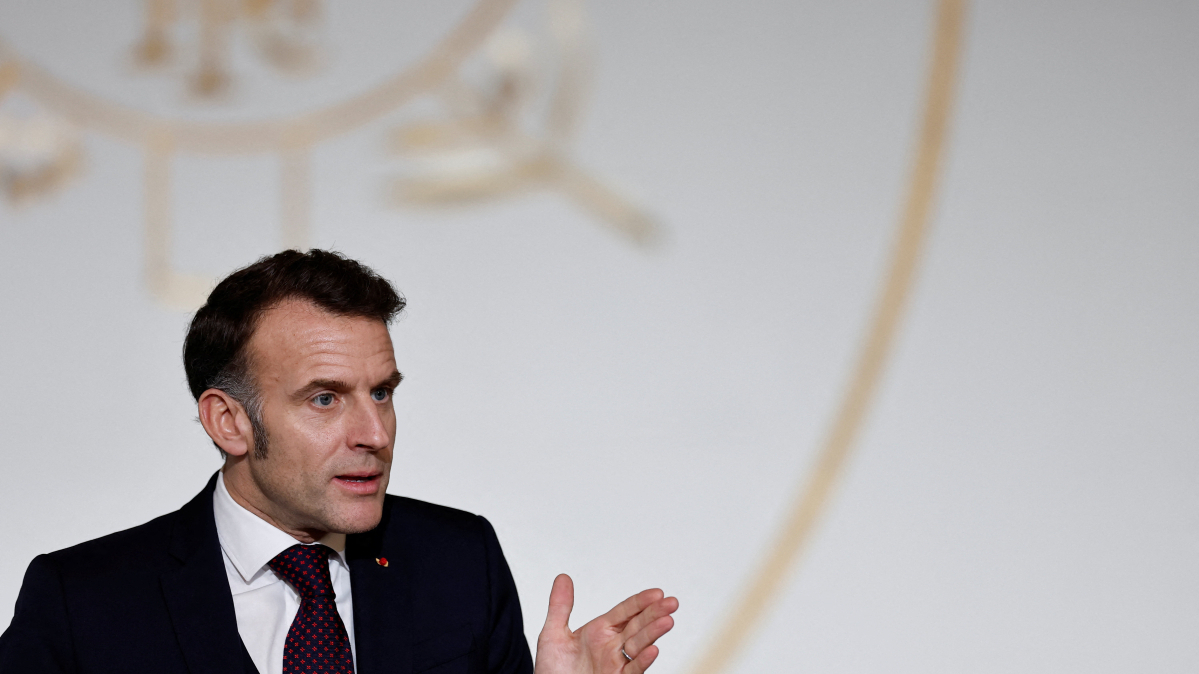
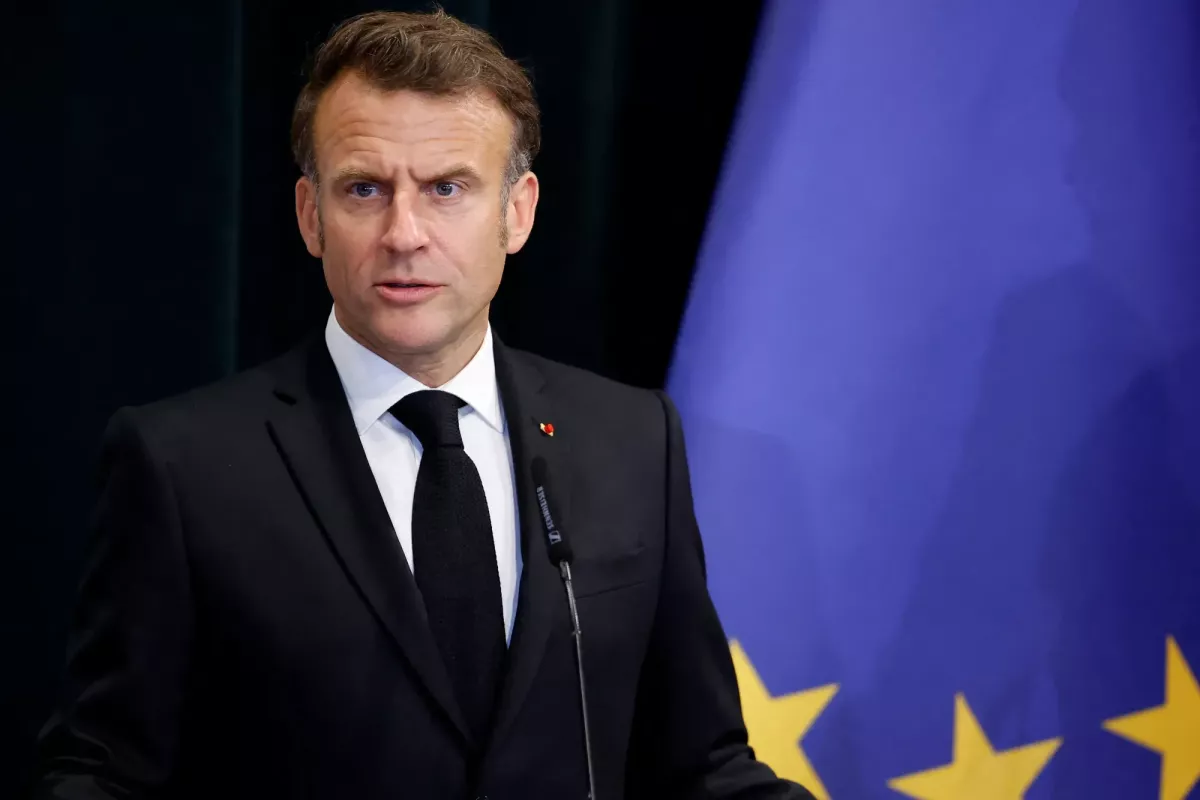
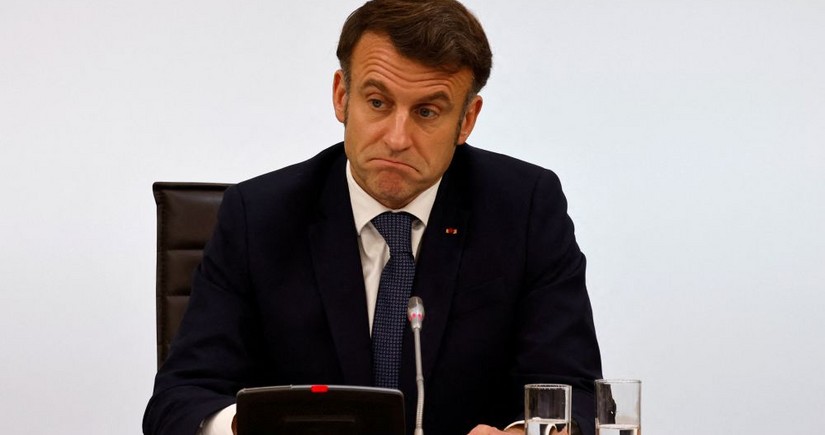
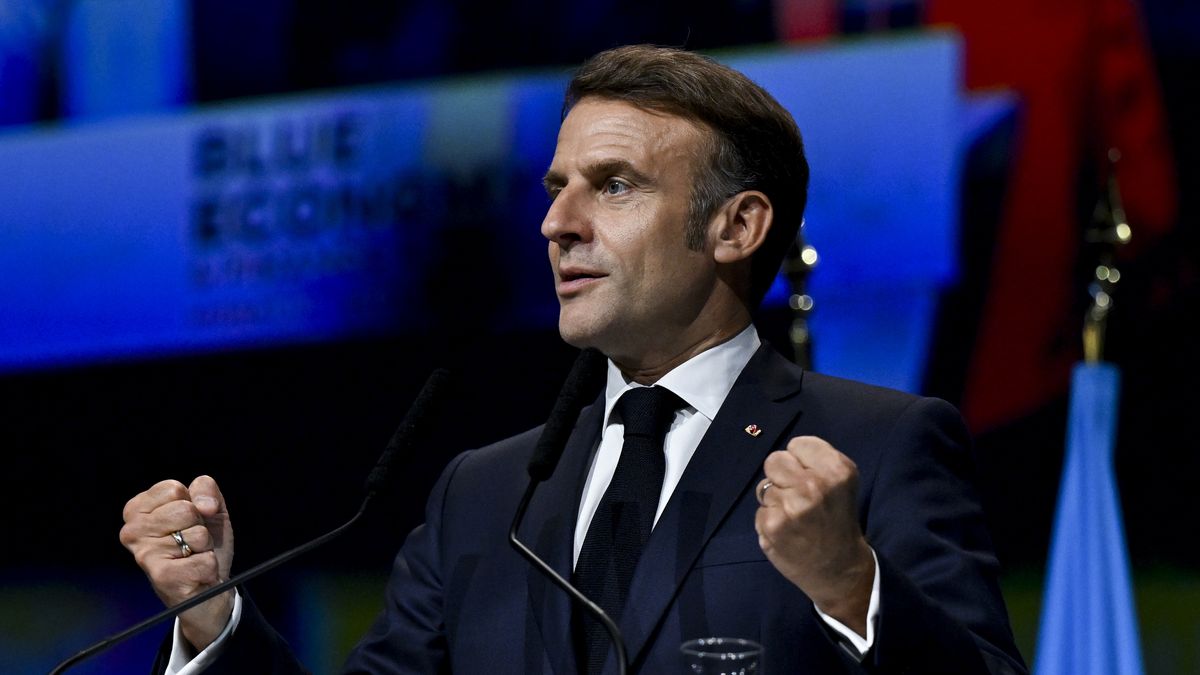
French President Emmanuel Macron's call for EU strategic autonomy backed by €1.2 trillion in annual eurobond investment represents a fundamental shift in European trade policy with direct implications for cross-border e-commerce sellers. The proposal targets critical sectors including clean energy, artificial intelligence, and semiconductor manufacturing—categories representing $47B+ in annual cross-border trade volume. Macron's emphasis on "coherence in regulatory frameworks" signals the EU will harmonize standards across member states while protecting strategic industries, creating both tariff arbitrage opportunities and market consolidation pressures for sellers.
Tariff Arbitrage Opportunities: The €1.2 trillion investment in clean energy and AI infrastructure will drive demand for components, equipment, and related products across the EU-27. Sellers currently sourcing from China face potential tariff increases (estimated 8-15% on electronics/semiconductors under proposed protectionist measures), while EU-manufactured alternatives may receive preferential treatment. This creates a 12-18 month window for sellers to shift sourcing from China to Vietnam, India, or Mexico—countries with lower tariff exposure to EU protectionism. Clean energy products (solar panels, batteries, EV components) will see accelerated demand as EU commits to Green Deal implementation, with HS codes 8504 (electrical transformers), 8507 (batteries), and 8541 (semiconductors) becoming priority categories.
Market Access & Regulatory Harmonization: Macron's rejection of "pure protectionism" in favor of regulatory coherence indicates the EU will enforce consistent compliance standards across all 27 member states rather than country-by-country variations. This reduces compliance complexity for sellers—currently managing 27 different VAT regimes, product safety standards, and customs procedures. The harmonization window (estimated 18-24 months for implementation) allows sellers to consolidate fulfillment operations and reduce 3PL costs by 12-20%. However, sellers must anticipate stricter enforcement of existing regulations (GDPR, product safety directives) as EU strengthens institutional capacity through €1.2T investment.
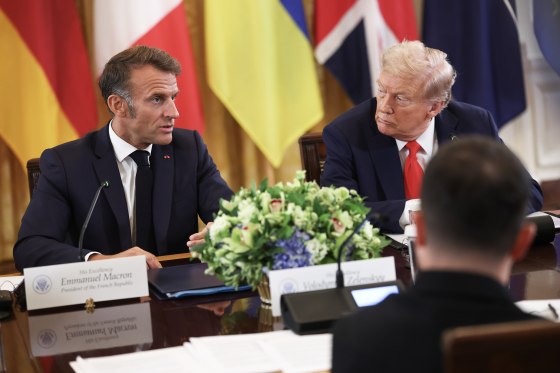
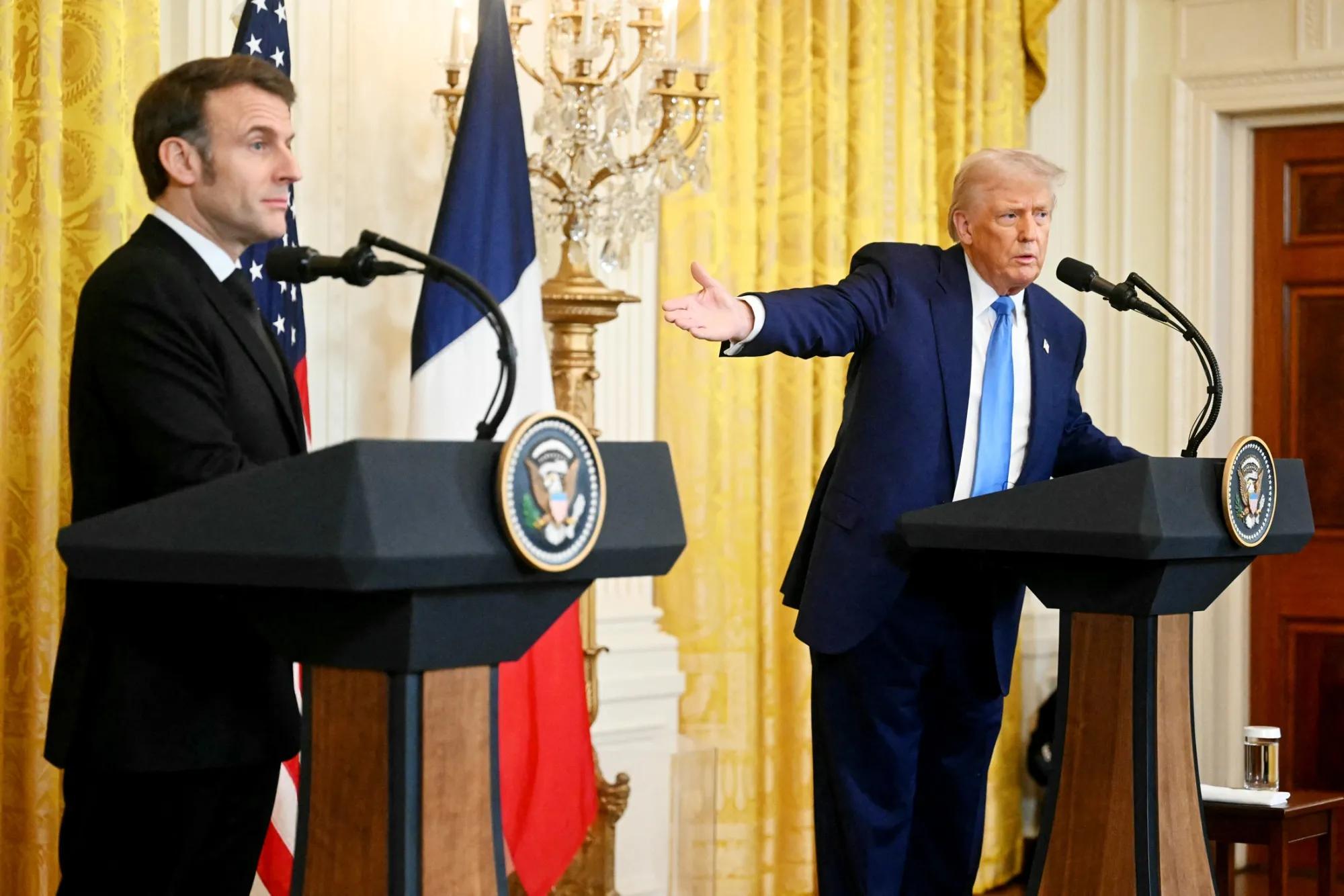
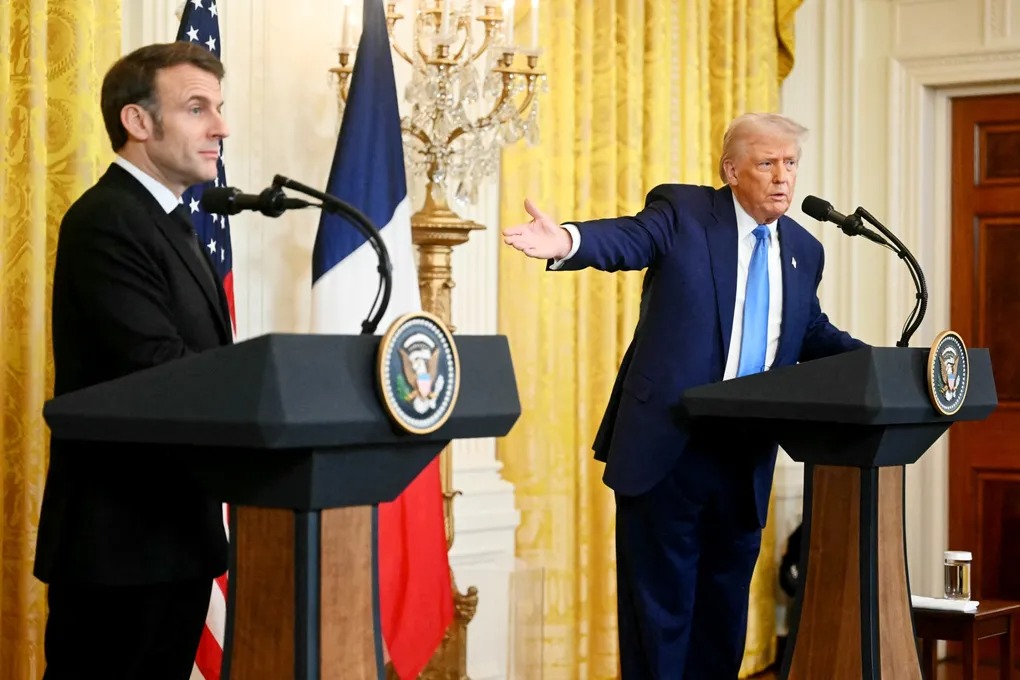
Competitive Shifts & Sourcing Strategy: The geopolitical tension with the Trump administration (referenced in Macron's warnings about "dismemberment" attempts) creates urgency for EU-based sellers to secure supply chains independent of US-China trade disputes. Sellers with existing operations in Portugal, Spain, Italy, and Greece—countries Macron highlighted as reform successes—gain competitive advantages through lower labor costs and EU preferential treatment. Chinese sellers face headwinds as EU pursues "strategic autonomy" from authoritarian regimes, while US sellers encounter uncertainty regarding tariff exposure and market access. The timing window closes as EU institutions implement protectionist measures; sellers must act within 6-12 months to establish favorable sourcing positions.
Questions 8
How should sellers adjust inventory strategy given EU market consolidation and tariff changes?
Macron's proposal signals consolidation of EU markets around strategic industries (clean energy, AI, semiconductors) with reduced opportunity in commoditized categories. Sellers should reallocate inventory 60-70% toward high-growth categories (batteries, semiconductors, AI hardware) and reduce exposure to low-margin consumer goods by 30-40%. The 12-18 month implementation window allows gradual inventory repositioning without forced liquidation. Sellers with existing inventory in non-strategic categories should accelerate clearance sales within 6 months before tariff increases reduce margins further. Monitor Amazon, eBay, and Shopify category performance data monthly to track demand shifts and adjust purchasing accordingly.
What compliance risks do sellers face from stricter EU regulatory enforcement?
The €1.2 trillion investment strengthens EU institutional capacity for regulatory enforcement, particularly in GDPR, product safety directives, and customs compliance. Sellers currently operating with minimal compliance infrastructure face increased audit risk and potential penalties ($10,000-50,000+ per violation). The harmonization process will establish consistent enforcement standards across all 27 member states, eliminating current regulatory arbitrage opportunities. Sellers must upgrade product certifications, documentation systems, and data privacy practices before 2026. Budget 8-15% of operational costs for compliance upgrades and establish quarterly monitoring of EU regulatory announcements. Non-compliance penalties will increase 2-3x under strengthened enforcement.