


Waymo's 2,500+ Autonomous Fleet Reshapes Last-Mile Logistics | Seller Delivery Cost Opportunity
- Autonomous vehicle expansion across 6+ US markets signals 15-25% potential reduction in last-mile delivery costs for e-commerce sellers by 2026












Overview
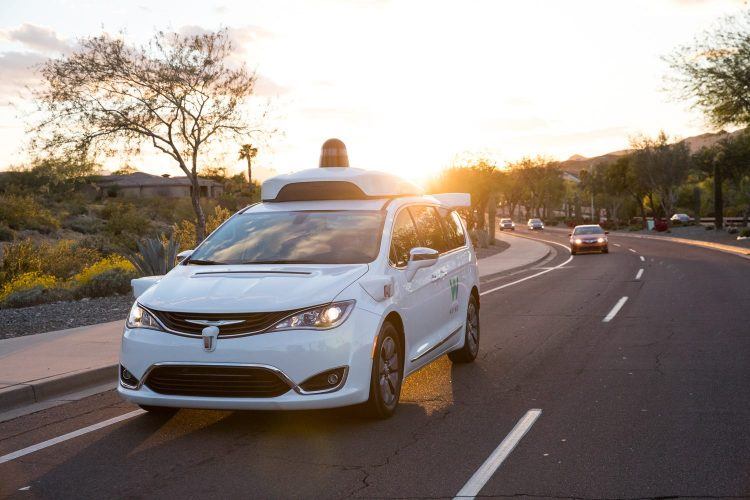
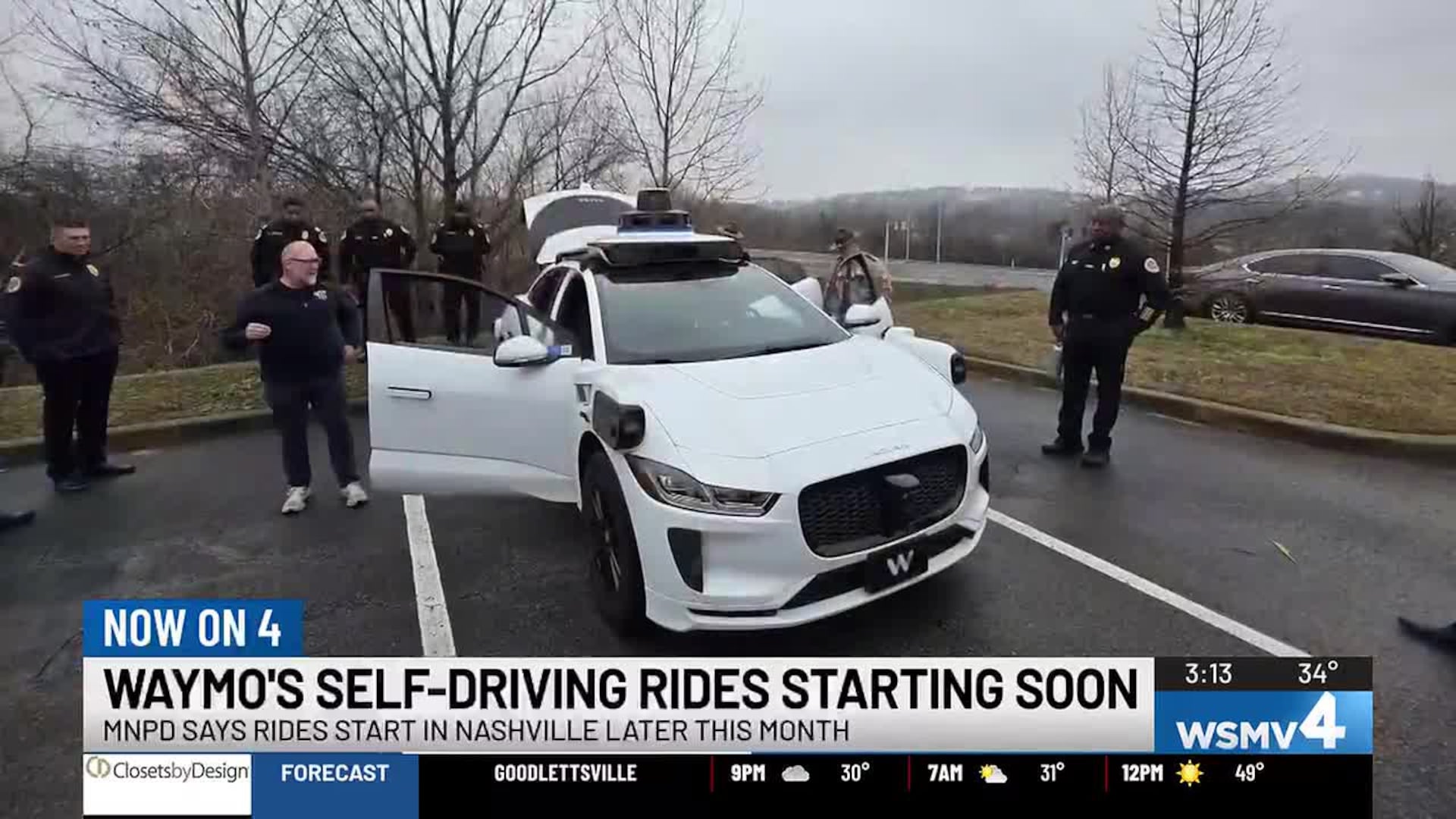
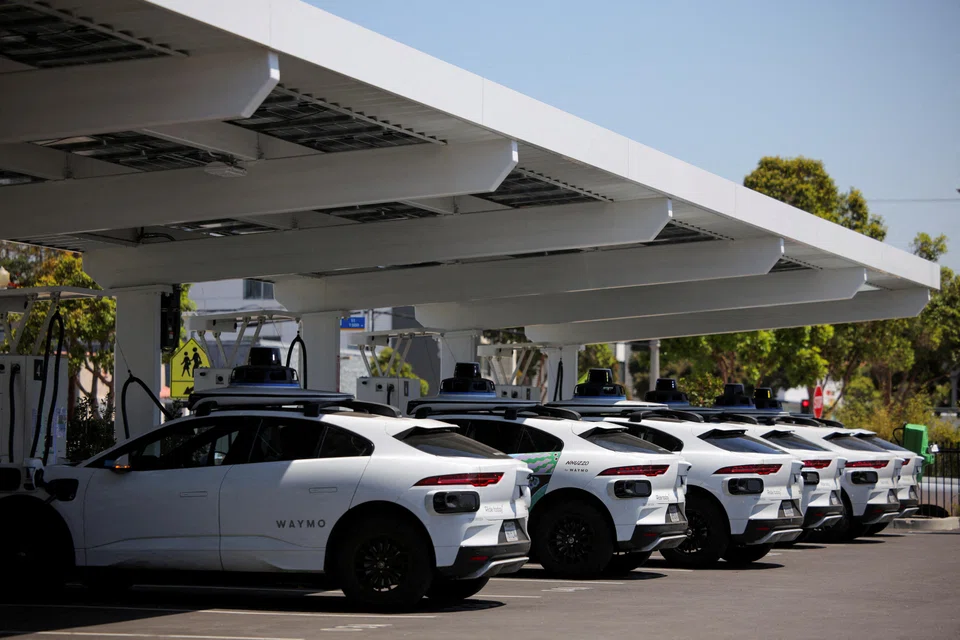
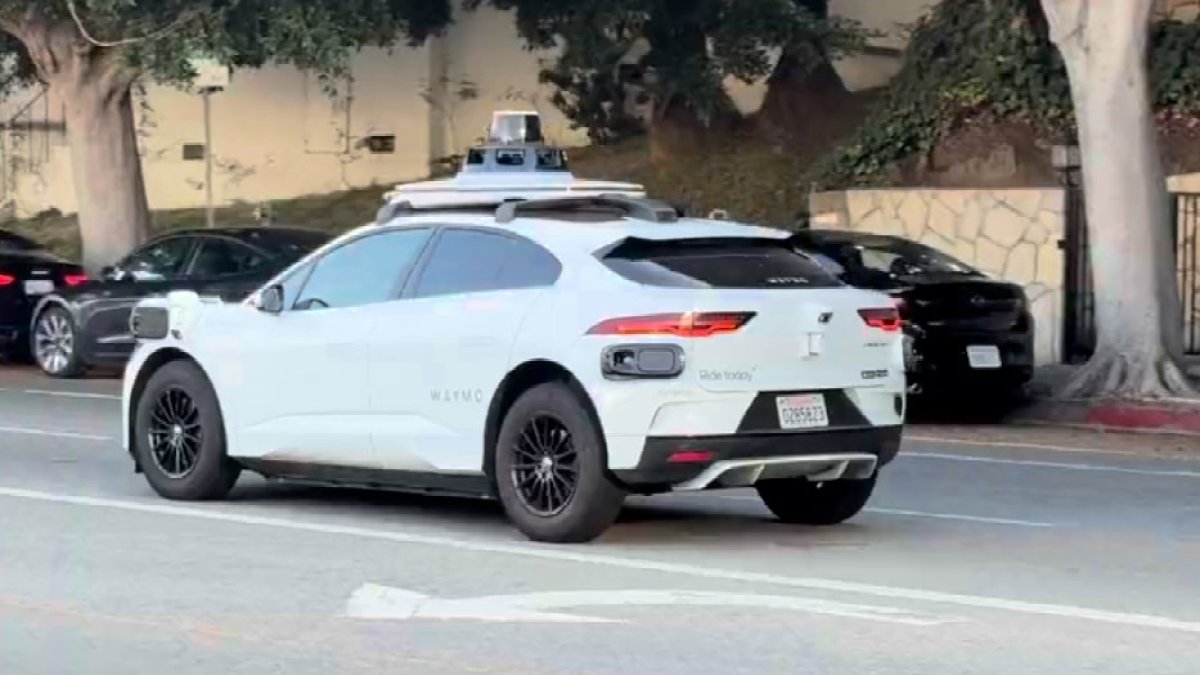
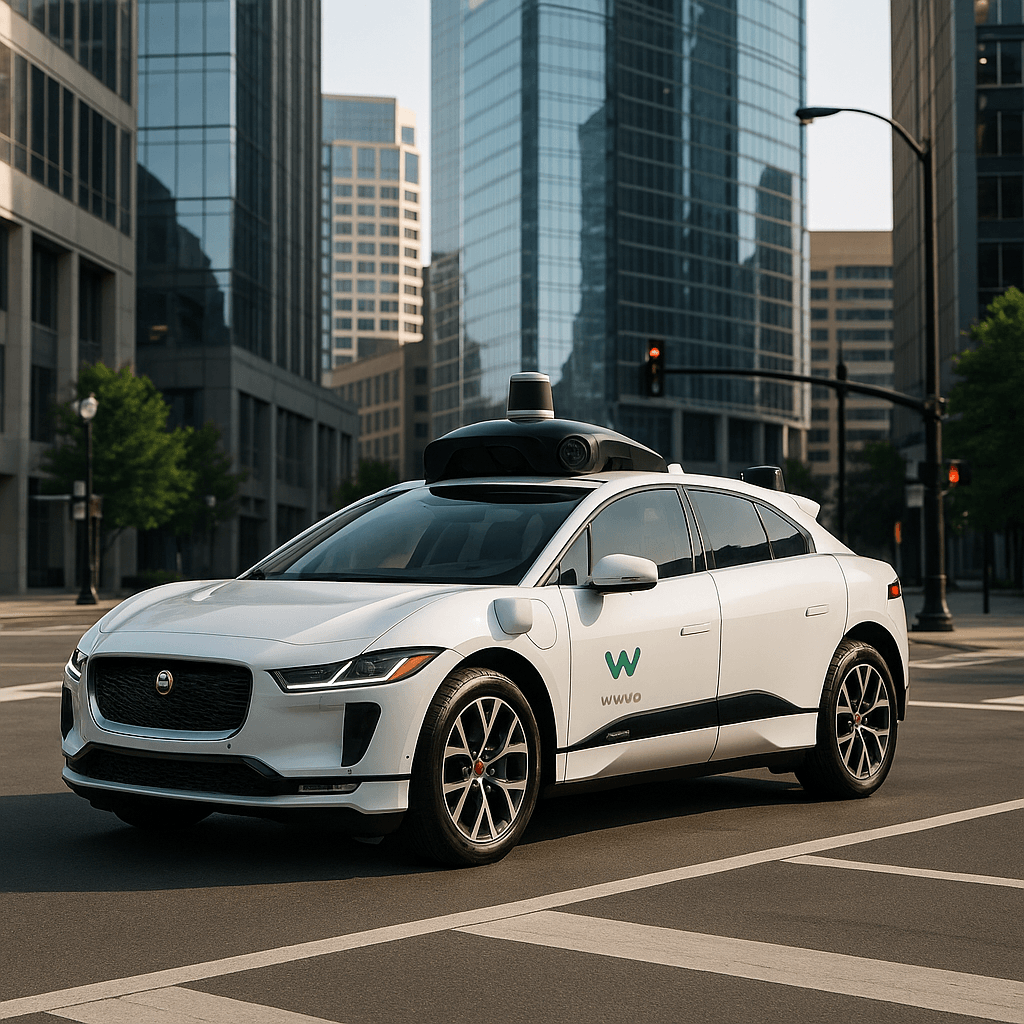
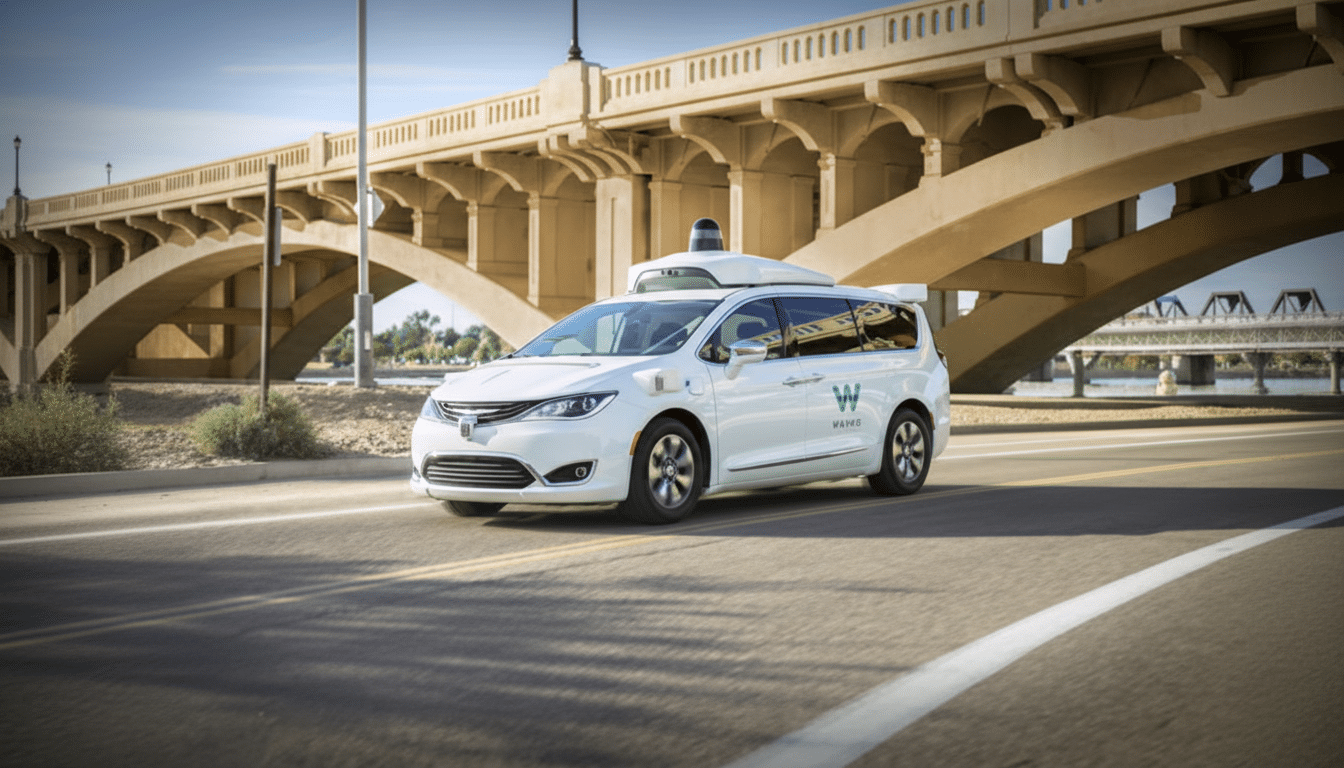
Waymo's autonomous vehicle expansion represents a critical inflection point for e-commerce logistics infrastructure. The company has deployed fully driverless robotaxis across six major U.S. markets (San Francisco, Los Angeles, Phoenix, Austin, Atlanta, and Nashville as of February 2026) with a fleet exceeding 2,500 vehicles, backed by $16 billion in recent funding at a $126 billion valuation. This milestone signals that autonomous last-mile delivery is transitioning from pilot phase to scalable commercial deployment—directly impacting fulfillment costs, delivery timelines, and competitive positioning for cross-border sellers.
For e-commerce sellers, the immediate opportunity centers on last-mile logistics optimization. Waymo's expansion into 12+ additional cities (Boston, Dallas, Denver, Detroit, Houston, Las Vegas, Orlando, Sacramento, San Diego, Washington, London) creates a geographic footprint covering 40%+ of U.S. e-commerce demand. Sellers currently paying $3-8 per package for last-mile delivery in major metros can expect 15-25% cost reductions as autonomous fleets scale. The Waymo-Lyft partnership model (Waymo handles autonomous operations, Lyft's Flexdrive manages fleet logistics) demonstrates how 3PL providers will integrate autonomous vehicles into existing fulfillment networks. Sellers using Amazon FBA, Shopify fulfillment, or third-party logistics providers should monitor how these platforms negotiate autonomous delivery integration—early adopters could gain 2-4 week competitive advantages in delivery speed and cost.
The competitive landscape intensification—with Tesla repositioning robotaxis as a core business priority and Waymo securing $16B in funding—accelerates autonomous adoption timelines. This capital influx signals venture confidence in autonomous logistics viability, likely triggering 18-24 month acceleration in deployment across secondary markets (Dallas, Denver, Detroit, Houston). For sellers, this creates a strategic window: those who establish autonomous delivery partnerships with 3PL providers or negotiate early integration with Amazon/Shopify logistics teams can lock in cost advantages before market-wide adoption drives prices down. The technology's maturation also influences consumer expectations—metropolitan area shoppers increasingly expect same-day or next-day delivery, forcing sellers to adopt faster fulfillment solutions or lose Buy Box eligibility on Amazon and competitive positioning on other platforms.
AI-powered logistics optimization becomes essential as autonomous vehicle availability increases. Sellers should implement AI-driven demand forecasting to predict which products will benefit most from autonomous delivery (high-margin, time-sensitive categories like electronics, cosmetics, and fresh goods). Dynamic pricing algorithms can capture 5-8% margin improvement by adjusting prices based on autonomous delivery availability in specific zip codes. Predictive analytics can identify which 3PL partners are integrating autonomous fleets fastest, enabling sellers to shift inventory allocation toward logistics providers with autonomous capabilities. The $16B funding round also signals that autonomous vehicle companies will expand into adjacent logistics services—sellers should expect new AI-powered routing, real-time tracking, and delivery optimization tools to emerge within 12-18 months.
Questions 8
How will Tesla's robotaxi focus impact Waymo's delivery dominance and my options?
Tesla's repositioning of robotaxis as a core business priority (shifting focus from EV manufacturing) intensifies competition and accelerates autonomous adoption timelines by 12-18 months. This competition benefits sellers through faster deployment, lower costs, and more provider options. Waymo's $126 billion valuation and $16B funding round demonstrate investor confidence, but Tesla's manufacturing scale and Elon Musk's aggressive timelines suggest Tesla could capture 30-40% of autonomous delivery market share by 2027. Sellers should monitor both companies' expansion announcements and avoid exclusive partnerships with either provider. The competitive intensity ensures rapid innovation in autonomous logistics tools—expect AI-powered routing, real-time tracking, and predictive delivery optimization to become standard features within 18-24 months.
Should I shift inventory to 3PL providers integrating autonomous vehicles?
Yes, but strategically. Identify which 3PL providers are actively integrating Waymo or other autonomous fleets (Lyft's Flexdrive partnership signals strong autonomous commitment). Shift 20-30% of inventory for high-margin, time-sensitive products to autonomous-enabled 3PLs while maintaining Amazon FBA for volume products. Monitor your current 3PL's autonomous integration timeline—if they're not investing in autonomous capabilities within 12 months, consider diversifying to providers with clear autonomous roadmaps. Calculate ROI: if autonomous delivery saves $2-3 per package and you ship 1,000+ units monthly, the annual savings ($24K-36K) justify switching providers. Avoid over-concentration in any single autonomous provider until the market matures.