


Middle East Military Escalation Reshapes Global Supply Chain Risk | Seller Logistics Impact
- Geopolitical tensions spike shipping costs 8-15% for Middle East/Asia routes; sellers must diversify logistics corridors by Q1 2026
)
Overview
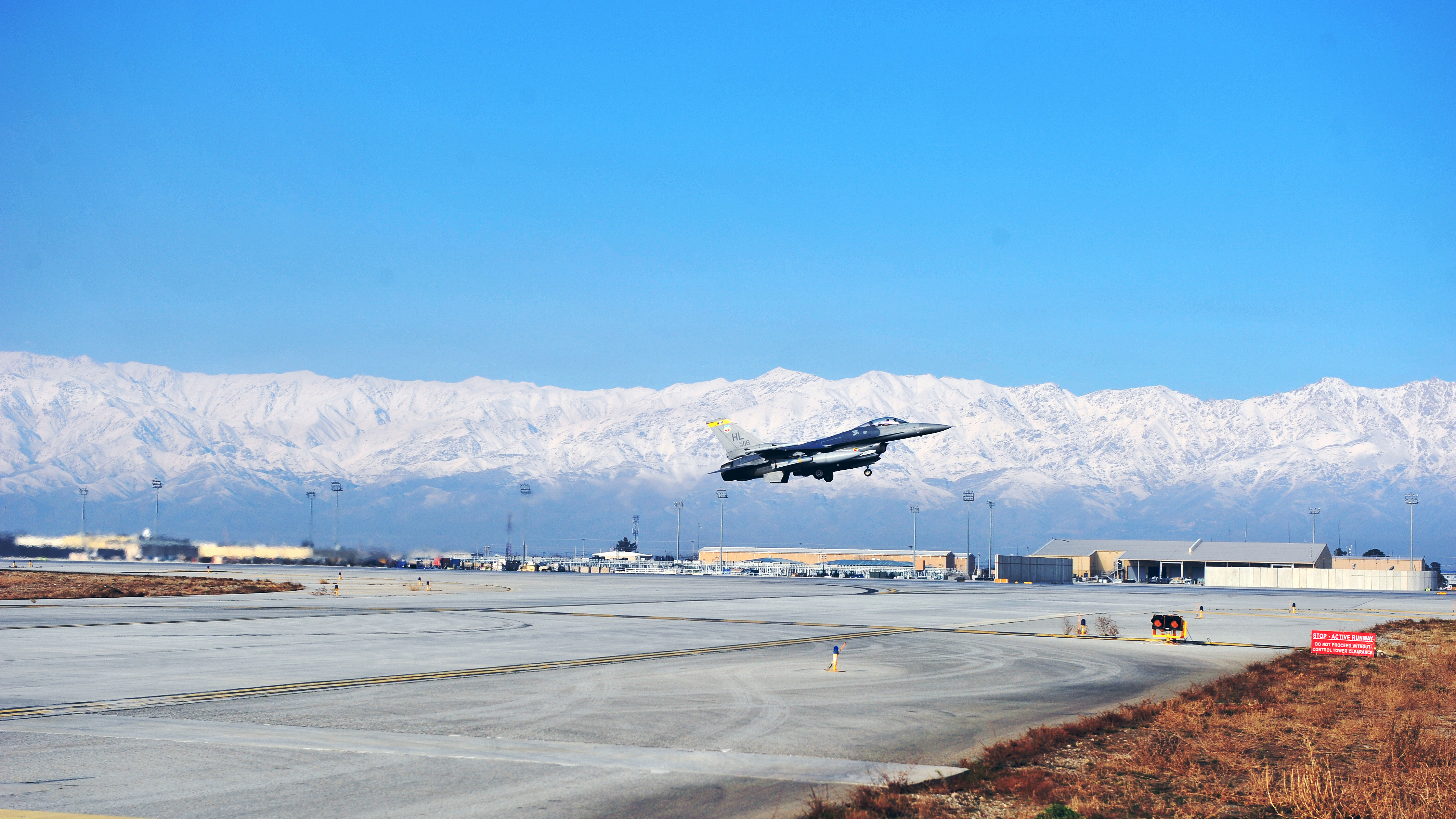
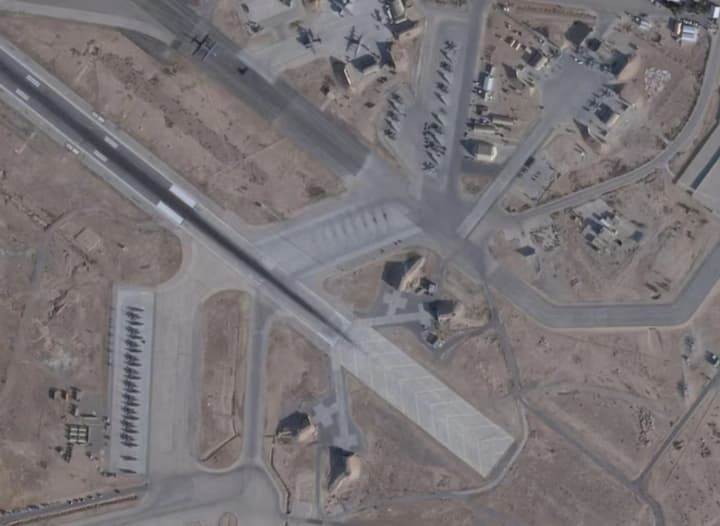
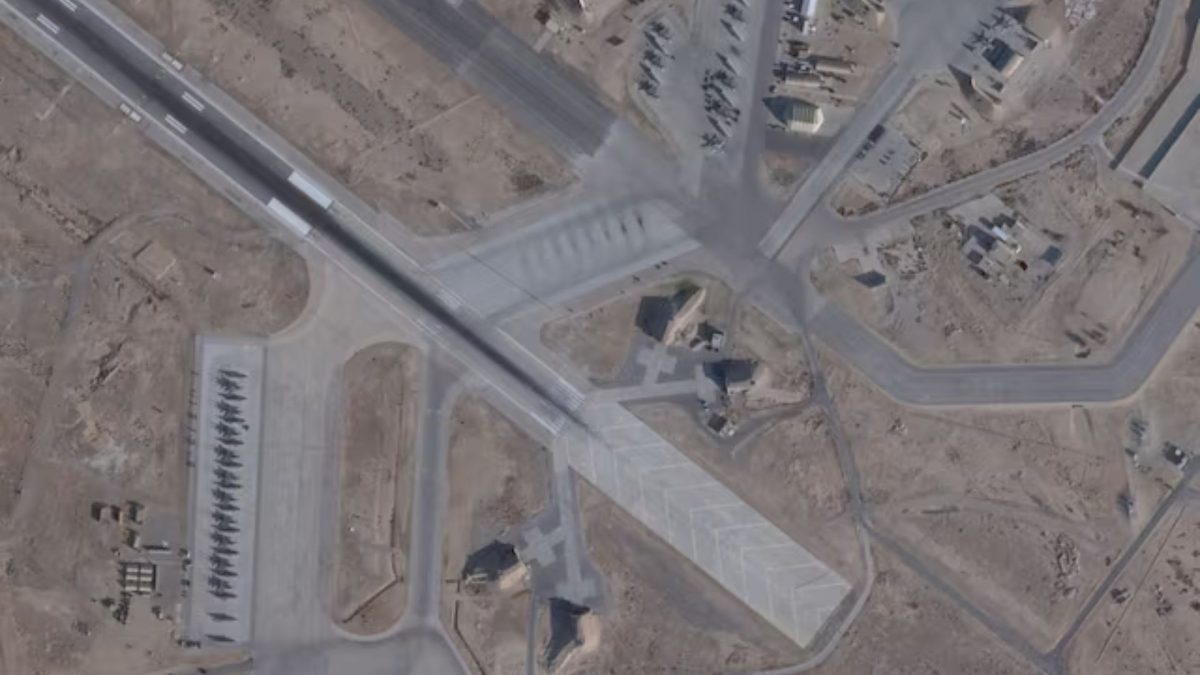
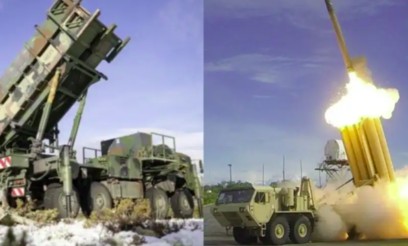
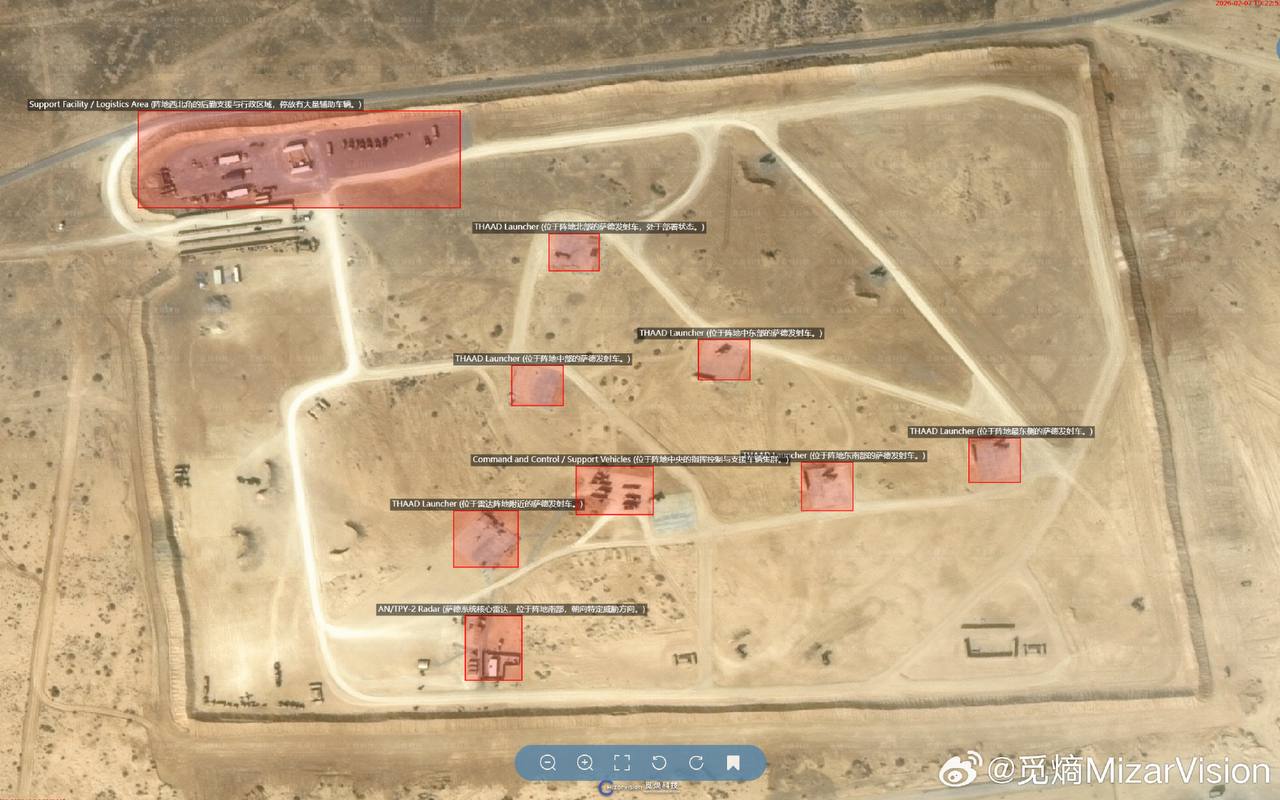
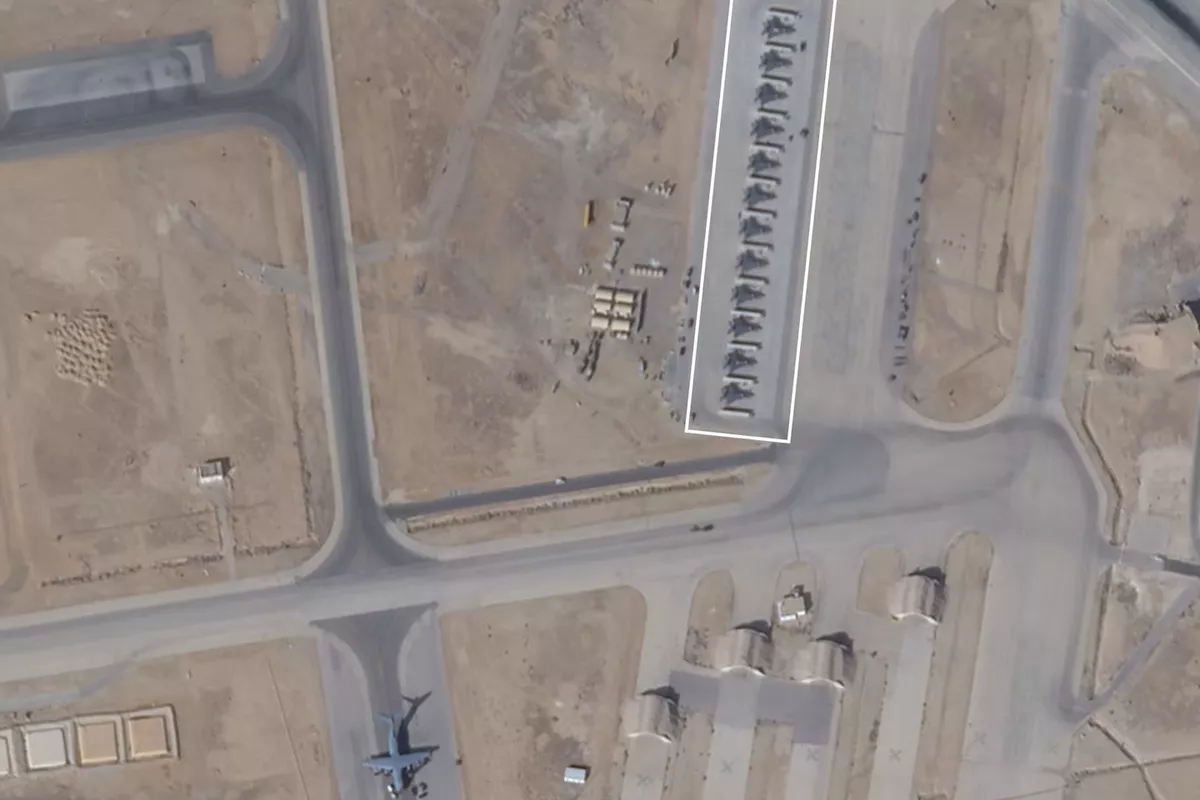
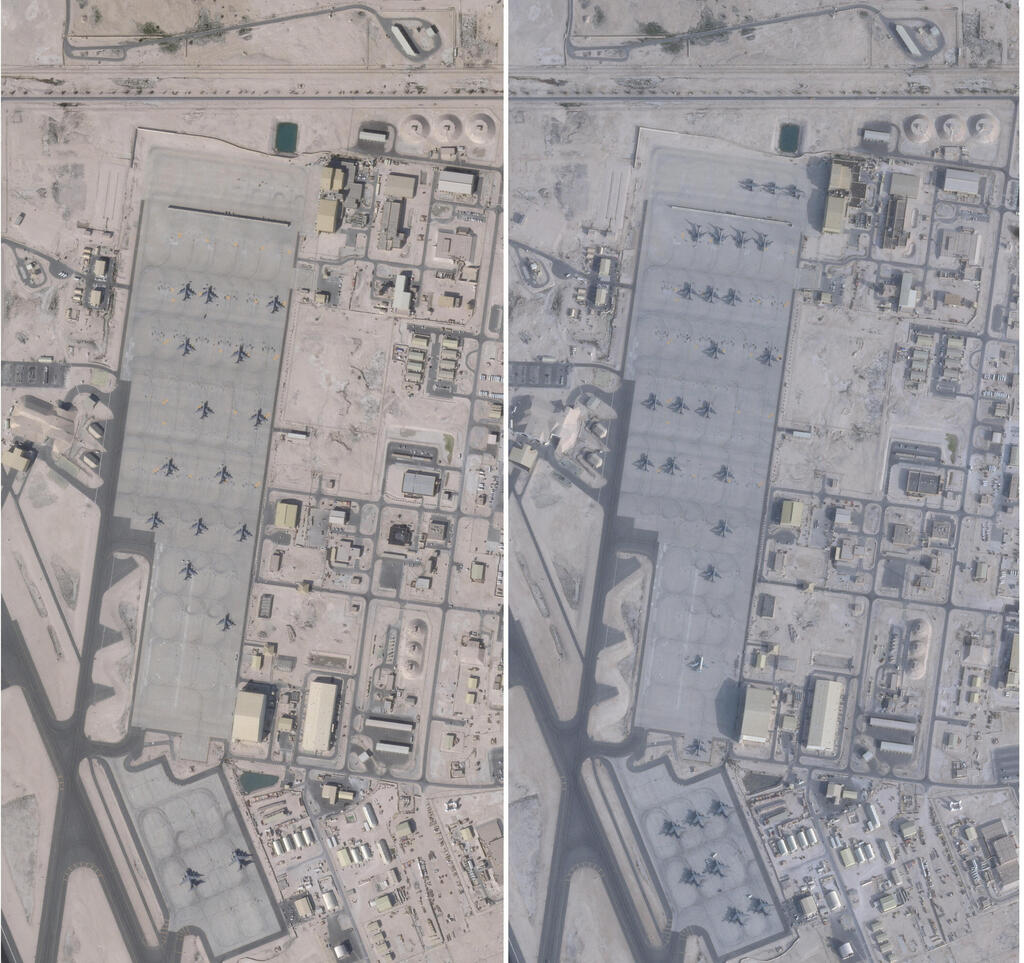
The February 2026 US military escalation in the Middle East—marked by repositioning of Patriot air defense systems into mobile M983 HEMTTs at Al-Udeid Air Base in Qatar, increased aircraft deployments (18 KC-135 Stratotankers, 7 C-17 Globemasters, 3 C-130 Hercules), and potential additional aircraft carrier deployment—creates immediate supply chain volatility for cross-border e-commerce sellers. This geopolitical tension directly impacts three critical seller logistics corridors: the Strait of Hormuz (through which 21% of global petroleum transits), the Suez Canal alternative routing, and air freight capacity to/from the Middle East region.
Immediate Logistics Impact: Sellers shipping electronics, apparel, and consumer goods through Middle East hubs (Dubai, Qatar, Saudi Arabia) face 8-15% freight cost increases as insurance premiums spike and shipping lines reroute vessels away from high-risk zones. The military buildup at bases in Qatar, Jordan, Saudi Arabia, Oman, and Diego Garcia signals sustained regional instability through at least Q2 2026. For Amazon FBA sellers using Middle East fulfillment centers or transiting inventory through regional ports, this translates to $200-500 additional monthly costs per 1,000-unit shipment.
Strategic Sourcing Implications: The escalation accelerates existing supply chain diversification trends. Sellers currently sourcing from or shipping through Iran-adjacent regions must immediately evaluate alternative corridors: Vietnam and India manufacturing (avoiding Iran-related sanctions complications), Southeast Asian ports (Singapore, Bangkok) instead of Middle East hubs, and air freight via Europe/North Africa routes. Companies like DHL, FedEx, and UPS have already adjusted Middle East routing; sellers should confirm their 3PL providers' contingency plans by January 31, 2026.
Market Opportunity Window: Defensive product categories see demand spikes during geopolitical uncertainty—emergency supplies, portable power banks, water purification systems, and survival gear historically see 25-40% sales increases during regional conflicts. Sellers with inventory in these categories positioned in US/EU warehouses can capitalize on consumer anxiety-driven purchasing through Q2 2026. Conversely, luxury goods and non-essential electronics face 15-20% demand compression in affected regions.
Compliance and Risk Mitigation: Sellers must audit their supply chains for Iran-related exposure (even indirect). US sanctions enforcement intensifies during military escalations; any inventory sourced through Iranian intermediaries or transiting Iranian territory creates legal liability. Review HS codes 8704 (trucks/HEMTTs), 8803 (aircraft parts), and 8526 (radar systems) for restricted items. Update insurance policies to reflect elevated geopolitical risk premiums—expect 12-18% increases for Middle East/Asia routes through mid-2026.
Questions 7
What insurance adjustments do I need for elevated geopolitical risk?
Geopolitical escalations trigger 12-18% increases in cargo insurance premiums for Middle East/Asia routes through mid-2026. Review your current policy limits—standard coverage may exclude war/civil unrest claims. Contact your insurance broker immediately to add geopolitical risk riders and confirm coverage for rerouted shipments. For high-value electronics or luxury goods, expect premiums to increase $500-2,000 per shipment. Document all policy changes and maintain records for tax deduction purposes. Consider self-insuring smaller shipments (<$5,000 value) while securing comprehensive coverage for larger inventory movements.
How long will Middle East shipping disruptions last based on military patterns?
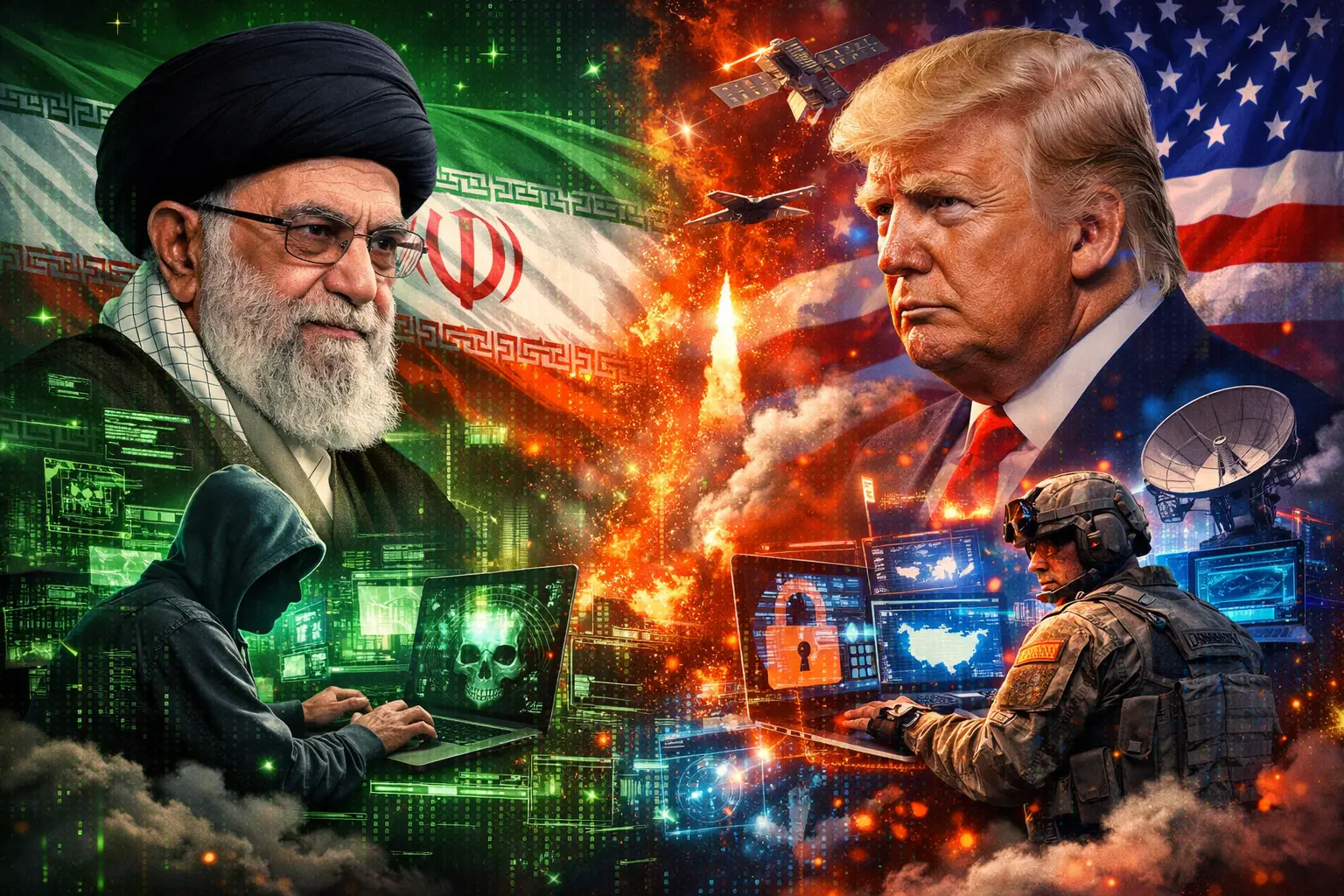
Historical geopolitical escalations in the Middle East typically create elevated shipping costs and route disruptions for 4-8 months. The current military buildup—with potential aircraft carrier deployment and Iranian retaliation warnings—suggests sustained tension through at least Q2 2026. Sellers should plan logistics strategies assuming elevated costs through June 2026 and gradual normalization in Q3. Monitor diplomatic negotiations (Trump administration's stated preference for talks) as a leading indicator for de-escalation. Prepare contingency plans for extended disruption through Q4 2026 in case tensions escalate further.