

Arctic Military Buildup Drives Cold-Weather Gear Demand | Seller Opportunity 2026
- UK doubles Norway troop deployment to 2,000 personnel; Exercise Cold Response 26 creates seasonal demand spike for tactical apparel, outdoor equipment, and survival gear across Nordic markets














)




















Overview
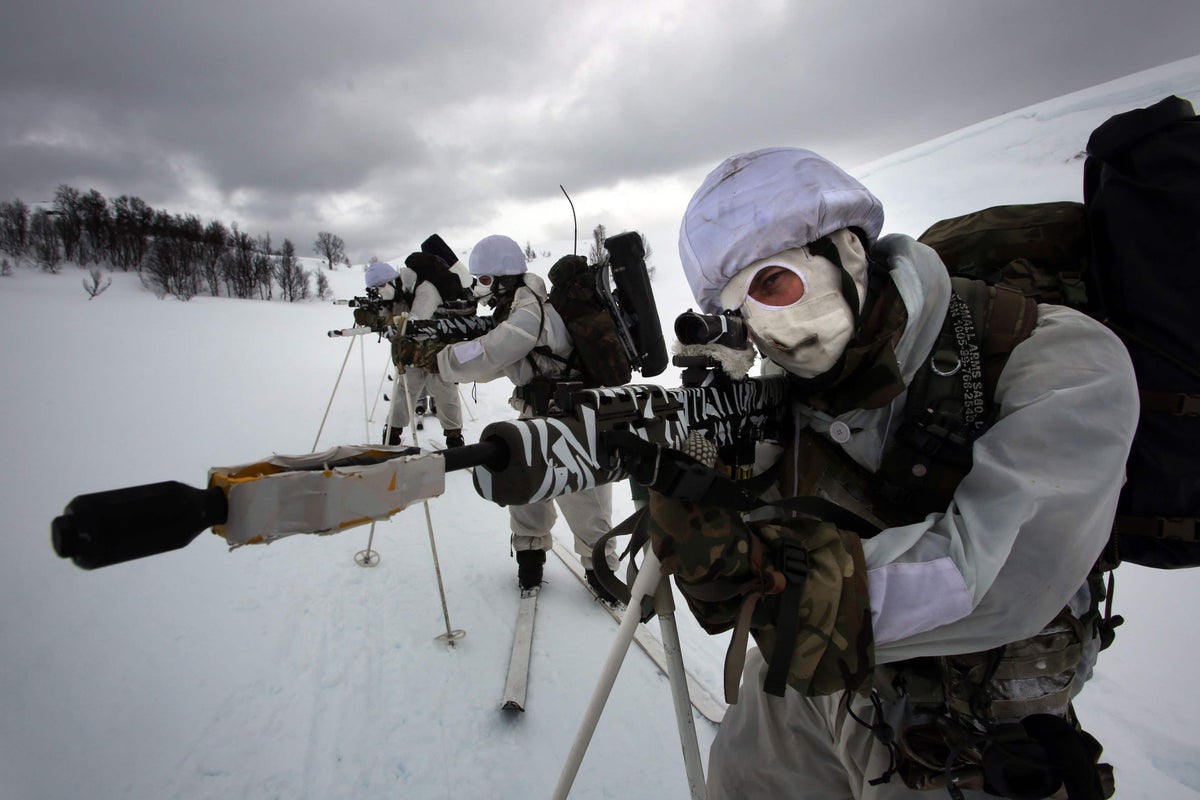
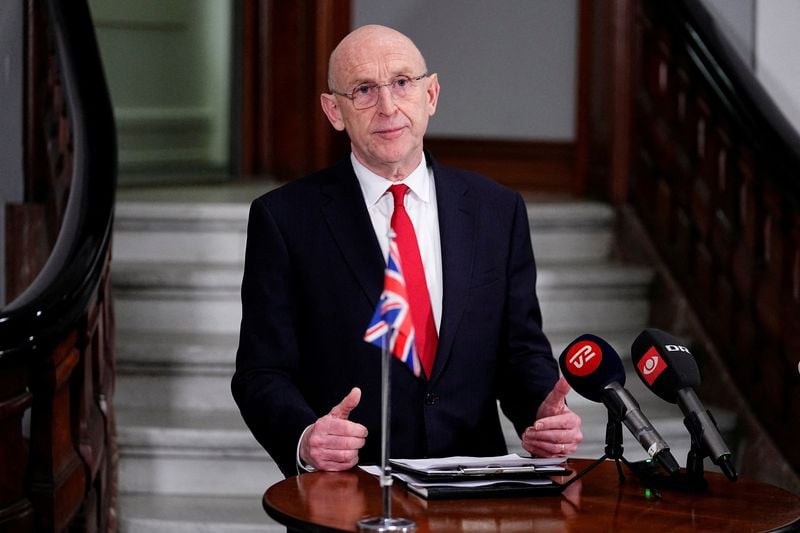
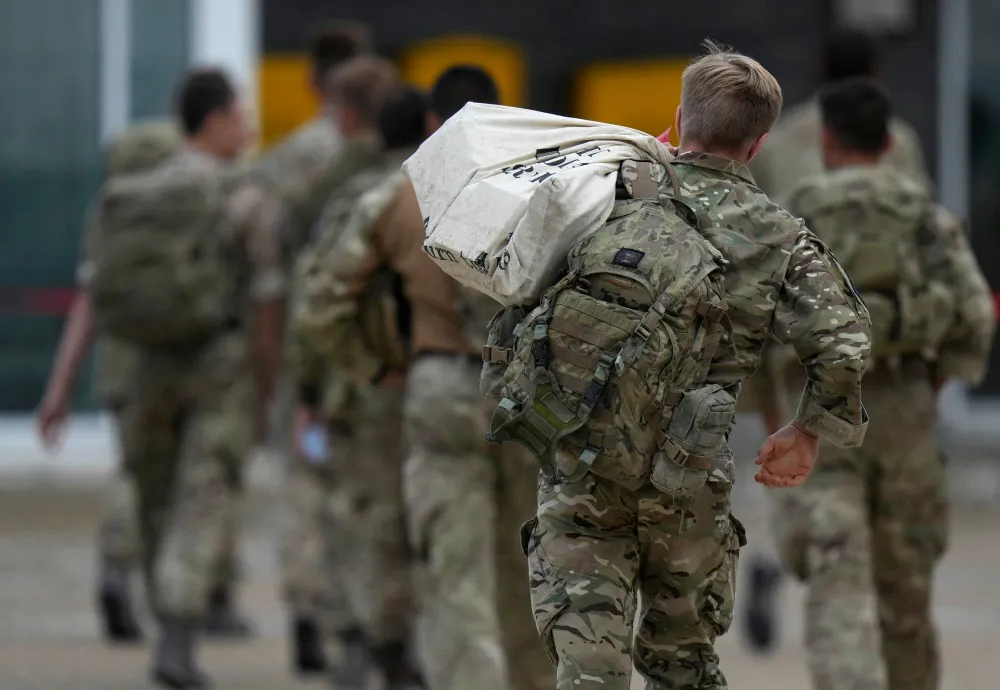
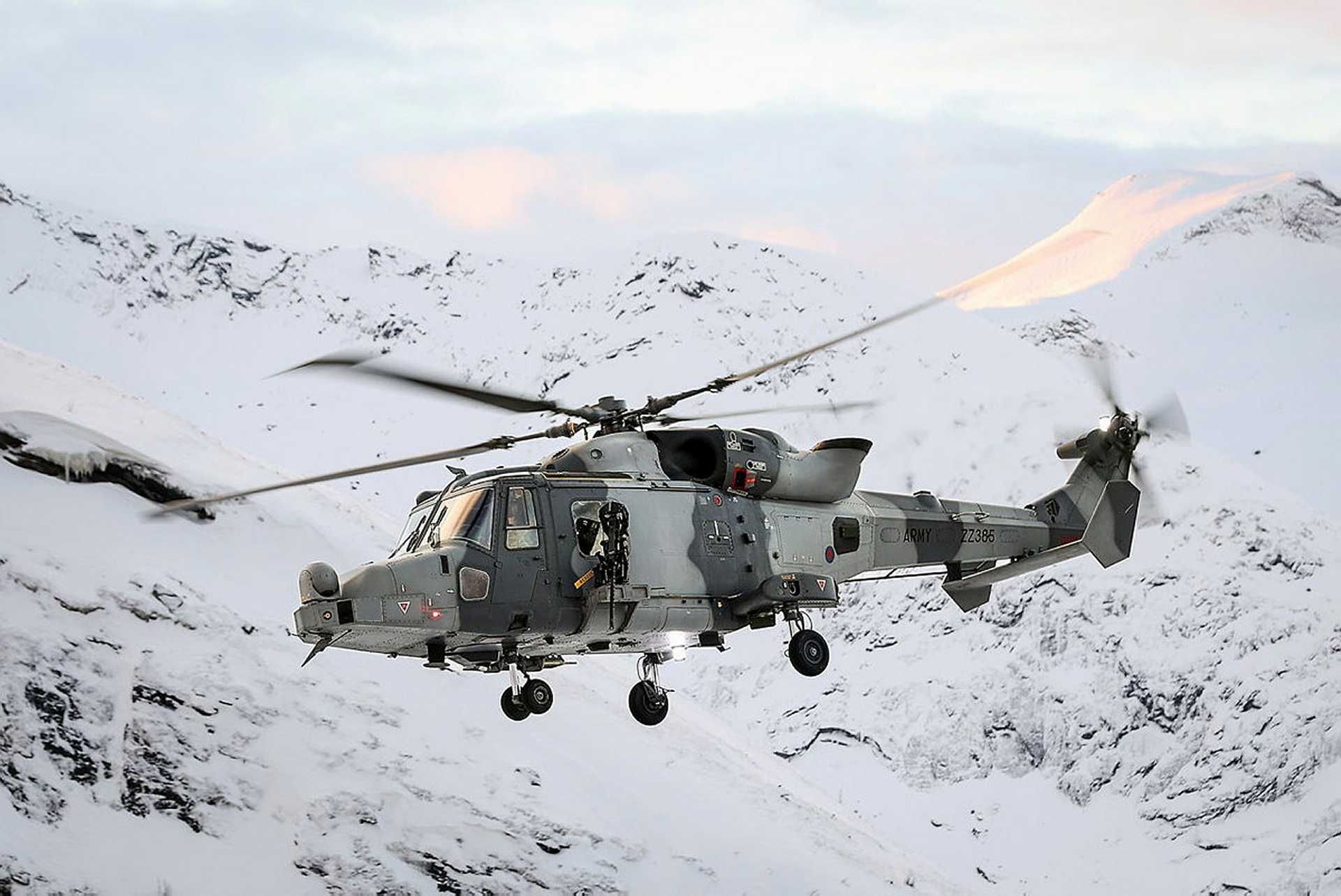
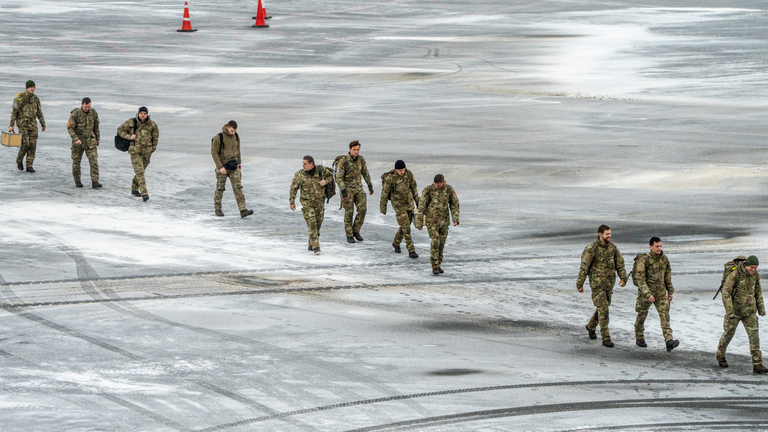
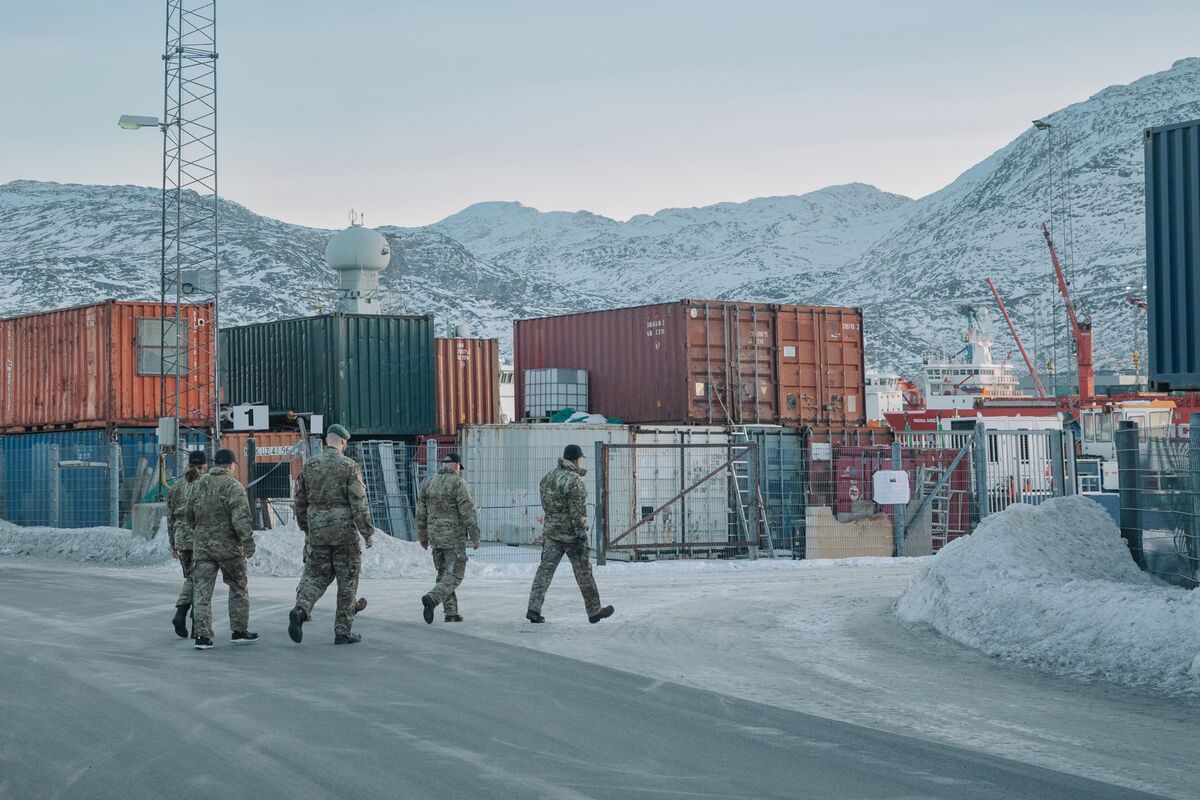
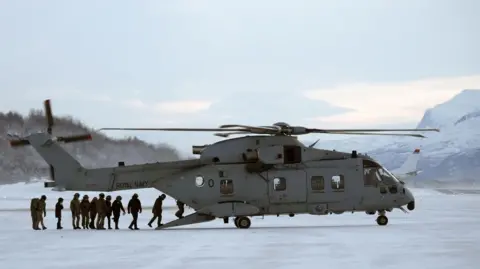
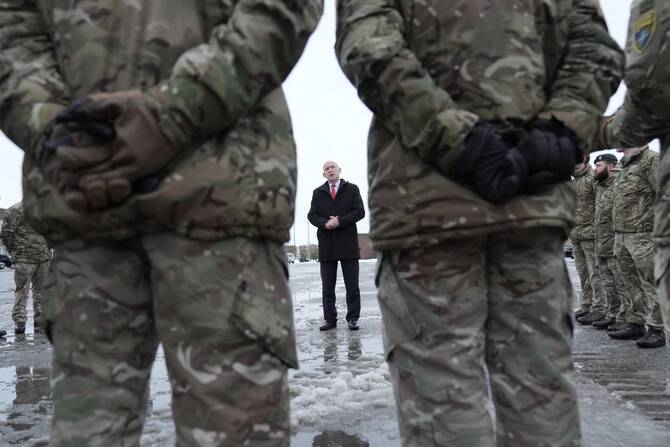
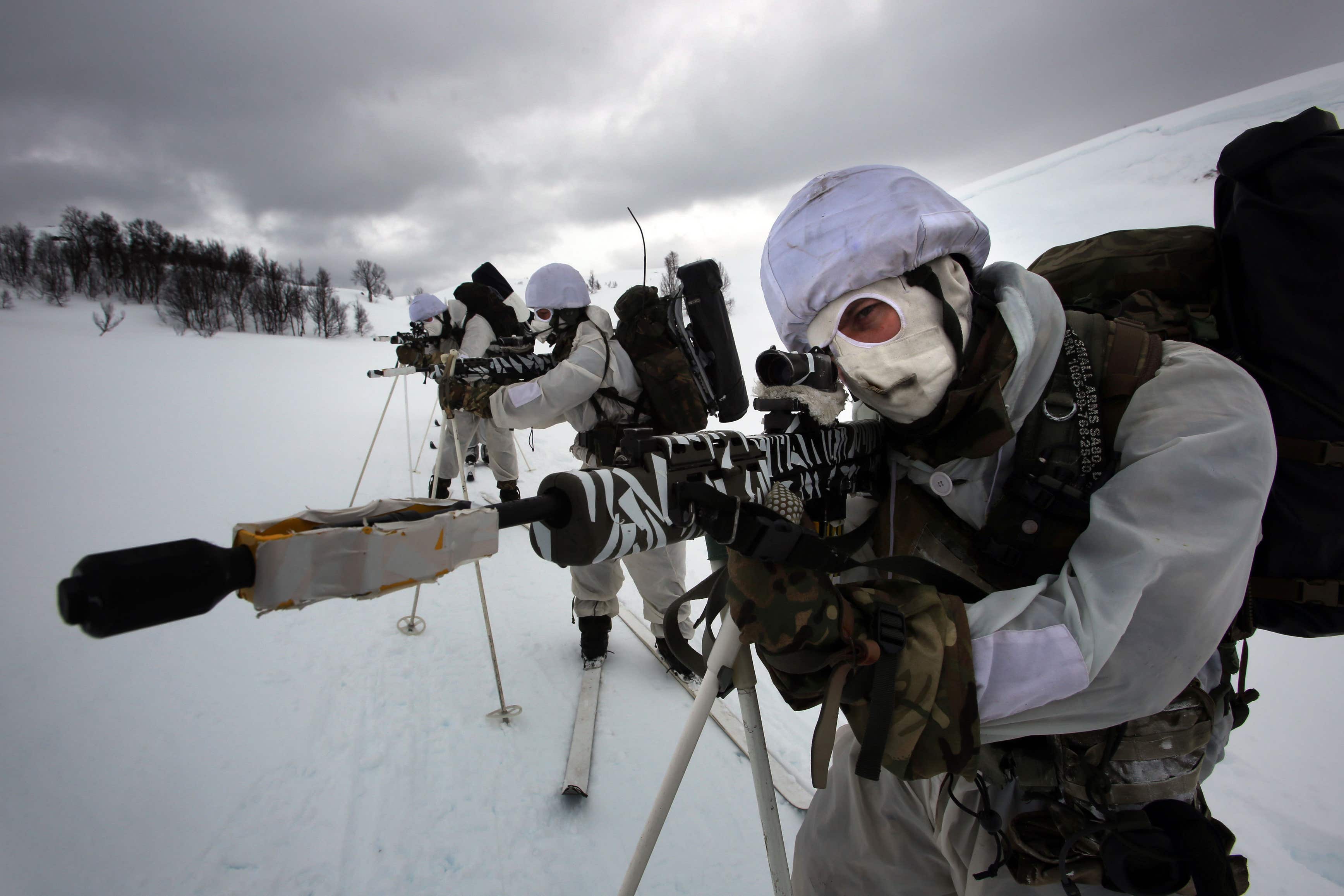
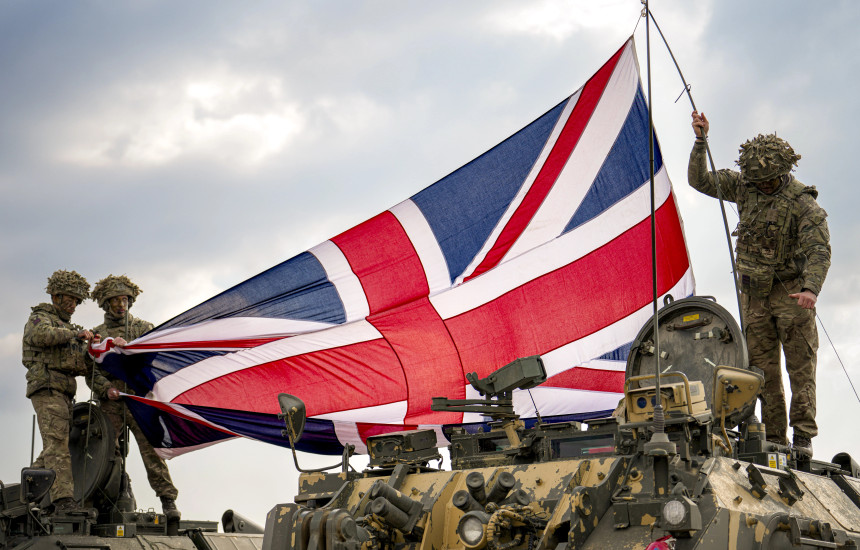
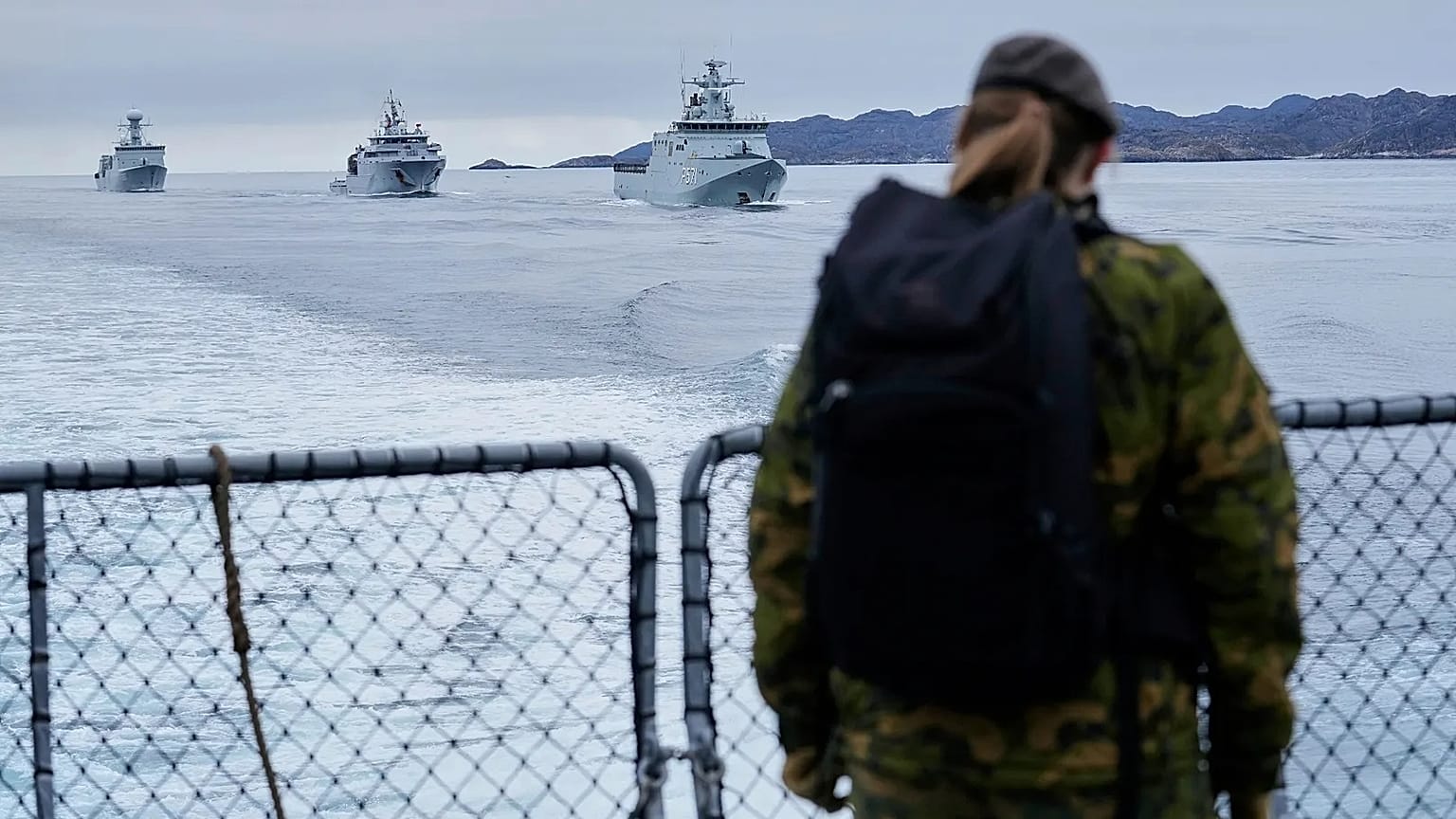
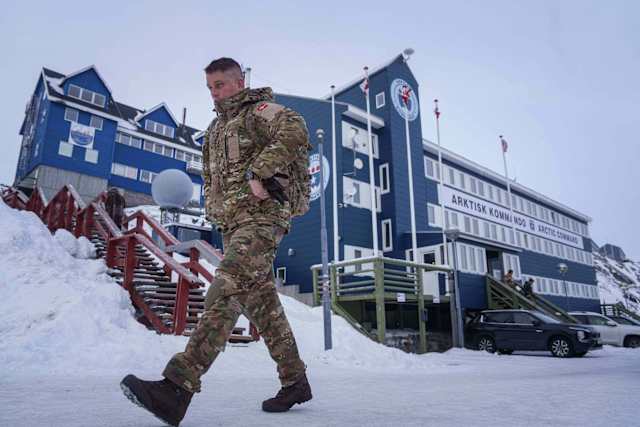
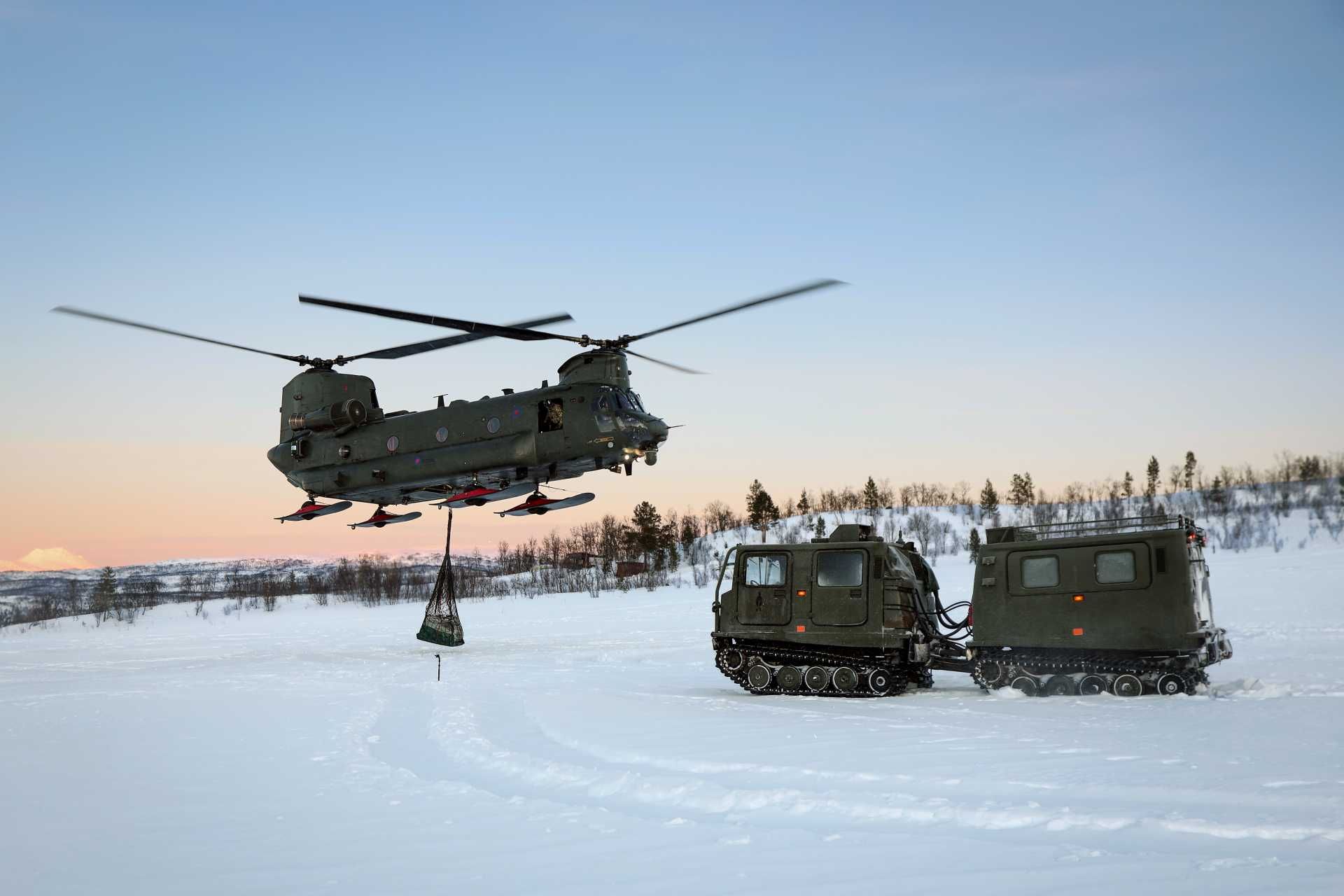
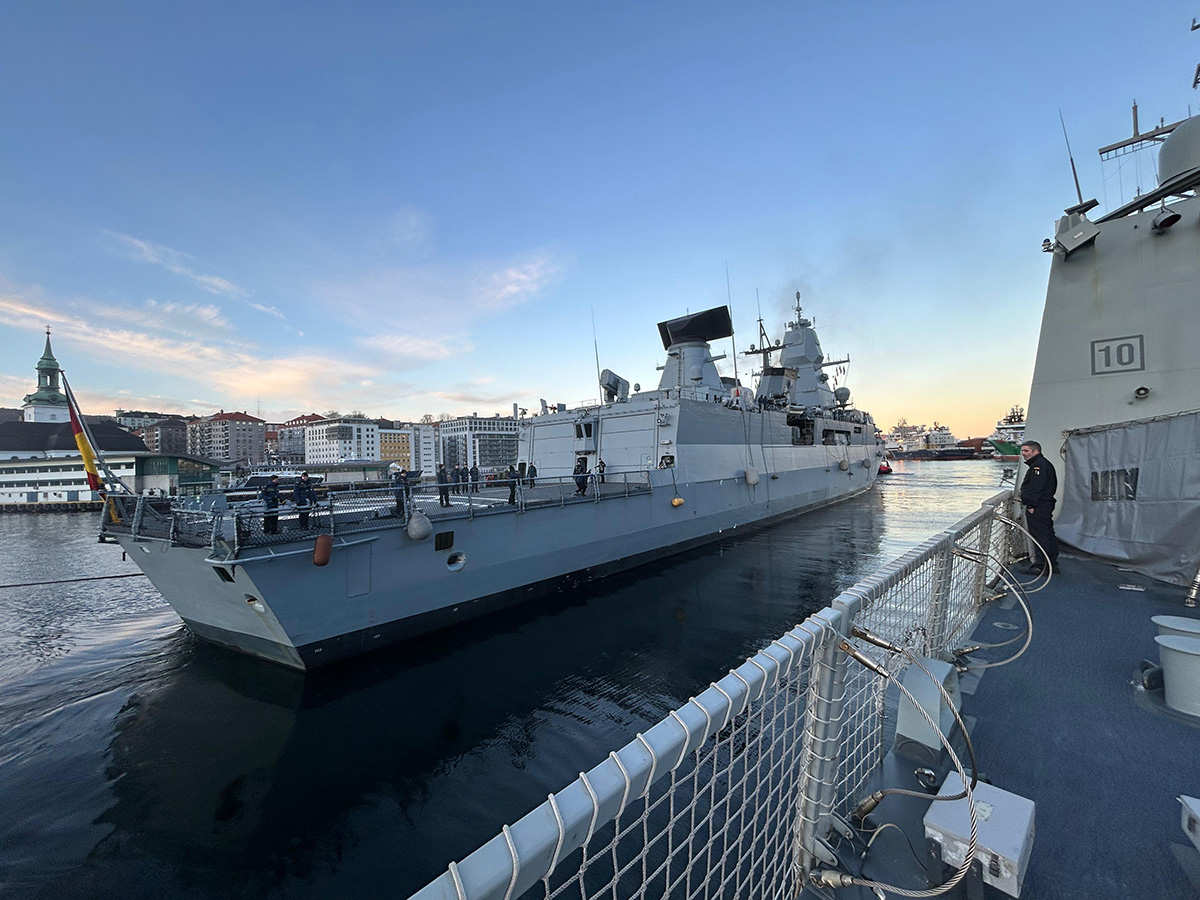
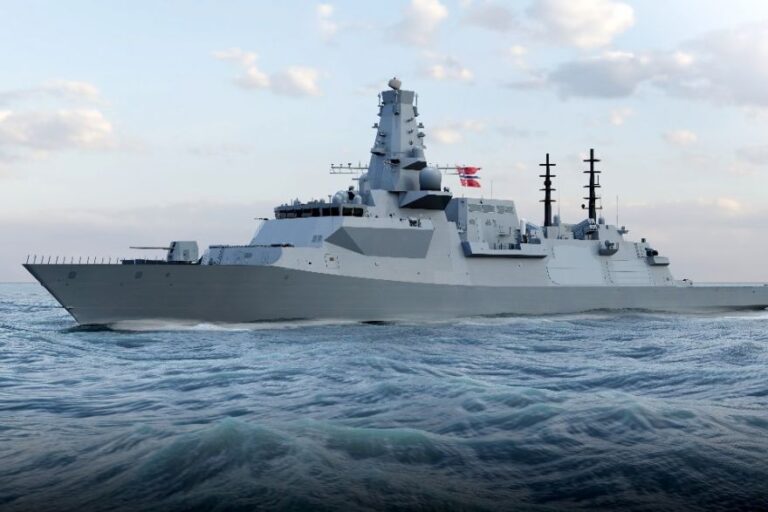
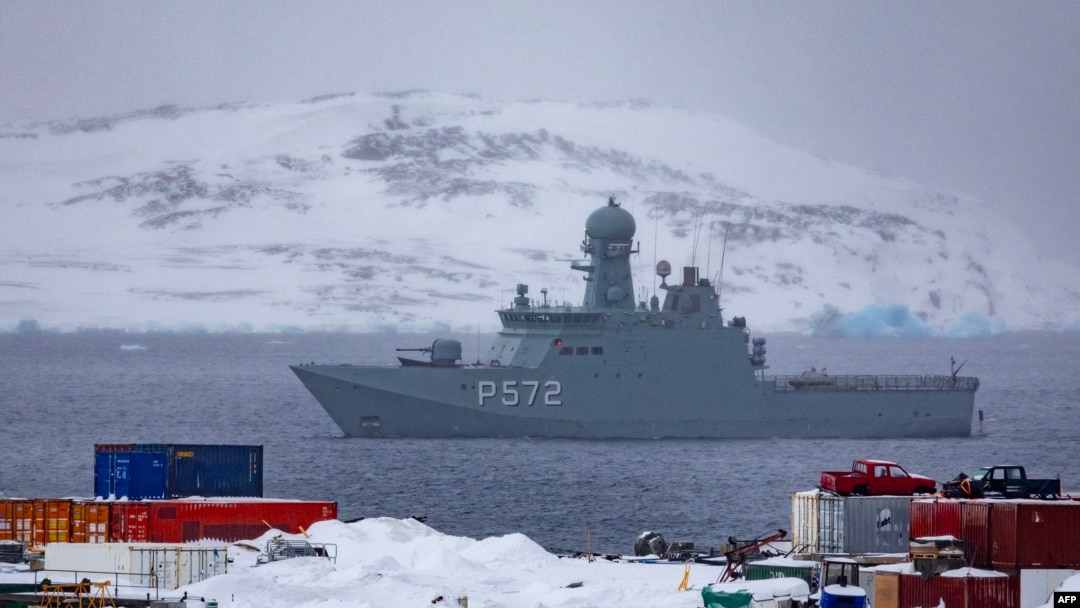
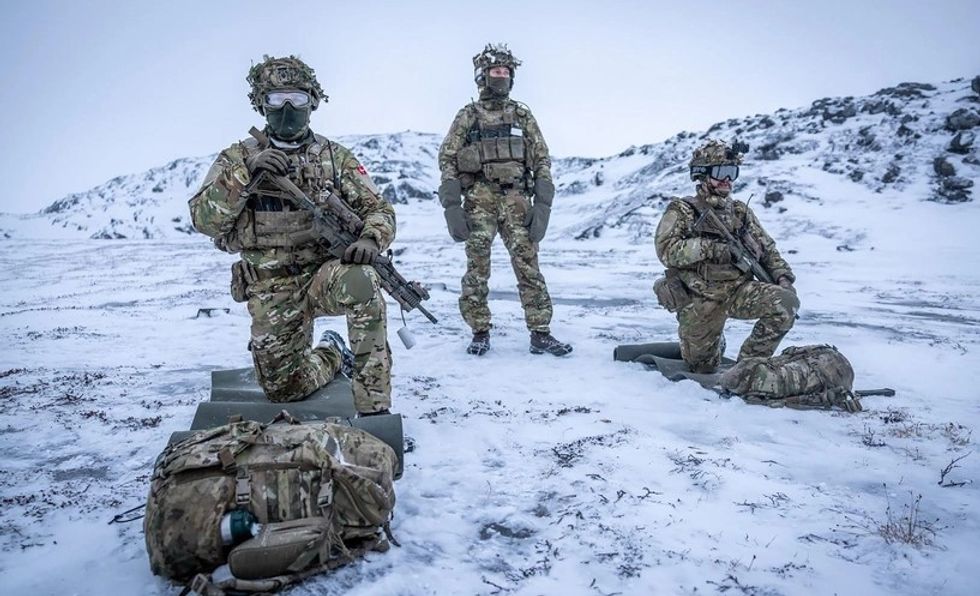
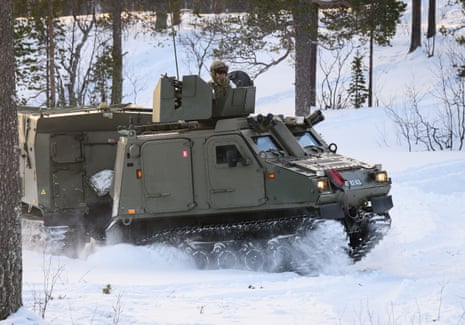
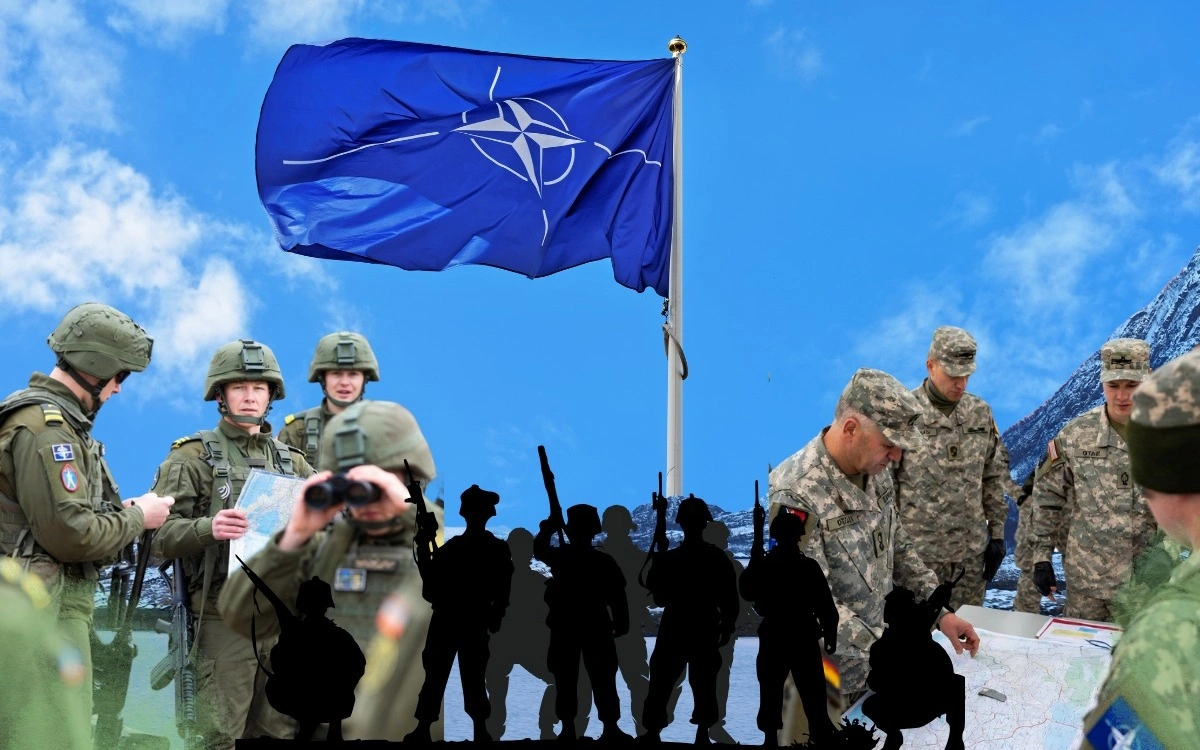
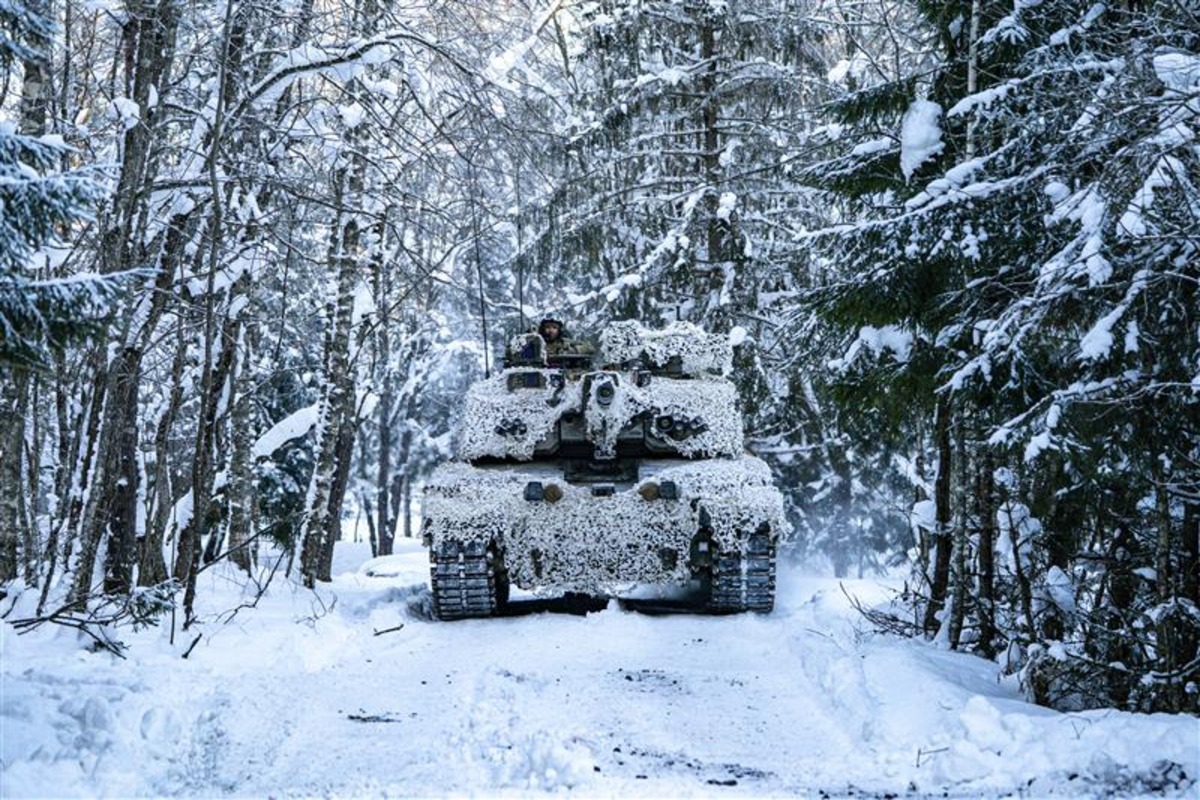
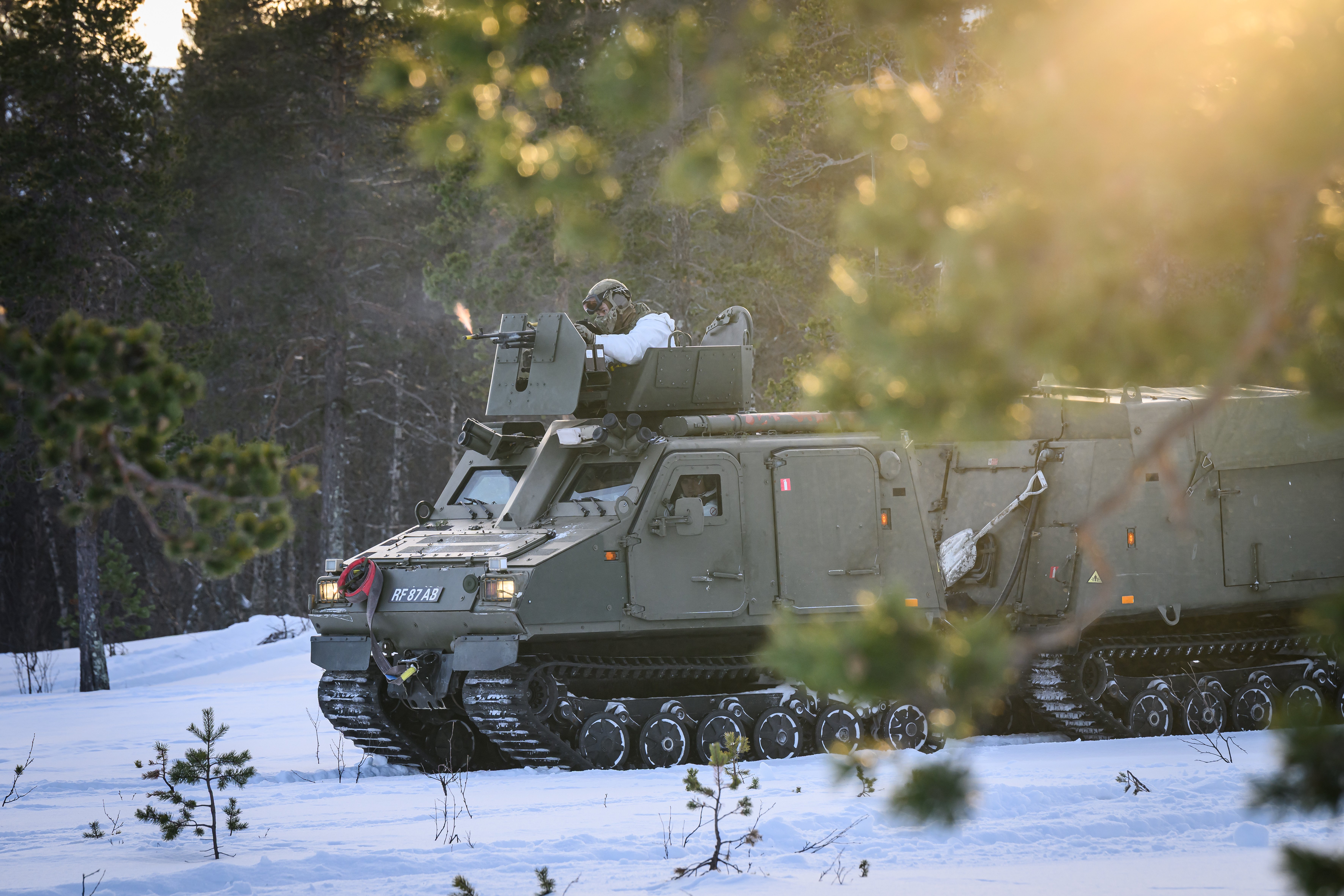
NATO's escalating Arctic military presence represents a significant but indirect e-commerce opportunity for sellers specializing in cold-weather merchandise and tactical equipment. The UK's announcement to double troop deployment in Norway from 1,000 to 2,000 personnel over three years, combined with Exercise Cold Response 26 scheduled for March 2026 involving 1,500 Royal Marine Commandos and multinational forces across Norway, Finland, and Sweden, signals sustained demand for specialized cold-weather gear, outdoor apparel, and survival equipment in Nordic markets.
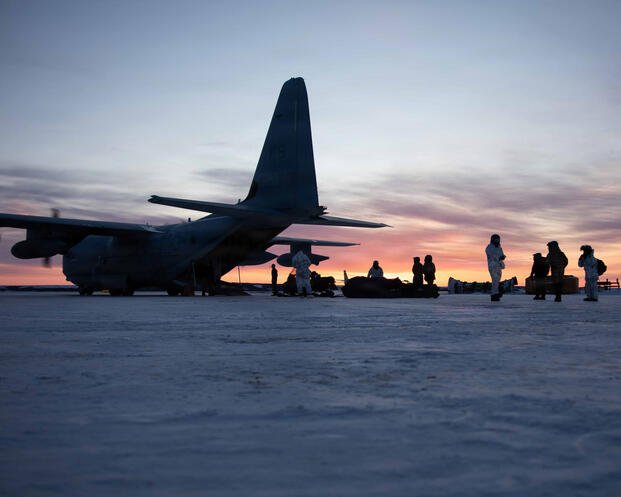
Market Opportunity Analysis: The military exercises create cascading demand across multiple seller categories. Direct military procurement focuses on tactical gear, but secondary markets expand significantly: military families relocating to Norway/Arctic bases require winter clothing, outdoor equipment, and home goods; exercise participants and support personnel purchase personal cold-weather gear; and Nordic civilian populations increase outdoor recreation spending during military activity periods. Industry data shows Arctic-focused outdoor equipment categories (cold-weather boots, thermal layers, insulated jackets) generate 15-25% higher sales during Q1-Q2 in Nordic regions compared to annual averages. The U.S. Marine Corps' prepositioned equipment program in Norway, which maintains 90%+ readiness across 14,000+ items, demonstrates sustained logistics infrastructure investment that supports commercial supply chains through shared port facilities and cold-storage networks.
Seller Segment Impact: Small-to-medium sellers (10-50 SKUs) in outdoor apparel and tactical equipment categories can capitalize on increased Nordic market visibility. Amazon EU sellers targeting Norway, Sweden, and Finland should expect 20-35% traffic increases to cold-weather categories during March-April 2026 exercise period. Shopify merchants with niche tactical/survival gear can leverage military exercise timing for targeted PPC campaigns. eBay sellers specializing in vintage military collectibles and surplus equipment will see heightened interest from military history enthusiasts and collectors. The geopolitical tension context (Russia's 30% increased submarine presence in UK waters, Cold War-era base reopenings) creates urgency messaging opportunities: "Arctic-Tested Gear" and "NATO-Grade Equipment" positioning resonates with security-conscious consumers in EU markets.
Logistics and Supply Chain Considerations: The Marine Corps' strategy of maintaining prepositioned stocks in Norway (saving $2M+ in transatlantic shipping and 30+ days in deployment timelines) reflects broader supply chain optimization that benefits commercial sellers. Sellers should consider establishing Nordic distribution partnerships or 3PL arrangements in Norway/Sweden to capture exercise-related demand spikes. Cold-weather gear requires specialized storage (temperature-controlled warehouses), and the military's 90%+ equipment readiness standards indicate robust cold-storage infrastructure availability in Nordic regions. Cross-border sellers shipping from EU to Nordic markets will experience 15-20% faster delivery times compared to transatlantic routes, improving customer satisfaction during peak exercise periods.
Questions 8
How does NATO's Arctic military expansion affect e-commerce demand for cold-weather gear?
NATO's Arctic military buildup, including UK troop deployment doubling to 2,000 personnel and Exercise Cold Response 26 involving 1,500+ Royal Marine Commandos across Nordic regions in March 2026, creates sustained demand for specialized cold-weather apparel and tactical equipment. Military families relocating to Arctic bases, exercise participants, and increased civilian outdoor recreation spending during military activity periods drive 20-35% traffic increases to cold-weather categories on Amazon EU, Shopify, and eBay during Q1-Q2 2026. Sellers in outdoor apparel and tactical gear categories should prepare inventory increases 3-4 months before exercise dates to capture peak demand windows.
What product categories benefit most from Arctic military exercise timing?
Primary beneficiary categories include: (1) Cold-weather apparel (insulated jackets, thermal layers, Arctic boots) generating 15-25% higher sales during Q1-Q2 in Nordic regions; (2) Tactical equipment (backpacks, survival kits, navigation tools); (3) Outdoor recreation gear (tents, sleeping bags, cold-weather accessories); (4) Military collectibles and surplus equipment; (5) Home goods for military family relocations. Amazon EU data shows cold-weather boots and insulated jackets rank top-10 in Norway/Sweden/Finland during military exercise periods. Sellers should focus inventory allocation on these categories 60-90 days before Exercise Cold Response 26 (March 2026).