

Taiwan Trade Uncertainty 2025 | Supply Chain Risks for Cross-Border Sellers
- Escalating China-Taiwan tensions create tariff volatility and sourcing instability for sellers importing from Taiwan; agricultural export bans signal broader trade weaponization affecting 50K+ Taiwan-based exporters















Overview
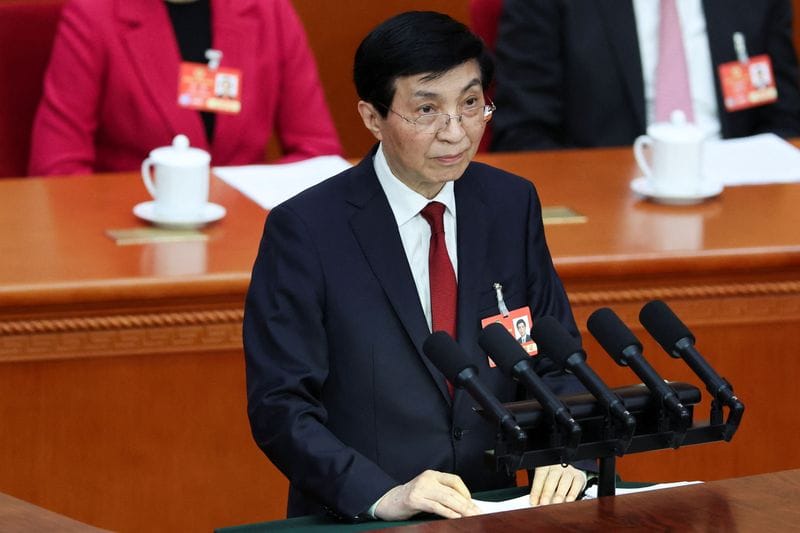
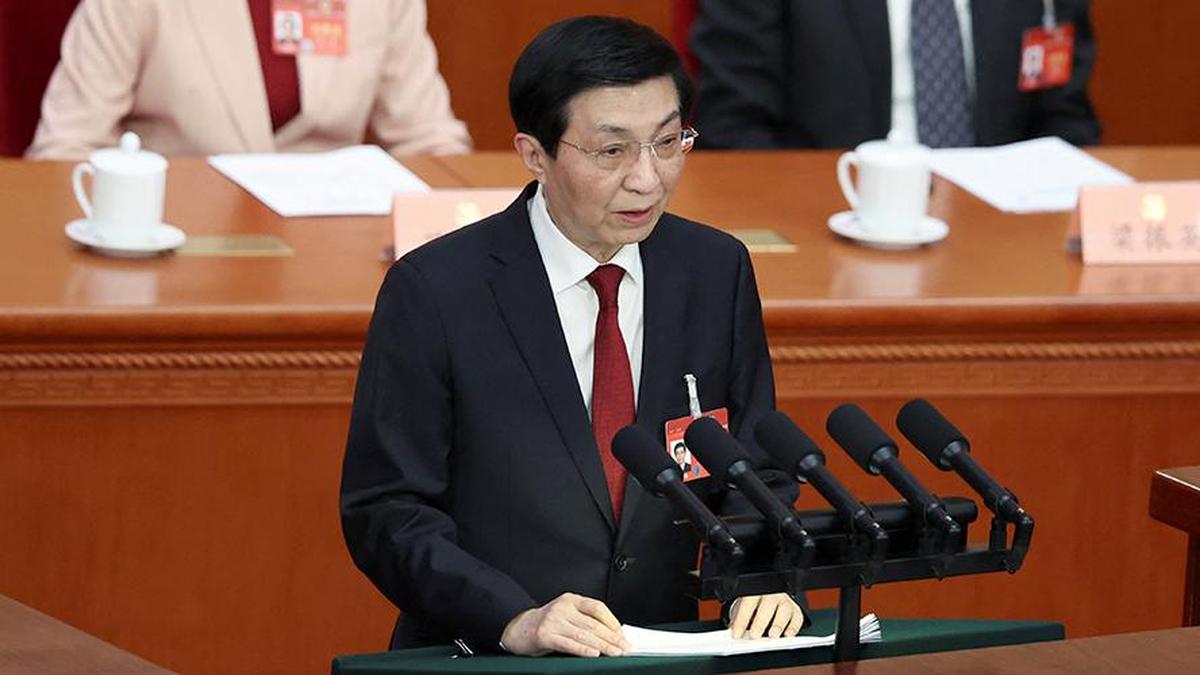
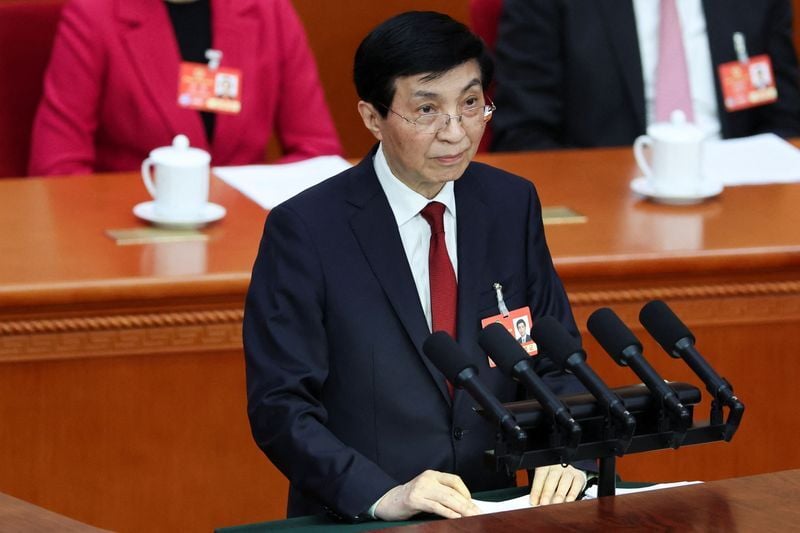
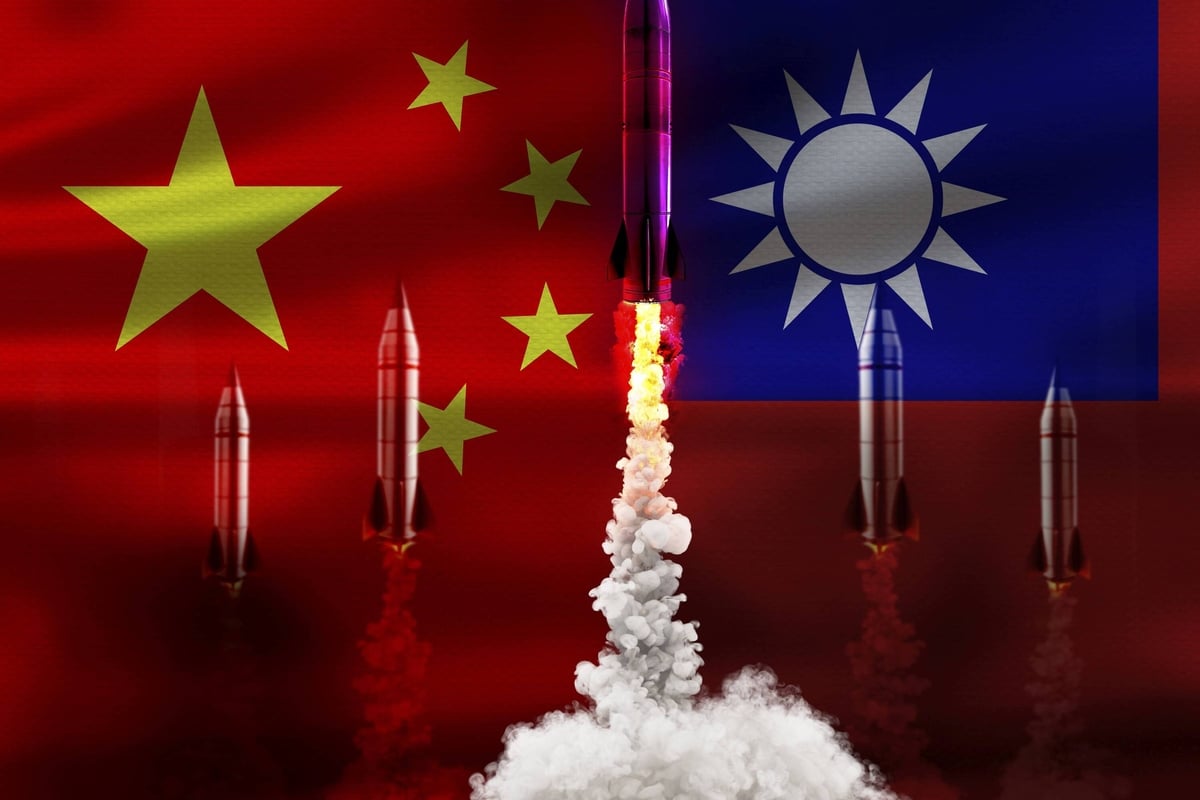
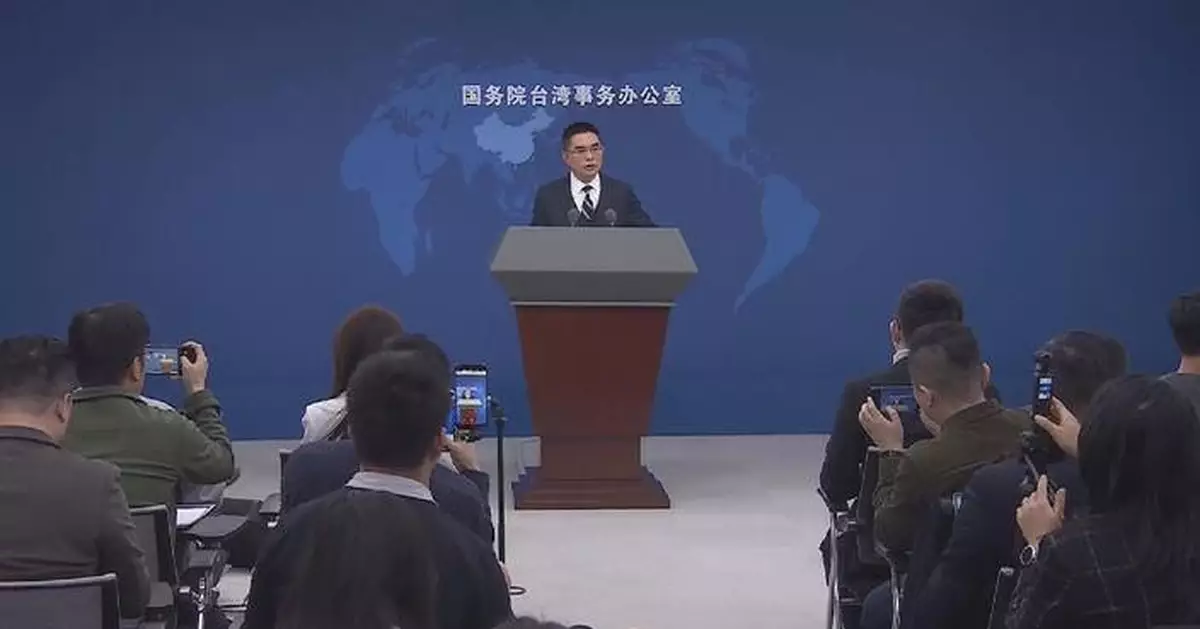
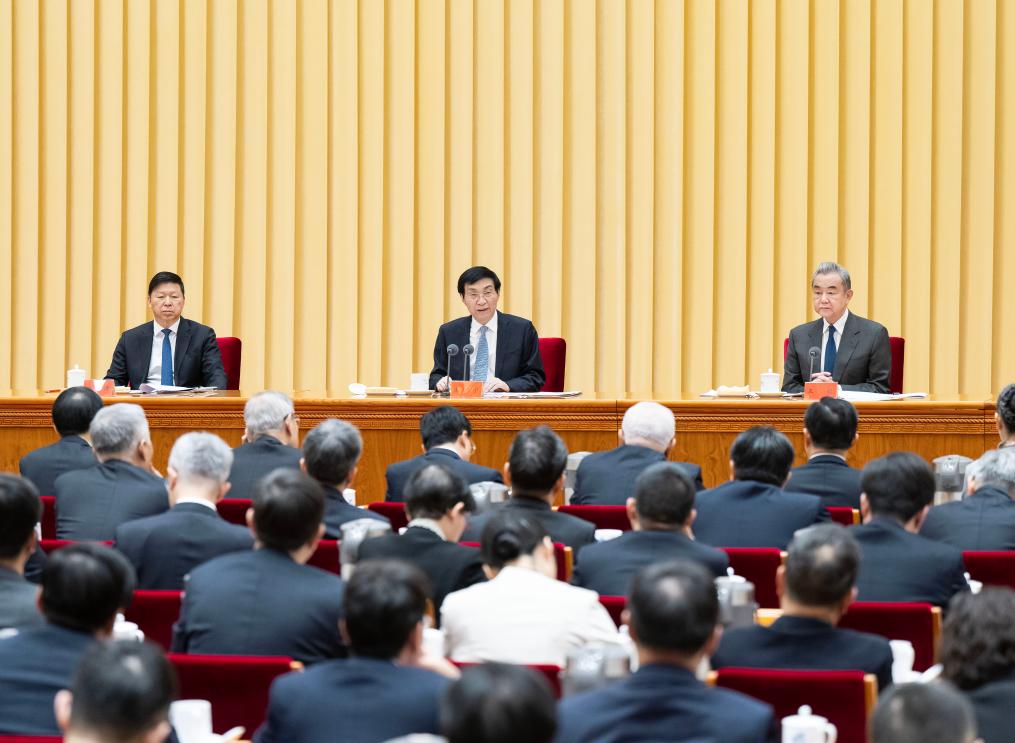
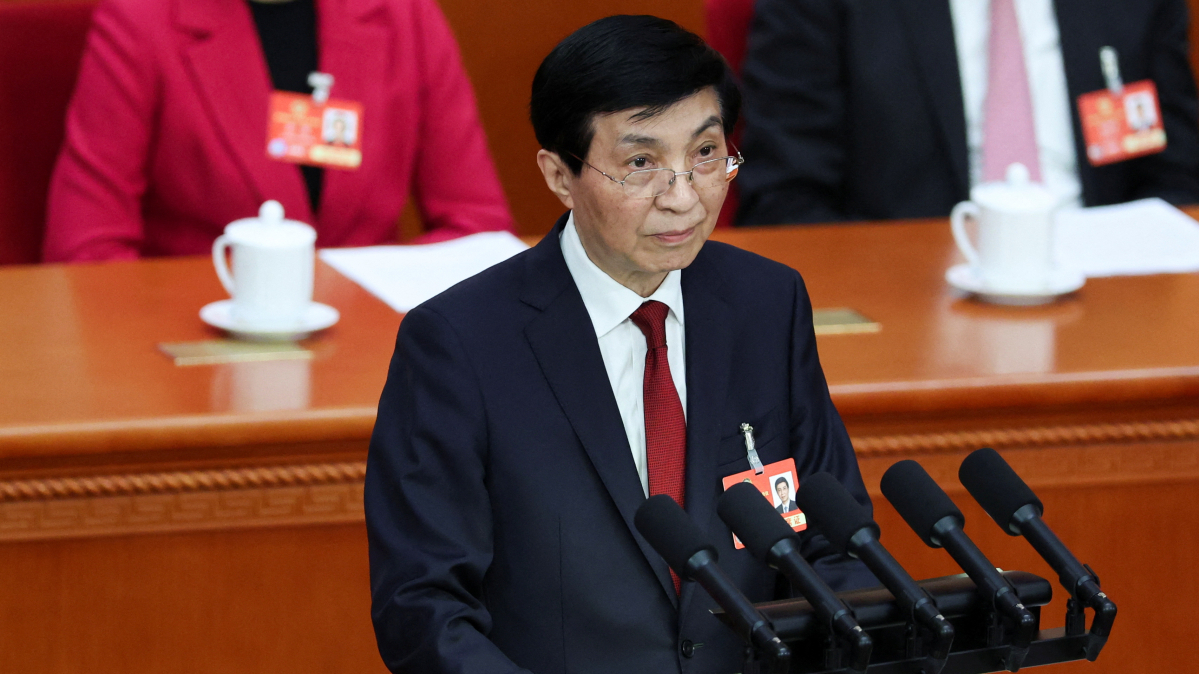
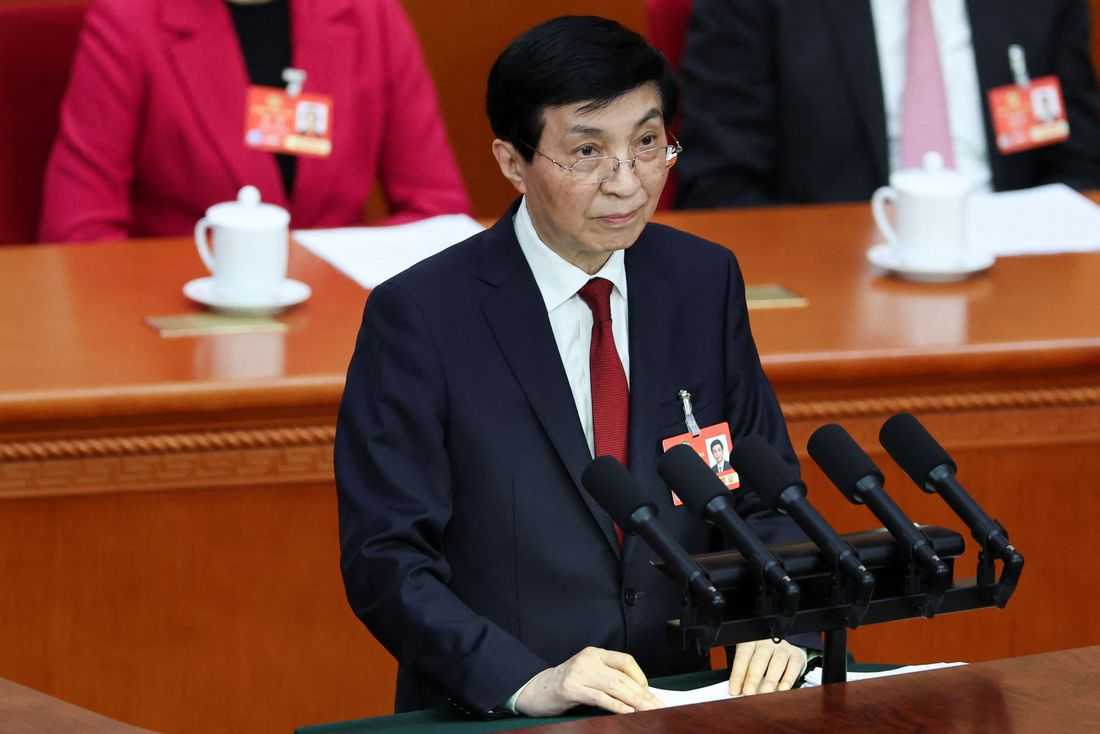
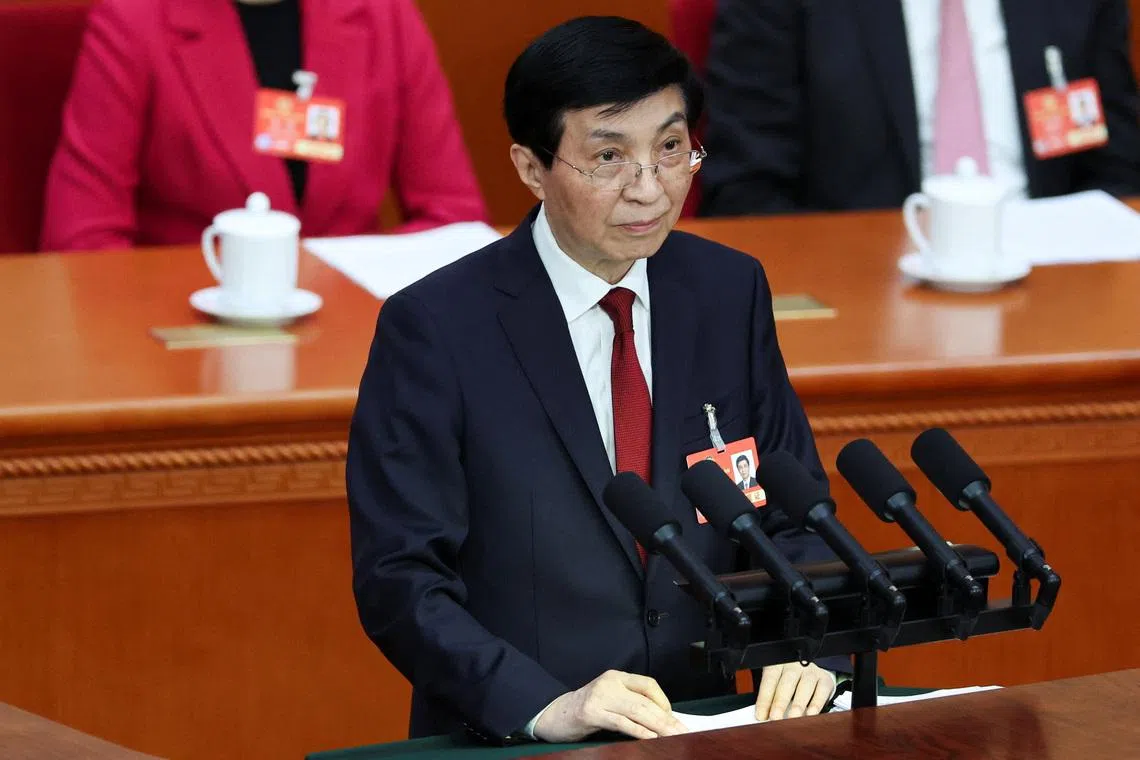
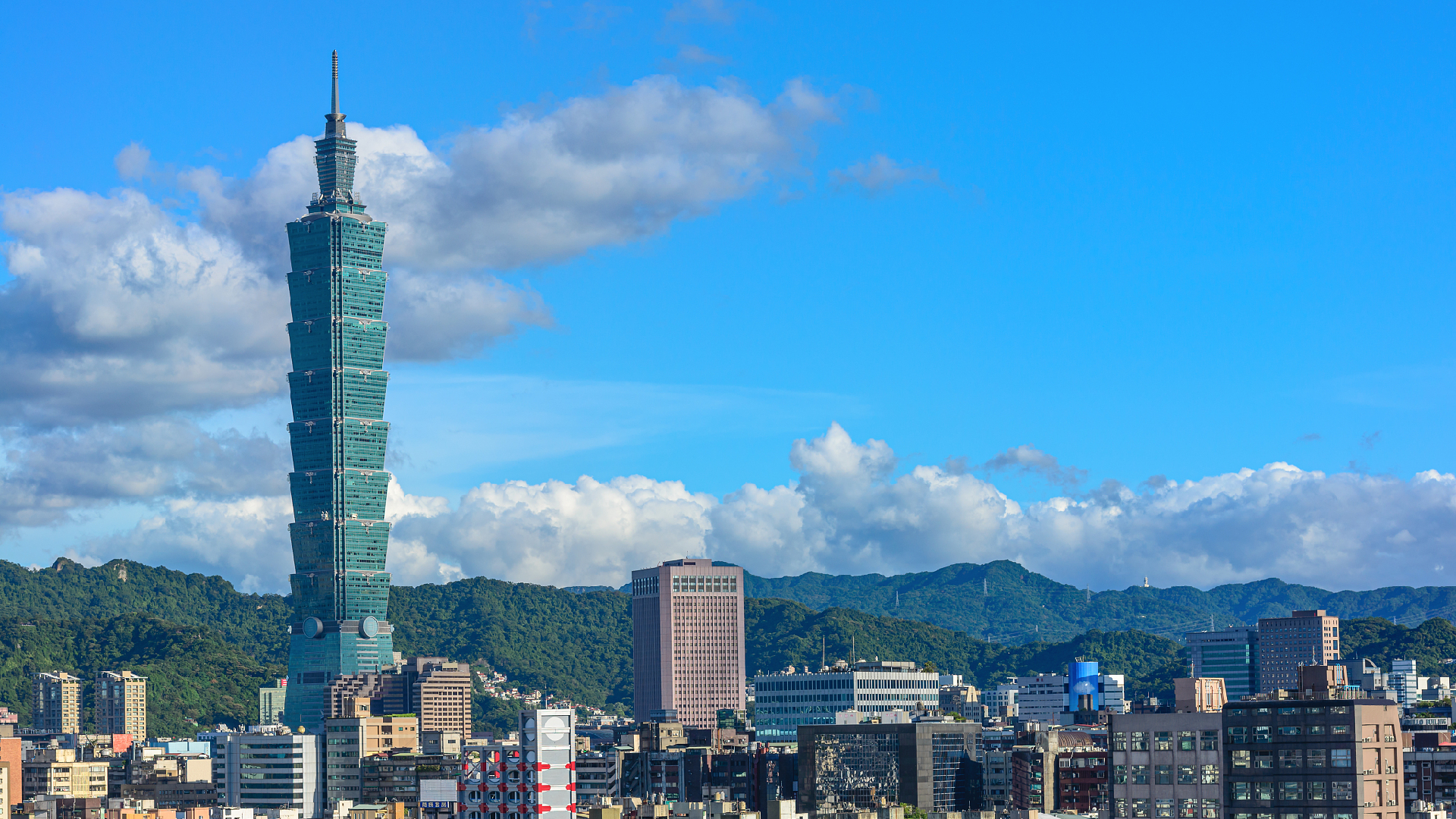
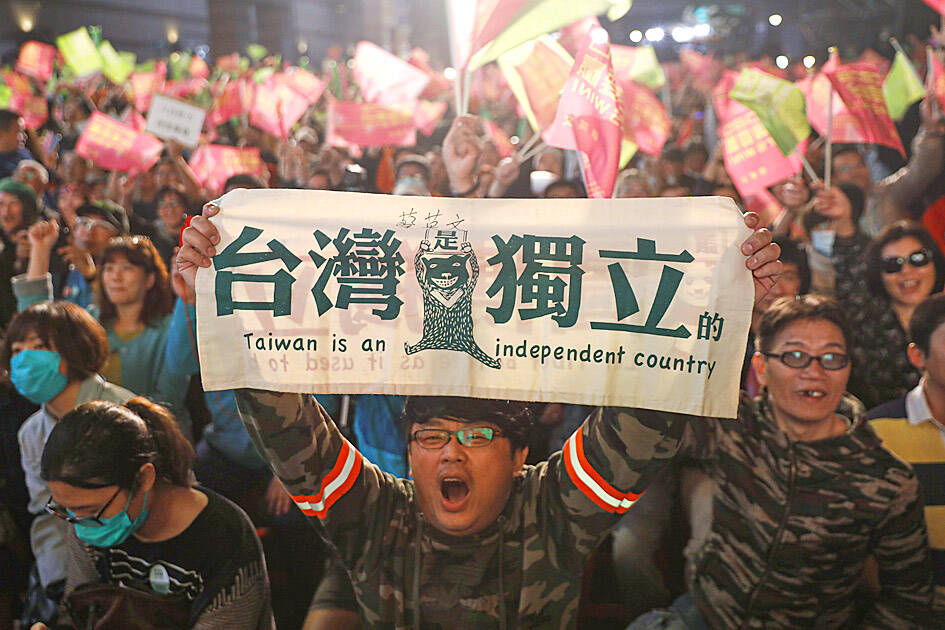
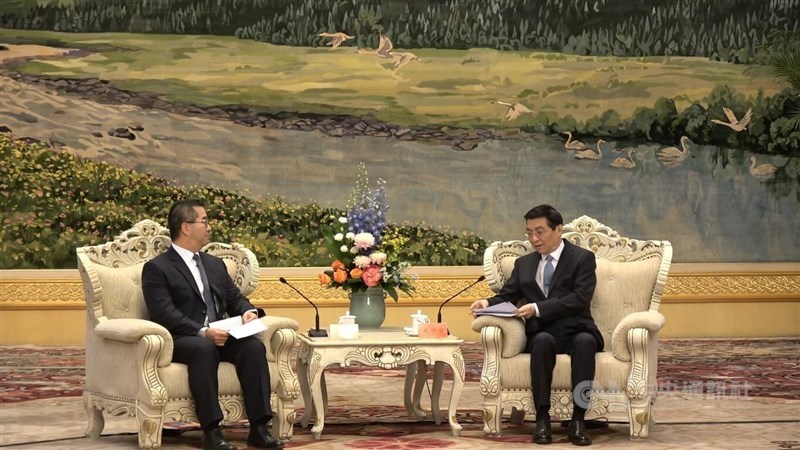
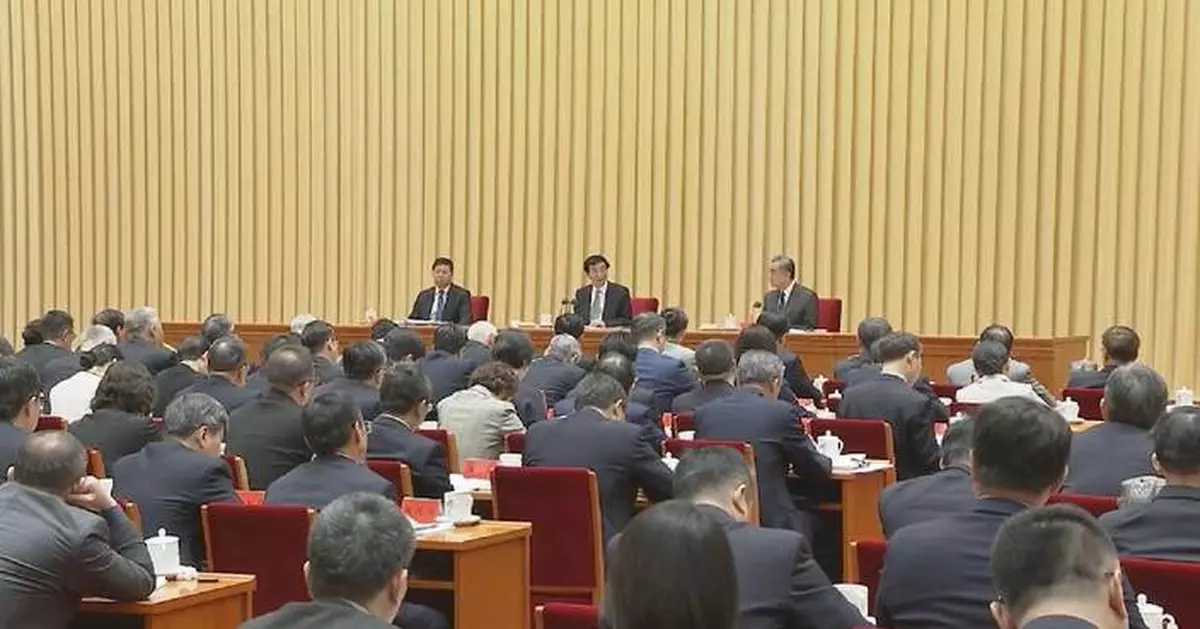
China's February 10, 2025 Taiwan Work Conference announcement marks a critical inflection point for cross-border sellers dependent on Taiwan's supply chains and export markets. Wang Huning, China's fourth-ranked Communist Party leader, declared Beijing will intensify support for pro-reunification forces while cracking down on "separatists," setting the strategic direction for China's Taiwan policy throughout 2025. This escalation directly impacts e-commerce supply chains through three mechanisms: (1) tariff weaponization—China's documented selective import bans on Taiwanese agricultural products (pineapples, custard apples, grouper) demonstrate willingness to use trade restrictions as political leverage; (2) sourcing instability—Taiwan's semiconductor and electronics manufacturing dominance (representing 60%+ of global advanced chip production) faces potential disruption if cross-strait tensions escalate militarily; (3) market access compression—Taiwan's KMT opposition party's Beijing visit signals potential policy shifts favoring cross-strait economic integration, which could disadvantage foreign sellers competing against subsidized mainland enterprises.
The agricultural trade restrictions reveal the operational playbook sellers should expect. News reports document that China strategically reopens and closes import bans on specific Taiwanese agricultural products to support political candidates, indicating trade policy is now explicitly weaponized. For sellers sourcing from Taiwan or selling Taiwanese products, this creates three-tier risk: immediate tariff exposure (10-40% duty increases on targeted categories), market access volatility (unpredictable reopening/closing of Chinese market access), and competitive disadvantage (pro-reunification Taiwanese businesses receive preferential treatment in mainland markets). Taiwan's progress diversifying agricultural exports to reduce Chinese market reliance signals the broader strategy sellers must adopt—geographic diversification away from China-dependent supply chains.
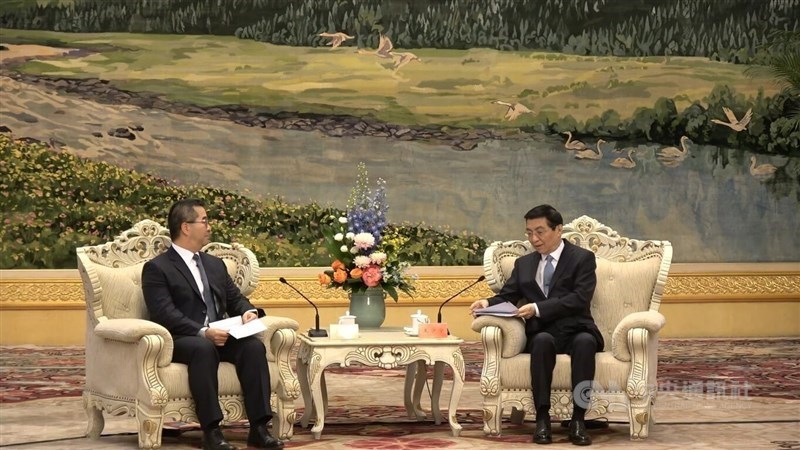
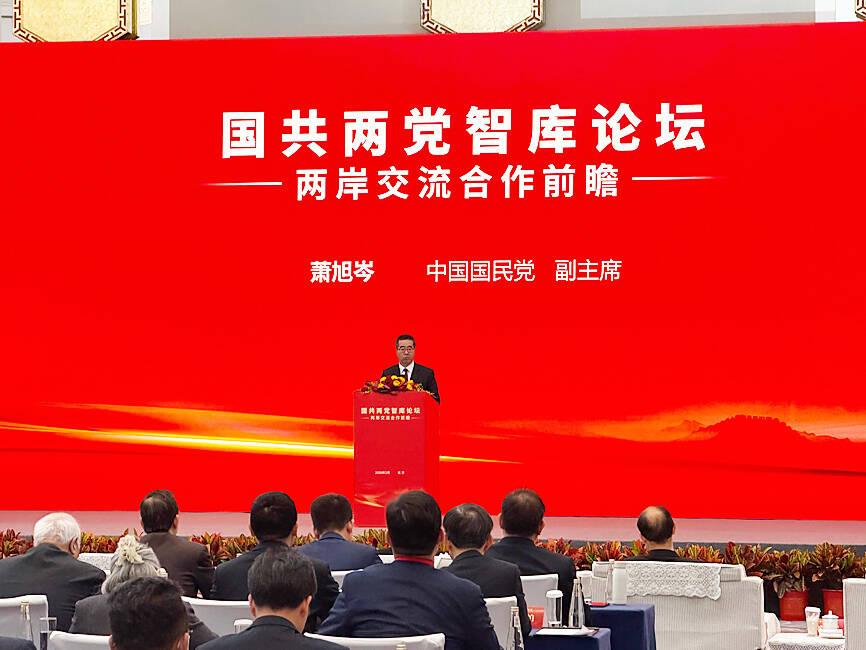
The semiconductor and AI dimensions create the highest-value opportunity window. News 3 documents that KMT discussions with Beijing focused on "tourism and AI," while simultaneously criticizing Taiwan's U.S. semiconductor investment deal as potentially "hollowing out" Taiwan's chip industry. This signals Beijing is actively recruiting Taiwan's semiconductor talent and manufacturing capacity toward mainland integration. For sellers in electronics, IoT, and computing categories, this creates a 6-18 month window before potential supply chain consolidation: Taiwan-based component suppliers may face pressure to relocate manufacturing to mainland China, fundamentally altering cost structures and lead times. The Trump administration's December 2024 approval of an $11 billion Taiwan arms package and ongoing U.S. semiconductor investment commitments create competing pressures that will determine Taiwan's manufacturing trajectory through 2025.
Questions 8
How do China-Taiwan tensions directly affect cross-border sellers sourcing from Taiwan?
China's February 2025 Taiwan Work Conference announcement creates three immediate supply chain risks: (1) tariff volatility—China has demonstrated willingness to impose selective import bans on Taiwanese products as political leverage, with documented cases affecting agricultural exports; (2) manufacturing relocation pressure—Beijing is actively recruiting Taiwan's semiconductor and electronics talent toward mainland integration, potentially disrupting component sourcing for sellers in electronics, IoT, and computing categories; (3) market access compression—sellers exporting to mainland China face unpredictable trade restrictions if their products are sourced from Taiwan. Sellers should immediately audit their Taiwan-dependent supply chains and develop alternative sourcing from Vietnam, India, or South Korea within the next 6-12 months to mitigate geopolitical risk.
What specific product categories face the highest tariff and trade restriction risk?
Agricultural products (HS codes 0702-0810: vegetables and fruits) face immediate documented risk—China has strategically weaponized import bans on Taiwanese pineapples, custard apples, and grouper to influence Taiwan's elections. Electronics and semiconductors (HS codes 8471-8542) face medium-term risk as Beijing recruits Taiwan's manufacturing capacity. Consumer electronics, computing components, and IoT devices sourced from Taiwan face 10-40% potential tariff increases if cross-strait tensions escalate. Sellers in these categories should prioritize supply chain diversification and consider pre-tariff inventory builds before Q2 2025 if sourcing from Taiwan.