



Precious Metals Surge: The $5 Trillion Global Hedge Against Economic Uncertainty
- Unprecedented Rally Signals Massive Shift in Global Investment Strategies for Traders and Central Banks







Overview
The global precious metals market has erupted into a historic transformation, signaling far more than a typical commodity rally. In 2025, we're witnessing a systemic financial recalibration driven by unprecedented market dynamics that challenge traditional investment paradigms.
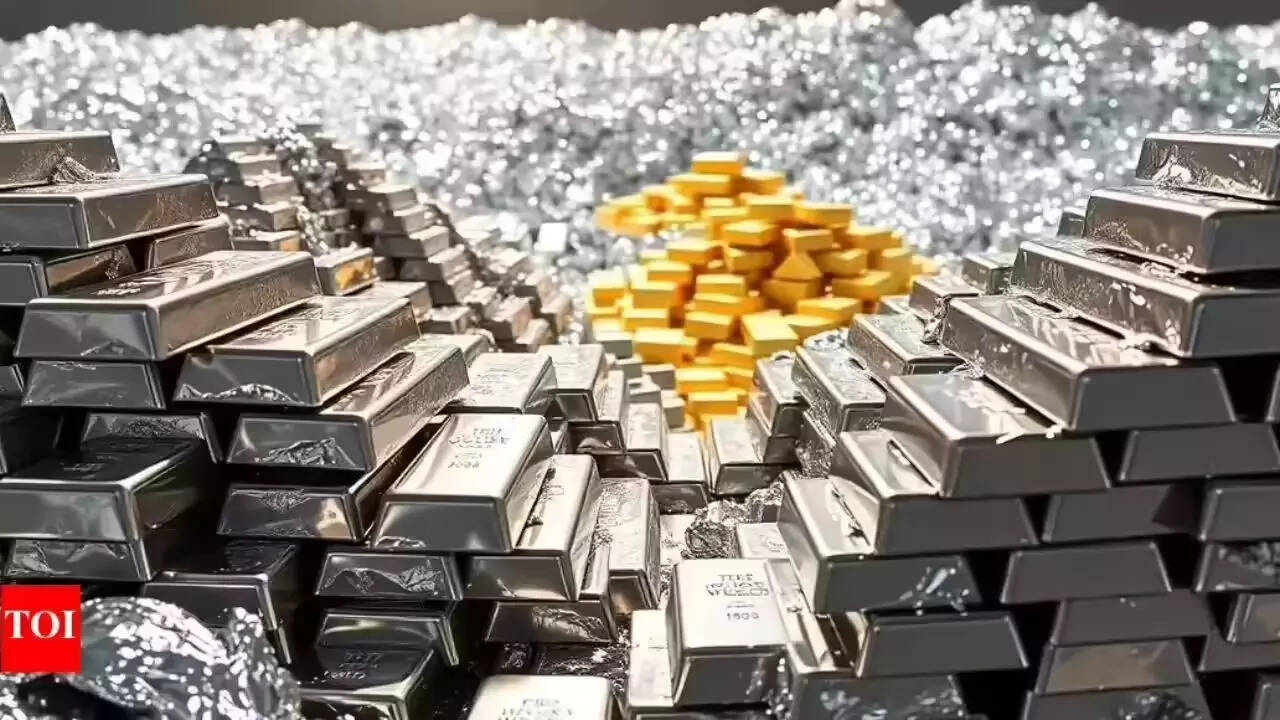
Precious metals have become the ultimate economic hedge, with silver surging an extraordinary 158% and gold climbing nearly 72% in a single year. This isn't just price appreciation—it's a profound statement about global economic uncertainty. Strategists like Joni Teves from UBS describe the movement as "unhinged," highlighting the market's volatile yet strategically significant nature.
The rally is underpinned by multiple critical drivers: geopolitical tensions, potential Federal Reserve policy shifts, and a growing global skepticism toward traditional dollar-denominated assets. Central banks, particularly China, are strategically diversifying away from conventional currency reserves, treating precious metals as a critical financial instrument rather than merely a commodity.
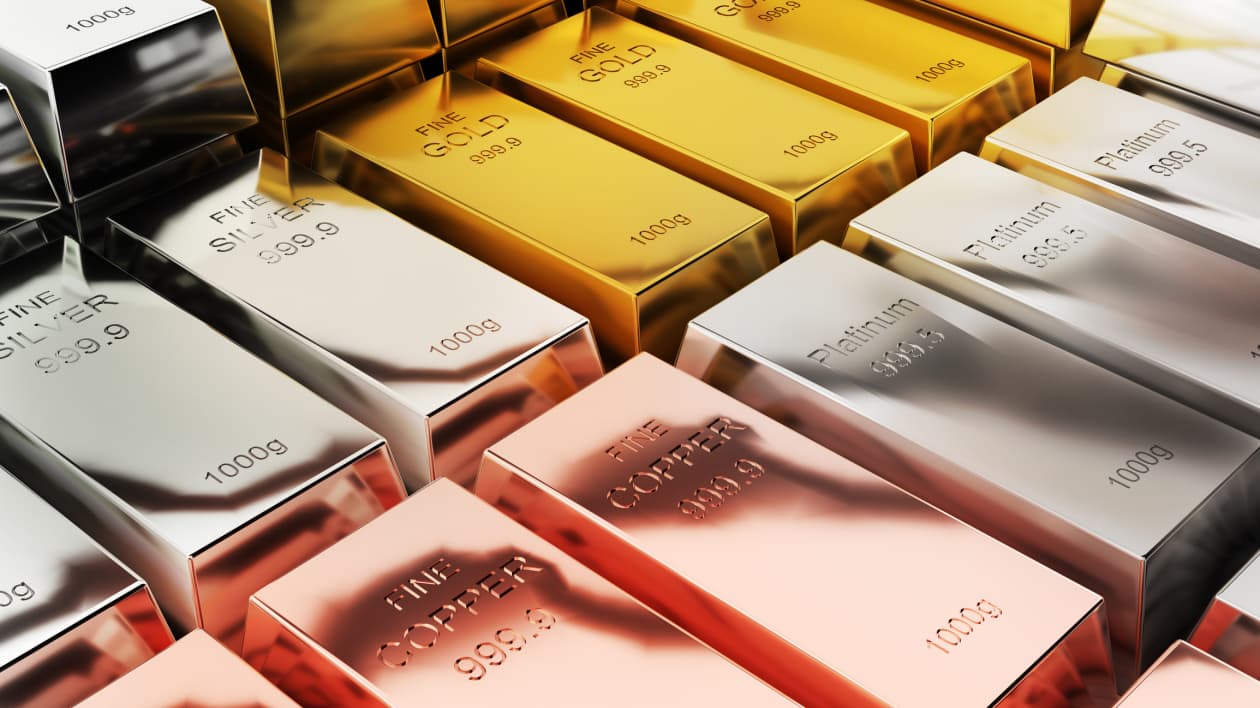
For global traders and investors, this represents a multi-dimensional opportunity landscape. The metal markets aren't just experiencing price increases; they're restructuring global capital flows. With platinum breaking $2,300 per ounce and gold potentially reaching $5,000, the implications extend far beyond traditional investment strategies.
The most sophisticated players are recognizing that this surge represents more than speculation—it's a structural response to systemic economic uncertainties. Supply constraints, particularly in regions like South Africa, combined with increasing ETF holdings and de-dollarization trends, are creating a perfect storm for precious metal valuations.
Looking forward, the market suggests we're not just seeing a temporary rally, but a fundamental reimagining of how tangible assets function in a volatile global economy. Traders must view precious metals not as speculative assets, but as strategic financial instruments with complex geopolitical undercurrents.
Questions 4
How sustainable is this precious metals rally?
Analysts like Joni Teves caution about potential short-term profit-taking, but the underlying structural trends suggest a longer-term shift. Factors like ongoing geopolitical uncertainties, central bank strategies, and supply constraints indicate this isn't just a temporary spike.
What implications does this have for international investors and traders?
Investors should view precious metals as complex financial instruments, not just speculative assets. The market suggests opportunities in gold and silver-related products, potential hedging strategies against currency fluctuations, and a need to monitor global economic indicators more closely.