



AI Chip Wars: Alibaba's Strategic Gambit with AMD Reshapes Global Tech Landscape
- Massive AMD MI308 Order Signals Intensifying Cross-Border Technology Competition
/Advanced%20Micro%20Devices%20Inc_%20office%20sign-by%20Poetra_RH%20via%20Shutterstock.jpg)












Overview
The emerging landscape of global technology competition is being dramatically reshaped by strategic AI infrastructure investments, with Alibaba's potential order of 40,000-50,000 AMD MI308 AI accelerators representing a pivotal moment in cross-border technological positioning. This development is not merely a hardware procurement decision, but a calculated move that underscores the critical role of advanced computational capabilities in maintaining competitive advantage.
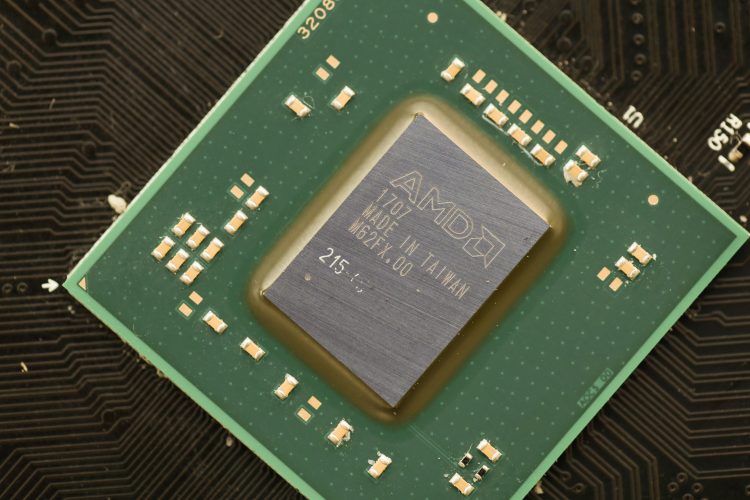
AI chip deployment has transformed from a technical procurement exercise into a geopolitical chess match, where each strategic investment signals broader technological ambitions. Alibaba's potential massive investment in AMD's MI308 accelerators reveals multiple layers of strategic complexity. These high-performance chips are not just computing resources, but represent critical infrastructure for machine learning, data processing, and advanced computational tasks.
The scale and timing of this potential order are particularly significant. By considering an investment of 40,000-50,000 units, Alibaba is signaling its commitment to AI-driven technological transformation. This move comes against a backdrop of intensifying technological competition between Chinese and American tech companies, where computational infrastructure has become a key battleground. The potential order suggests that major tech players are no longer just purchasing hardware—they are strategically positioning themselves in the global AI ecosystem.
For technology sellers and infrastructure providers, this development presents multiple strategic implications. First, it demonstrates the growing importance of AI infrastructure in maintaining competitive advantage. Sellers leveraging cloud services and AI technologies must now adapt to increasingly sophisticated computational capabilities. Moreover, the move could potentially impact pricing and availability of AI-related services and technologies, creating both challenges and opportunities for market participants.
The broader context reveals a nuanced technological landscape where geopolitical constraints and strategic partnerships play crucial roles. AMD's careful navigation of complex export regulations while expanding its market presence—particularly in China—highlights the intricate balance required in modern global technology markets. This is not just about selling chips; it's about building long-term technological ecosystems that can withstand geopolitical uncertainties.
Questions 3
What implications does this have for technology sellers and infrastructure providers?
Technology sellers must adapt to increasingly sophisticated computational requirements, recognizing that AI infrastructure is becoming a critical competitive differentiator. The development suggests potential shifts in pricing, service availability, and the need for advanced technological capabilities in cloud and AI services.
How do geopolitical factors impact technology procurement in this context?
Geopolitical constraints significantly influence technology procurement, with companies like AMD carefully navigating export regulations while expanding market presence. The AMD-Alibaba potential partnership illustrates how technological investments are now deeply intertwined with international political and economic strategies.