



Tech Supply Chain Revolution: ASUS Breaks Memory Manufacturing Monopoly
- Strategic vertical integration reshapes global semiconductor supply chains for technology sellers


Overview
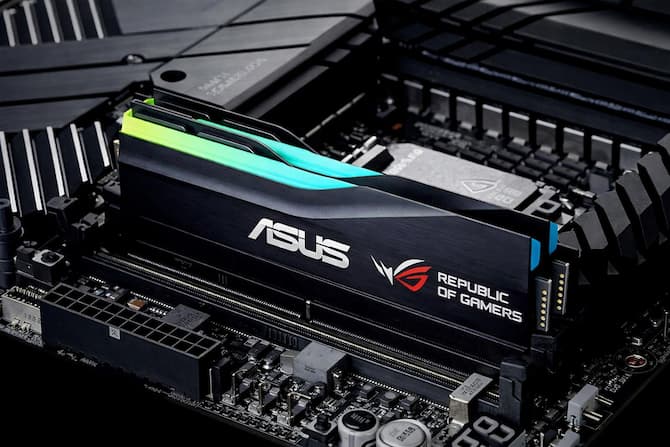
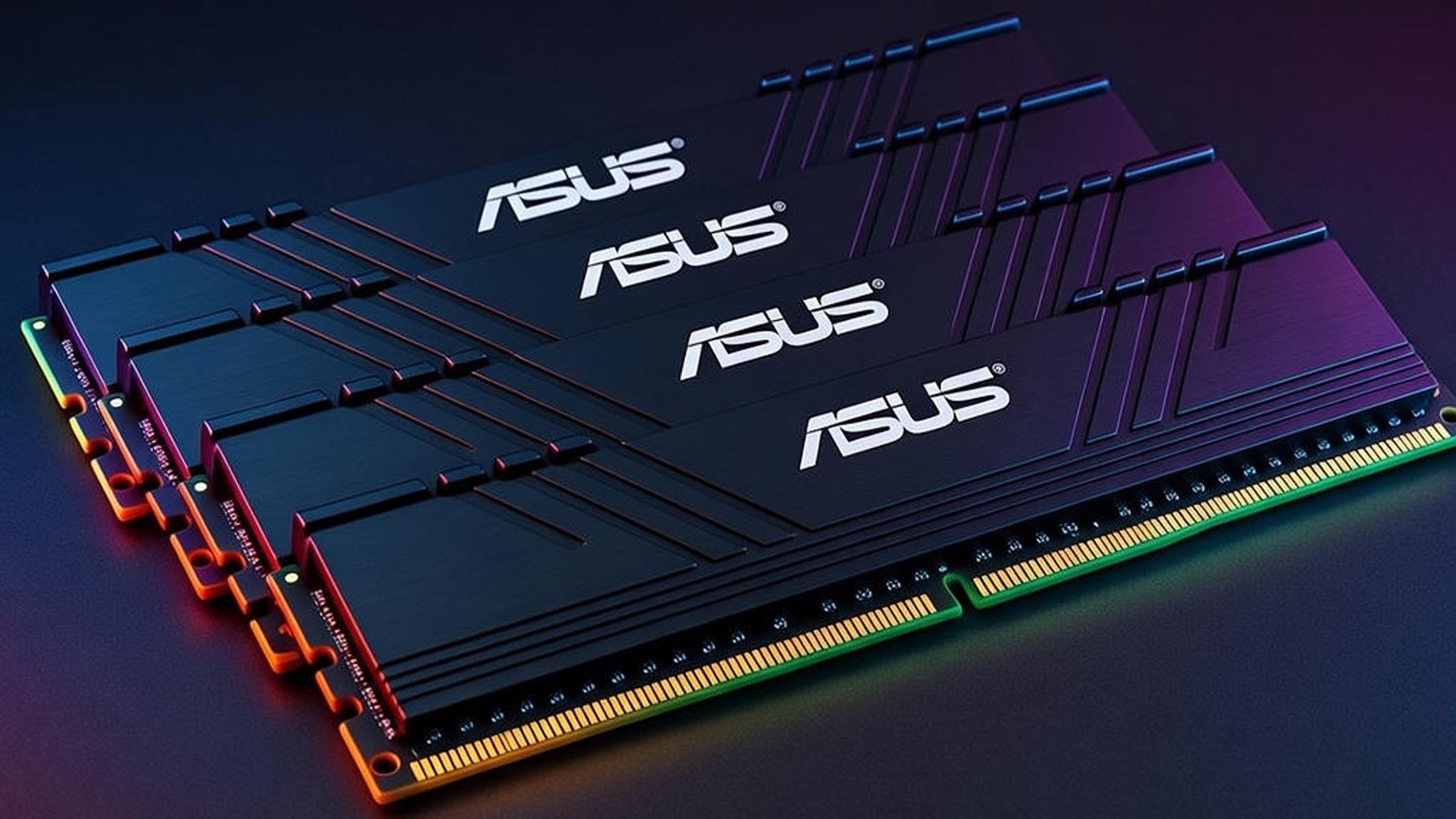
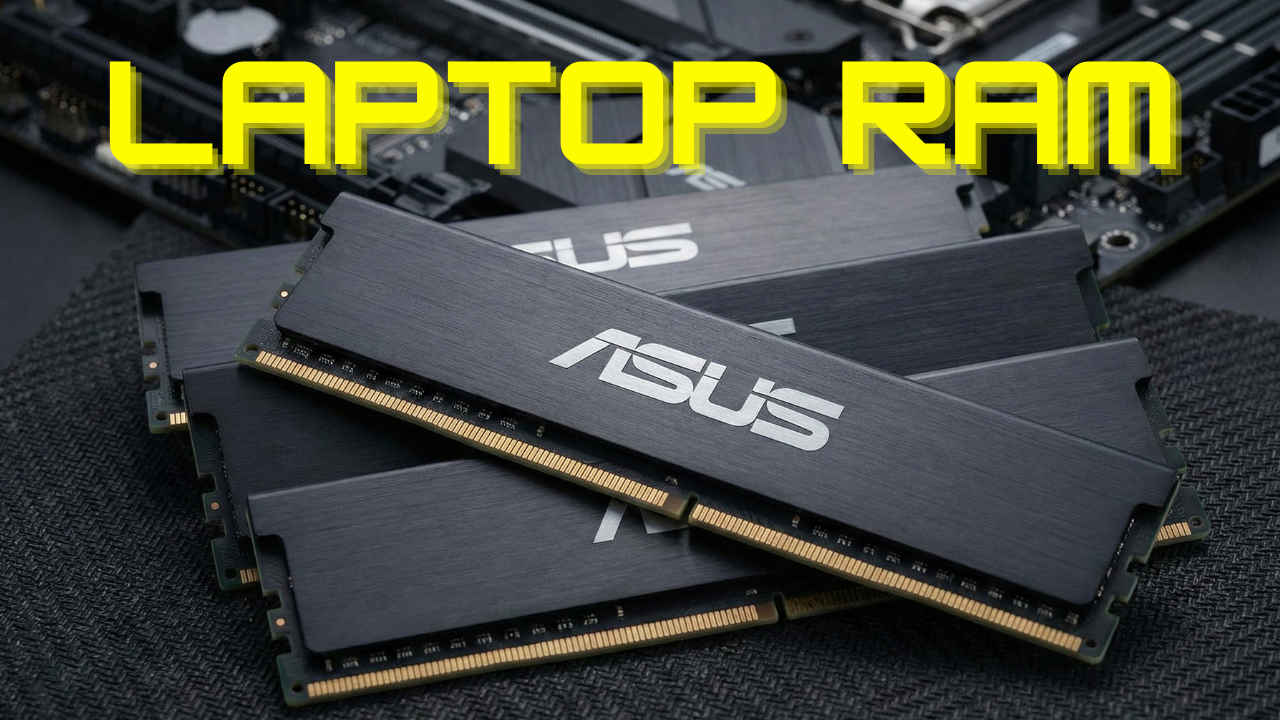
The global technology supply chain is witnessing a transformative moment as ASUS prepares to disrupt the memory manufacturing landscape, signaling a critical strategic response to persistent semiconductor shortages. By potentially establishing DRAM production facilities by 2026, ASUS is not merely solving its own component challenges but fundamentally reimagining how technology companies approach supply chain resilience.
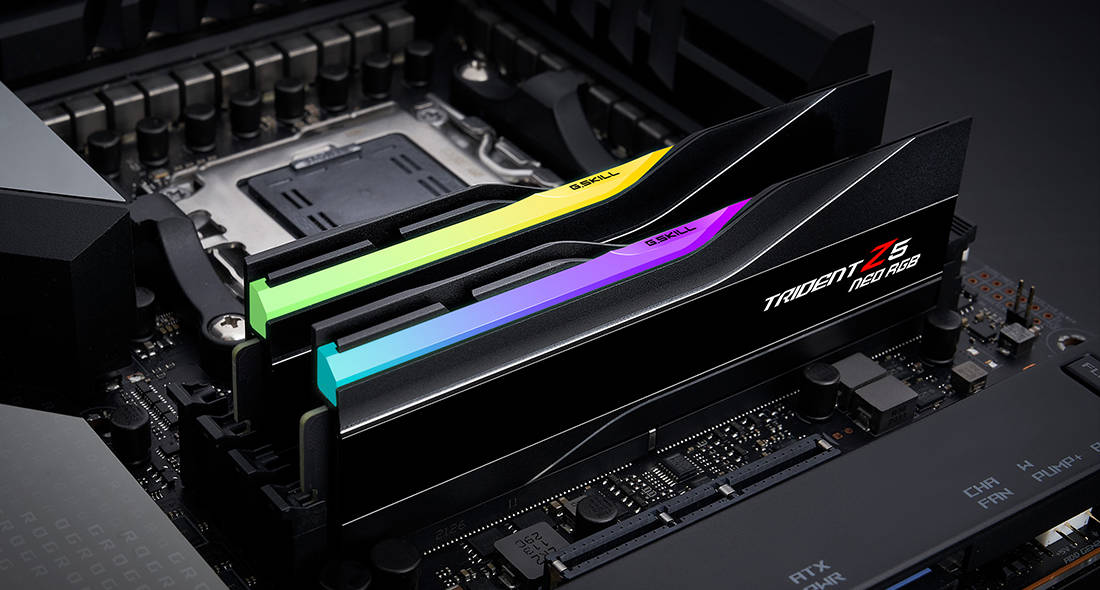
The current memory market, dominated by giants like Samsung, SK Hynix, and Micron, has been experiencing unprecedented volatility. RAM prices have skyrocketed, driven by massive AI data center demands consuming significant memory resources. ASUS's potential entry represents a calculated move to break the existing manufacturing oligopoly, with the company exploring collaboration with Chinese memory manufacturer CXMT to accelerate its manufacturing capabilities.
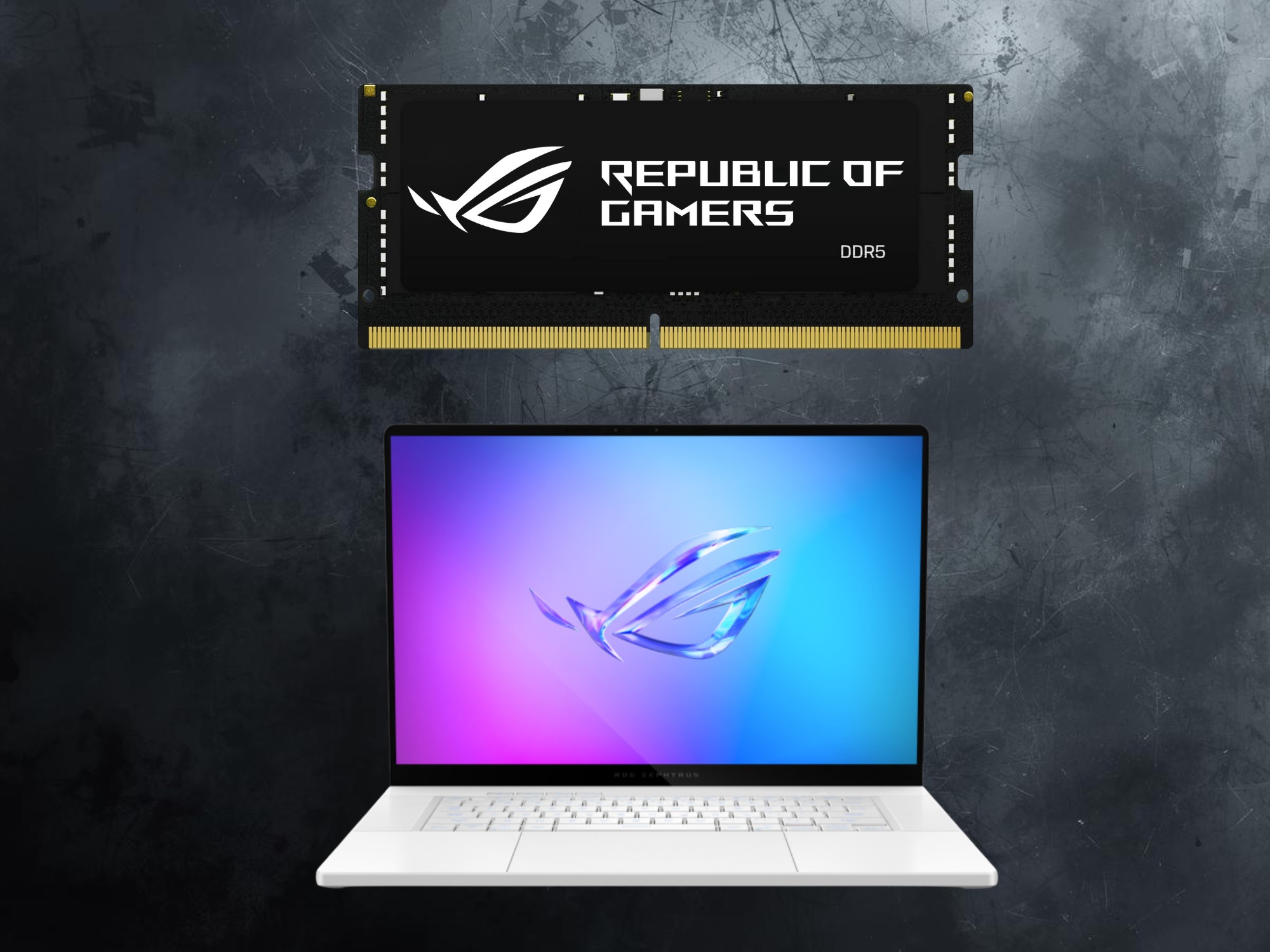
What makes this development particularly compelling is ASUS's motivation beyond pure profitability. Unlike traditional memory manufacturers, ASUS is driven by operational survival and supply chain resilience. The company aims to secure stable memory supplies for its ROG and TUF branded computers, effectively transforming from a pure technology manufacturer to a vertically integrated component producer. This strategy suggests a broader trend of technology companies exploring direct manufacturing to mitigate persistent supply chain uncertainties.
For e-commerce sellers and technology retailers, this signals a potential paradigm shift. The entry of a new memory manufacturer could introduce more competitive pricing, diverse supply options, and potentially stabilize the volatile RAM market. Technology sellers should closely monitor these developments, as they could represent a critical inflection point in component sourcing strategies.
The broader implications extend beyond ASUS. This move underscores a growing trend of technology companies exploring vertical integration as a risk mitigation strategy, challenging traditional semiconductor supply chain models and potentially reshaping global manufacturing dynamics.
Questions 3
How might ASUS's potential RAM production impact technology sellers?
Technology sellers could benefit from potentially more stable RAM pricing, diverse supply options, and reduced component sourcing risks. The entry of a new manufacturer like ASUS could introduce more competitive pricing and help mitigate ongoing semiconductor supply chain challenges.
Why is ASUS considering entering RAM manufacturing?
ASUS is motivated by persistent memory shortages, skyrocketing RAM prices, and the need to secure stable component supplies for its computer product lines. By potentially manufacturing its own DRAM, the company aims to reduce dependency on existing memory manufacturers and ensure consistent supply for its ROG and TUF branded computers.