



NFL Playoff Dynamics Reveal the Art of Strategic Positioning in Competitive Landscapes
- Navigating Uncertainty Through Adaptive Strategy and Tactical Decision-Making



















Overview
The current NFL playoff landscape offers a masterclass in strategic maneuvering, where competitive positioning transforms from a sports narrative into a universal blueprint for navigating complex, high-stakes environments. With seven of eight divisions still undecided, the season's final weeks demonstrate how organizations survive and thrive amid extreme uncertainty.
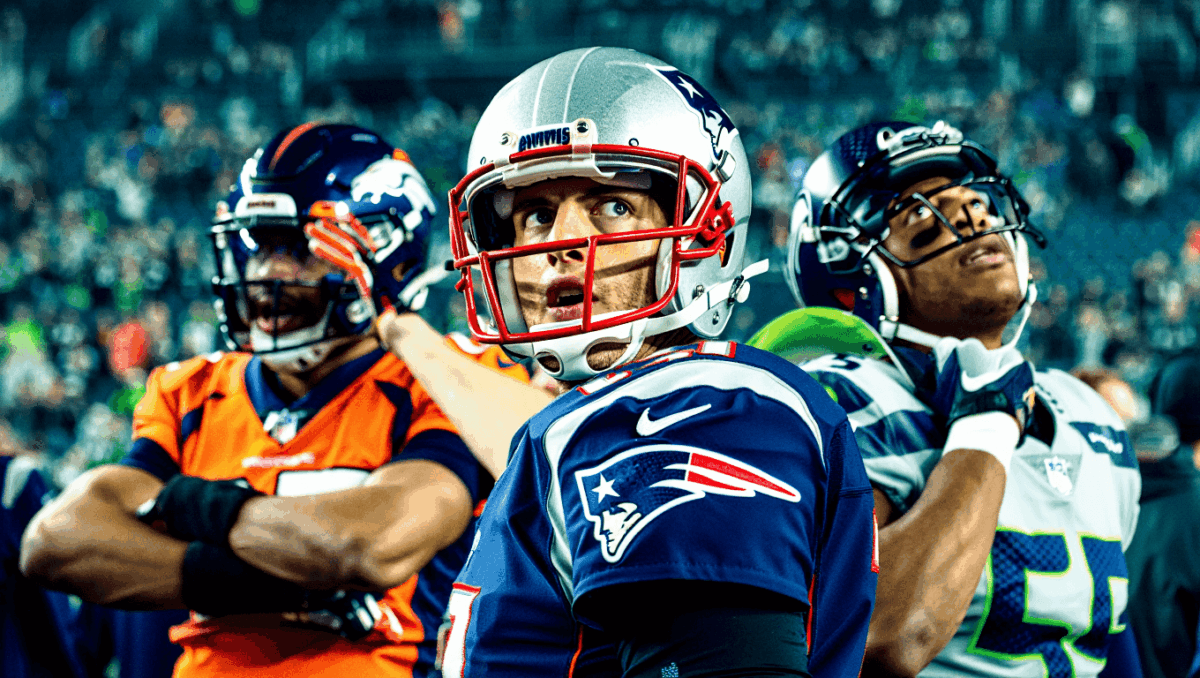
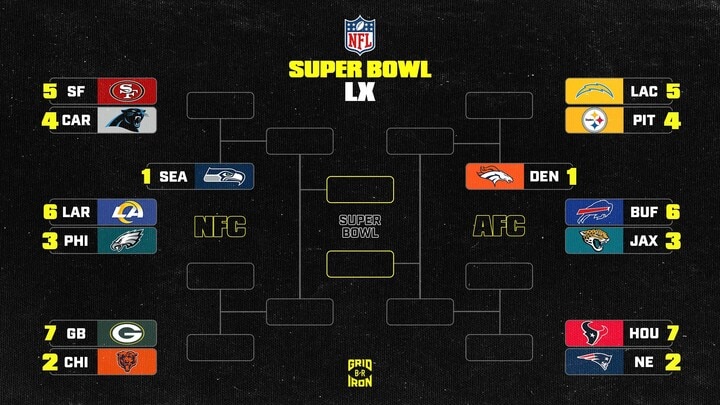
Adaptive strategy emerges as the critical differentiator. The Denver Broncos exemplify this principle, maintaining AFC leadership despite recent challenges by leveraging multiple contingency paths. Their potential top seed isn't just about winning, but about creating strategic optionality—a concept equally vital in global markets. By potentially clinching a first-round bye through complex scenario planning, they reveal how understanding interconnected competitive dynamics trumps linear thinking.
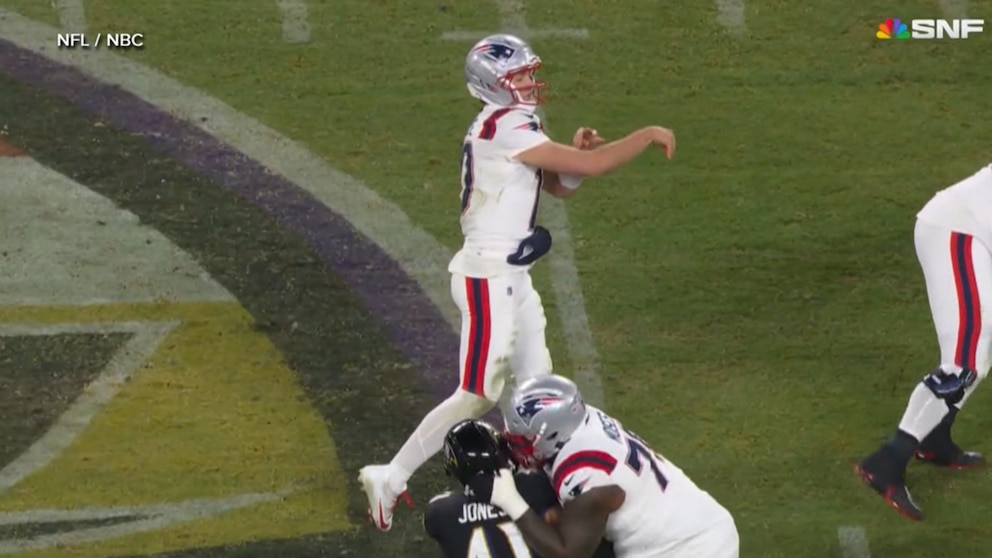
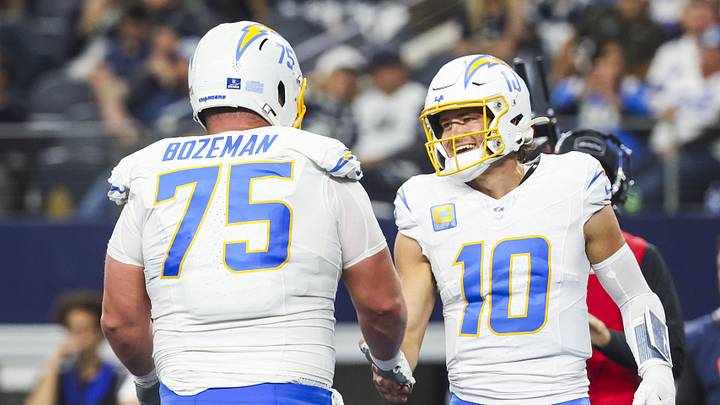
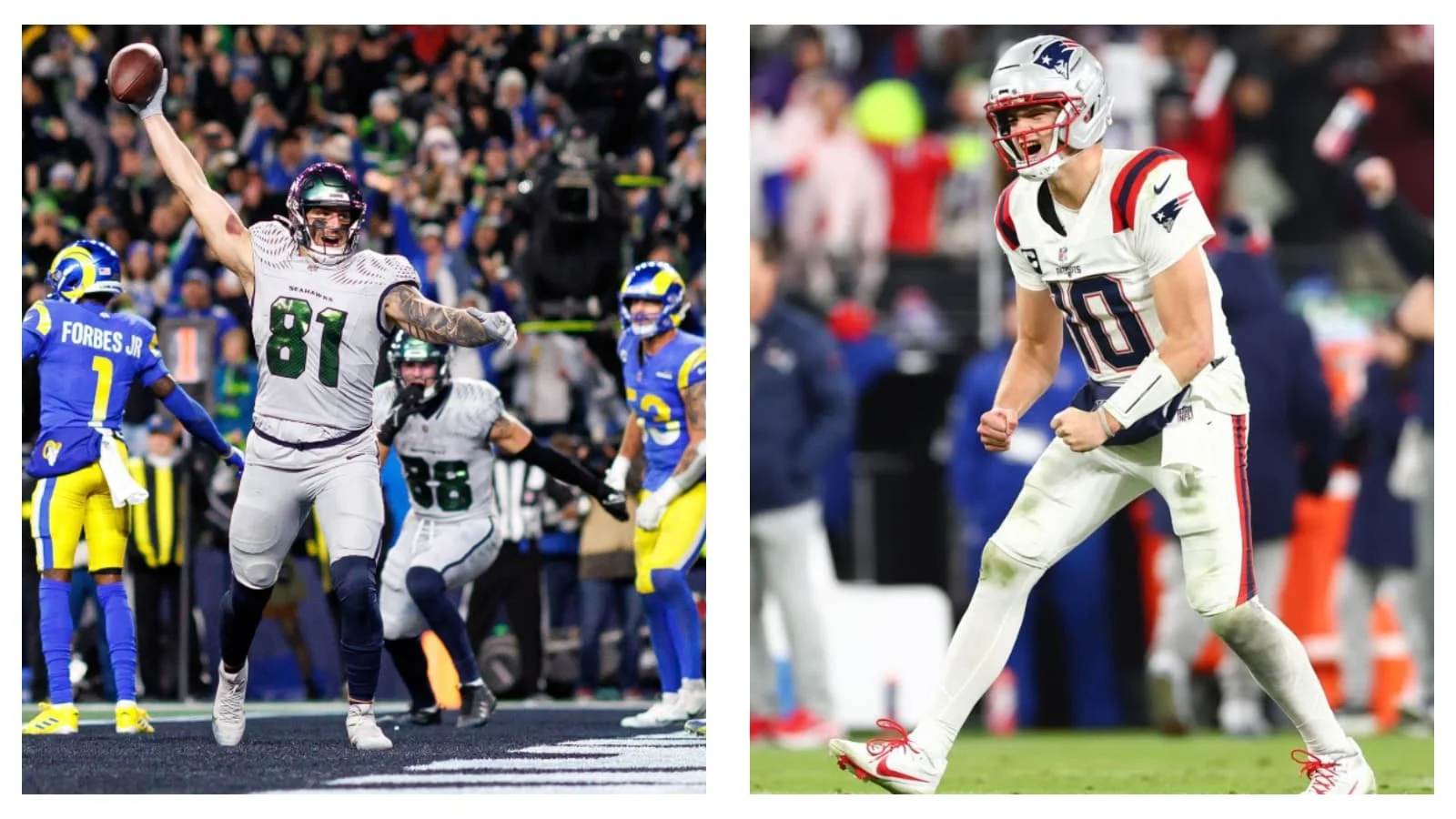
The playoff race also illuminates the power of marginal advantages. Teams like the Houston Texans and Los Angeles Chargers remain alive through razor-thin margins, requiring precise combinations of wins, losses, and tie-breaker scenarios. This mirrors how modern businesses must exploit microscopic opportunities, where a 1% strategic edge can determine market survival. The New England Patriots' improved playoff positioning, driven by a favorable remaining schedule, underscores how systematic preparation creates breakthrough moments.
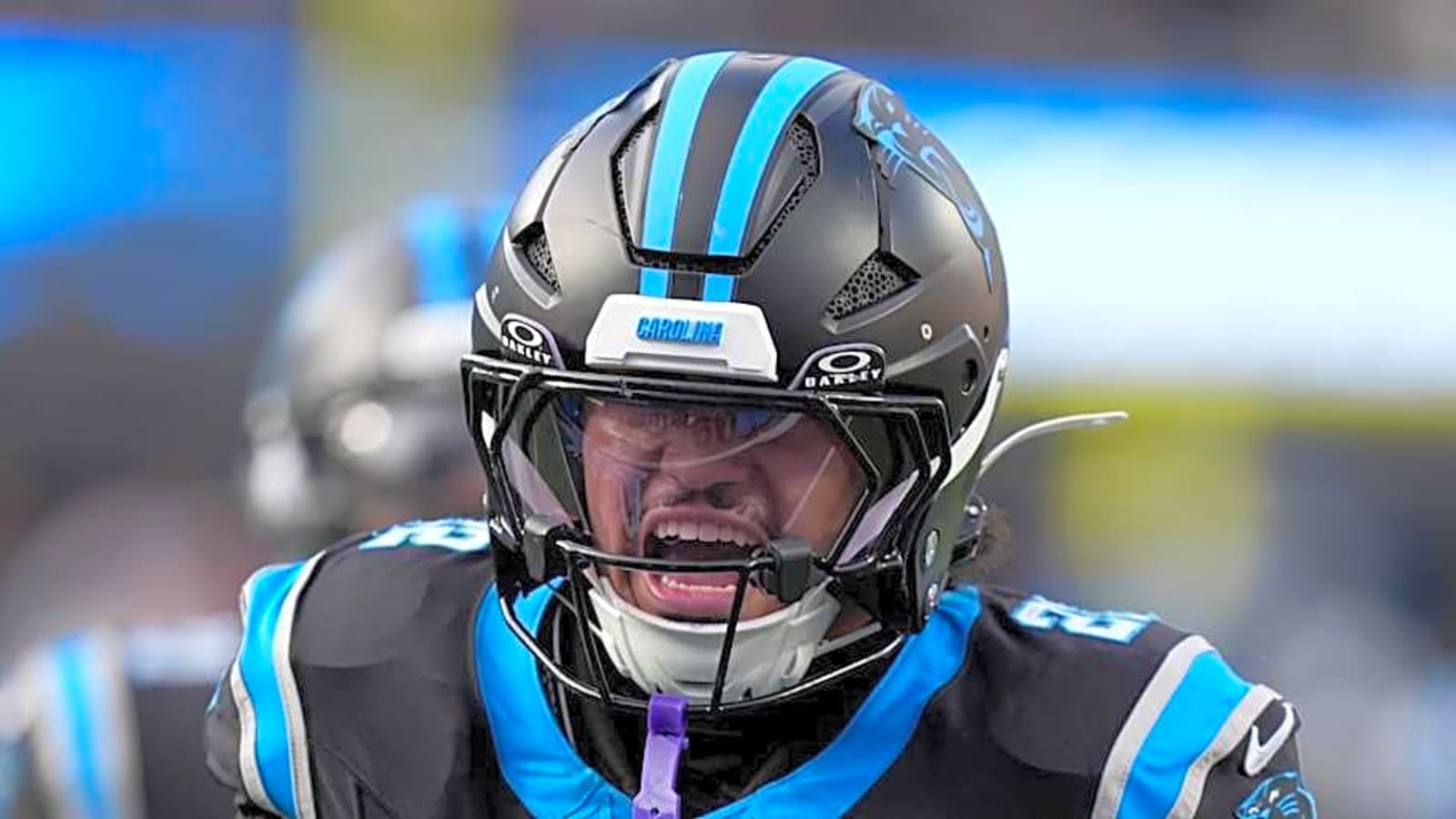
Critically, the unfolding drama shows that flexibility is not a luxury, but a survival mechanism. With four first-round draft picks already traded and teams constantly reassessing personnel and strategies, the most successful organizations treat their approach as a dynamic, continuously updated algorithm rather than a fixed plan. The NFL's complex ecosystem—where the Carolina Panthers' playoff path depends on the Tampa Bay Buccaneers' performance—mirrors the intricate, interdependent nature of global competitive landscapes.
For sellers and strategists across domains, the NFL playoff picture is more than a sporting narrative—it's a live case study in strategic resilience. The core lesson is universal: success emerges not from predicting the future perfectly, but from building organizational capabilities that can rapidly sense, interpret, and respond to emerging scenarios.
Questions 3
How do NFL playoff scenarios demonstrate strategic decision-making principles?
The NFL playoff race shows how organizations must simultaneously manage multiple potential outcomes, create contingency plans, and remain adaptable. Teams like the Broncos and Patriots demonstrate this by maintaining multiple paths to success, constantly reassessing their positioning based on evolving scenarios.
What can business leaders learn from the current NFL playoff picture?
The key lesson is the importance of organizational flexibility. Just as NFL teams must rapidly adjust strategies based on game dynamics, businesses must develop capabilities to sense market changes, interpret complex signals, and respond quickly to emerging opportunities or threats.