





Team Performance Collapse: Decoding Organizational Resilience in High-Stakes Environments
- Revealing Critical Insights into Systemic Failure and Recovery Strategies for Professional Teams


































Overview
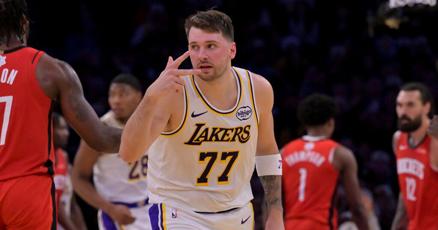
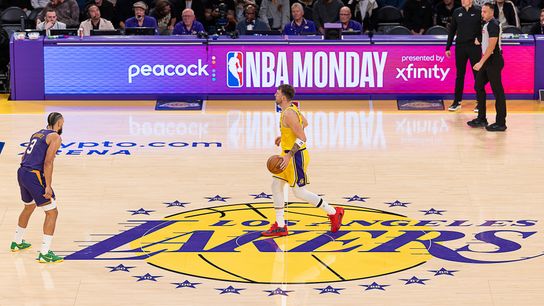
In the high-pressure world of professional sports, the Los Angeles Lakers' recent performance offers a masterclass in organizational breakdown and the delicate mechanics of team dynamics. Systemic performance failure isn't just about individual game results—it's a complex interplay of leadership, commitment, and collective psychology.
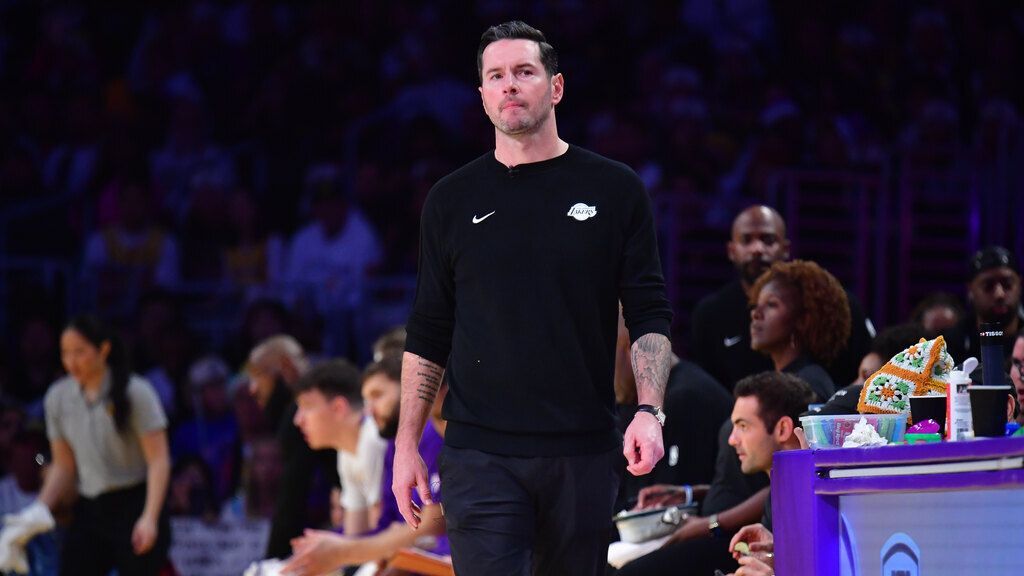
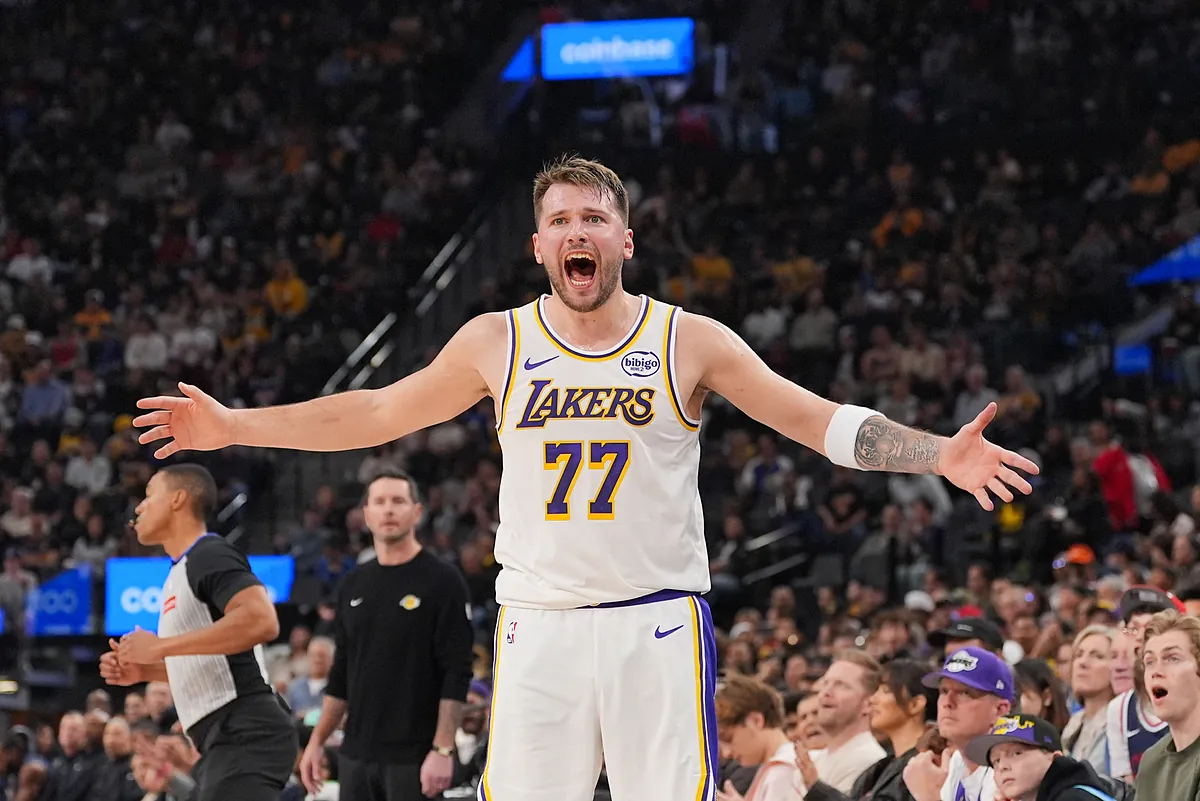
Head Coach JJ Redick's brutally candid assessment reveals deeper organizational challenges that transcend basketball. By stating "We don't care enough right now," Redick exposes a critical inflection point where team culture rapidly deteriorates. The Lakers' performance metrics tell a stark story: three consecutive losses, a point differential of minus-15, and a dramatic collapse from their previous seven-game winning streak.
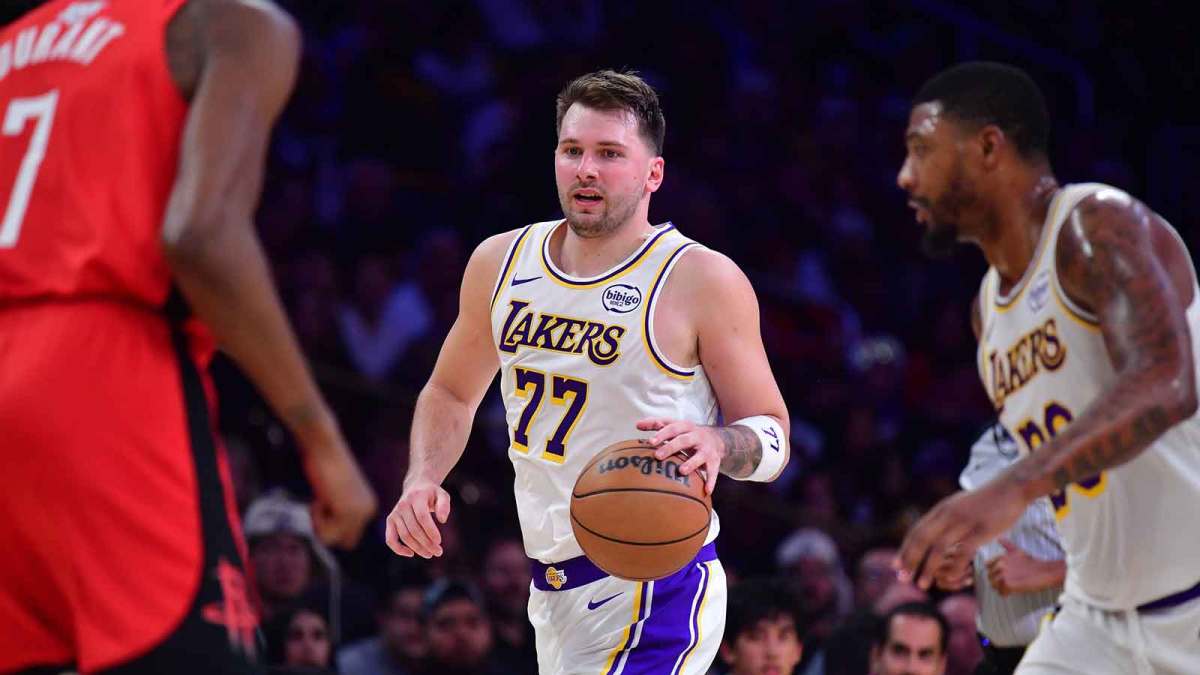
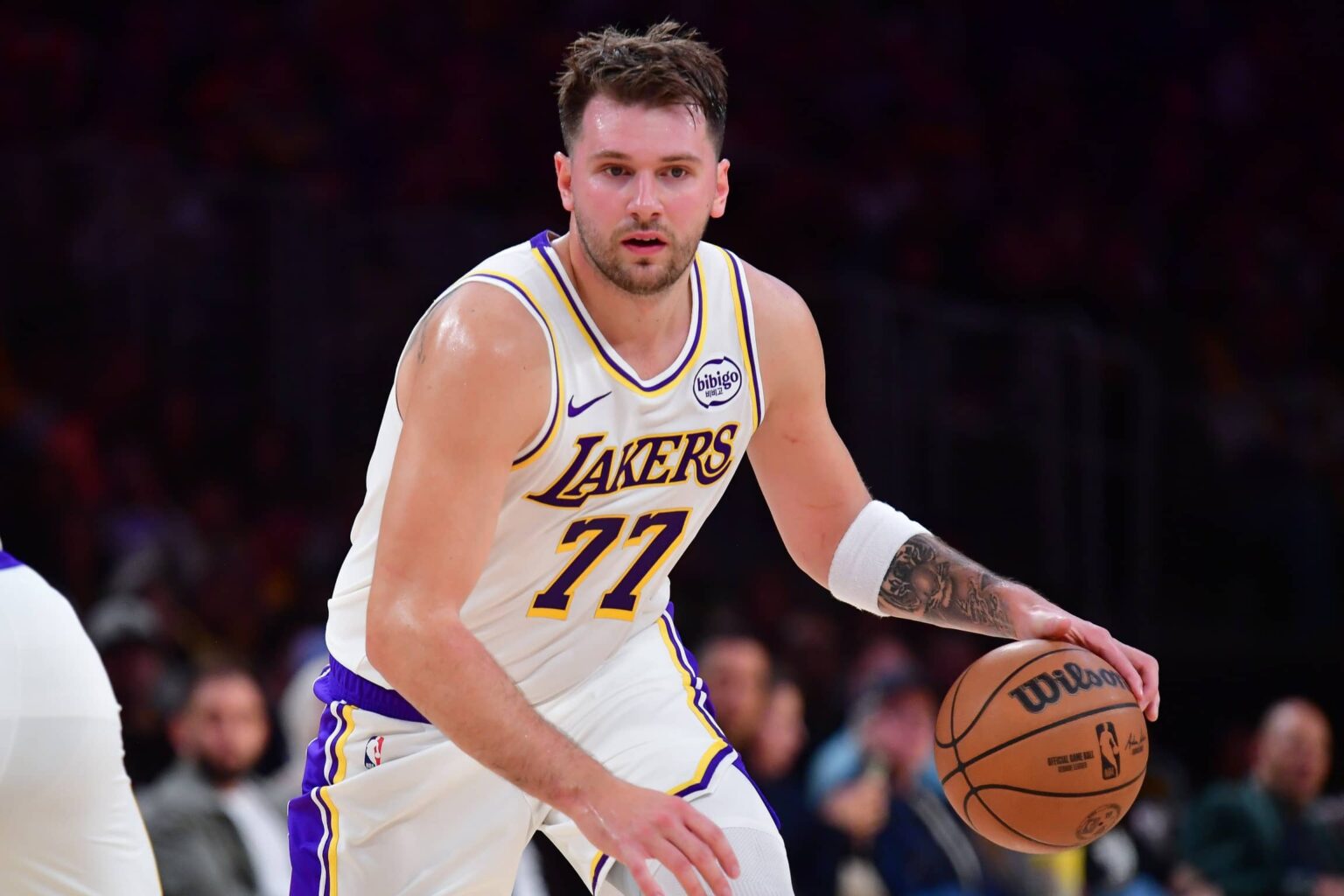
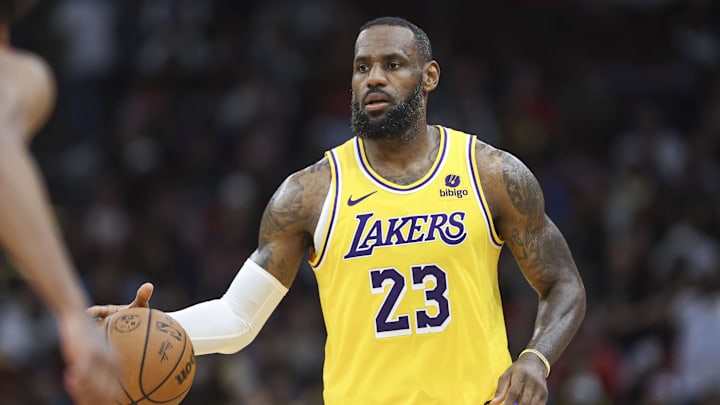
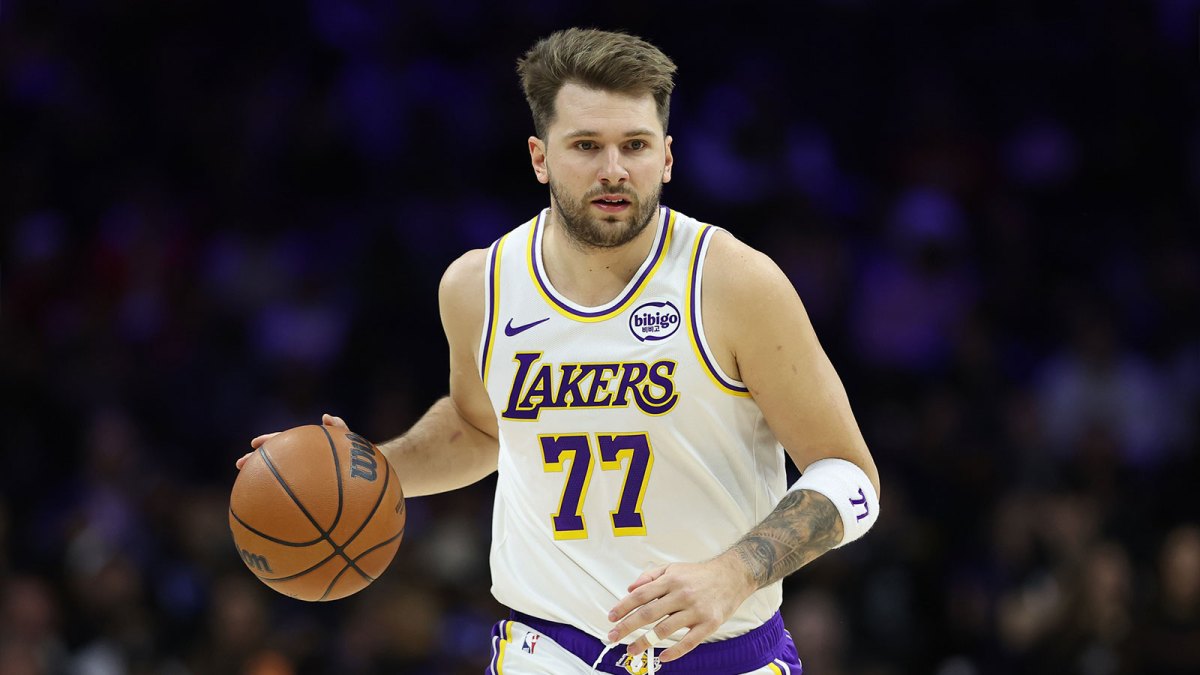
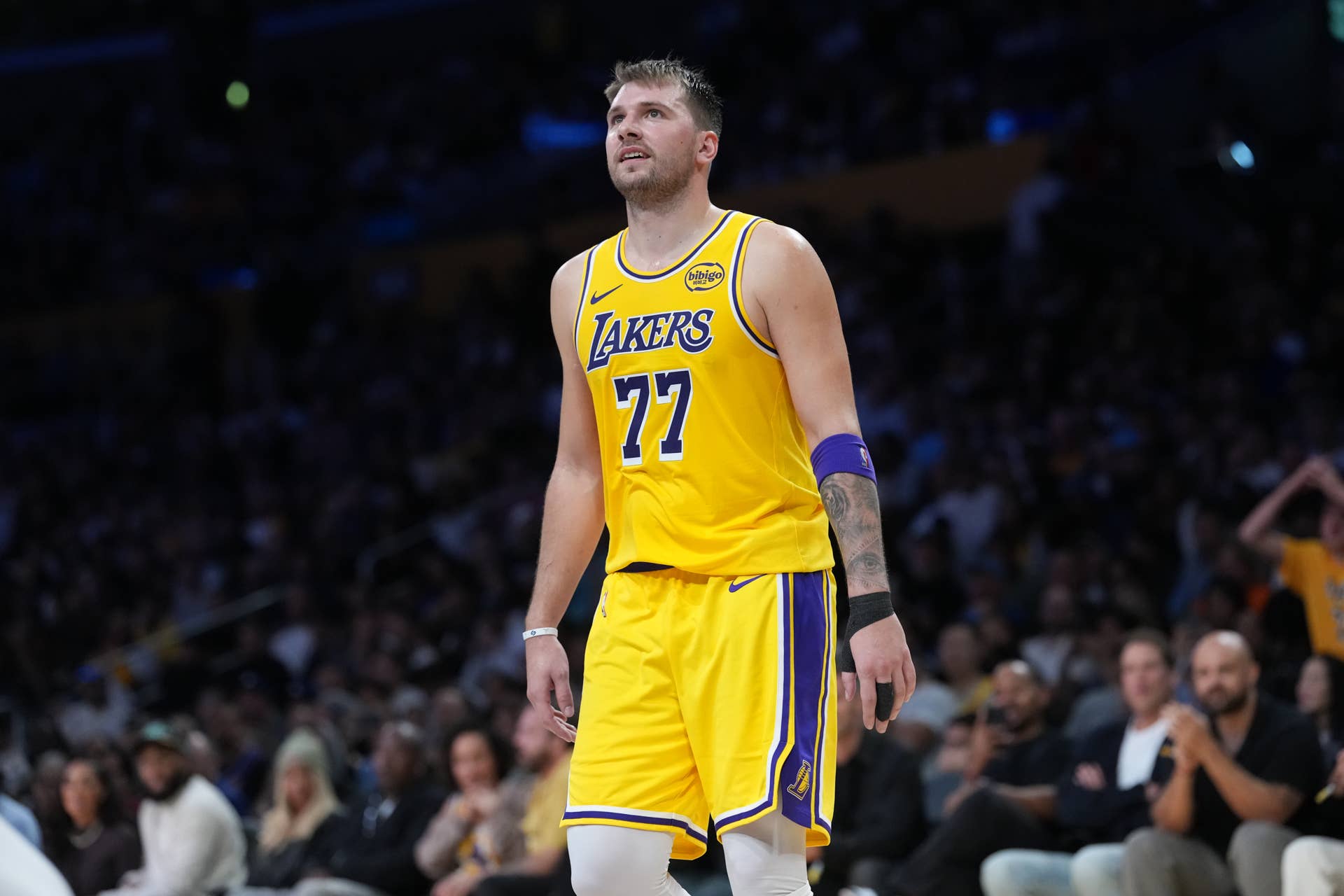
The root cause isn't merely tactical—it's fundamentally about professional commitment. Key players like Luka Doncic and LeBron James are struggling, with performance indicators showing systemic disengagement. Redick's promise of an "uncomfortable" practice signals a leadership approach focused on radical accountability. This isn't just about basketball; it's a blueprint for organizational reset in high-performance environments.
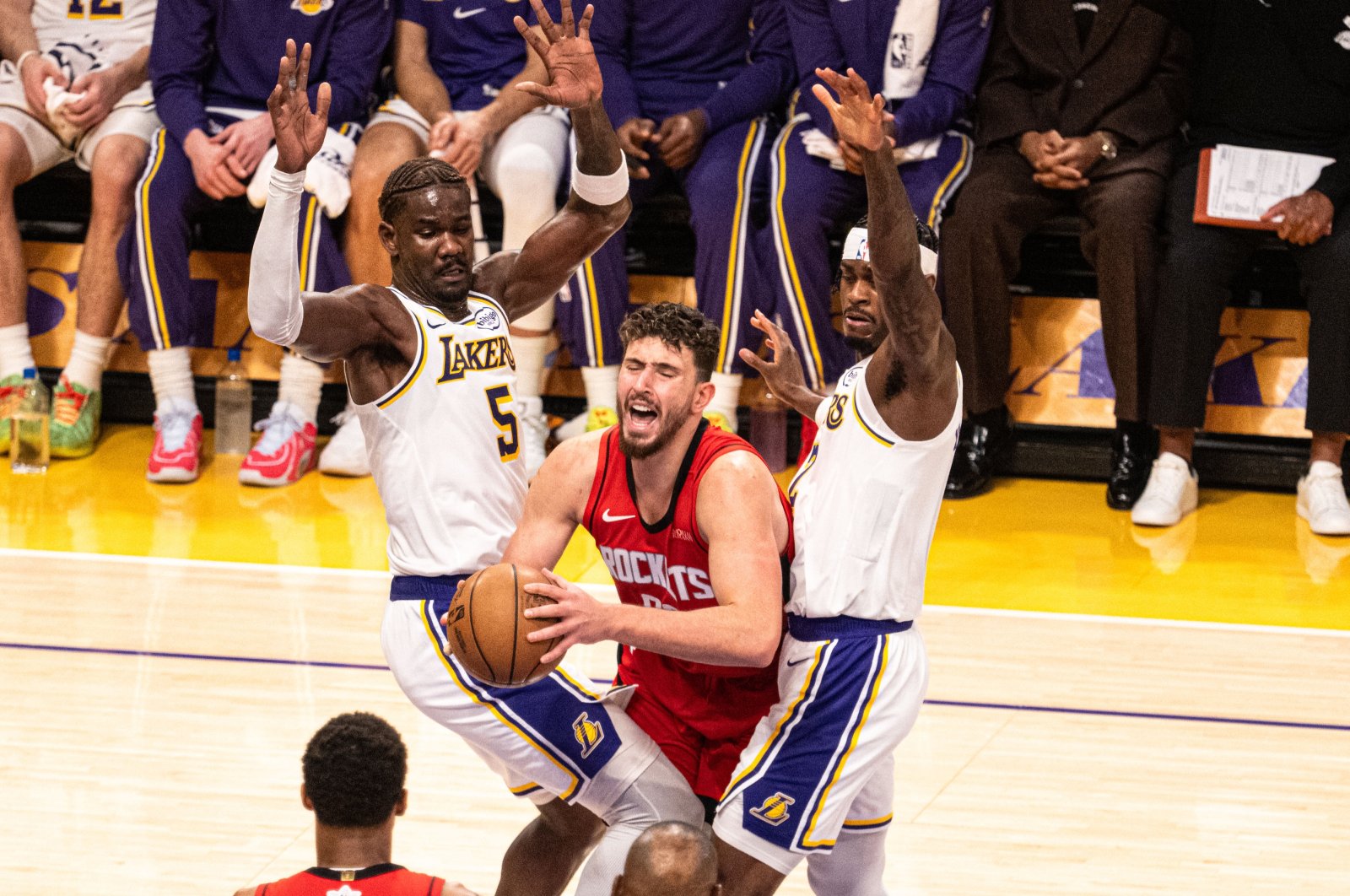
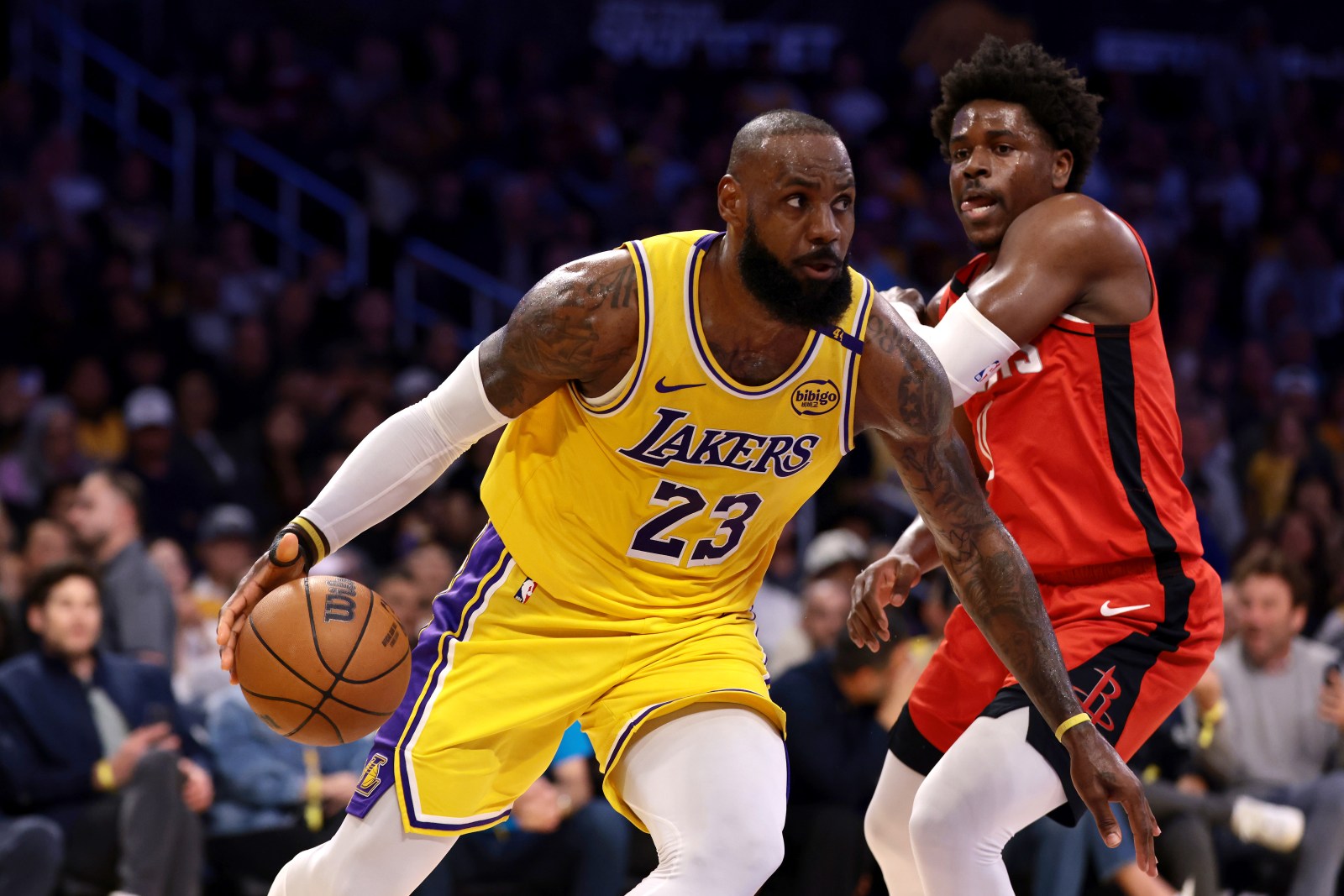
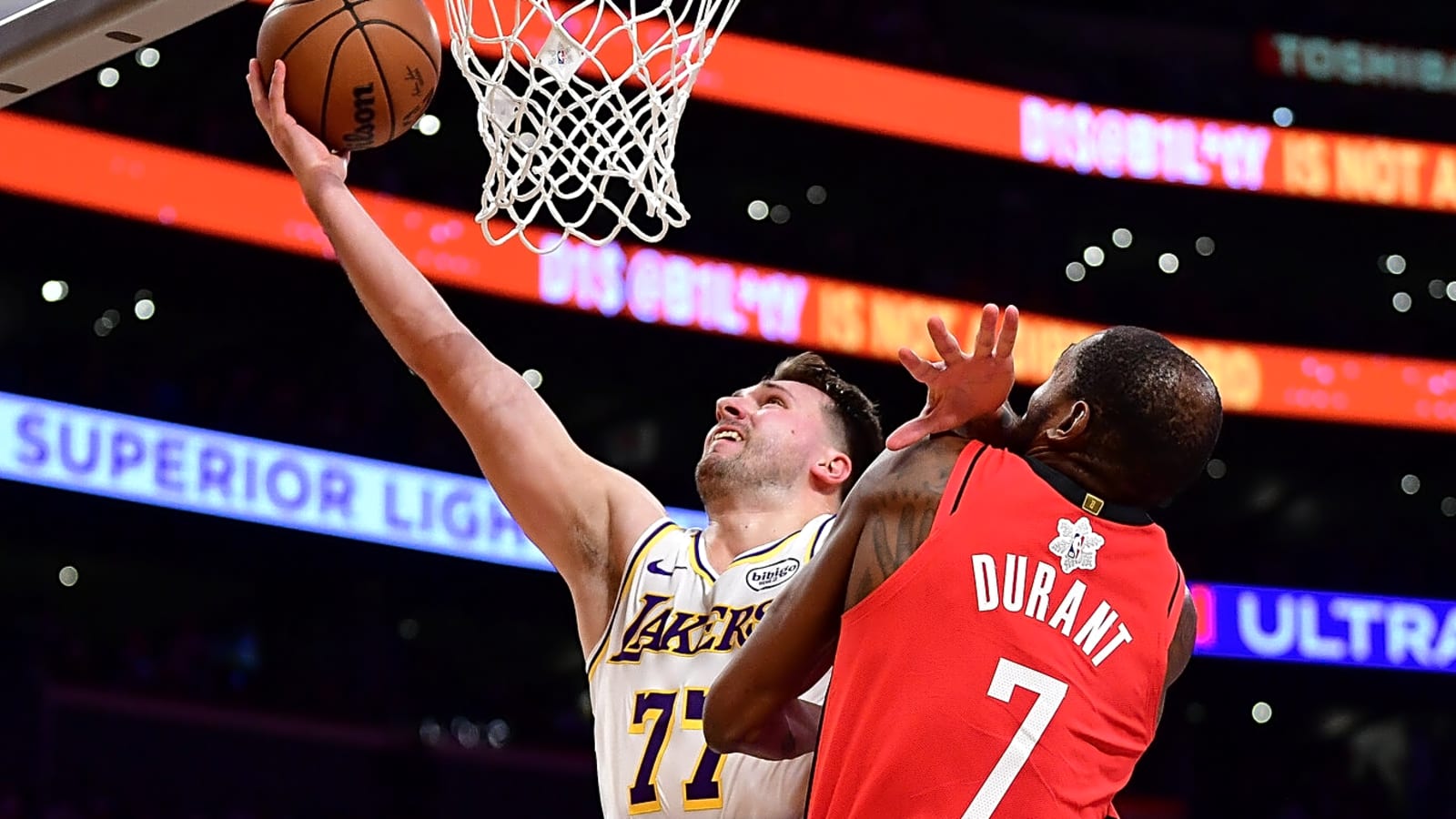
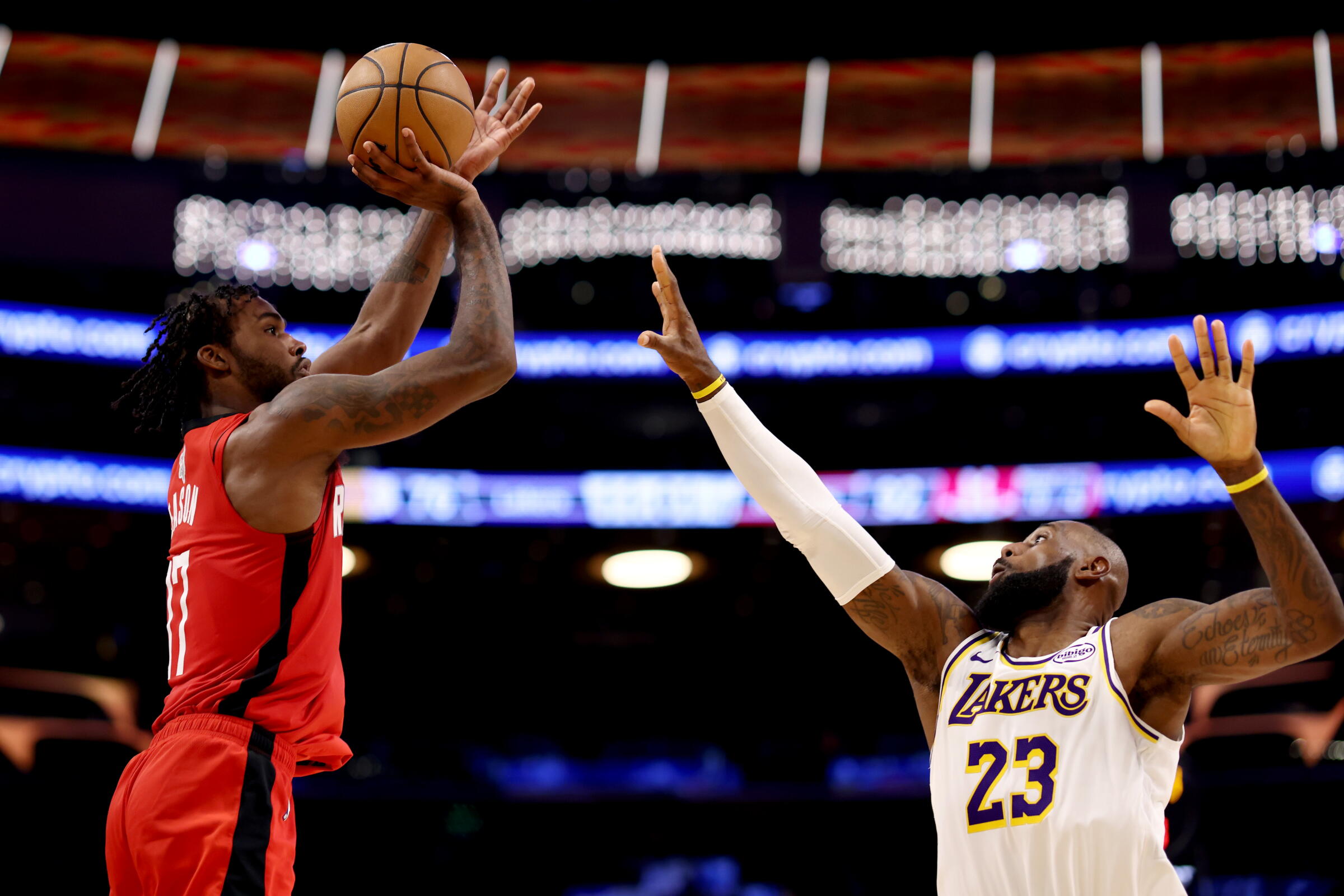
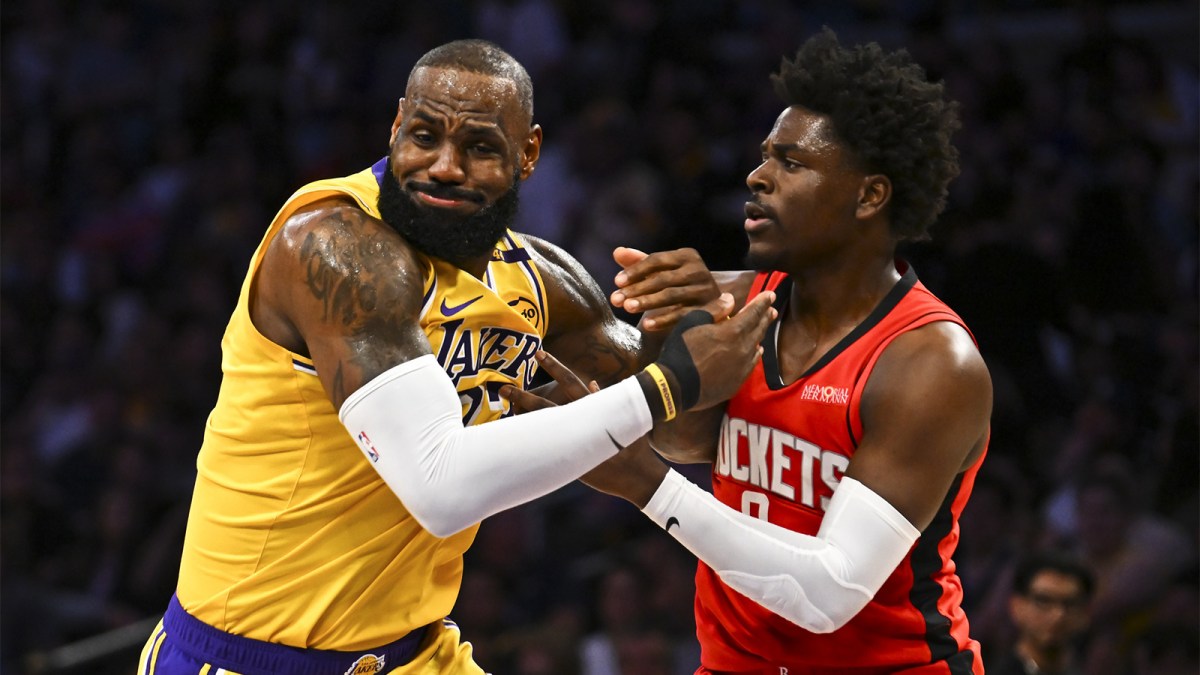
The most telling metric isn't the 119-96 score against the Rockets, but the team's internal response. Role players Jake LaRavia and Jarred Vanderbilt acknowledging the need for "difficult conversations" demonstrates an emerging awareness that could be the first step toward recovery. The potential injury to rising star Austin Reaves further complicates their strategic landscape.
For organizations watching, the Lakers' situation offers a critical case study: performance decline is rarely about individual failures, but about collective mindset. The speed at which team culture can unravel—and potentially be reconstructed—is the real competitive advantage.
Questions 3
What are the key indicators of organizational performance decline?
Key indicators include consistent underperformance, lack of collective commitment, internal communication breakdowns, and leadership's inability to reset team expectations. In the Lakers' case, this manifests through repeated losses, low point differentials, and players' acknowledged need for difficult conversations.
How can leaders effectively reset team culture?
Effective culture reset requires radical transparency, direct confrontation of performance issues, and creating structured accountability. Coach Redick's approach of promising an 'uncomfortable' practice demonstrates this—addressing problems head-on, setting clear expectations, and forcing collective reflection.