





The Strategic Slowdown: How MLB's Contract Negotiations Reveal Complex Market Mechanics
- Unprecedented Negotiation Complexity Reshaping Professional Sports Talent Acquisition





Overview
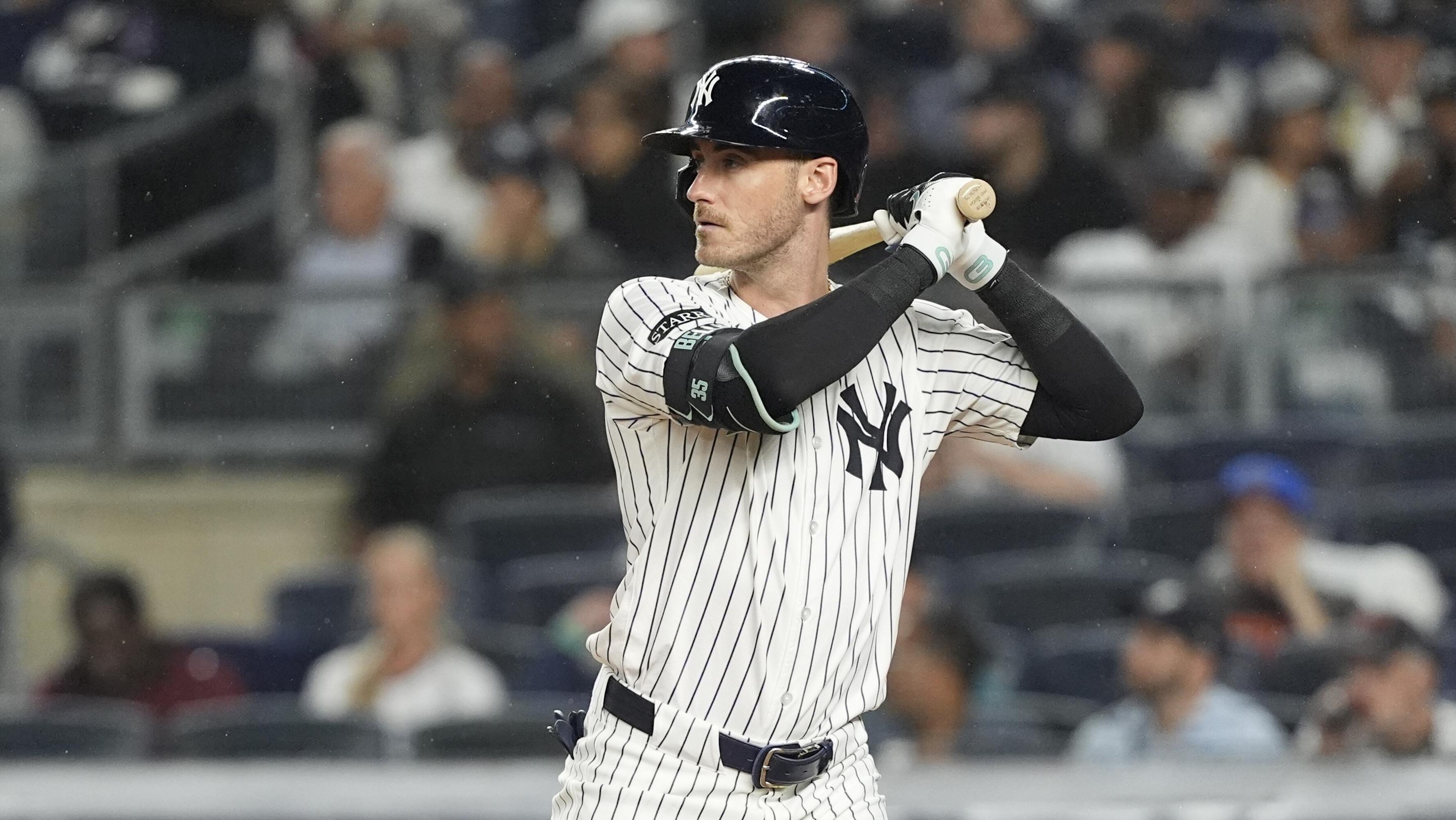
The MLB free agency landscape is experiencing a profound transformation, characterized by an unprecedented slowdown in player negotiations that reveals deeper structural challenges in professional sports talent markets. Unlike previous years, teams are demonstrating extraordinary caution, with top-tier players like Kyle Tucker and Bo Bichette remaining unsigned despite their significant market value.
The current market dynamics reflect a sophisticated risk management approach. Key players are facing contract projections around $395 million for 10-year deals, but teams are strategically hesitating. This hesitation stems from multiple complex factors: injury risk assessments, performance variability, and increasingly nuanced financial considerations that extend beyond traditional player valuation metrics.
The Yankees, Blue Jays, and Mets exemplify this new negotiation paradigm, demonstrating a wait-and-observe strategy that prioritizes long-term financial flexibility over immediate talent acquisition. Most free agency activity is now concentrated among just 5-10 teams, creating a fragmented market where top-tier talent can remain unsigned for months.
This trend signals a fundamental shift in professional sports economics. Teams are no longer making knee-jerk contract decisions but conducting deep, multidimensional analyses that consider not just athletic performance, but comprehensive risk profiles. The MLB's unique contract environment, which allows virtually unlimited contract lengths, paradoxically creates more complexity rather than more opportunities.
The implications extend beyond baseball: this represents a broader evolution in talent acquisition strategies across professional domains. Organizations are increasingly treating high-value talent acquisitions as complex investment decisions, requiring meticulous due diligence and strategic patience.
Questions 3
What broader implications does this negotiation trend have for talent acquisition?
This trend demonstrates a shift towards treating talent acquisition as a complex investment decision. Organizations are prioritizing comprehensive risk assessments over immediate talent acquisition, a strategy that could influence talent management across various professional domains.
Why are top MLB free agents struggling to secure contracts?
Teams are adopting a more cautious approach, carefully evaluating long-term risks including injury potential, performance consistency, and financial implications. The complex contract environment allows for extensive negotiation, leading to prolonged unsigned periods for top talents.