



Strategic Dominance in Competitive Landscapes: Lessons from the Spurs' NBA Christmas Triumph
- How Consistent Performance Reveals Deeper Competitive Strategies Across Industries















Overview
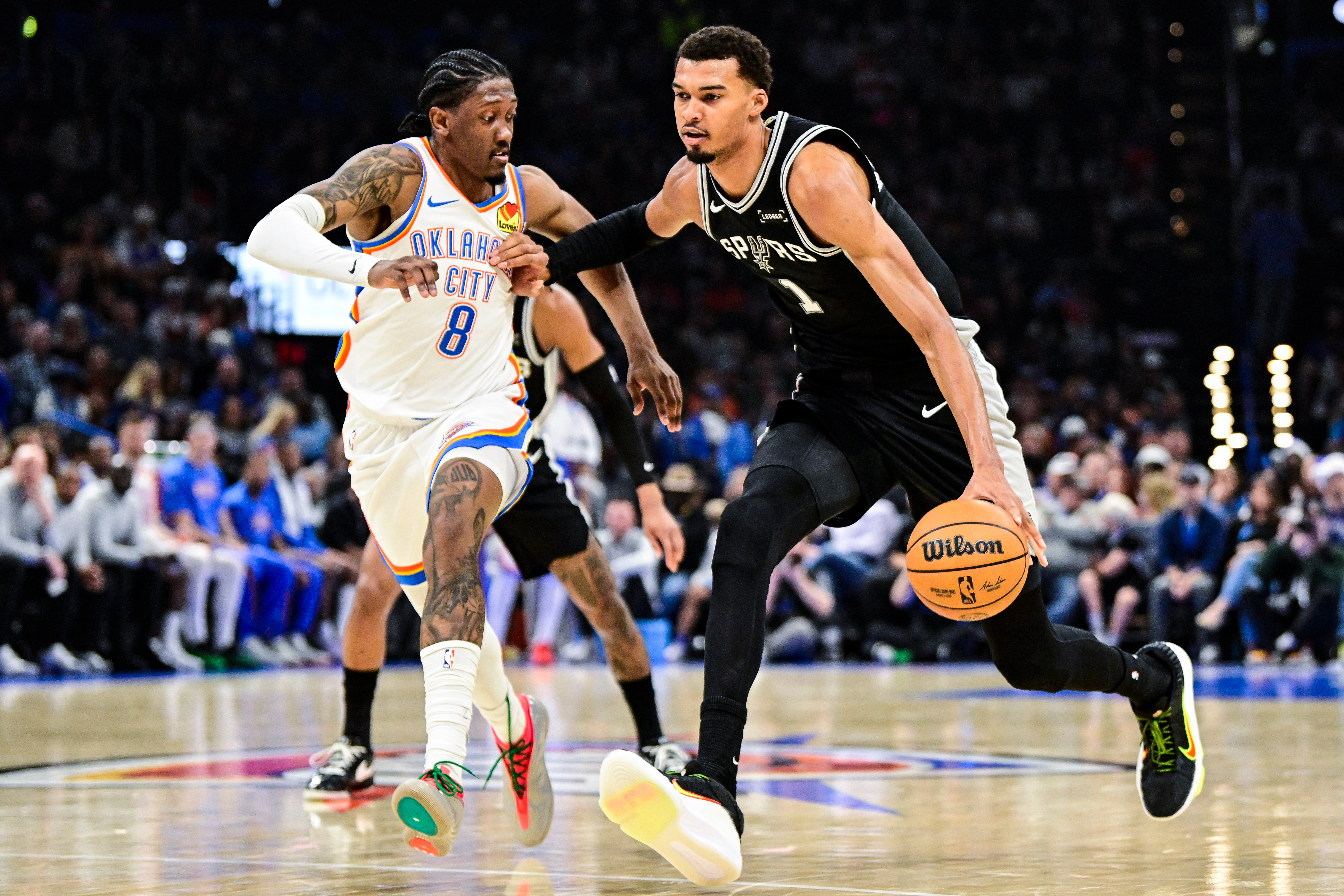
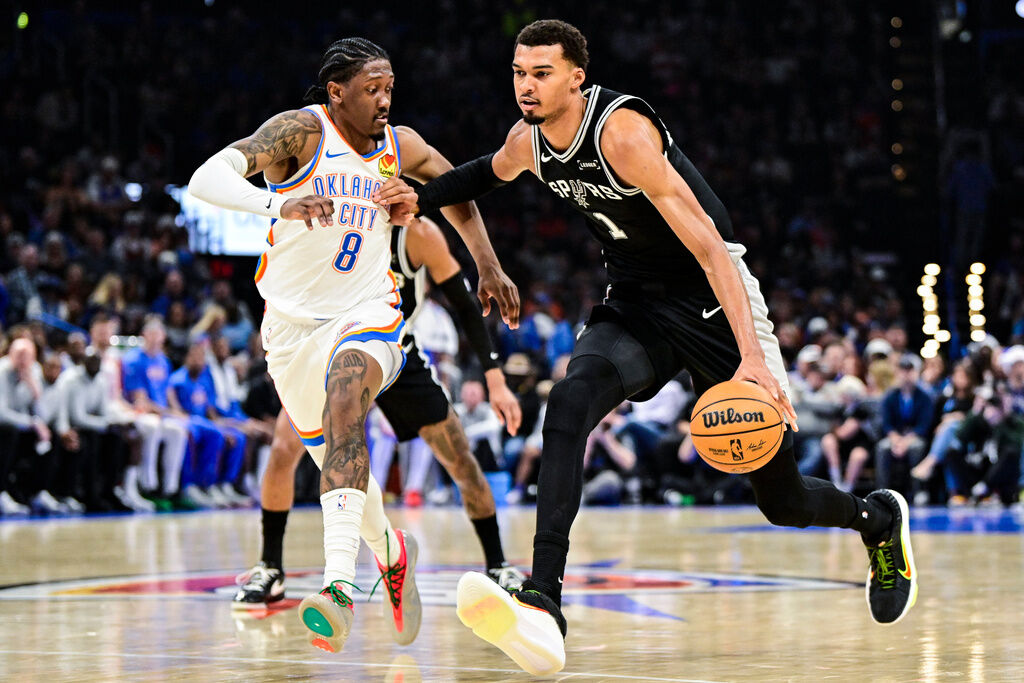
The NBA Christmas Day matchup between the San Antonio Spurs and Oklahoma City Thunder offers a compelling microcosm of strategic excellence that transcends sports, providing profound insights into competitive dynamics. On December 25, 2025, the Spurs delivered their third decisive victory against the defending champions, a performance that goes far beyond mere athletic achievement.
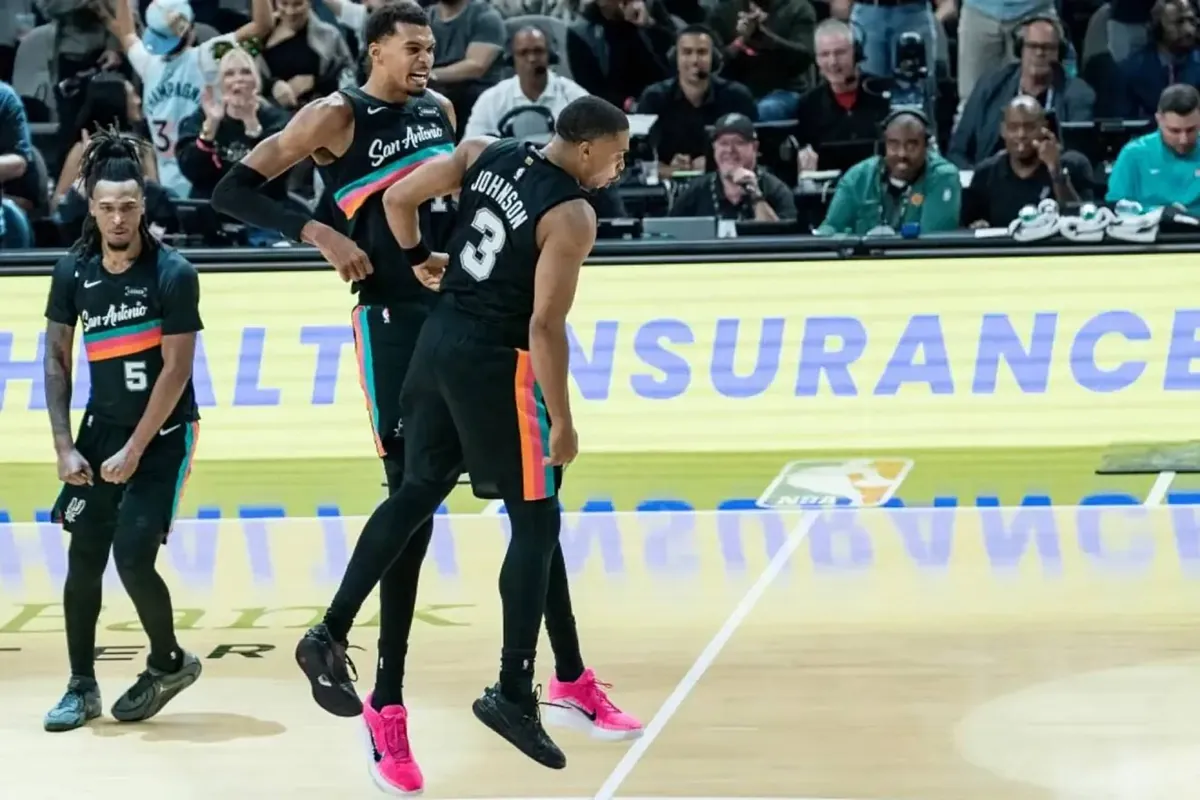
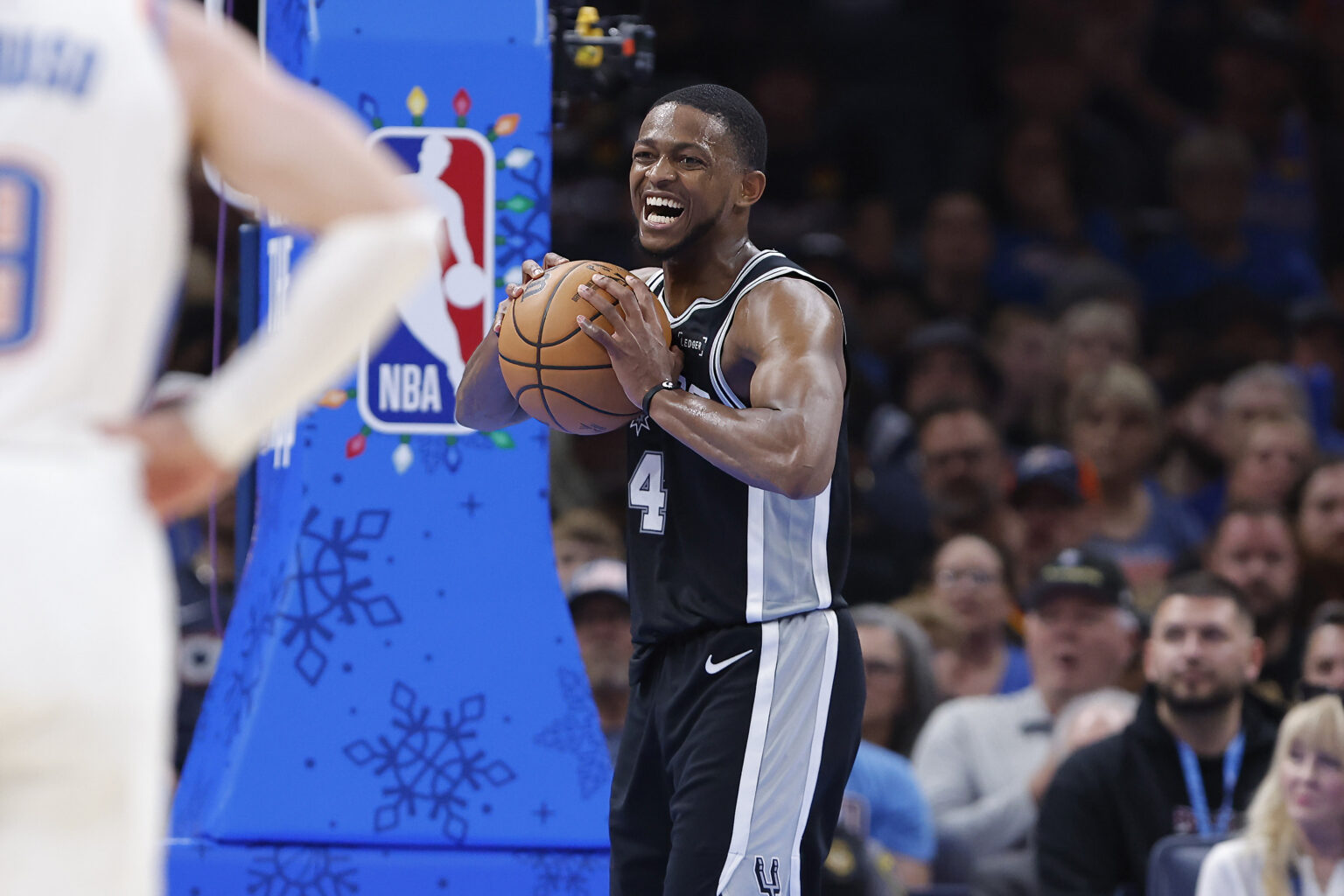
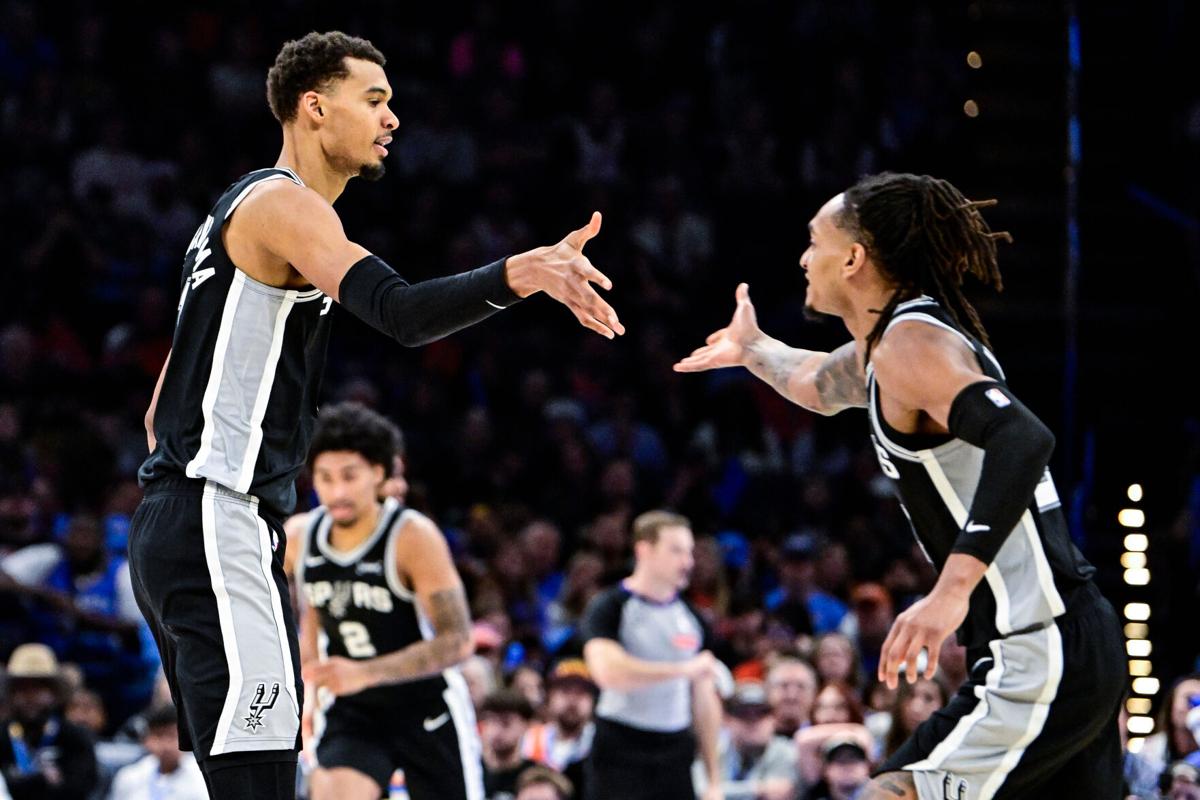
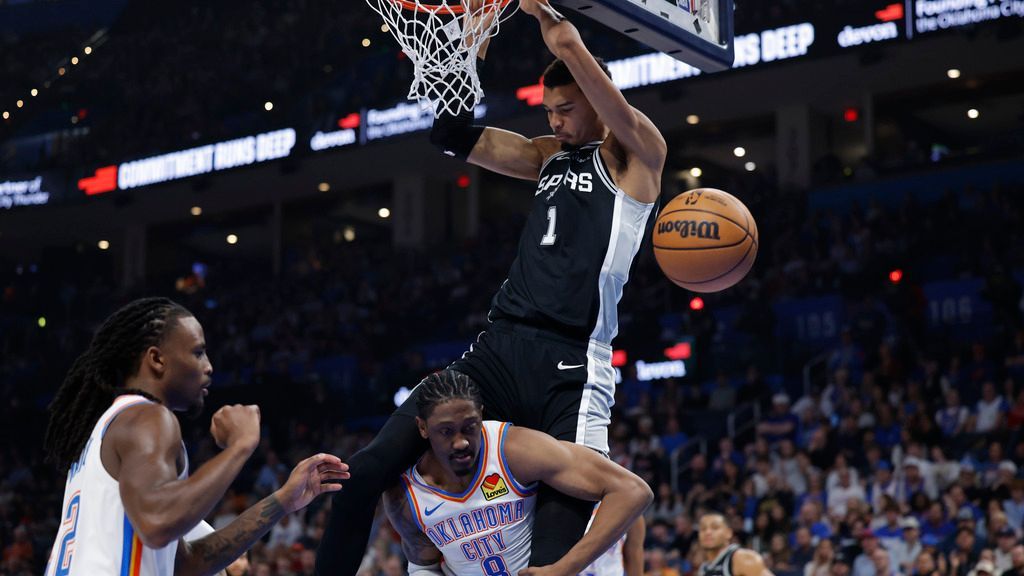
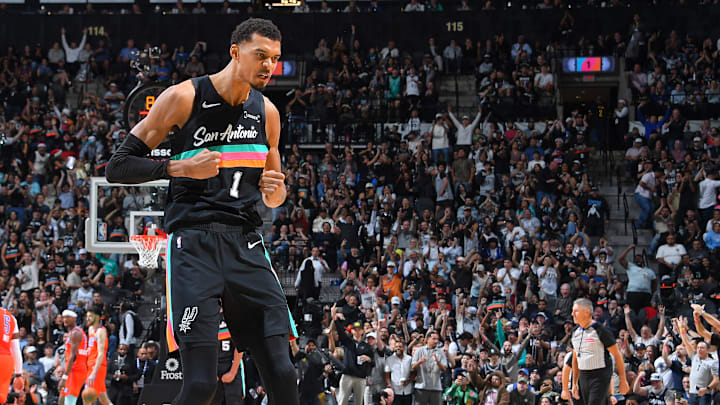
Tactical Consistency emerges as the core narrative. The Spurs' 117-102 victory wasn't just a single game outcome, but a systematic deconstruction of a top-tier opponent. Led by DeAaron Fox's 29 points and Victor Wembanyama's 19-point, 11-rebound performance, the team demonstrated a remarkable ability to outmaneuver a seemingly superior opponent. Their shooting efficiency (53.6%) contrasted sharply with the Thunder's 38.9%, revealing a deeper strategic advantage.
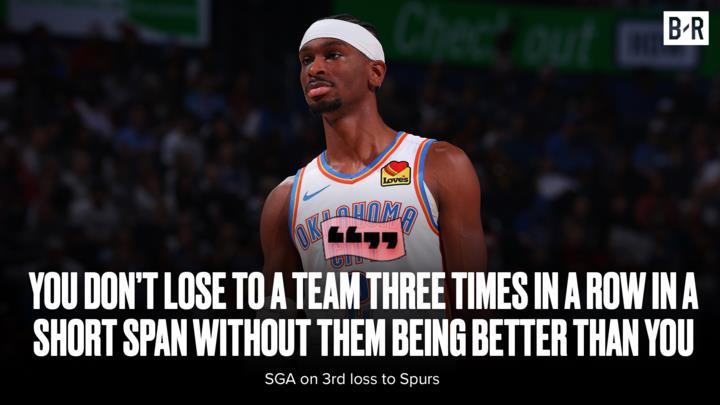
What makes this performance extraordinary is its repeated nature. This wasn't an isolated win, but the third victory against the Thunder in two weeks, including a previous NBA Cup semifinal triumph. Such consistent dominance suggests something more profound than momentary luck—it represents a systematic approach to competitive engagement.
For businesses and organizations, the parallels are striking. Just as the Spurs have repeatedly challenged the defending champions, successful enterprises must develop:
- Adaptive Strategy: The ability to read and respond to competitive landscapes
- Performance Consistency: Delivering high-quality outcomes repeatedly
- Tactical Flexibility: Adjusting approaches while maintaining core strengths
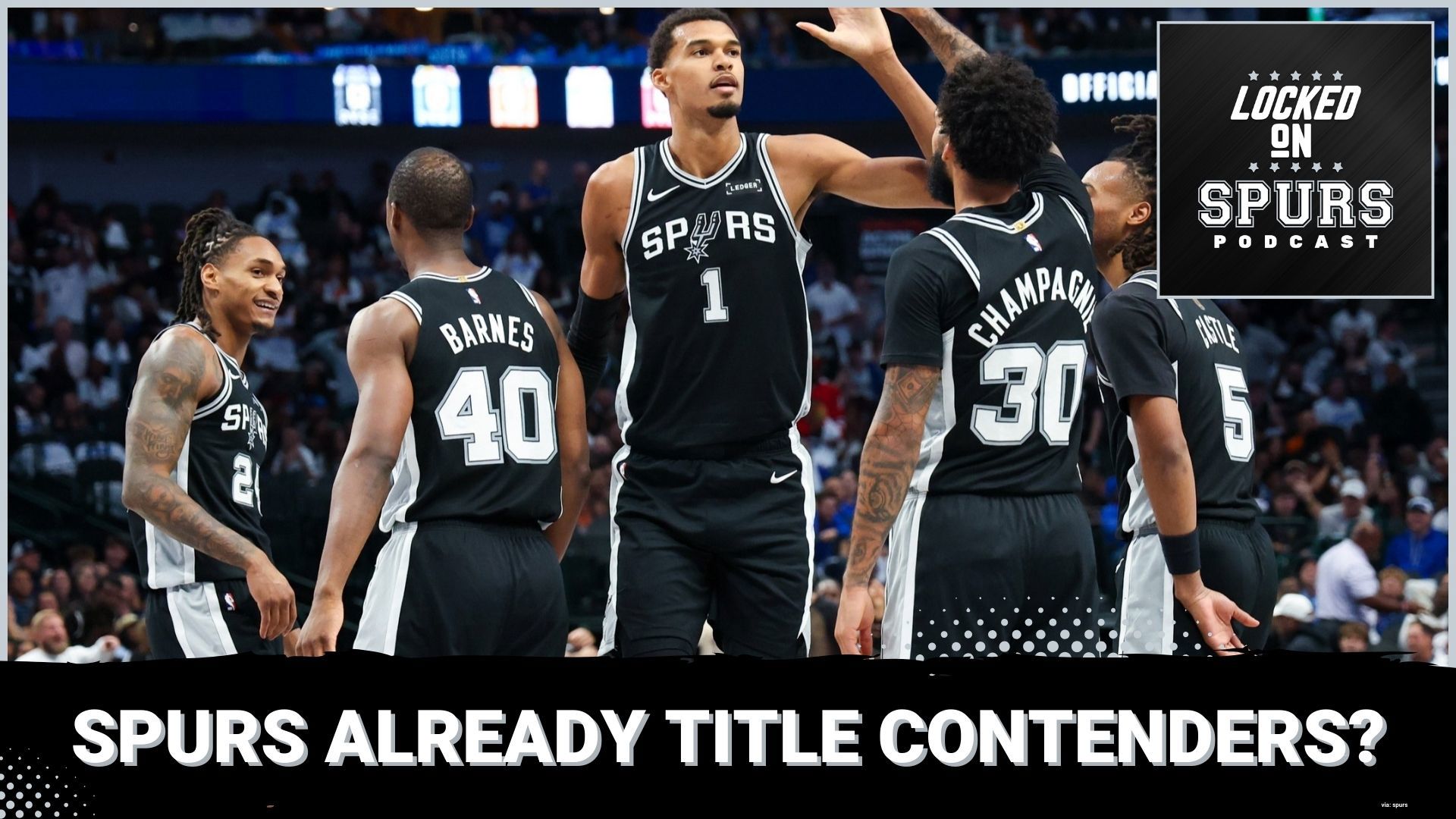
Stephon Castle's contribution of 19 points and seven assists further underscores the importance of team depth and collaborative performance. In both sports and business, individual brilliance matters, but systematic team excellence determines long-term success.
The broader context—the NBA's Christmas Day showcase featuring ten top teams—highlights the significance of strategic positioning. Like high-stakes market competitions, these games are not just about immediate victory, but about establishing narrative and momentum.
Ultimately, the Spurs' performance is a masterclass in competitive strategy: consistent excellence, tactical adaptability, and the ability to challenge established hierarchies. For leaders across industries, the message is clear—sustained success is not about occasional breakthroughs, but about building robust, adaptive systems that can repeatedly outperform expectations.
Questions 3
How can businesses apply the Spurs' strategic approach?
Businesses can learn from the Spurs by developing adaptive strategies, maintaining performance consistency, and building team depth. The key is creating systems that can repeatedly outperform expectations, rather than relying on sporadic individual brilliance.
What role does team composition play in sustained competitive success?
Team composition is crucial, as demonstrated by the Spurs' balanced performance. Players like DeAaron Fox, Victor Wembanyama, and Stephon Castle each contributed uniquely, showing that strategic success depends on collaborative strengths rather than individual heroics.