




Vaccine Policy Crossroads: How Regional Differences Expose Regulatory Complexity
- Emerging tensions reveal critical challenges in cross-border public health policy adaptation












Overview
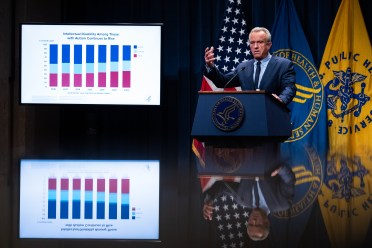
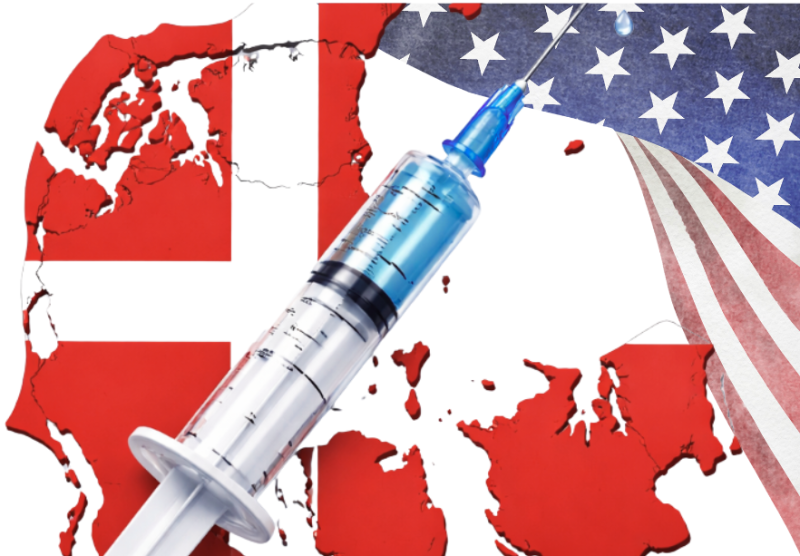
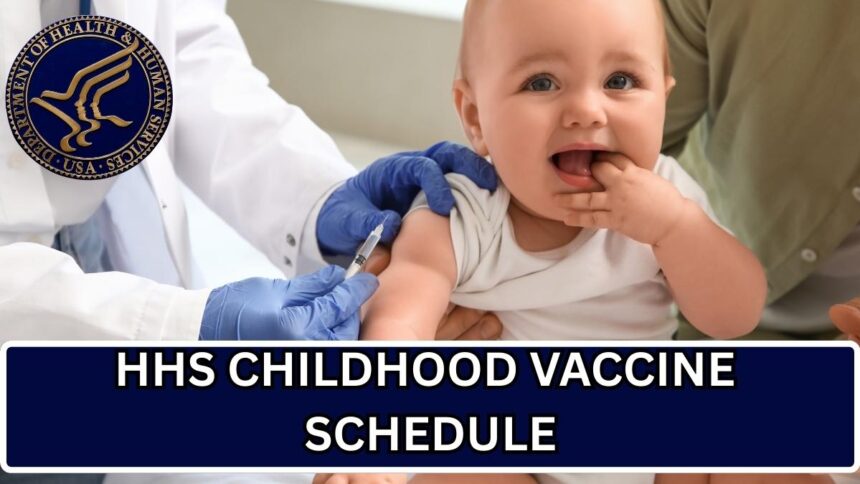
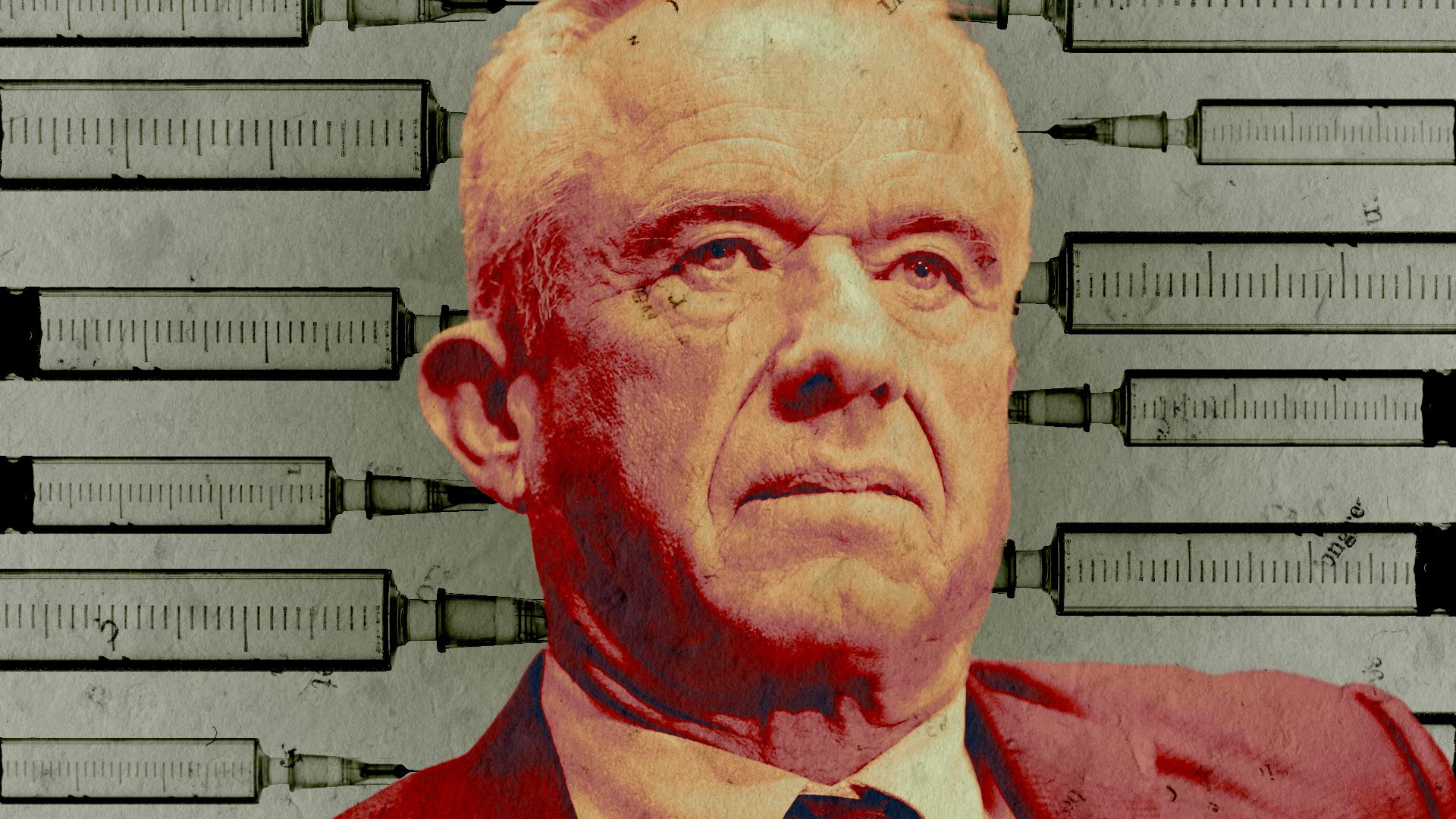
The proposed U.S. vaccine policy revision represents a critical inflection point in public health regulatory strategy, exposing the profound complexities of translating international healthcare models. At the center of this debate, Robert F. Kennedy Jr. is pushing to dramatically reshape the childhood vaccination schedule by potentially reducing recommended vaccines from 18 to 10, mirroring Denmark's more minimalist approach.
Regulatory compliance emerges as the critical lens through which this policy consideration must be examined. The proposed changes are not merely about vaccine count, but about understanding the nuanced ecosystem of healthcare delivery. Denmark's 10-disease vaccination schedule cannot be simplistically transplanted into the U.S. context due to fundamental structural differences. The U.S. healthcare landscape—with its 343 million population, diverse health risks, and fragmented care system—fundamentally differs from Denmark's unified 6 million-person healthcare environment.
Key strategic implications reveal themselves through expert perspectives. Public health experts uniformly caution against this policy shift, highlighting critical risks. The proposed reduction could eliminate vital vaccinations for diseases like respiratory syncytial virus, meningitis, chickenpox, and hepatitis A. These are not trivial omissions but potentially life-altering decisions with long-term public health consequences.
The underlying tension reflects broader challenges in cross-border regulatory adaptation. While cost-saving and streamlining are attractive goals, they cannot supersede comprehensive health protection. The U.S. context—with higher disease prevalence and less universal healthcare access—demands a more robust vaccination approach. For instance, the U.S. chronic hepatitis B prevalence of 0.6% compared to Sweden's 0.3% underscores the critical need for tailored, context-specific health strategies.
Ultimately, this debate transcends a simple vaccine schedule discussion. It represents a complex negotiation between cost efficiency, population health risk, and regulatory frameworks that cannot be resolved through simplistic international comparisons.
Questions 3
Why can't the U.S. simply adopt Denmark's vaccine schedule?
The U.S. and Denmark have fundamentally different healthcare contexts. With a population 57 times larger, more diverse health risks, and a fragmented healthcare system, the U.S. requires a more comprehensive vaccination approach tailored to its specific population needs.
What are the potential risks of reducing the U.S. vaccine schedule?
Reducing the vaccine schedule could expose children to increased risks of preventable diseases like respiratory syncytial virus, meningitis, and hepatitis. The higher disease prevalence in the U.S. makes comprehensive vaccination more critical for public health protection.