




Vaccine Policy Crossroads: How Regional Differences Expose Regulatory Complexity
- Emerging tensions reveal critical challenges in harmonizing public health strategies across diverse healthcare landscapes












Overview
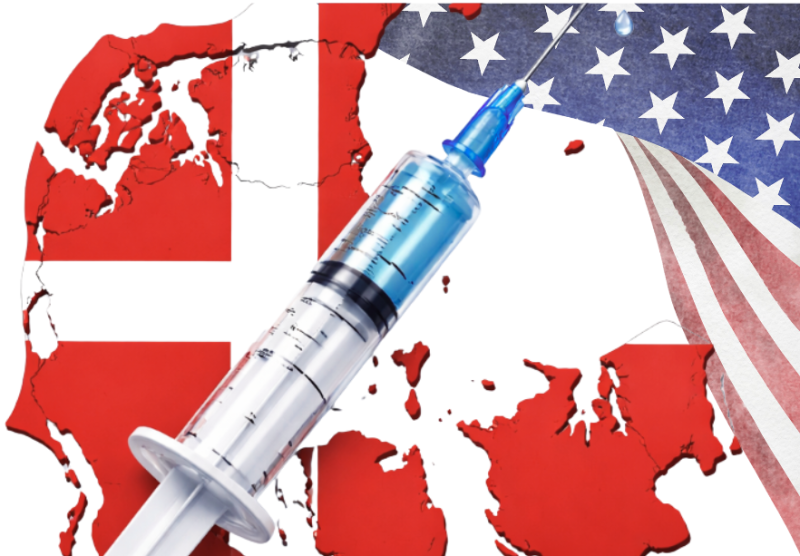
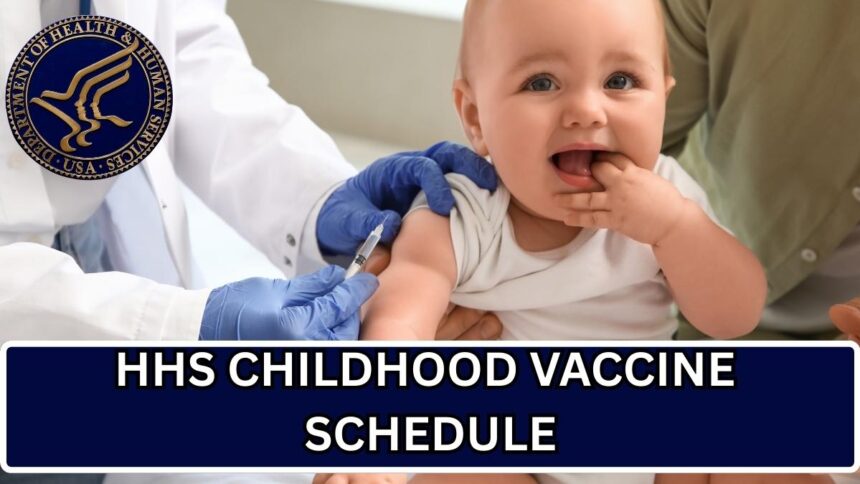
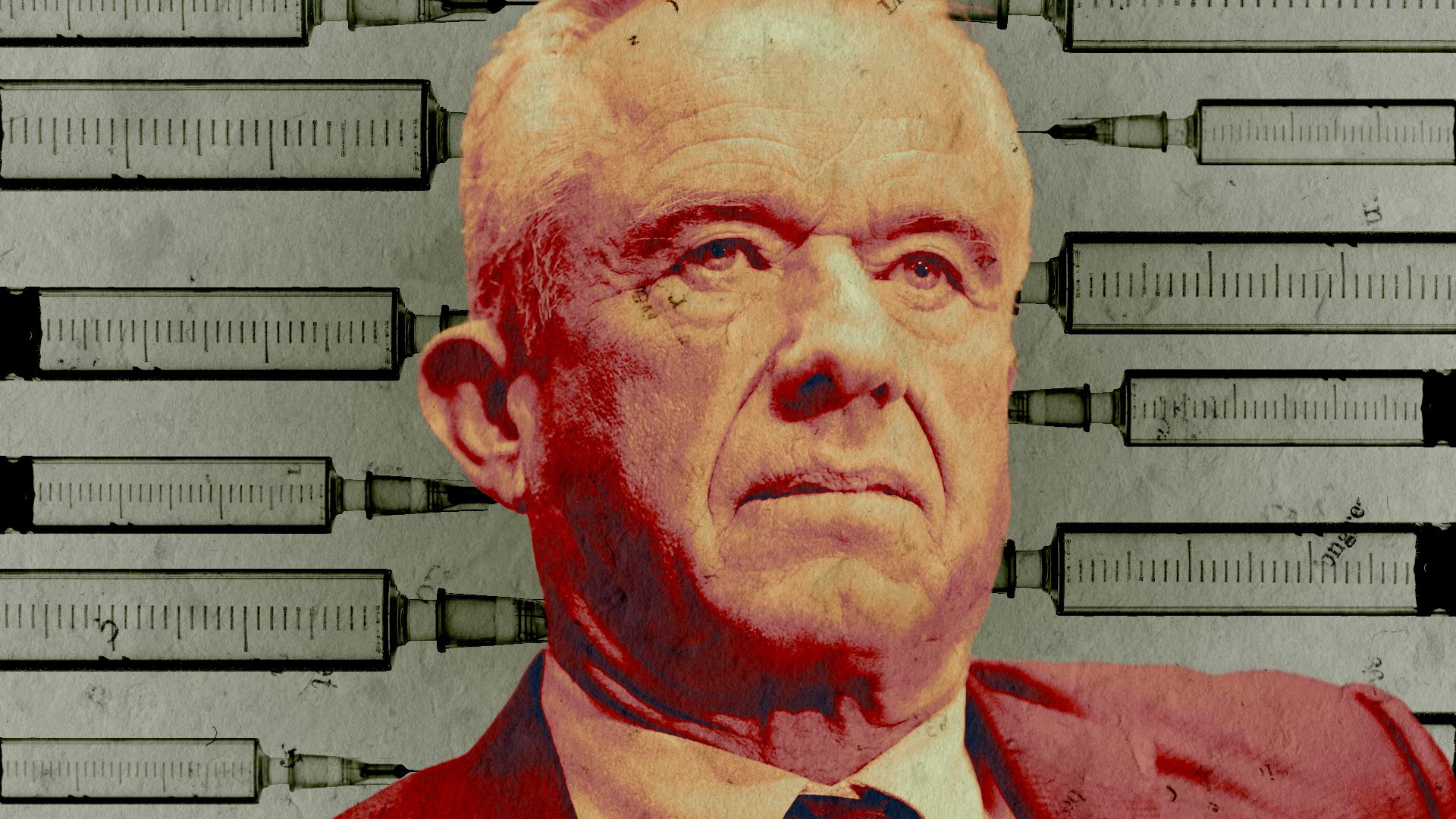
The potential transformation of U.S. vaccination policy represents a critical inflection point in public health regulatory strategy, exposing the intricate challenges of translating healthcare approaches across fundamentally different national contexts. At the center of this debate, Robert F. Kennedy Jr. is proposing a radical reimagining of childhood immunization requirements, suggesting the U.S. could adopt Denmark's more minimalist 10-disease vaccination schedule compared to its current 16-18 disease recommendations.
The proposed policy shift reveals profound regulatory compliance complexities that extend far beyond simple vaccine counts. Denmark's approach, tailored to a compact population of 6 million with universal healthcare, cannot be mechanically transplanted to the United States' 343 million diverse inhabitants. Public health experts uniformly caution against such a simplistic translation, highlighting critical contextual differences that make direct policy importation potentially dangerous.
Key differentiating factors include disease prevalence, healthcare system structure, and population health dynamics. The U.S. demonstrates markedly higher chronic disease rates and population diversity, requiring a more comprehensive vaccination strategy. For instance, the U.S. exhibits a 0.6% chronic hepatitis B prevalence compared to Sweden's 0.3%, underscoring the nuanced risk landscape that demands sophisticated, localized public health approaches.
The proposed reduction could eliminate critical vaccinations for diseases like respiratory syncytial virus (R.S.V.), meningitis, chickenpox, hepatitis A, and influenza. Medical experts warn that such a policy could substantially undermine decades of public health protection, potentially exposing children to long-term health risks, including increased susceptibility to conditions like shingles and potential cognitive complications.
This policy debate transcends a simple medical discussion, representing a broader tension in regulatory adaptation and the challenges of developing universally applicable public health frameworks. It demonstrates the critical need for nuanced, context-specific approaches that recognize the unique characteristics of different national healthcare ecosystems.
Questions 3
Why can't the U.S. simply copy Denmark's vaccination approach?
The U.S. and Denmark have fundamentally different healthcare contexts. Denmark's 6 million population with universal healthcare cannot be directly compared to the U.S.'s 343 million diverse inhabitants, who face higher disease prevalence and more complex health risks requiring a more comprehensive vaccination strategy.
What are the potential risks of reducing the U.S. vaccination schedule?
Reducing the vaccination schedule could expose children to increased risks of diseases like RSV, meningitis, hepatitis, and chickenpox. Medical experts warn this could undermine decades of public health protection and potentially lead to long-term health complications, including increased risks of shingles and cognitive issues.