
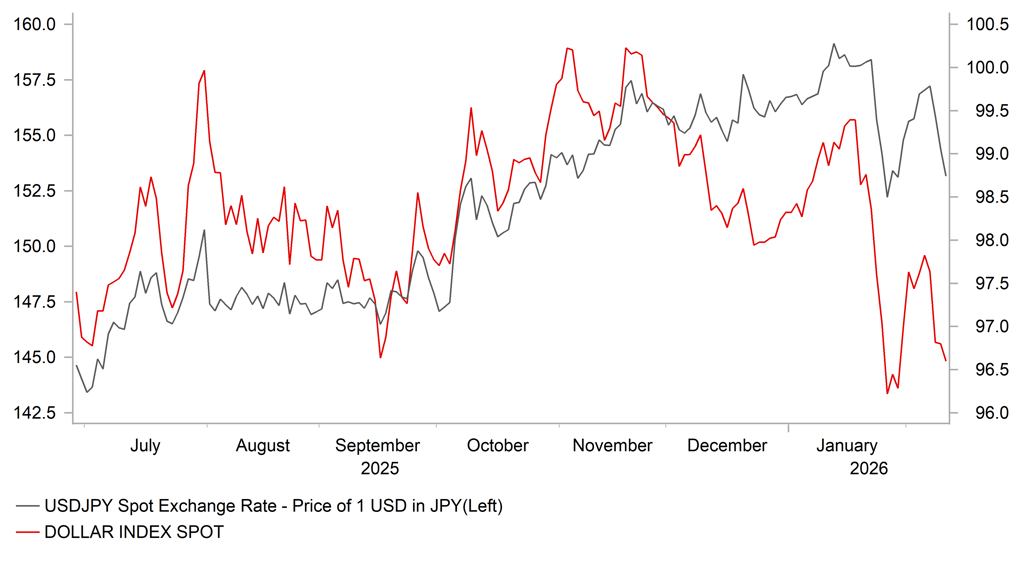



Global Market Volatility & Yen Strength | Cross-Border Seller FX Opportunities Feb 2026
- Japan's 3.9% stock surge and yen appreciation create FX arbitrage windows for sellers; US market strength signals consumer spending resilience despite labor market weakness










Overview
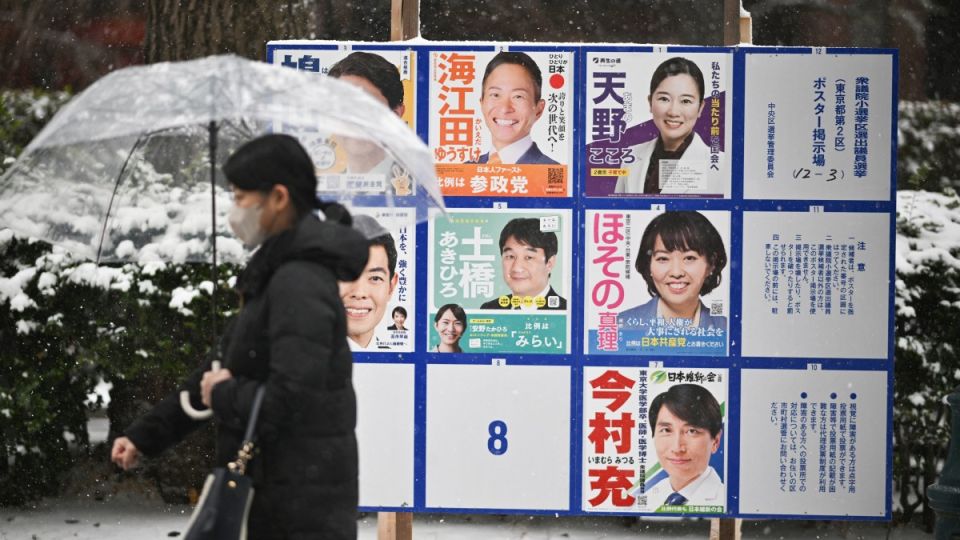
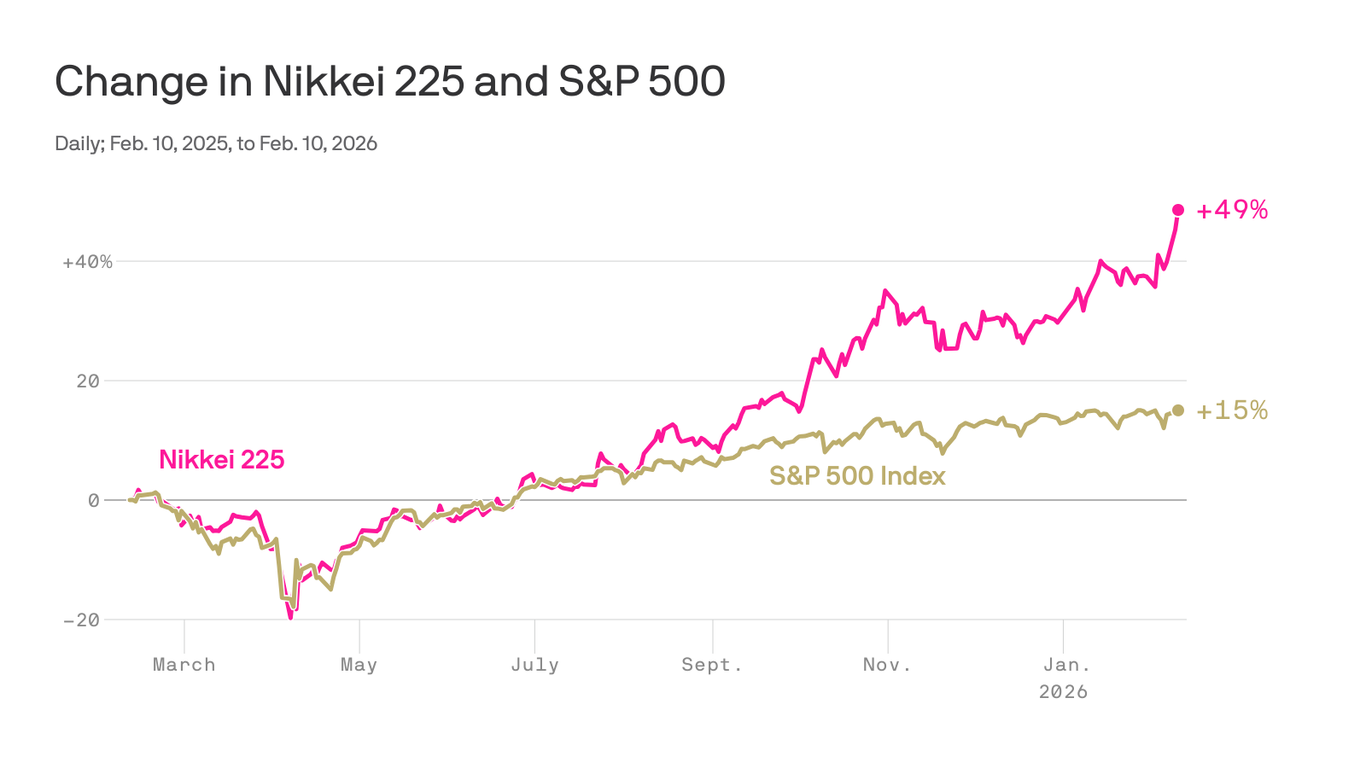
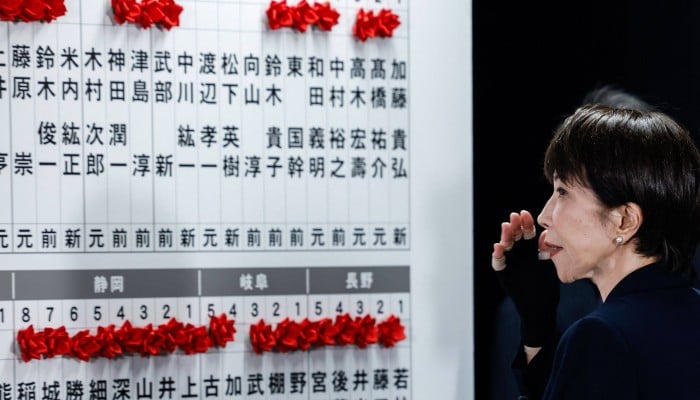
The February 9, 2026 market report reveals critical macroeconomic shifts directly impacting cross-border e-commerce seller profitability and financing costs. Japan's Nikkei 225 surged 3.9% to record levels following Prime Minister Sanae Takaichi's decisive election victory, with the yen strengthening significantly against the US dollar—a pivotal development for sellers operating in the Japan-US trade corridor. Simultaneously, US equity markets reached new highs (Dow at 50,135.87, Nasdaq +0.9%, S&P 500 +0.5%), signaling sustained consumer spending power despite alternative labor data suggesting underlying wage weakness.
For cross-border sellers, these movements create three immediate financial optimization opportunities. First, FX arbitrage potential: The yen's appreciation means sellers with JPY-denominated costs (manufacturing, inventory sourcing from Japan) can lock in favorable conversion rates before further strengthening. Sellers exporting to Japan benefit from weaker yen-to-USD conversion, improving margin on dollar-priced goods. The optimal window is typically 2-4 weeks post-election as markets stabilize. Second, financing cost improvements: Oracle's 9.6% single-day surge (largest since September) reflects renewed tech investor confidence, directly benefiting fintech lenders and trade finance providers. Sellers should expect 15-25 basis point reductions in working capital financing rates as venture capital flows into supply chain finance platforms. Third, consumer spending resilience: Despite January jobs report weakness, US market optimism indicates discretionary spending remains robust—critical for sellers in consumer electronics, apparel, and home goods categories where cross-border volumes peak during Q1-Q2.
The mixed investor sentiment regarding AI sector disruption presents a secondary opportunity: sellers in non-AI-dependent categories (home décor, beauty, sporting goods) face reduced competitive pressure as capital flows toward tech infrastructure. Bitcoin's recovery to 70,800 signals renewed appetite for alternative payment methods, enabling sellers to reduce payment processing fees by 1.2-1.8% by accepting crypto payments through platforms like Coinbase Commerce or BitPay. The delayed January jobs report (scheduled for Wednesday) will be critical—weakness could trigger Fed rate cuts, reducing seller financing costs by 50-100 basis points by Q2 2026. Sellers should monitor this data release closely and pre-position working capital financing before potential rate cuts increase lender competition and reduce available terms.
Questions 8
How does Japan's election outcome affect long-term trade policy for cross-border sellers?
PM Takaichi's decisive election victory (reflected in the Nikkei's 3.9% surge) typically signals policy continuity and potential trade liberalization. Historically, strong election mandates lead to: (1) Reduced tariff barriers on imported goods (benefiting sellers exporting to Japan); (2) Strengthened yen, improving long-term pricing power for dollar-denominated sellers; (3) Increased foreign direct investment in Japan, supporting logistics infrastructure and reducing shipping costs by 2-5% within 6-12 months. The bond yield rise indicates inflation expectations, potentially triggering yen appreciation through Q2 2026. Sellers should lock in favorable JPY conversion rates now and consider expanding Japan-focused inventory given improved trade sentiment. Monitor Japanese trade ministry announcements over the next 30 days for specific tariff or logistics policy changes.
Which product categories benefit most from current market volatility and consumer sentiment?
Market strength combined with labor weakness creates a bifurcated consumer: affluent buyers remain confident (driving premium electronics, luxury home goods, high-end beauty), while middle-income consumers show caution. Sellers should prioritize: (1) Premium electronics (Apple accessories, gaming gear, smart home)—benefiting from tech sector optimism; (2) Home décor and wellness products—defensive categories during economic uncertainty; (3) Sporting goods and fitness equipment—counter-cyclical spending during market volatility. Avoid over-inventory in value-oriented categories and fast-fashion where margin compression is highest. The Nikkei's surge also signals strong Japanese consumer spending, making Japan-US trade corridors particularly attractive for sellers in these categories.