



Border Security Disruptions Signal Rising Logistics Risks for Cross-Border Sellers
- February 2026 El Paso airspace closure reveals coordination gaps affecting aviation-dependent fulfillment networks serving 50K+ cross-border sellers





:sharpen(0.5,0.5,true)/tpg%2Fsources%2F36851a2f-17bc-487f-8347-df2c17044469.jpeg)





























Overview
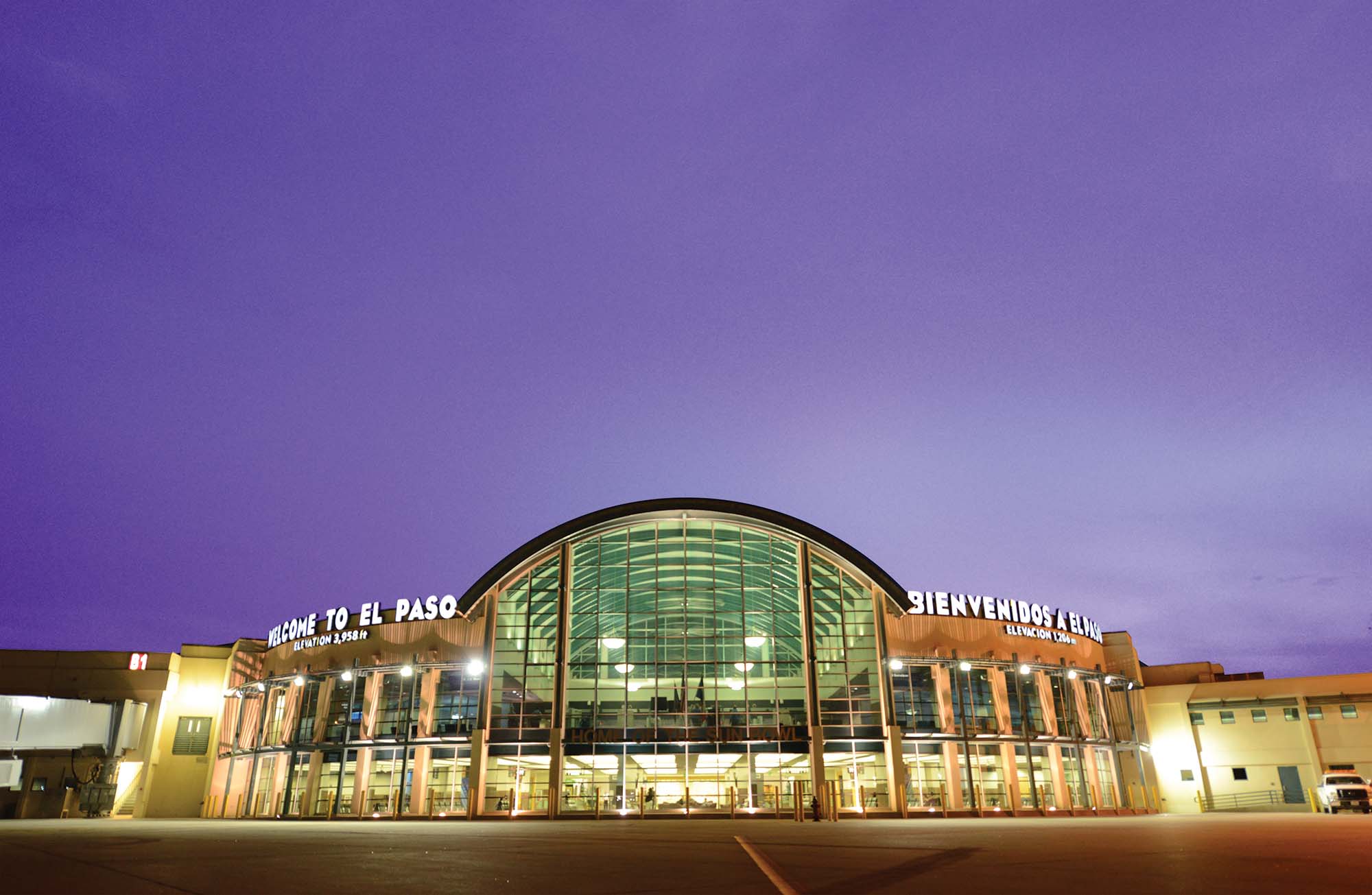
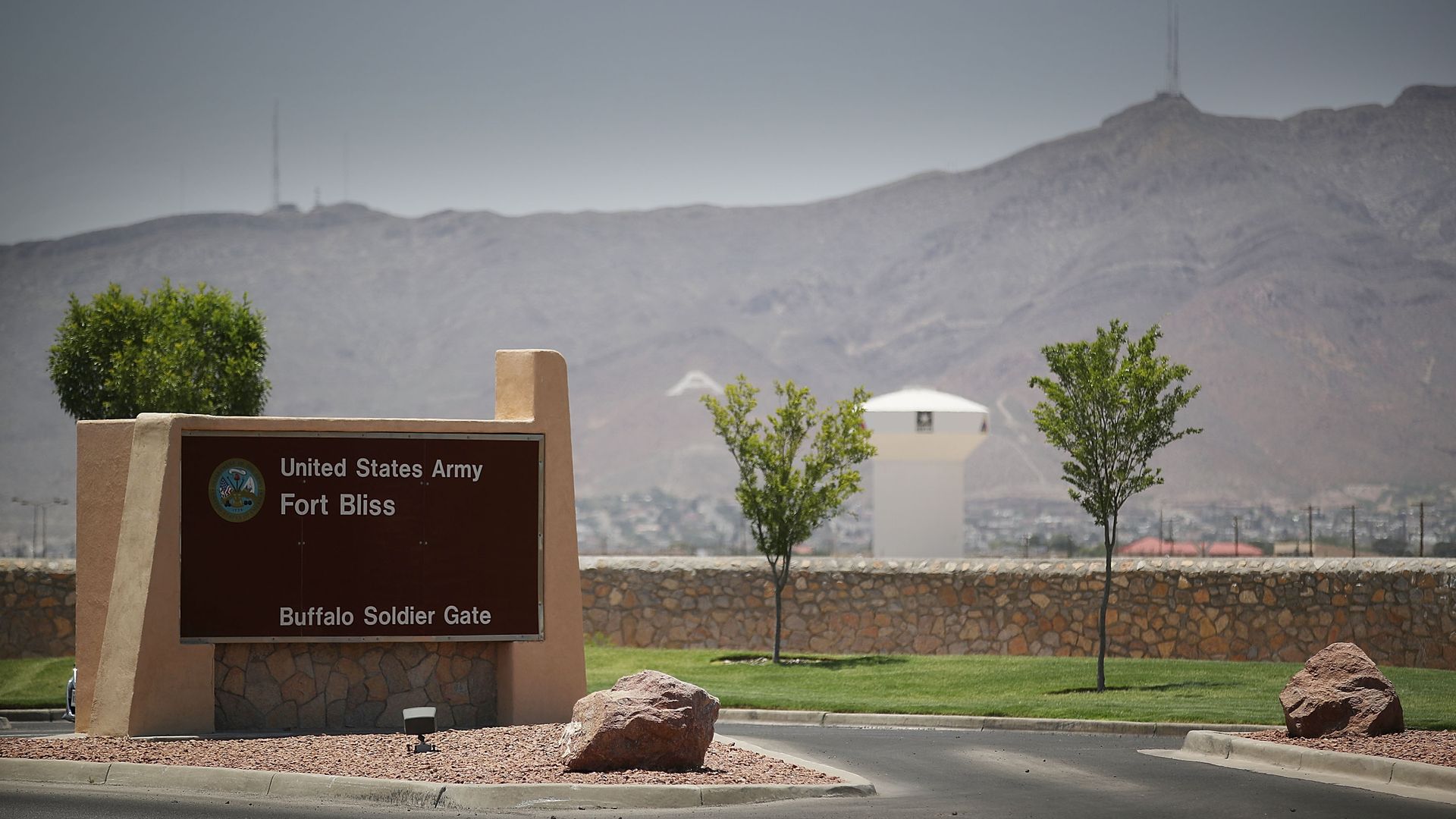
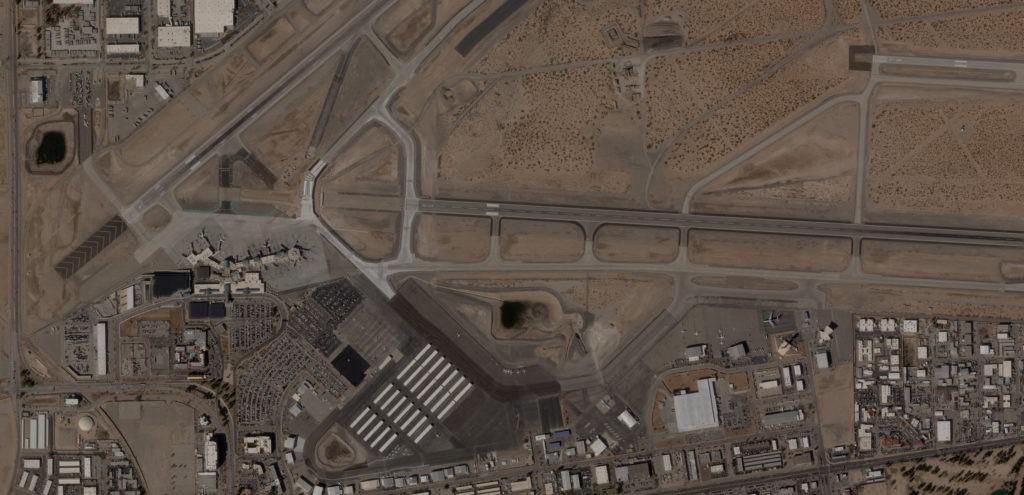
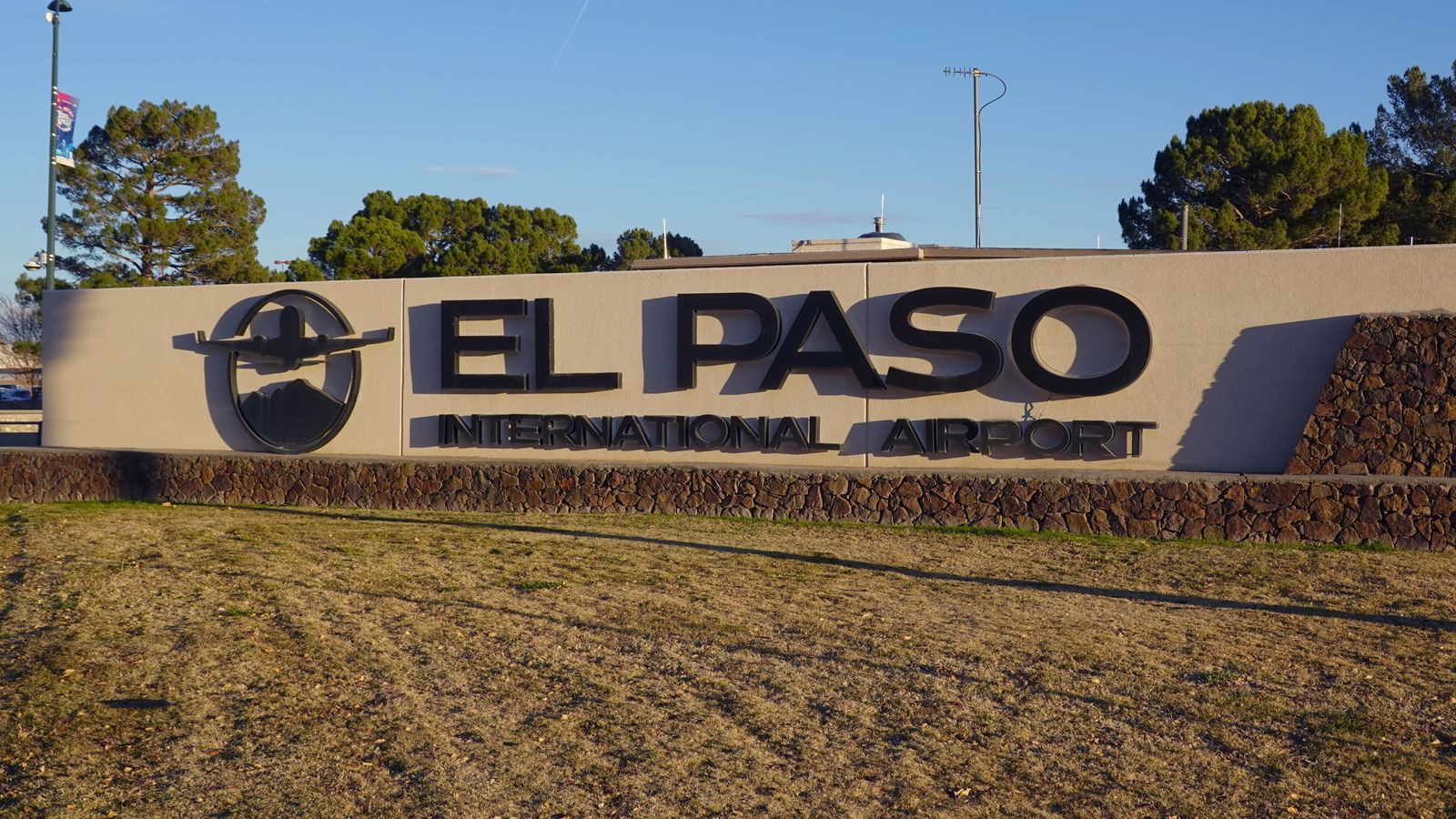
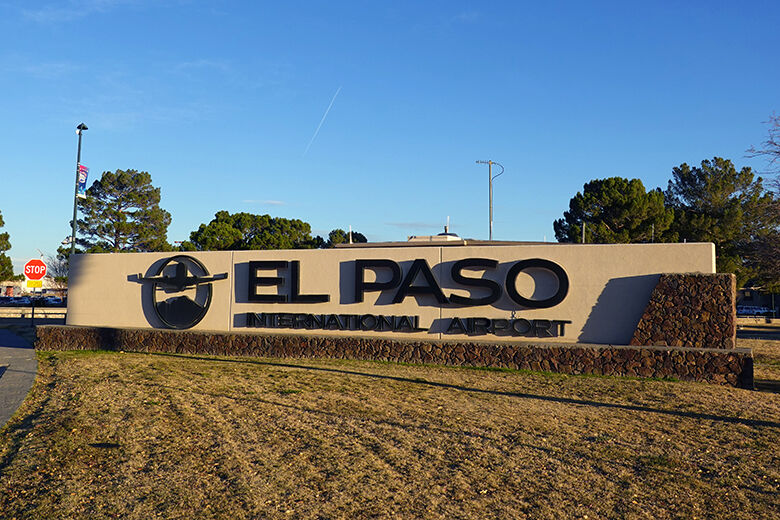
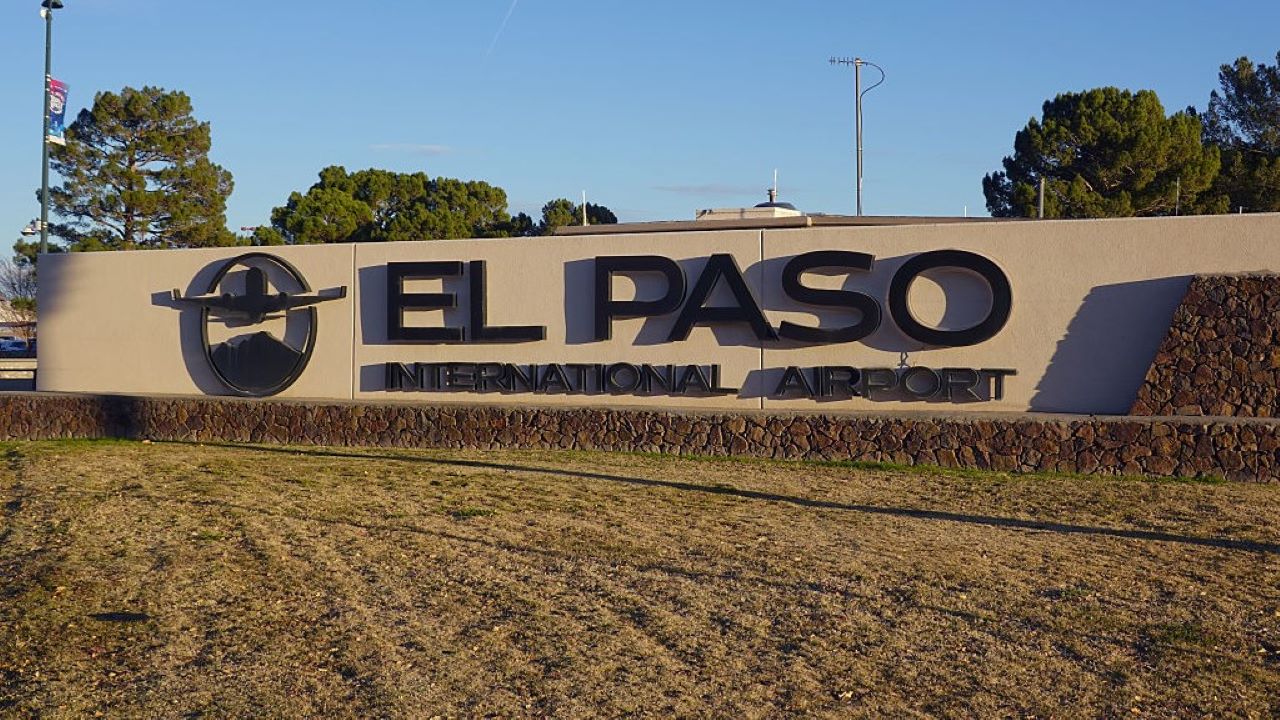
The February 11, 2026 El Paso International Airport airspace closure represents a critical inflection point for cross-border e-commerce logistics planning, even though the incident itself lasted only 8 hours. While the temporary flight restriction (TFR) resulted from Mexican cartel drone incursions and uncoordinated Pentagon counter-drone laser testing, the underlying coordination failures between federal agencies signal systemic vulnerabilities in aviation-dependent supply chains that directly affect sellers shipping through Southwest U.S. hubs.
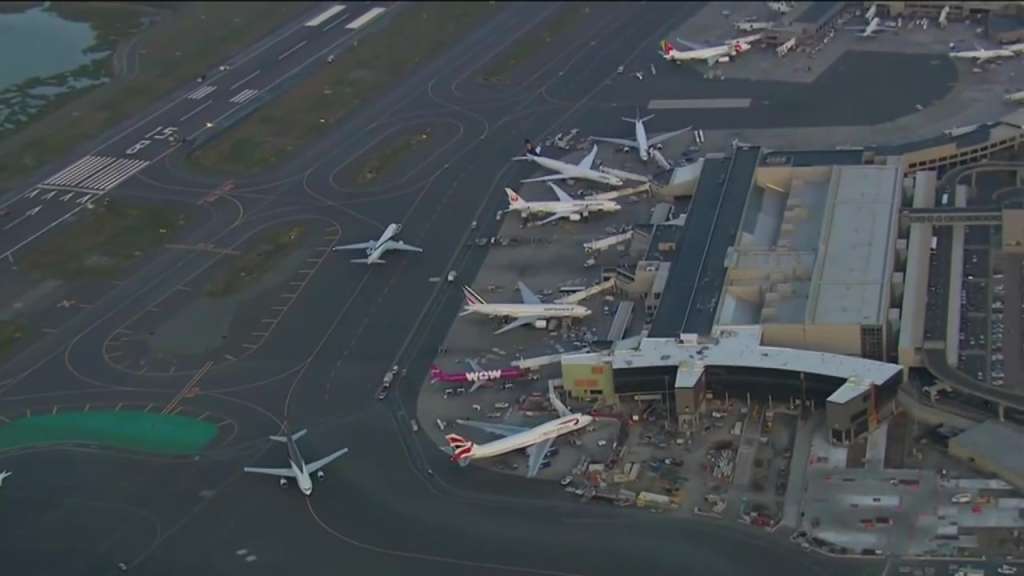
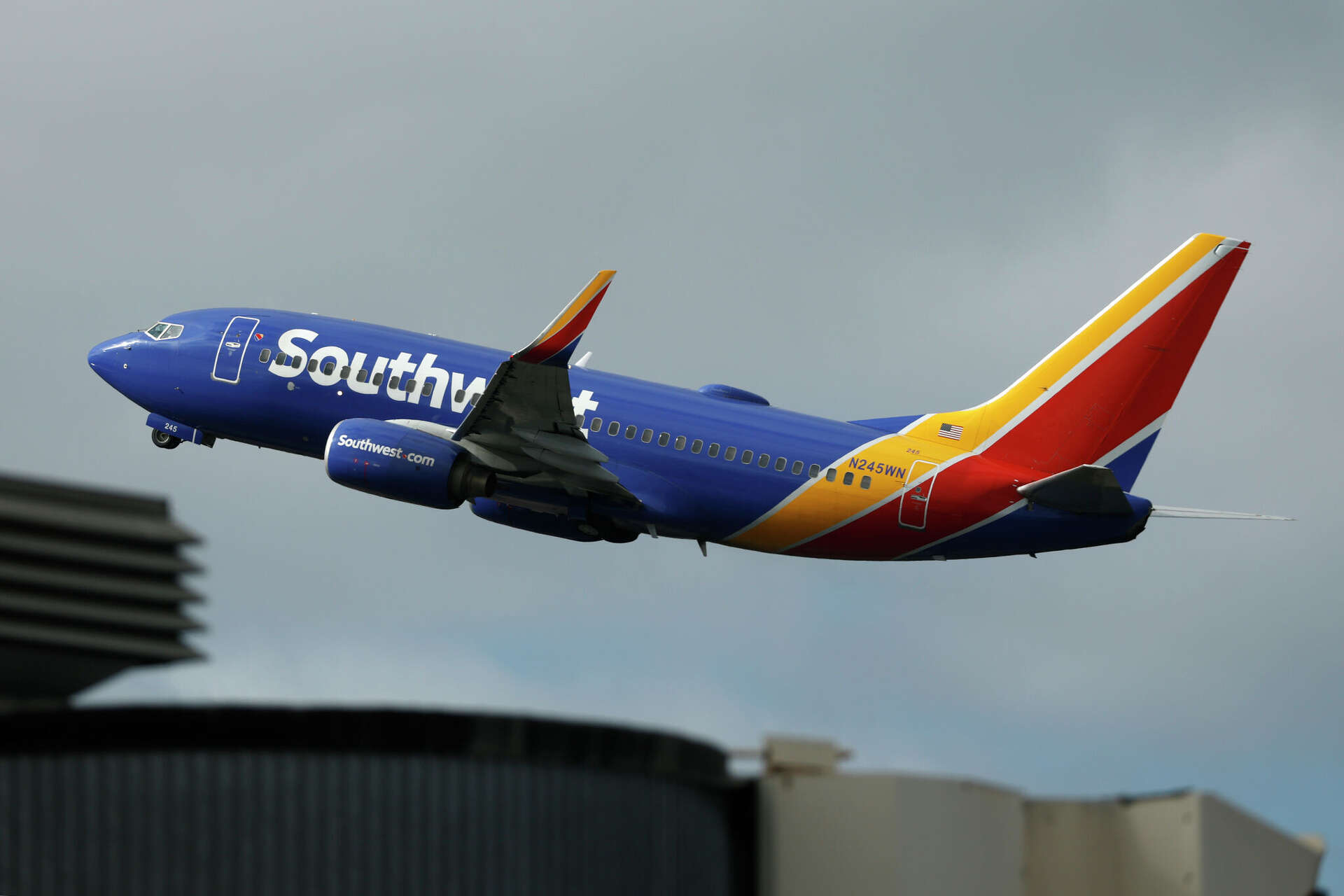
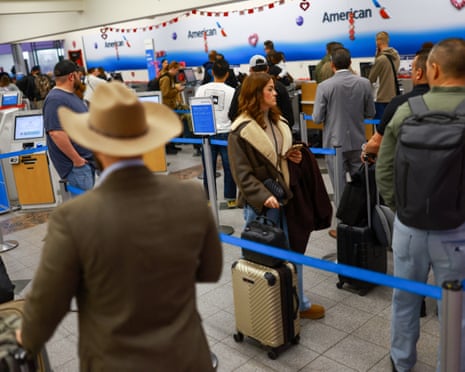
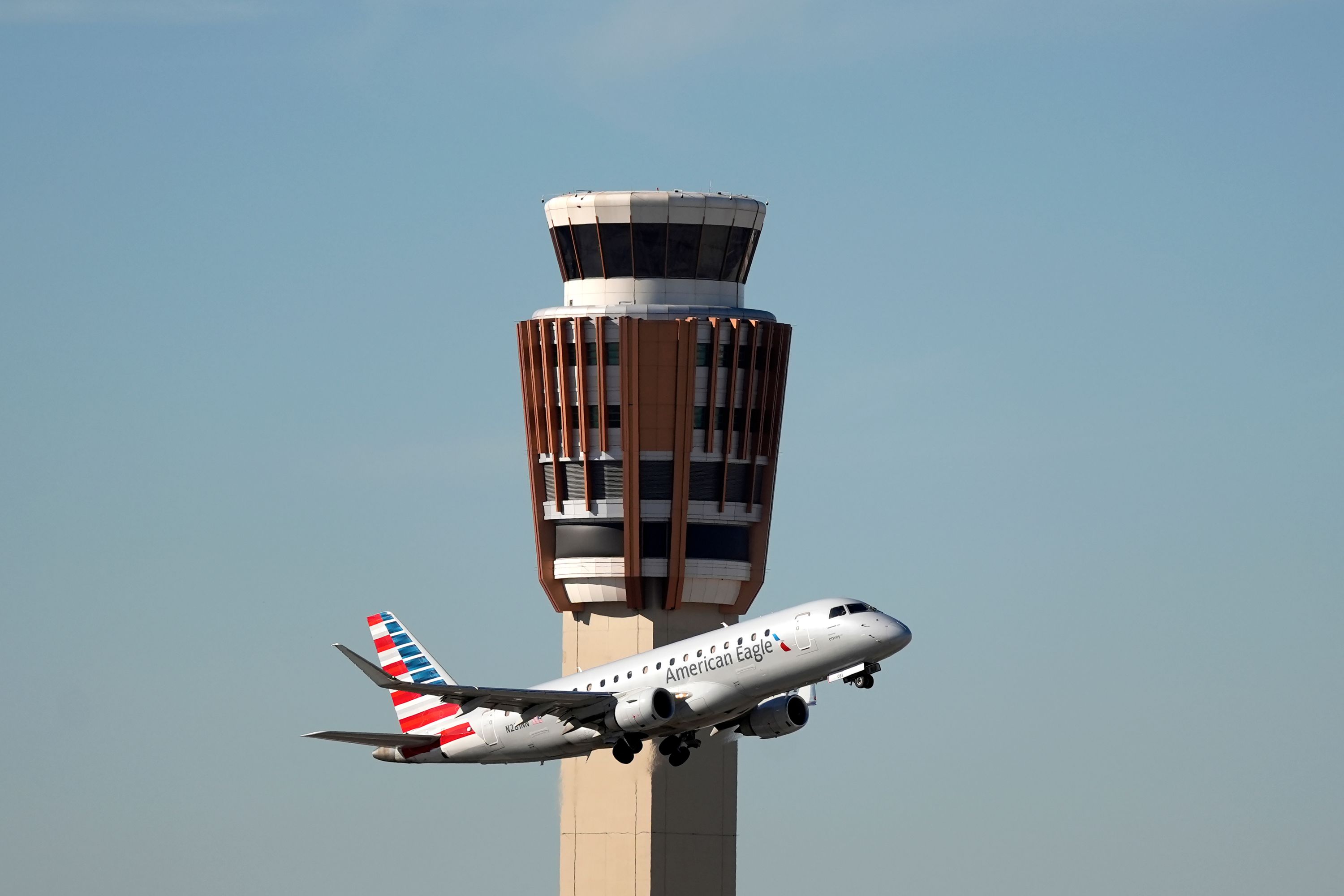
Immediate Logistics Impact: El Paso International Airport serves as a regional transportation hub connecting West Texas and eastern New Mexico to major U.S. distribution centers in Atlanta, Chicago, Denver, Los Angeles, and Seattle. The closure disrupted commercial airline operations and affected multiple flights to El Paso International Airport and Santa Teresa facilities, demonstrating how security incidents can cascade through fulfillment networks. For sellers using air freight for time-sensitive inventory (electronics, perishables, seasonal merchandise), an 8-hour closure translates to 2-3 day delays in regional distribution, compressing margins by 5-8% when expedited shipping costs are factored in.
Systemic Risk Indicators: The news reveals three critical vulnerabilities: (1) Inter-agency coordination gaps between military (Department of War) and civilian (FAA) authorities created the sudden closure without advance notice to logistics operators; (2) Lack of transparency in TFR implementation—El Paso Mayor Renard Johnson criticized the decision as "unnecessary," indicating local stakeholders received no advance warning; (3) Precedent-breaking authority—banning all flights over a major U.S. city has no modern precedent, suggesting the FAA's emergency powers may expand beyond historical norms. These factors create unpredictability for sellers relying on just-in-time inventory models.
Border Security Escalation: The incident underscores "growing security concerns along the U.S.-Mexico border regarding cartel drone activity." Future implications include revised procedures for military testing near civilian airspace and enhanced border security measures against unmanned aircraft threats. For sellers sourcing from Mexico or operating cross-border fulfillment networks, this signals potential for more frequent disruptions as counter-drone technology deployment becomes routine. Sellers should anticipate 2-4 additional TFR events annually in Southwest border regions as military testing increases.
Strategic Seller Implications: The closure demonstrates that aviation-dependent logistics face new risk categories beyond weather and mechanical failures. Sellers with inventory concentrated in Southwest distribution centers (particularly those serving California, Arizona, New Mexico, and Texas markets) face elevated supply chain volatility. The incident also highlights the value of diversified fulfillment strategies—sellers using multiple 3PL providers across different regions would have mitigated the impact through rerouting to alternative hubs in Denver or Los Angeles.
Questions 8
Which 3PL providers and fulfillment networks offer the best resilience against Southwest border disruptions?
The incident reveals that single-hub dependency creates unacceptable risk. Sellers should prioritize 3PL providers with multi-region networks: (1) Amazon FBA offers geographic diversification across 175+ fulfillment centers, reducing Southwest hub concentration; (2) Flexport and XPO Logistics operate multiple border crossing points and can reroute shipments dynamically; (3) Regional providers in Denver, Los Angeles, and Atlanta offer alternatives to El Paso bottlenecks. For cross-border sellers, consider establishing inventory at both U.S. and Mexican distribution centers to bypass border airspace restrictions entirely. The news indicates that future military testing will be routine, making geographic diversification non-negotiable for sellers targeting Southwest markets. Evaluate 3PL contracts for flexibility clauses allowing rerouting during TFR events without penalty.
How should sellers adjust pricing and fulfillment promises given new border disruption risks?
The El Paso closure demonstrates that sellers cannot guarantee delivery windows with historical reliability. For Amazon FBA sellers, this may require adjusting expected delivery dates by 1-2 days for Southwest-shipped inventory. For Shopify and independent sellers, consider: (1) Extending promised delivery windows by 2-3 days for orders shipping from Southwest hubs; (2) Offering expedited shipping options with clear disclaimers about border security disruptions; (3) Implementing dynamic pricing that reflects higher fulfillment costs during peak seasons when disruption risk is highest. The incident also justifies premium pricing for guaranteed delivery windows—customers will pay 5-10% more for certainty. Sellers should communicate transparently about supply chain risks in product listings and shipping policies to manage customer expectations.