



Himalayan Geopolitical Chessboard: India's Strategic Infrastructure Revolution
- Transforming Border Dynamics Through Massive Infrastructure Investment and Diplomatic Recalibration




)





Overview
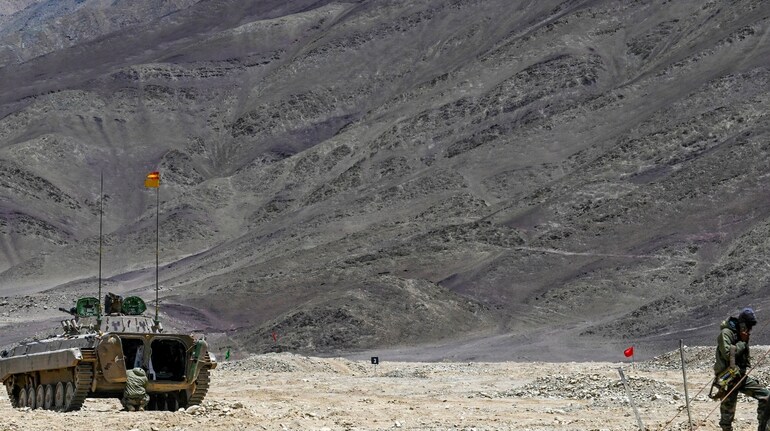
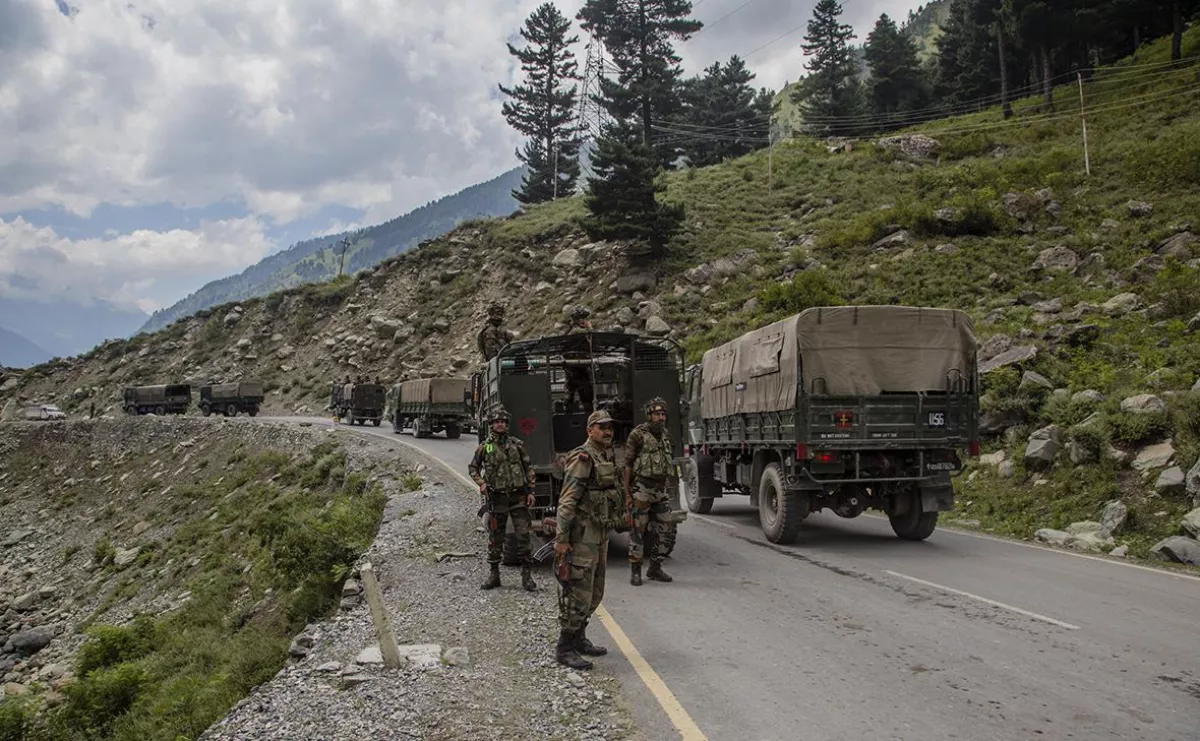
The Himalayan region is undergoing a profound strategic metamorphosis, with India's infrastructure development emerging as a critical geopolitical pivot point that transcends traditional military preparedness. Following the 2020 border confrontation, India is executing a meticulously planned border infrastructure transformation that represents far more than mere military positioning—it's a comprehensive economic and strategic recalibration.
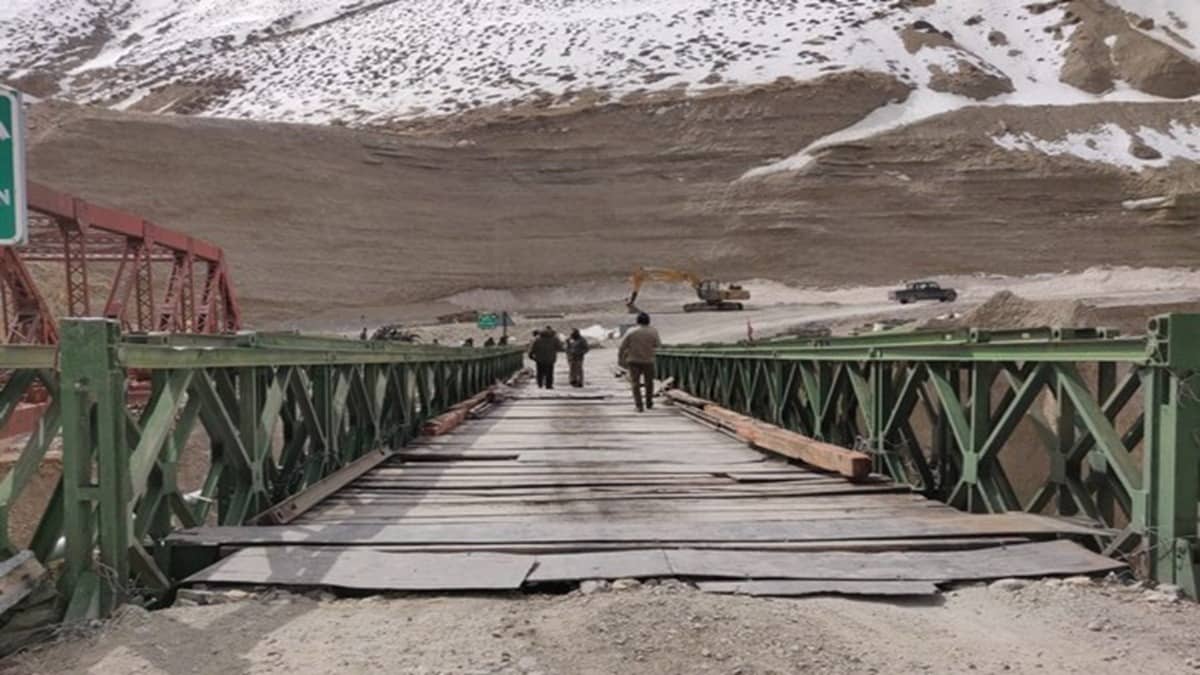
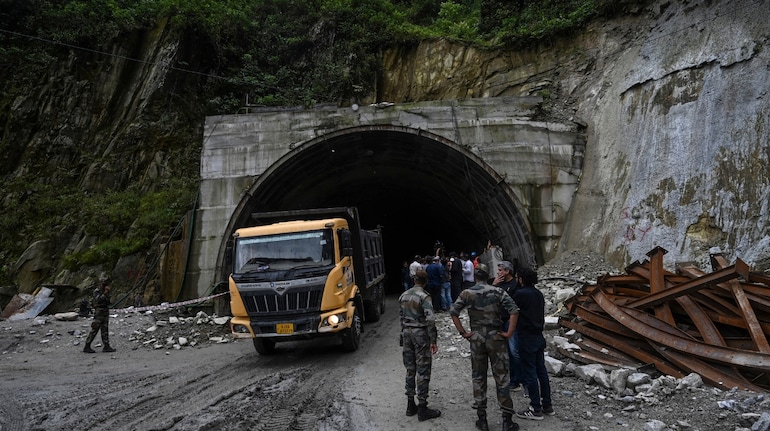
Strategic Infrastructure Investment is the core narrative here. India is systematically addressing historical vulnerabilities by constructing a comprehensive transportation network along the 2,200-mile Line of Actual Control. The Mudh-Nyoma airbase in Ladakh, situated at an impressive 13,700 feet and just 14 miles from the Chinese border, symbolizes this strategic evolution. With a $25 million investment and a 1.7-mile runway capable of handling both transport and combat aircraft, this facility represents more than military infrastructure—it's a statement of technological and logistical capability.
The infrastructure development signals a nuanced shift beyond traditional confrontation. Notably, diplomatic indicators suggest a parallel track of engagement: the October 2024 border patrol agreement, resumption of tourist visas, and restart of direct flights demonstrate a sophisticated approach of simultaneous preparation and dialogue. For cross-border businesses, this creates a complex but potentially lucrative environment of controlled tension and measured cooperation.
The long-term implications are profound. India is not just building roads and airbases; it's constructing a new geopolitical reality. By investing hundreds of millions in infrastructure while maintaining diplomatic channels, India is creating a strategic flexibility that allows rapid military responsiveness without sacrificing economic opportunities. Logistics firms, transportation companies, and cross-border e-commerce platforms should view this as an emerging ecosystem of calculated risk and strategic opportunity.
Ultimately, this infrastructure development represents a sophisticated national strategy: prepare comprehensively, position strategically, but remain diplomatically open. The Himalayan border is transforming from a potential conflict zone into a dynamic corridor of geopolitical and economic potential.
Questions 3
What strategic advantages does India's new border infrastructure provide?
India's infrastructure development addresses critical vulnerabilities exposed in the 2020 border confrontation, enhancing military mobility, logistics capabilities, and strategic positioning in challenging mountainous terrain. The new transportation networks and airbases like Mudh-Nyoma provide rapid deployment capabilities and improved regional connectivity.
How might cross-border businesses benefit from these infrastructure developments?
The new infrastructure creates opportunities in logistics, transportation, and support services. Improved transportation networks could reduce logistics costs, create new market access routes, and potentially stabilize cross-border business environments by providing more predictable operational conditions.