


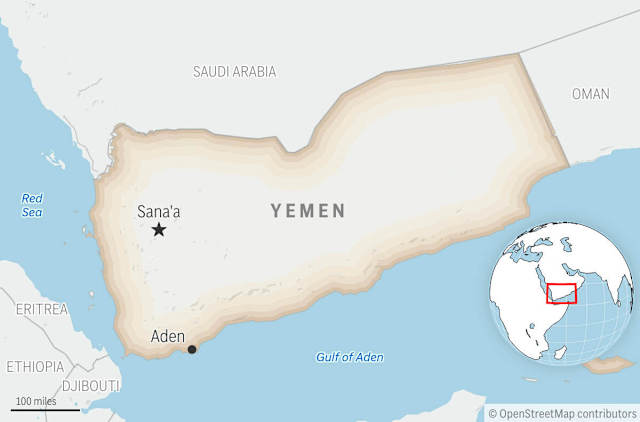

Gulf Power Struggle Fractures Yemen's Fragile Geopolitical Landscape
- Emerging regional tensions expose critical trade and strategic vulnerabilities in the Arabian Peninsula






















Overview
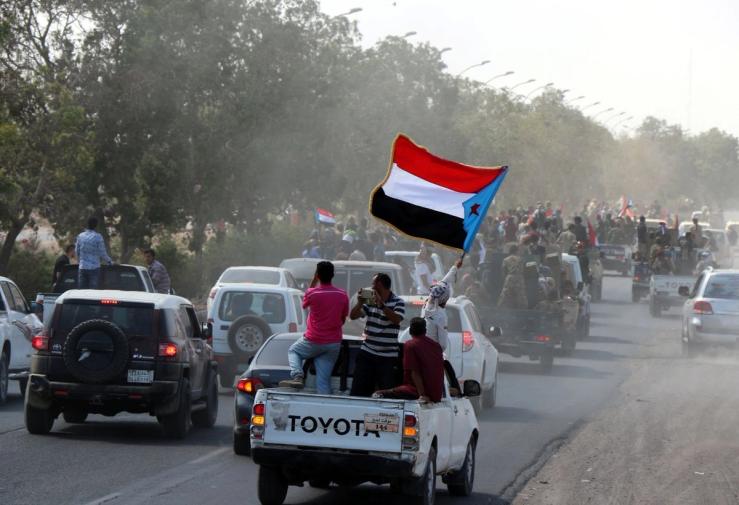
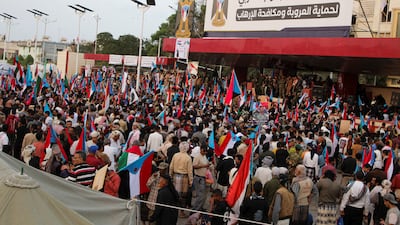
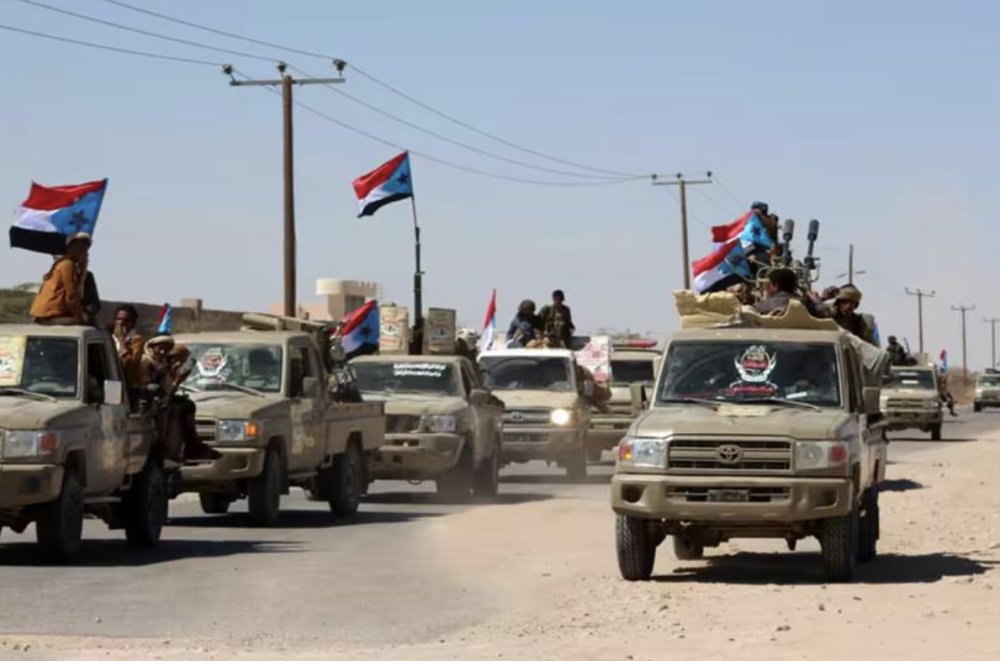
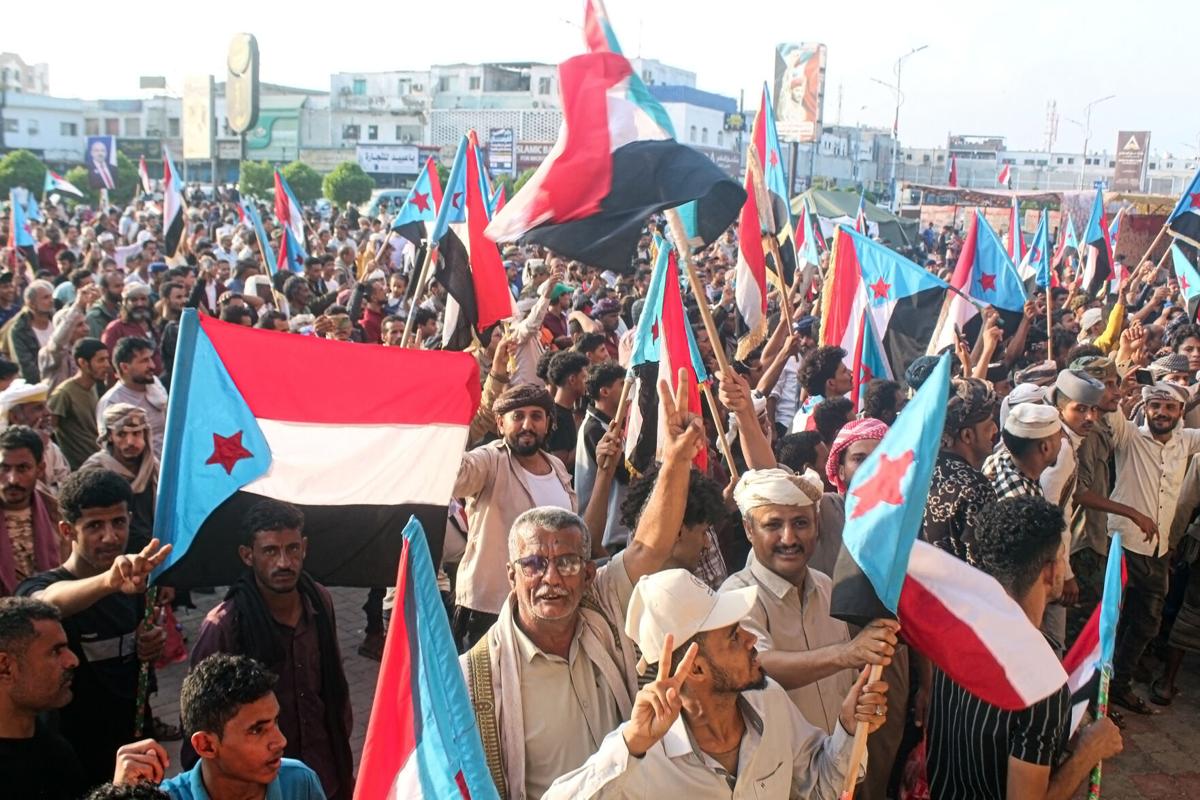
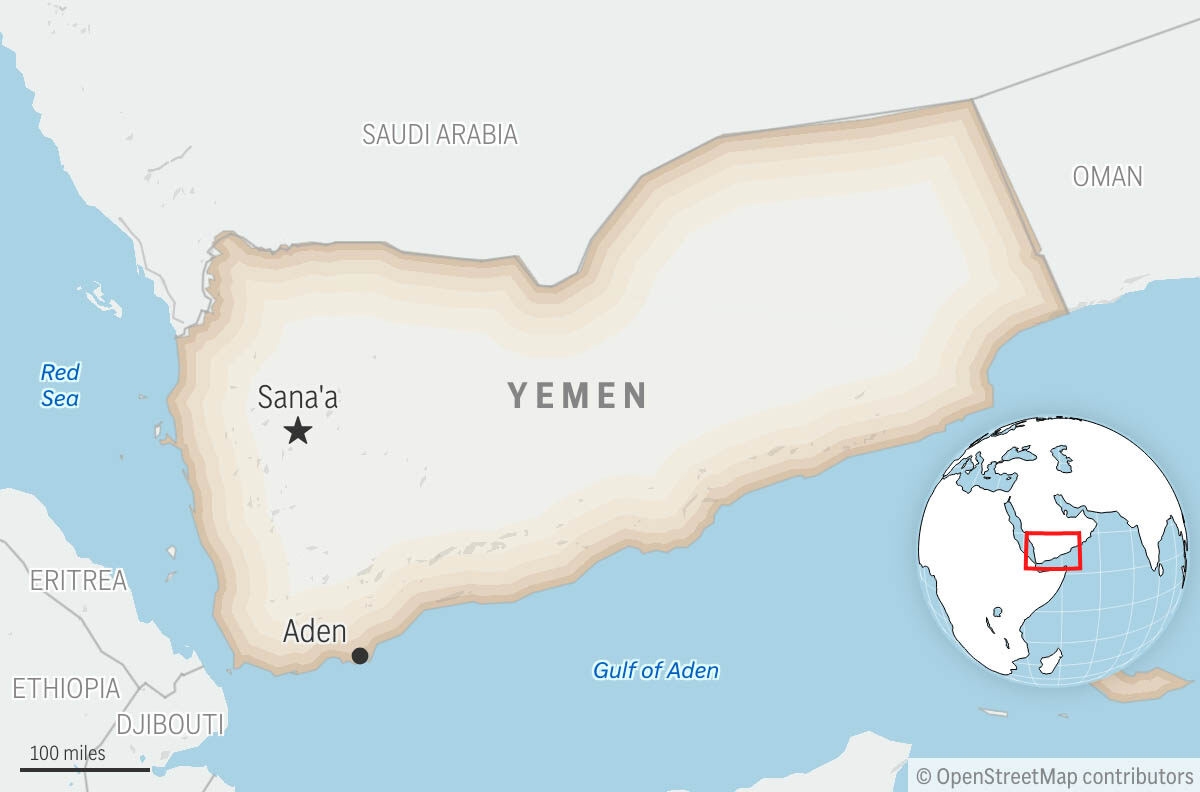
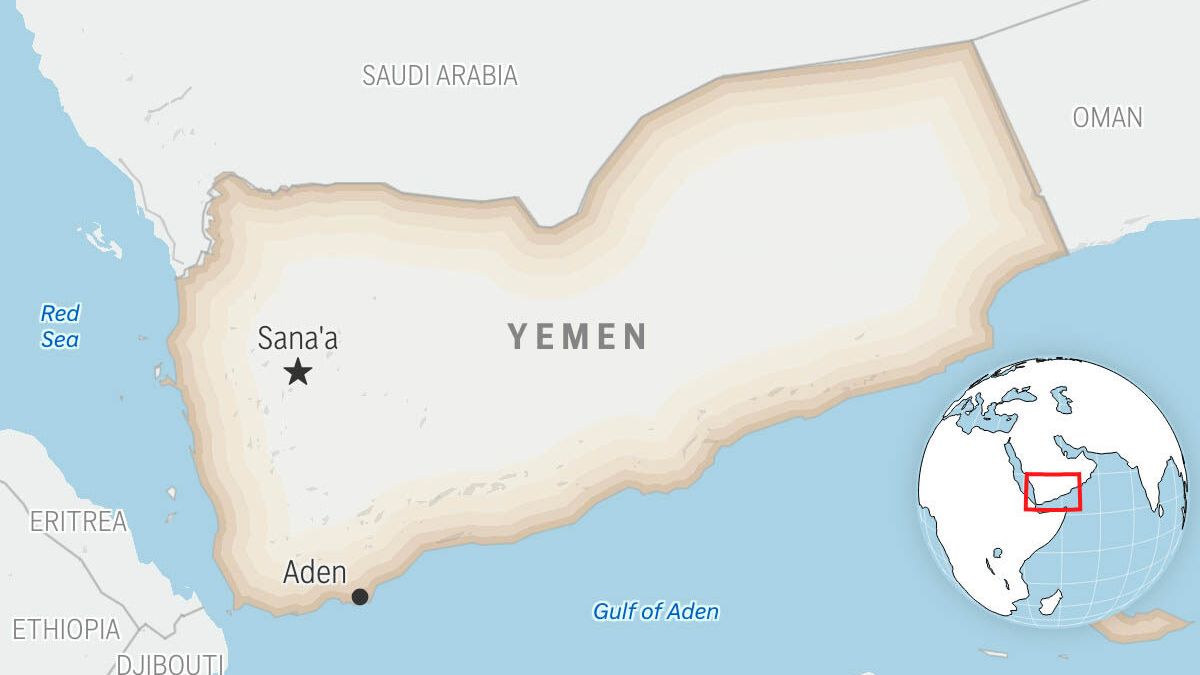
The Arabian Peninsula stands at a critical geopolitical inflection point, with Saudi Arabia and the United Arab Emirates engaged in a high-stakes proxy confrontation that is systematically dismantling Yemen's territorial integrity. The Southern Transitional Council (STC) has emerged as a pivotal actor, strategically seizing two oil-rich provinces—Hadramaut and al-Mahra—without significant military resistance, signaling a profound shift in regional power dynamics.
This development represents more than a localized conflict; it's a sophisticated geopolitical chess match with far-reaching implications. The STC's territorial expansion, backed subtly by the UAE, directly challenges Saudi Arabia's unification efforts. By capturing these strategically positioned provinces, the separatist group is effectively creating a potential new state framework that could fundamentally reshape the Arabian Peninsula's political geography.
The escalating tensions are particularly noteworthy for their economic and trade implications. With Saudi airstrikes targeting STC positions and a joint Saudi-Emirati diplomatic delegation attempting to negotiate force repositioning, the conflict introduces significant uncertainty for regional trade corridors. Cross-border sellers and international businesses must now factor in unprecedented levels of geopolitical risk when considering Middle Eastern market strategies.
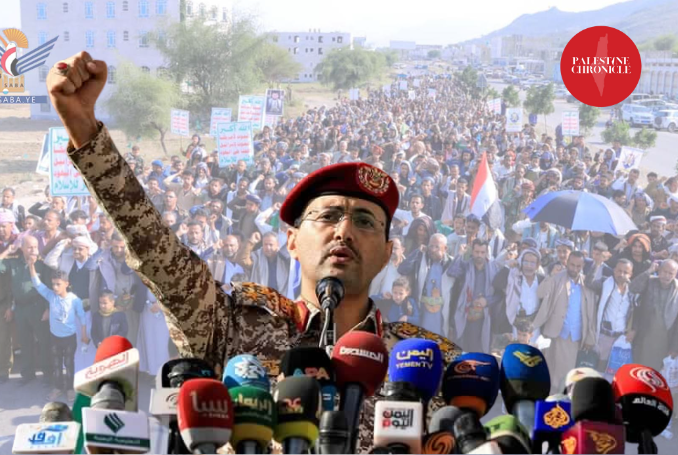
The broader context reveals a complex proxy conflict involving multiple actors: Iran-backed Houthi rebels, international coalition forces, and now increasingly autonomous regional movements. This fragmentation suggests that traditional state boundaries are becoming increasingly fluid, creating both risks and potential opportunities for strategic market entrants who can navigate these complex political landscapes.
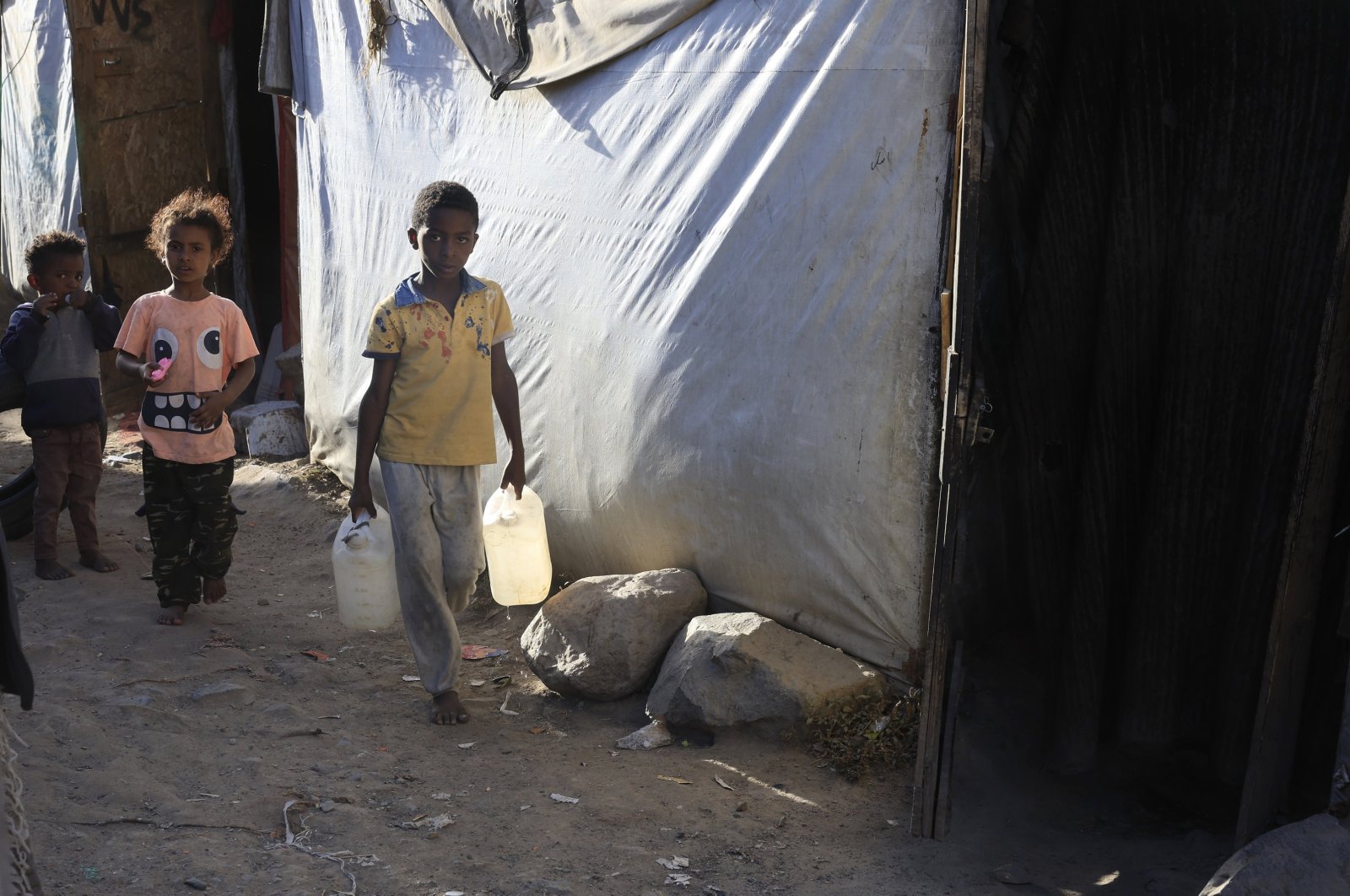
Critically, the ongoing Yemen conflict has already produced over 150,000 casualties and transformed the region into one of the world's most severe humanitarian crisis zones. The current STC maneuvers and Saudi-UAE tensions indicate that further destabilization is not just possible, but probable, with significant implications for regional economic and trade ecosystems.
Questions 3
What are the immediate risks for cross-border sellers in the Middle Eastern market?
The ongoing conflict presents significant risks including disrupted shipping routes in the Red Sea, increased maritime insurance costs, potential supply chain complications, and unpredictable market access. Sellers should develop robust contingency strategies and closely monitor diplomatic developments.
How might the Southern Transitional Council's territorial gains impact regional stability?
The STC's capture of Hadramaut and al-Mahra provinces represents a potential blueprint for regional fragmentation. By creating a de facto autonomous zone with minimal resistance, the group is challenging traditional state boundaries and introducing unprecedented uncertainty into the geopolitical landscape.