



Nuclear Submarine Arms Race Reshapes Northeast Asian Geopolitical Landscape
- Escalating Military Tensions Signal Profound Regional Strategic Realignment











Overview
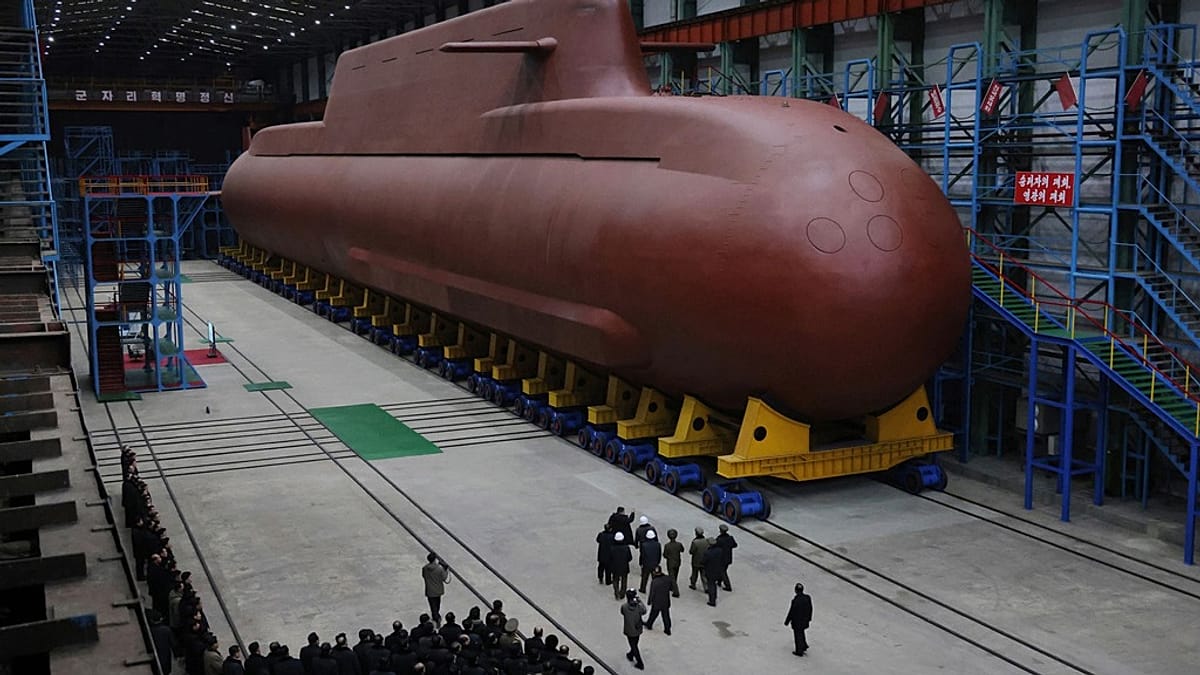
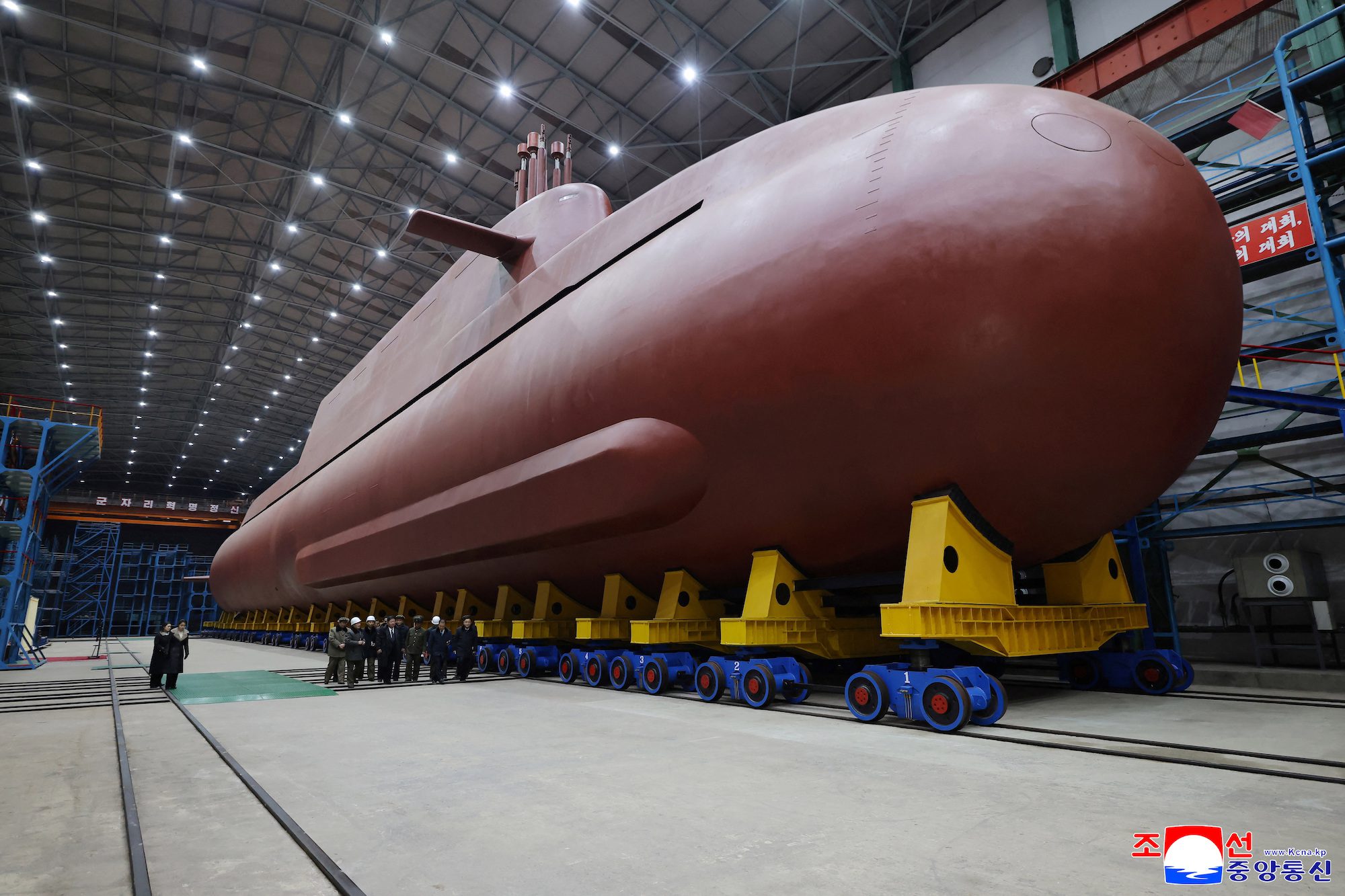
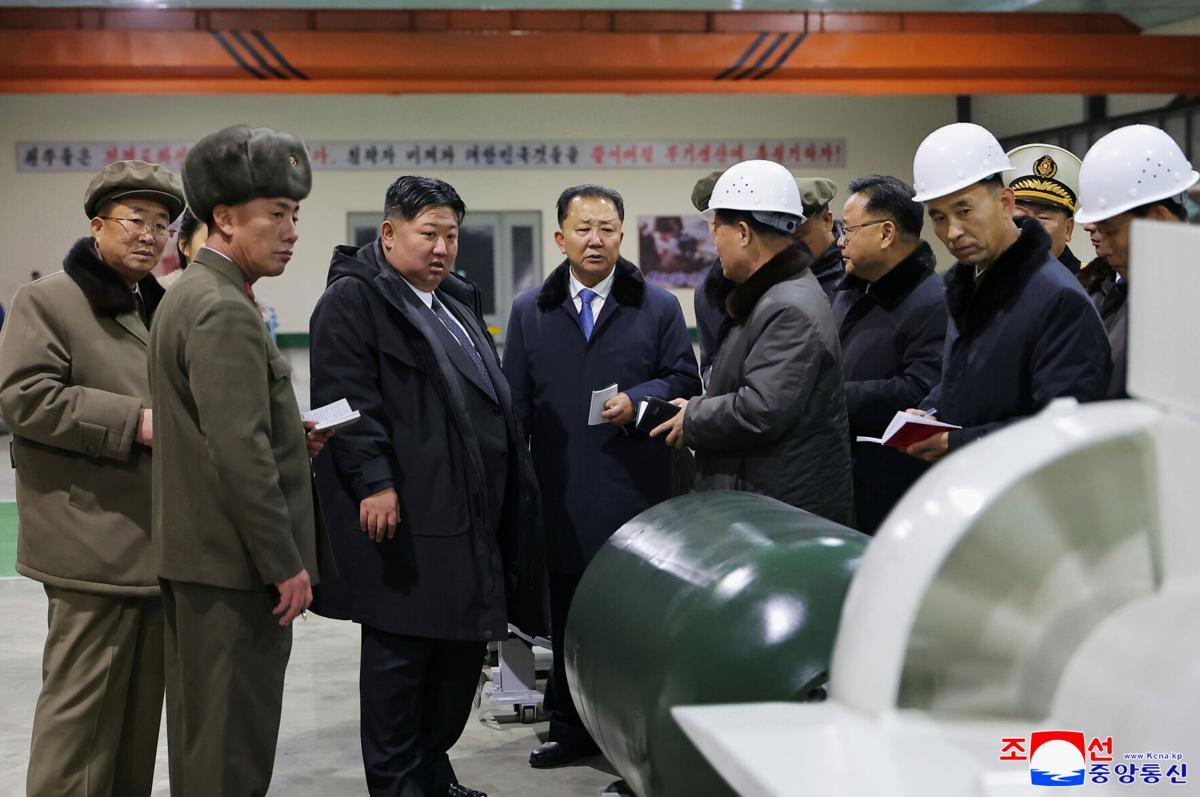
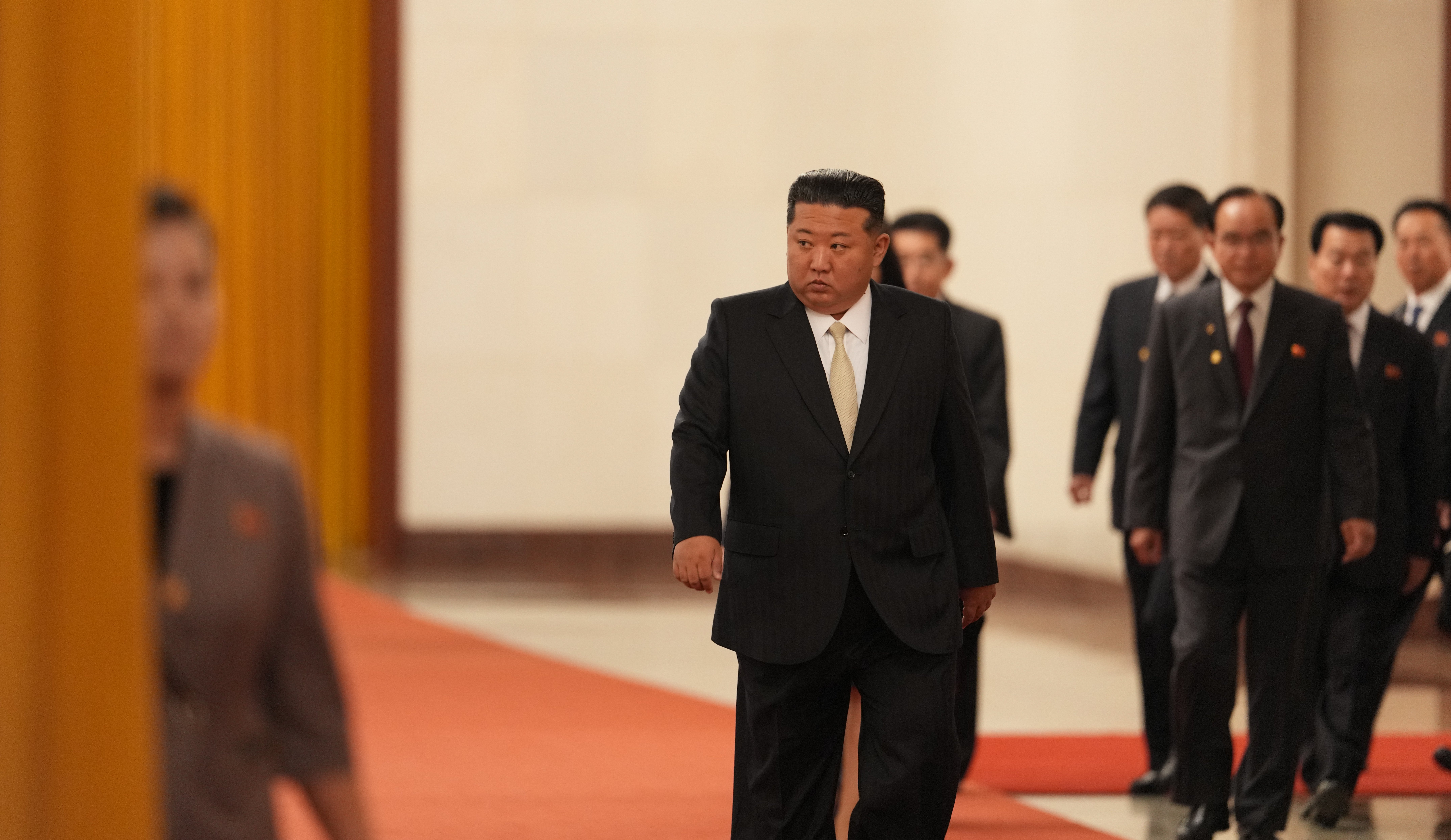
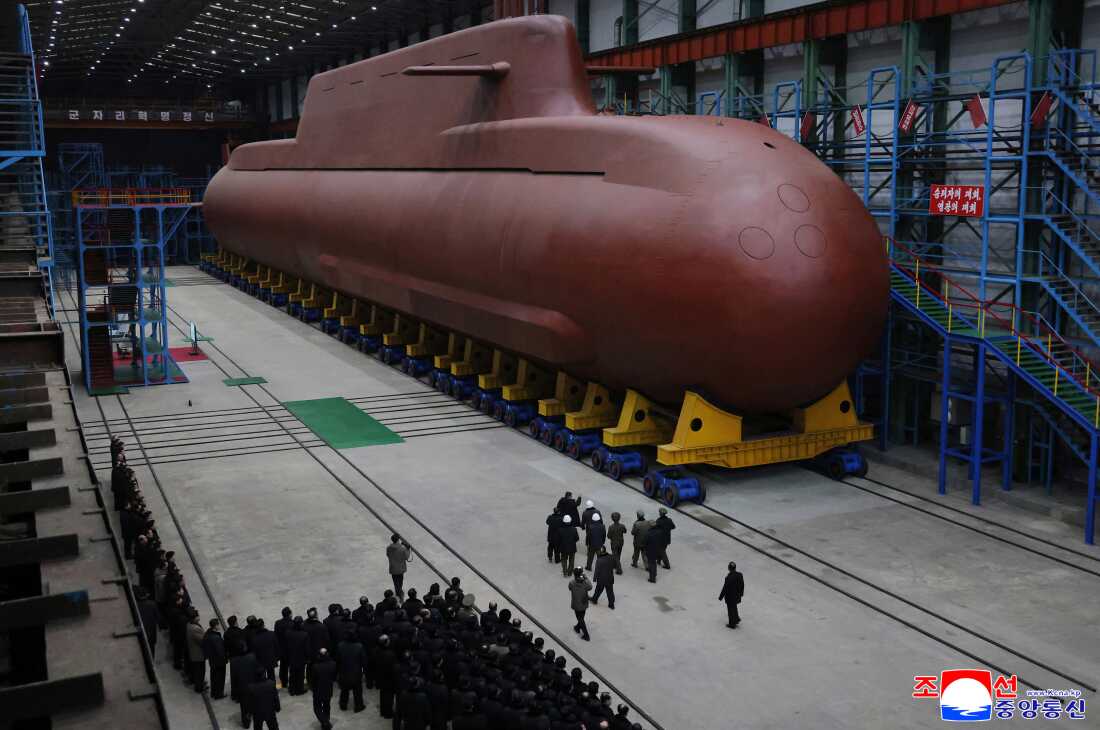
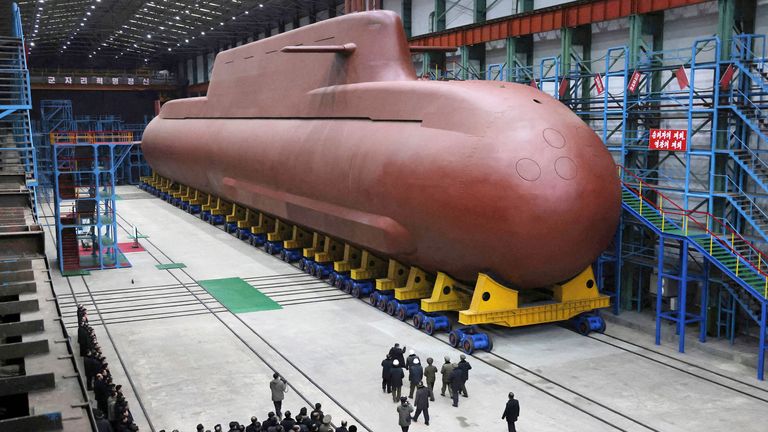
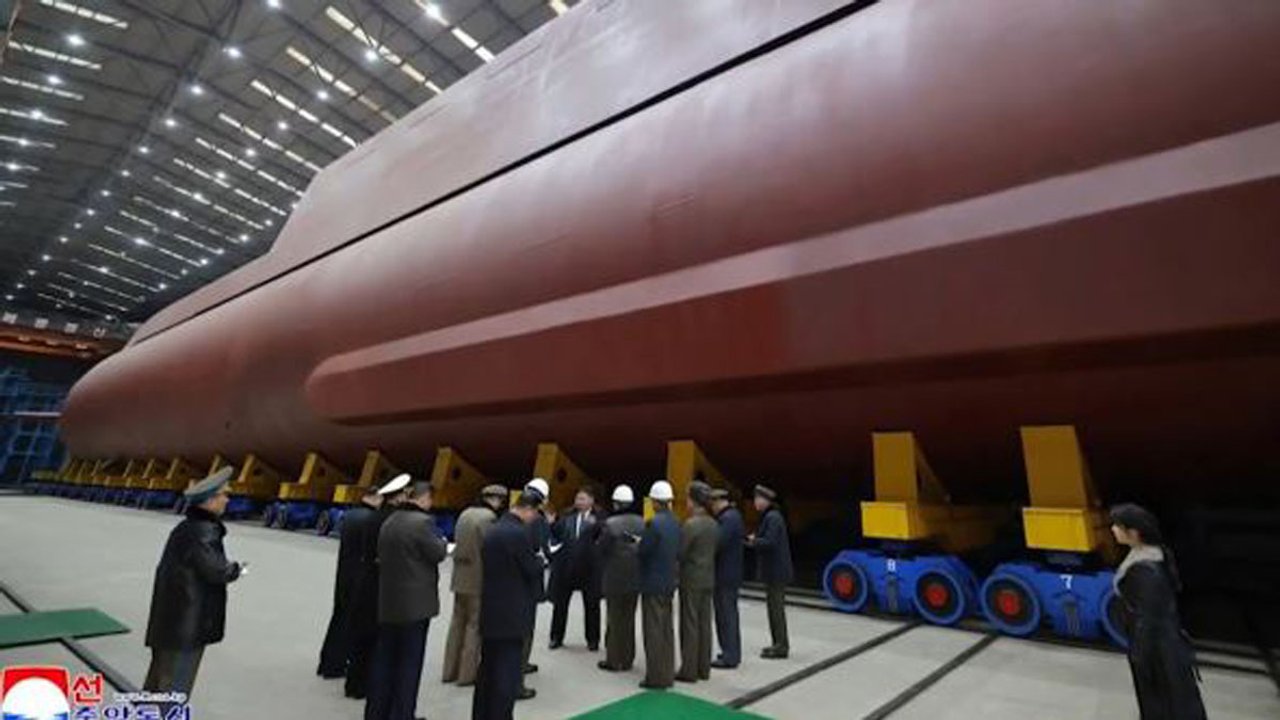
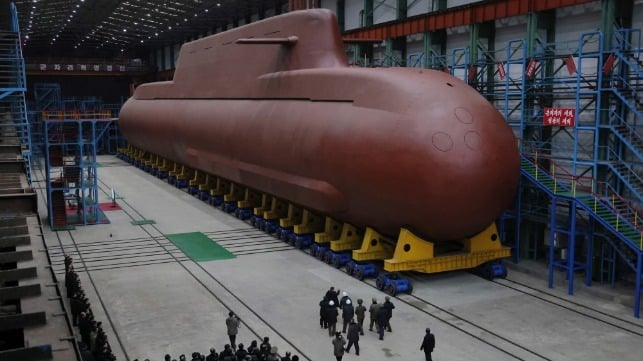
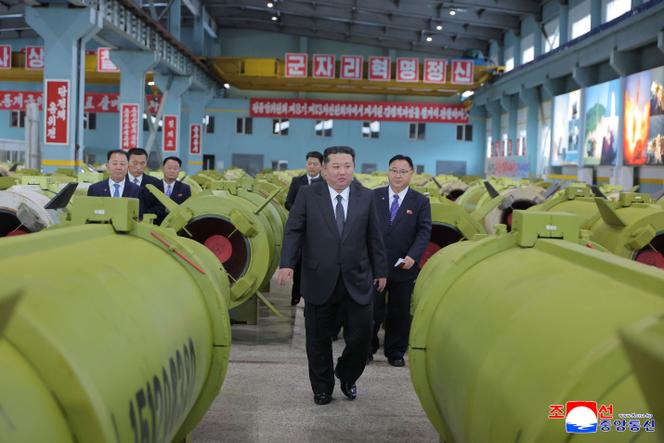
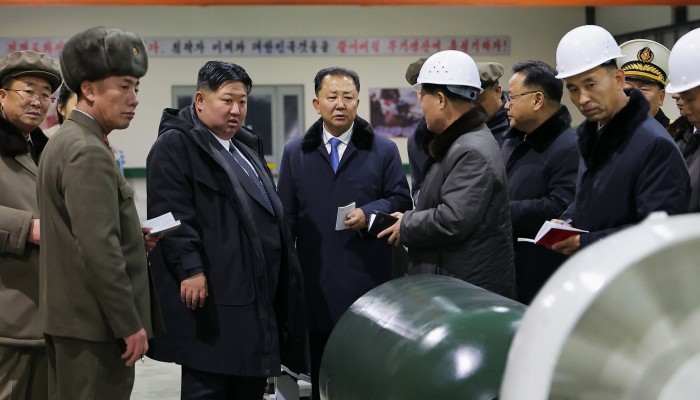
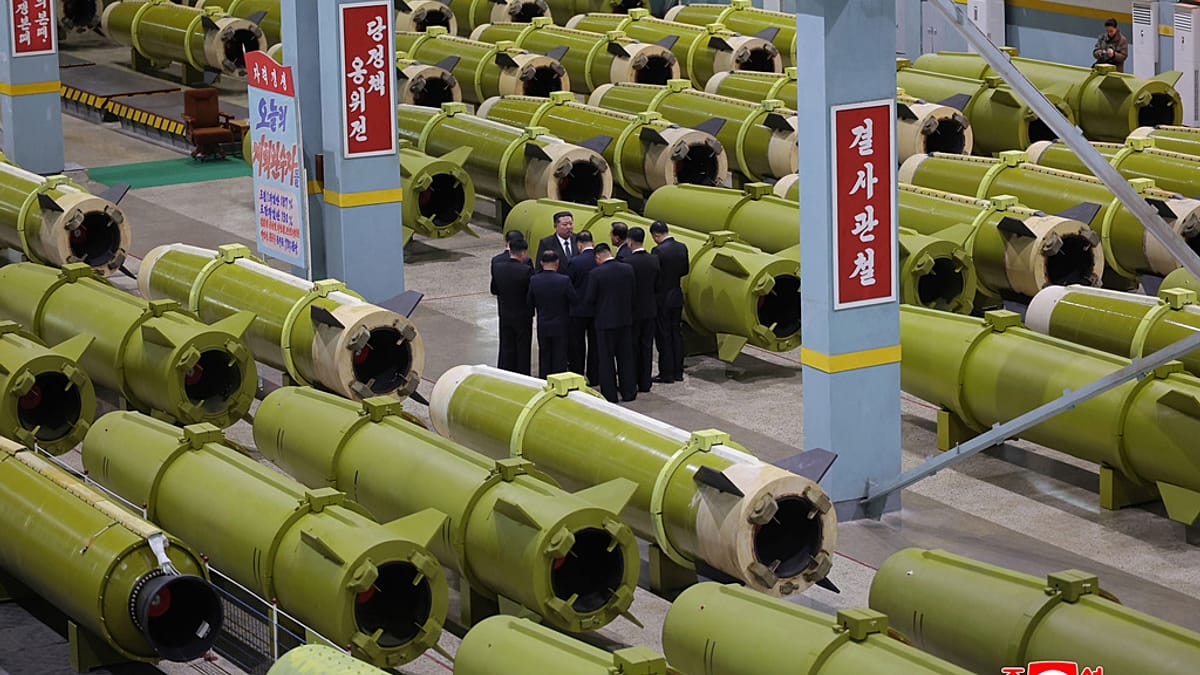
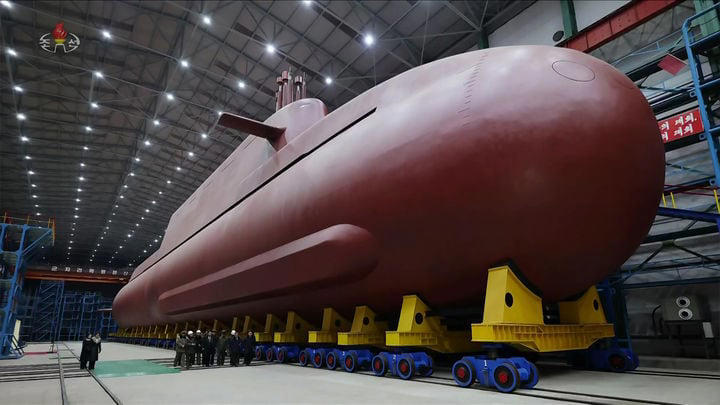
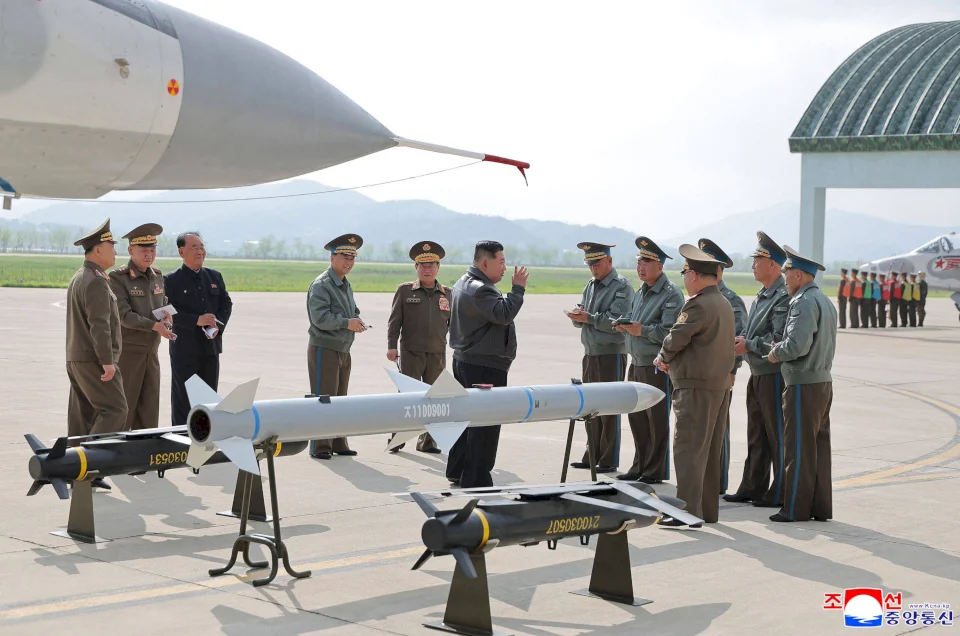
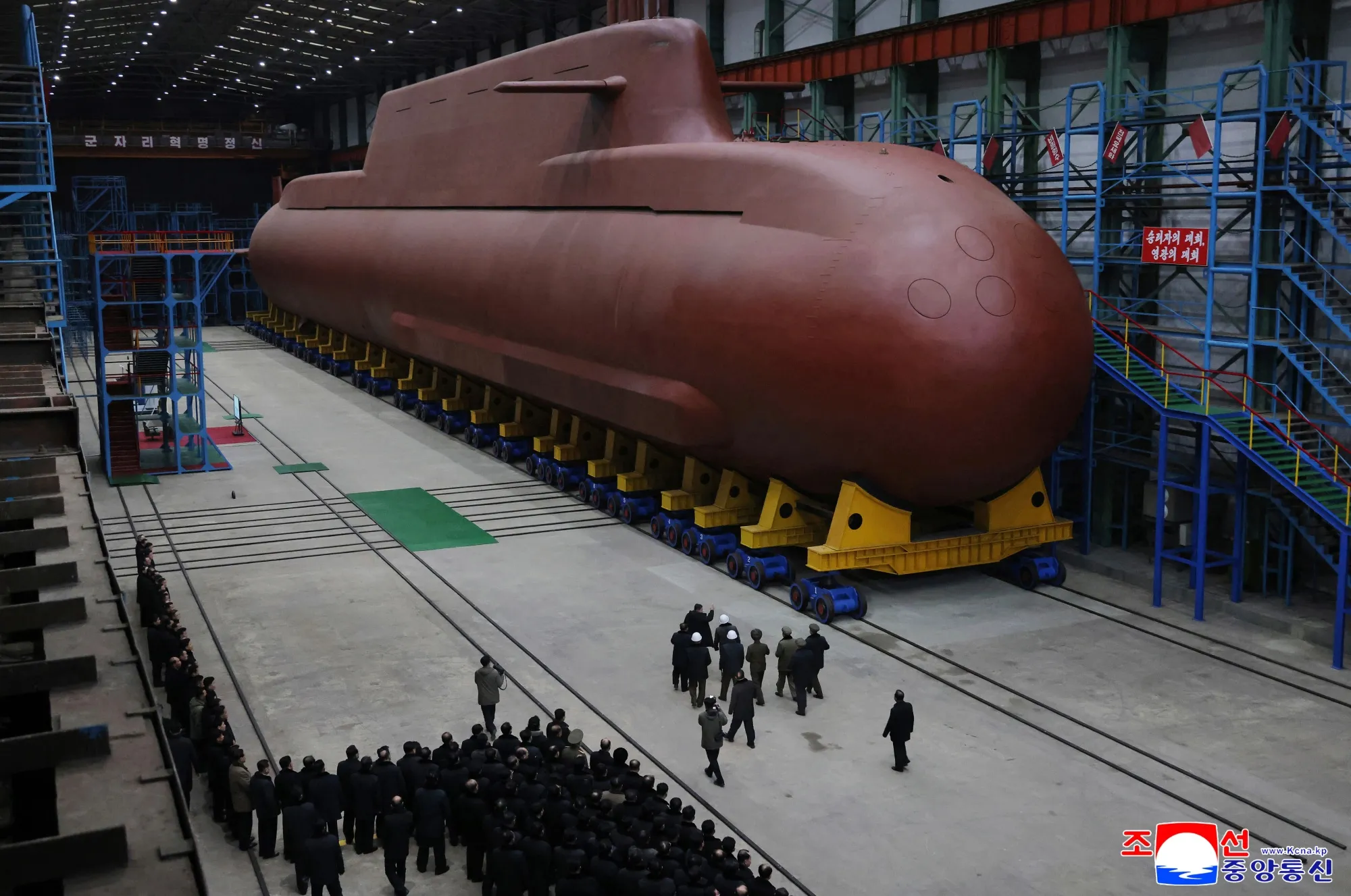
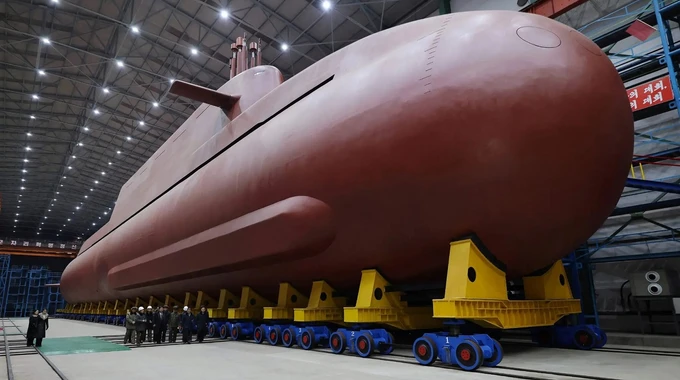
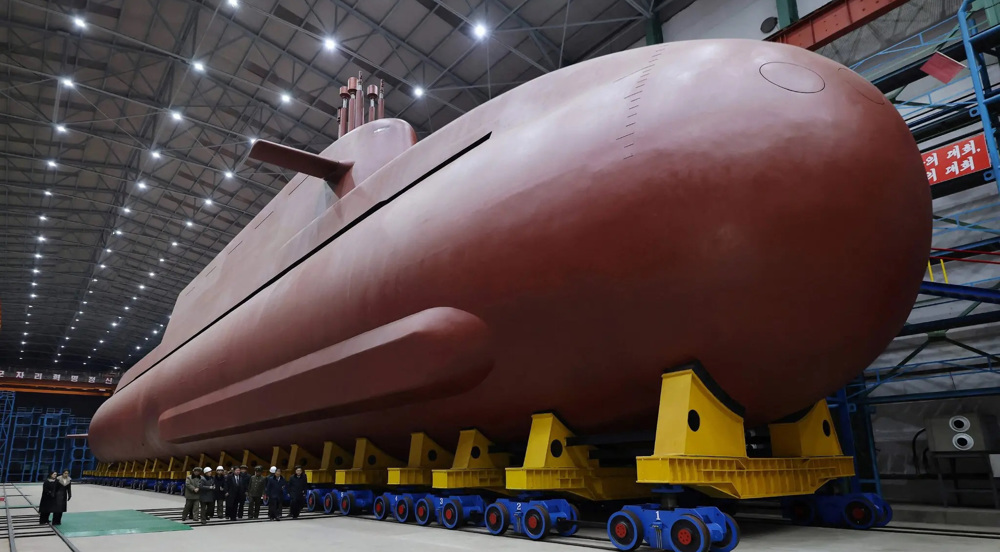
The emerging nuclear submarine arms race between North and South Korea represents a critical inflection point in Northeast Asian geopolitical dynamics, signaling a profound transformation in regional security architectures. Kim Jong Un's strategic missile development plan, announced in late 2025, coupled with North Korea's reveal of an 8,700-ton nuclear-powered submarine, demonstrates a calculated move toward technological self-reliance and military modernization.
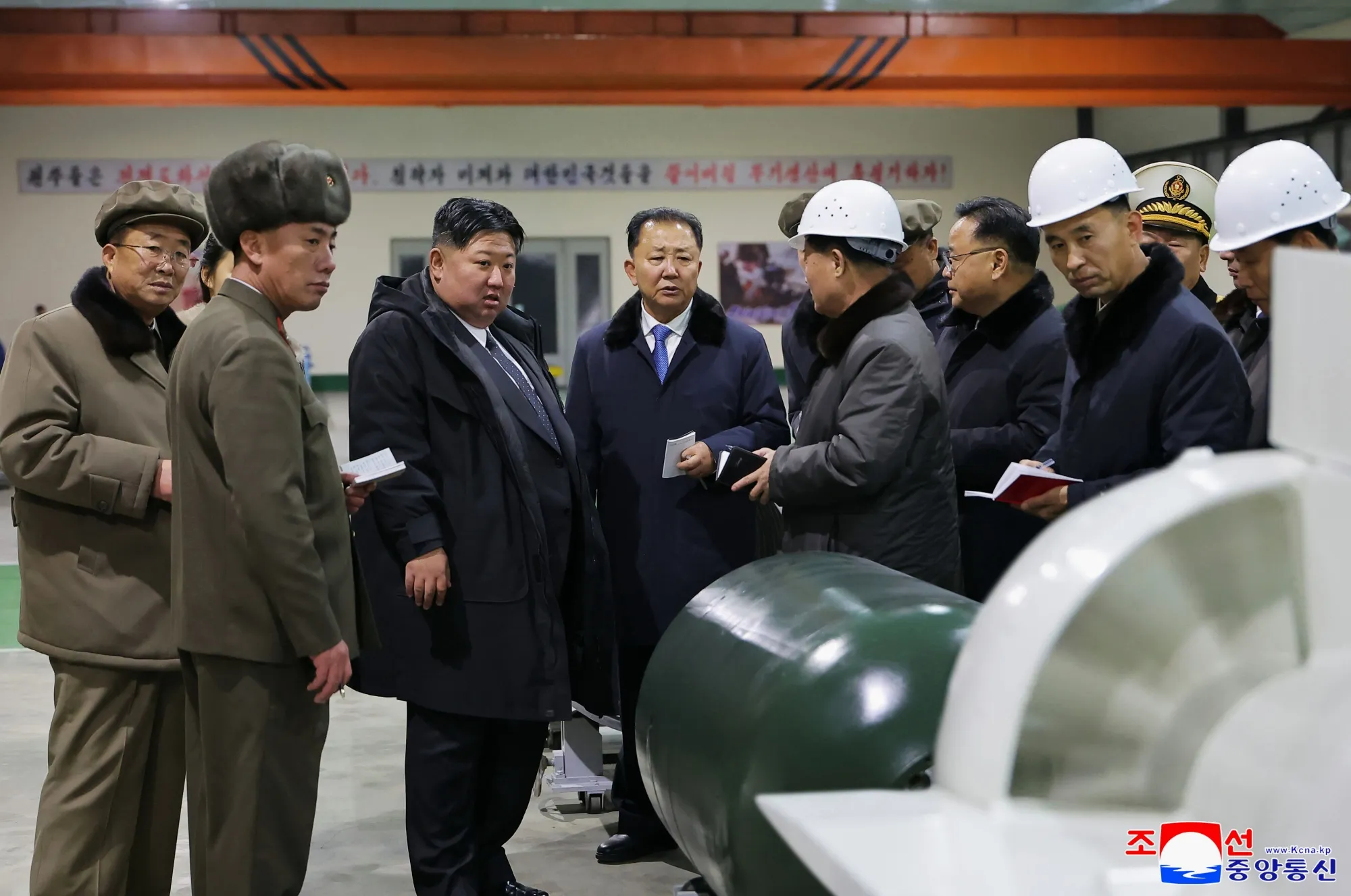
Technological sovereignty emerges as the core strategic driver in this complex landscape. North Korea's five-year missile production plan and submarine development are not merely military investments, but sophisticated geopolitical signaling mechanisms. By emphasizing indigenous technological capabilities, Kim is positioning North Korea as a technologically adaptive state capable of challenging traditional power dynamics.
The submarine arms race reveals deeper strategic calculations. South Korea's pan-government task force for nuclear submarine development, backed by U.S. approval, represents a significant departure from previous defensive postures. The U.S. Navy's expectation that these submarines could potentially counter Chinese naval presence in the Indo-Pacific region underscores the multidimensional strategic chess being played.
For international businesses and cross-border traders, these developments signal potential supply chain disruption risks. Increased military tensions could create uncertainty in maritime logistics, particularly for operations traversing Korean and East Asian maritime corridors. Technology and defense-related industries might simultaneously face both significant risks and unprecedented opportunities.
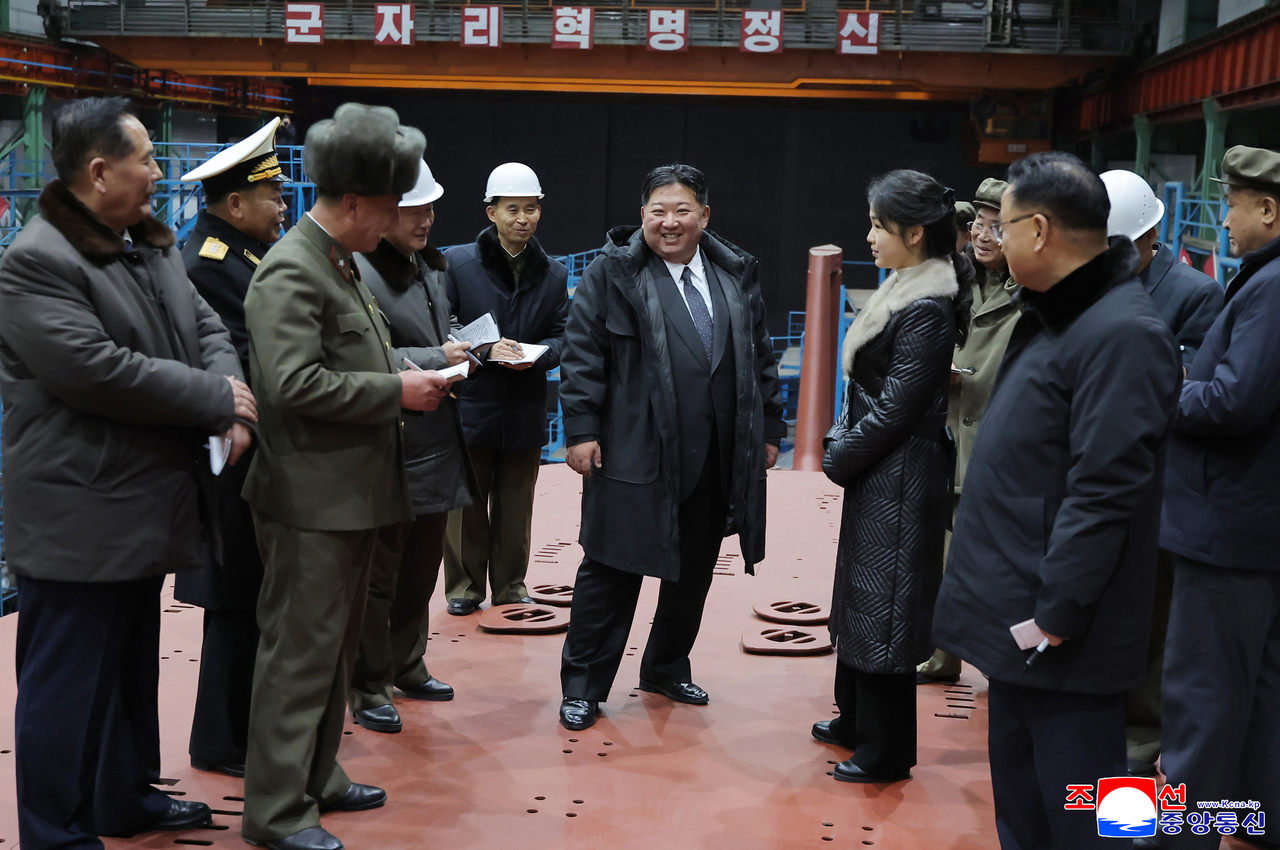
The involvement of Kim's daughter in these strategic discussions further suggests a long-term commitment to technological advancement and potential leadership succession. This indicates that the current military modernization is not a temporary tactical move, but a structured, generational strategic transformation with far-reaching implications for regional geopolitical equilibrium.
Questions 3
How does the U.S. factor into the Korean submarine development landscape?
The U.S. plays a crucial role by providing approval and strategic support for South Korea's nuclear submarine program. This backing is strategically designed to potentially counter Chinese naval presence in the Indo-Pacific region, transforming the submarine arms race into a broader geopolitical chess game involving multiple regional powers.
How might the nuclear submarine arms race impact international trade and logistics?
The escalating military tensions could create significant supply chain uncertainties, particularly in maritime shipping routes around the Korean peninsula. Businesses operating in Northeast Asian markets should anticipate potential disruptions, increased insurance costs, and the need for more flexible logistics planning to mitigate geopolitical risks.