

Russia's Economic Breaking Point Emerges as War Drains National Capacity
- Unprecedented Industrial Decline Signals Systemic Economic Transformation for Global Markets














Overview
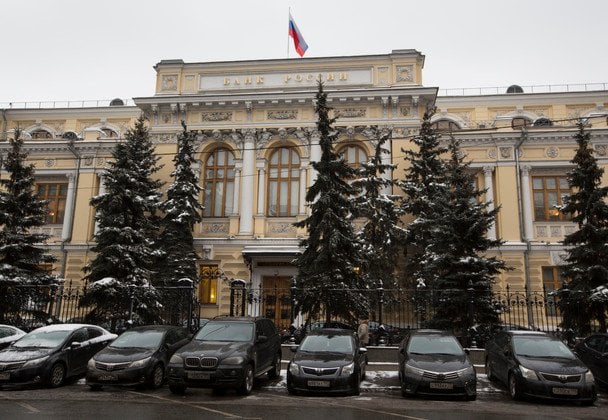
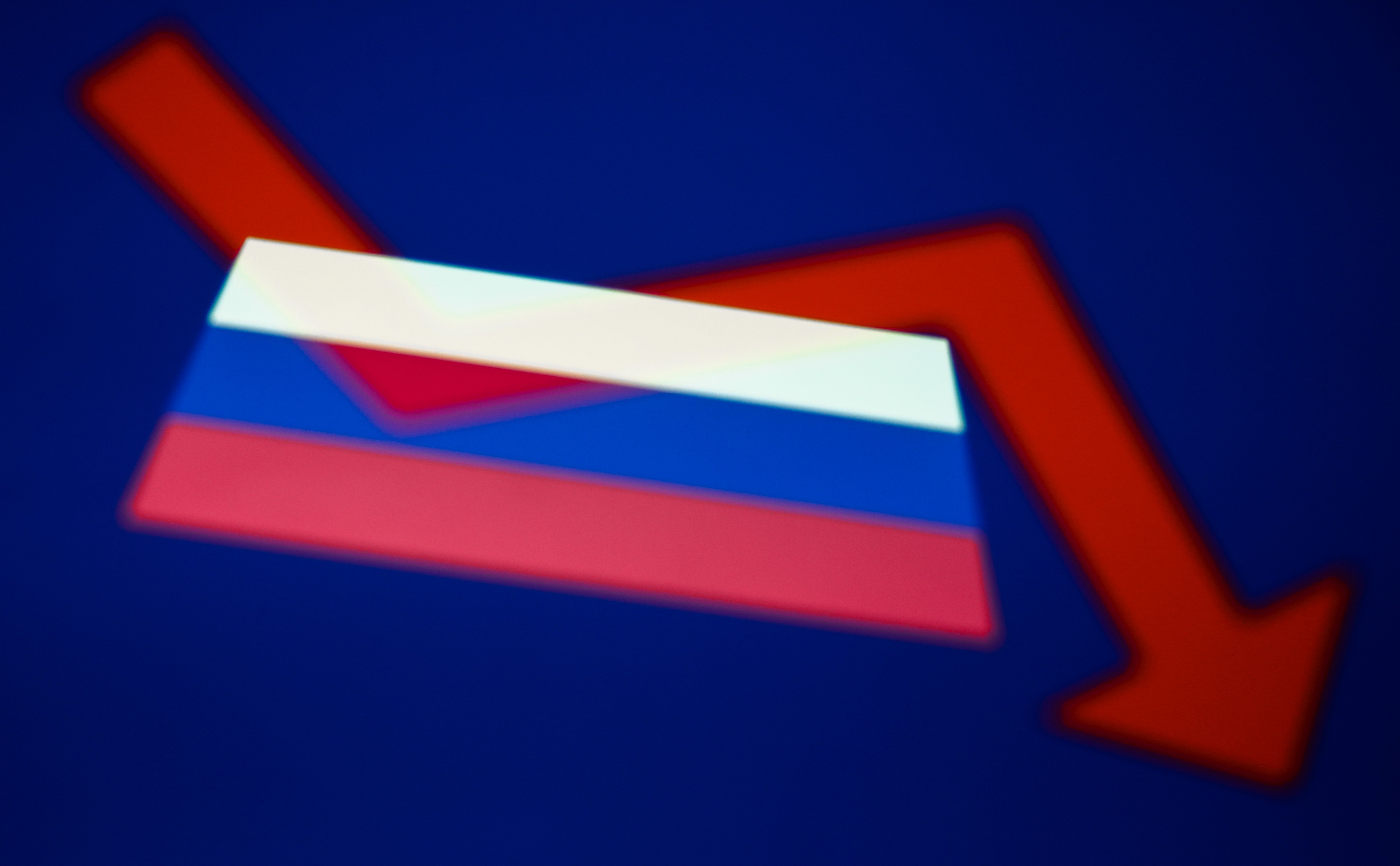
Russia's economic landscape is experiencing a profound structural transformation, driven by the compounding pressures of prolonged military conflict and international sanctions. The industrial sector is now confronting its most severe crisis since the 1990s, with a comprehensive economic downturn revealing deep systemic vulnerabilities.
Industrial output has dramatically contracted across multiple sectors, signaling a critical inflection point. Manufacturing segments have experienced extreme contractions - tractor production plummeted 61.6%, bulldozer production fell 53.7%, and the automotive industry returned to its worst 2022 levels with production plunging 34.1%. These figures are not merely statistical anomalies but represent a fundamental reshaping of Russia's economic infrastructure.
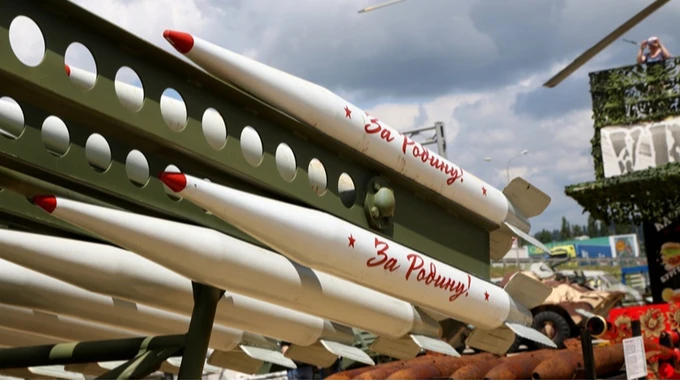
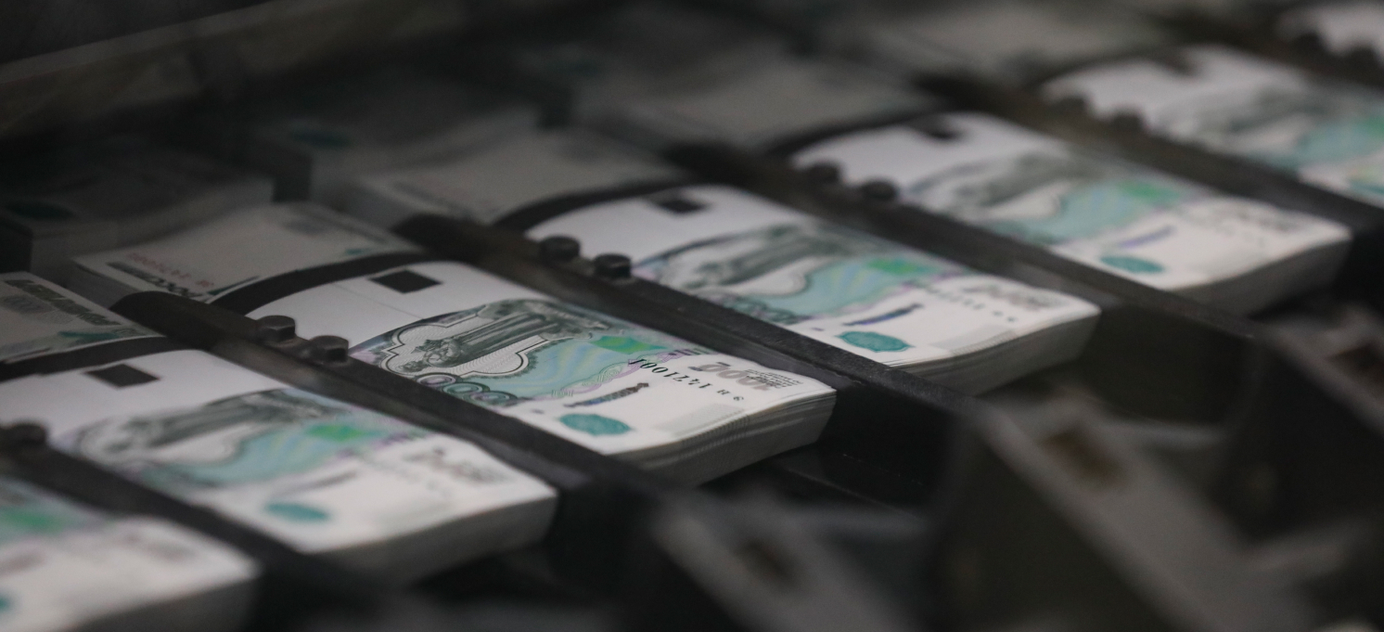
The economic strain stems from multiple interconnected factors. Military expenditures have consumed nearly 40% of the national budget, with military spending jumping 38% in 2024 compared to 2023. This massive allocation has come at the expense of civilian industrial development, creating a war economy that is increasingly unsustainable. The National Welfare Fund has declined 57% since the conflict's onset, indicating long-term financial sustainability challenges.
International sanctions have played a crucial role in accelerating this economic transformation. Western nations are estimated to cost Russia tens of billions in 2025, targeting critical economic sectors like oil and gas. The sanctions have effectively constrained Russia's traditional economic model, forcing rapid internal restructuring and challenging established trade dynamics.
For international businesses and cross-border e-commerce sellers, this landscape presents complex operational risks. Potential challenges include restricted logistics routes, payment processing difficulties, and increased compliance requirements. The market unpredictability suggests that sellers must develop highly adaptive strategies, focusing on risk mitigation and potential alternative market diversification.
Experts predict that despite these economic pressures, the Kremlin could potentially sustain military operations for 3-5 years without experiencing catastrophic economic collapse. However, the current trajectory indicates a prolonged period of economic adaptation, with significant implications for global trade and investment strategies.
Questions 4
What are the primary drivers of Russia's economic challenges?
The economic challenges stem from three primary factors: prolonged military expenditures (consuming 40% of the national budget), international sanctions targeting critical economic sectors, and a sharp economic slowdown that has stagnated GDP growth.
What risks do cross-border e-commerce sellers face in the Russian market?
Sellers face complex operational risks including restricted logistics routes, payment processing difficulties, increased compliance requirements, and high market volatility. The economic instability suggests the need for adaptive strategies, market diversification, and robust risk mitigation approaches.