



Maritime Gray Zones: China's Radical Transformation of Civilian Shipping into Military Arsenal
- Emerging Geopolitical Strategy Blurs Lines Between Commercial and Military Maritime Infrastructure
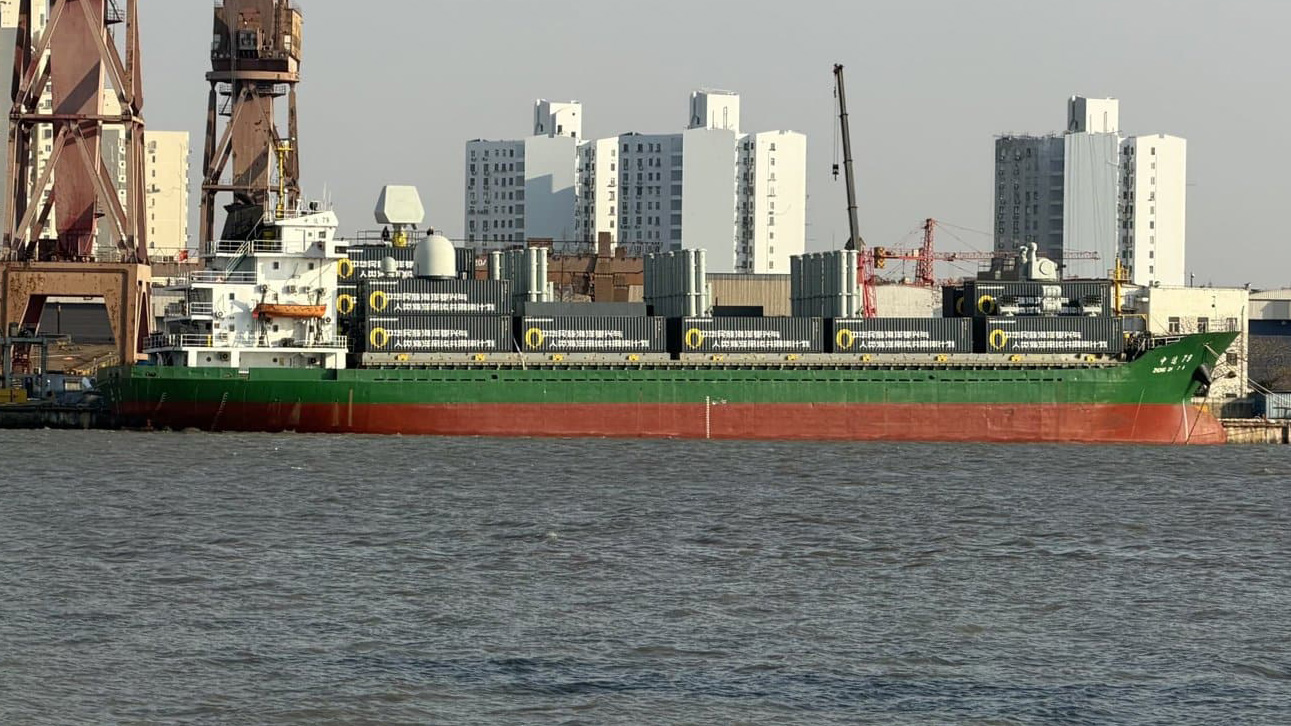


Overview
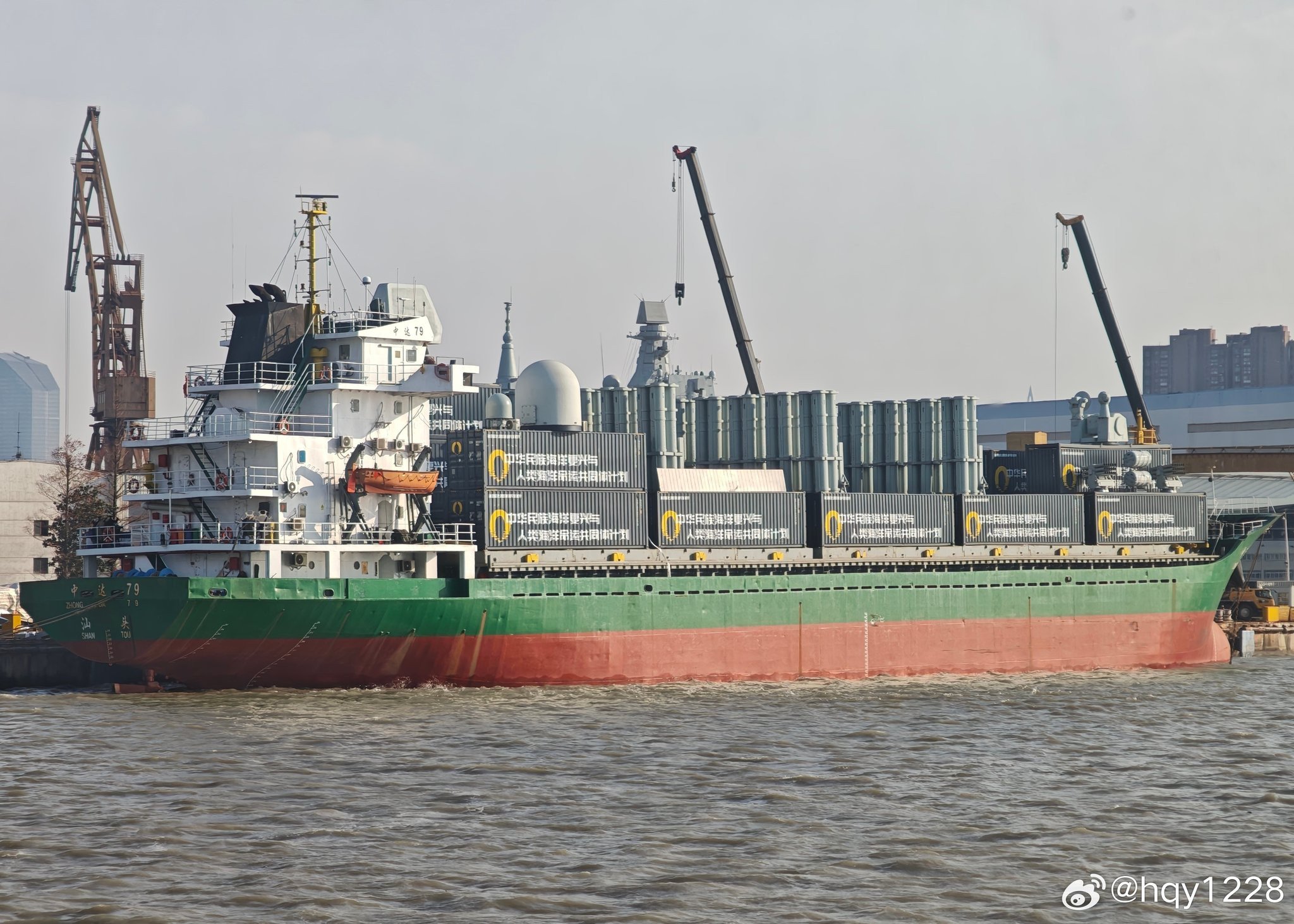
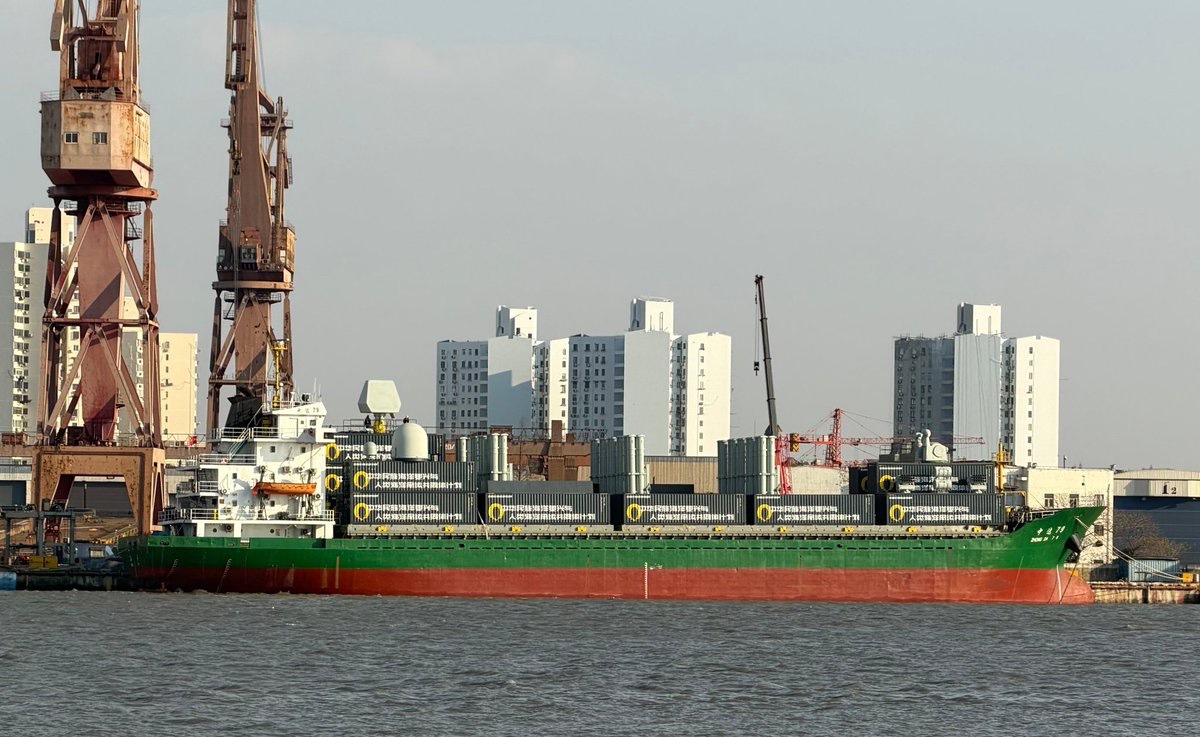
The maritime landscape is undergoing a profound transformation as China pioneers an unprecedented strategy of militarizing civilian cargo vessels. By converting standard commercial ships like the ZHONG DA 79 into missile-equipped arsenal platforms, Beijing is redefining the traditional boundaries between civilian logistics and military infrastructure.
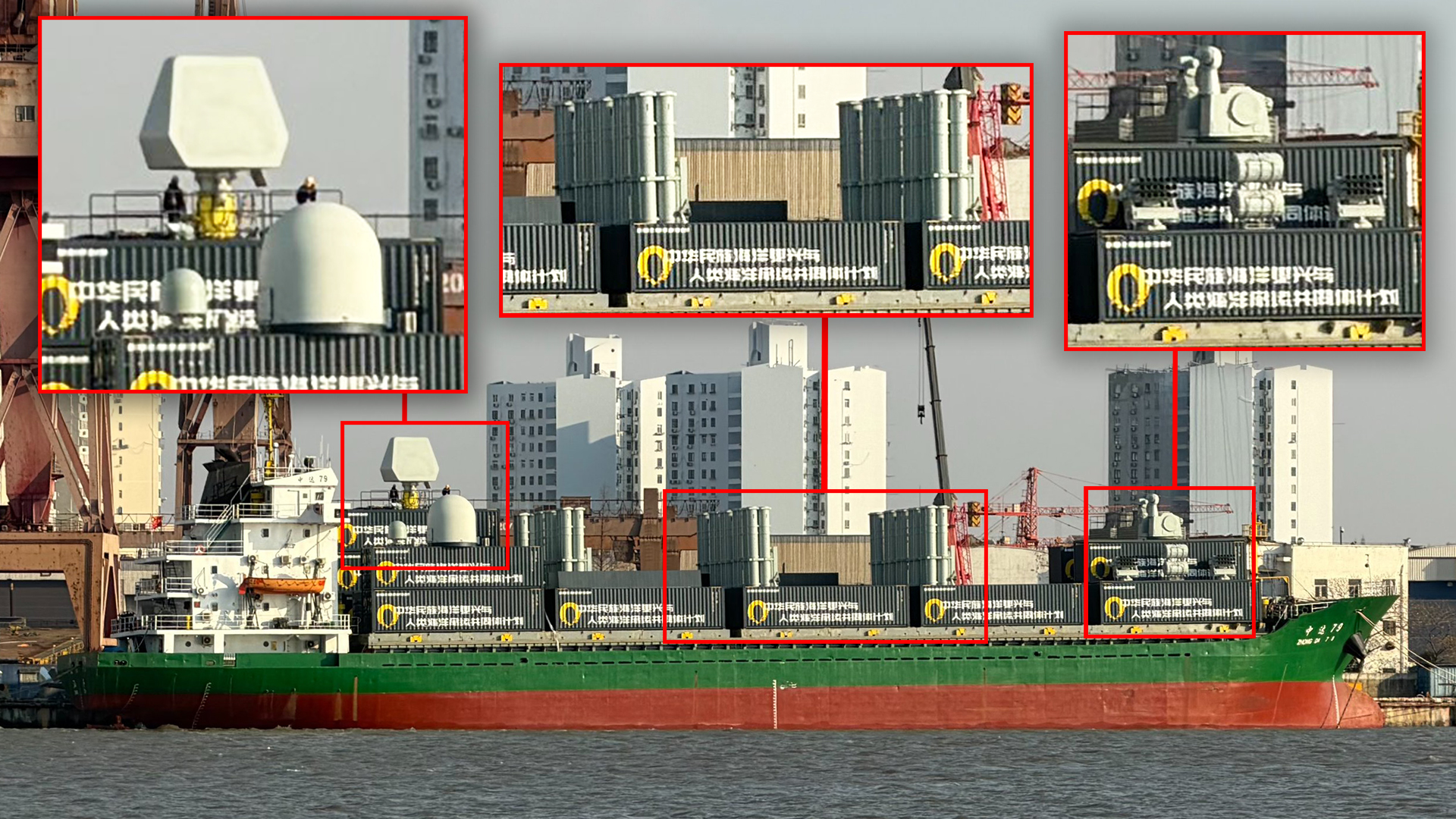
Strategic Camouflage and Dual-Use Capabilities represent the core of this innovative approach. The 97-meter commercial vessel, modified at the Hudong-Zhonghua Shipbuilding shipyard, demonstrates a sophisticated method of maritime power projection. Equipped with 60 missiles across multiple weapon types—including anti-ship, cruise, hypersonic, and anti-aircraft systems—the ship maintains an official civilian status while possessing significant military capabilities. The containerized missile launchers, strategically hidden within standard shipping containers, exemplify a blended civilian-military maritime doctrine.
This development signals a critical shift in geopolitical maritime strategy. By leveraging civilian infrastructure for potential military purposes, China is creating strategic ambiguity that challenges existing international maritime norms. The vessel's inscription, "The Maritime Renaissance of the Chinese Nation and the Concept of a Shared Ocean Future for Humanity," reveals a broader narrative of redefining maritime presence and sovereignty.
For international trade and logistics, this strategy introduces complex risk calculations. Cross-border sellers and maritime insurers must now consider potential militarization risks in shipping route planning. The implications extend beyond immediate geopolitical tensions, potentially reshaping maritime transportation risk assessments, insurance models, and global shipping infrastructure security protocols.
The conversion follows the Arsenal Ship concept originally developed by the United States in the mid-1980s, but China has innovatively adapted the approach. By maintaining a formal civilian status while integrating advanced military capabilities, Beijing creates a flexible maritime strategy that challenges traditional distinctions between commercial and military maritime assets.
Questions 3
How does China's militarization of civilian ships impact international maritime trade?
This strategy introduces significant uncertainty for maritime logistics, potentially increasing shipping insurance costs and requiring more complex risk assessments. Cross-border sellers must now factor in potential militarization risks when planning shipping routes, potentially leading to higher operational expenses and more intricate compliance requirements.
What makes the ZHONG DA 79 conversion strategically significant?
The ZHONG DA 79 represents a breakthrough in maritime gray zone strategy by maintaining a civilian status while integrating 60 advanced missiles across multiple weapon types. This approach allows China to project military capabilities without formally declaring a military vessel, creating strategic ambiguity and challenging existing international maritime norms.