



Precious Metals Surge: Investors Navigate Unprecedented Market Volatility
- Explosive Silver and Gold Price Rally Signals Critical Financial Transformation for Global Traders





Overview
The financial markets are experiencing a seismic shift in precious metal valuations, with silver and gold futures breaking through historic price barriers that demand immediate strategic recalibration. On Friday, silver futures surged an extraordinary 6.7%, climbing to around $76.50 per troy ounce—a remarkable year-to-date performance that has more than doubled its value and attracted both professional and amateur investors.
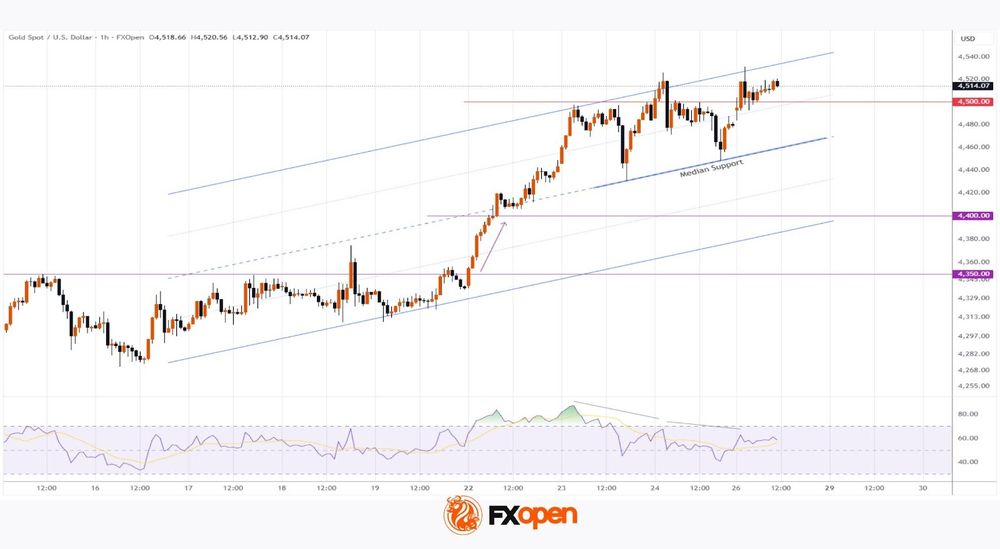
Market Dynamics and Strategic Implications: The concurrent rise in gold futures, which hit approximately $4,573 per troy ounce, represents more than just a price movement—it signals profound economic uncertainty and potential monetary policy shifts. For cross-border e-commerce sellers and international traders, these fluctuations translate into critical operational challenges. Pricing strategies, inventory valuation, and international trade costs are now operating in an unprecedented volatility landscape.
The precious metal price surge carries nuanced implications across multiple sectors. Manufacturers of jewelry, electronics, and luxury goods face immediate pressure to reassess their cost structures. The volatility suggests that traditional hedging strategies may no longer provide sufficient protection against rapid market transformations. Sellers must now develop more dynamic pricing models that can rapidly adapt to metal price fluctuations, potentially incorporating real-time currency and commodity price adjustments into their financial planning.
Contextually, this market movement reflects broader economic uncertainties and shifting investor sentiments. The S&P 500's continued strong performance, marking its 39th record close, indicates a complex financial ecosystem where traditional safe-haven assets like precious metals coexist with robust stock market confidence. This paradox underscores the need for sophisticated, multi-dimensional financial strategies that can navigate increasingly interconnected global markets.
Strategic recommendations emerge clearly: businesses must invest in advanced financial risk management tools, develop more flexible pricing mechanisms, and maintain heightened vigilance around commodity price movements. Implement real-time monitoring systems, diversify currency exposure, and build financial models that can quickly recalibrate in response to rapid market shifts.
Questions 3
What strategic recommendations emerge from these market movements?
Businesses should invest in advanced financial risk management tools, implement real-time commodity price monitoring systems, diversify currency exposure, and build flexible financial models capable of rapid recalibration in response to market shifts.
How do these precious metal price changes impact cross-border e-commerce sellers?
Sellers must immediately reassess pricing strategies, inventory valuation, and trade costs. The volatility means manufacturers of jewelry, electronics, and luxury goods need to develop more dynamic pricing models that can quickly adapt to rapid metal price fluctuations.