





China's Strategic Tech Gambit: Unleashing a $7 Billion Hard Tech Revolution
- Pioneering a New Era of State-Driven Technological Self-Sufficiency for Global Competitiveness













)


Overview
In a bold strategic maneuver, China is rewriting the global technological playbook through an unprecedented $7 billion venture capital initiative targeting frontier technological domains. This isn't just an investment strategy—it's a calculated geopolitical chess move designed to accelerate technological independence and challenge Western technological hegemony.
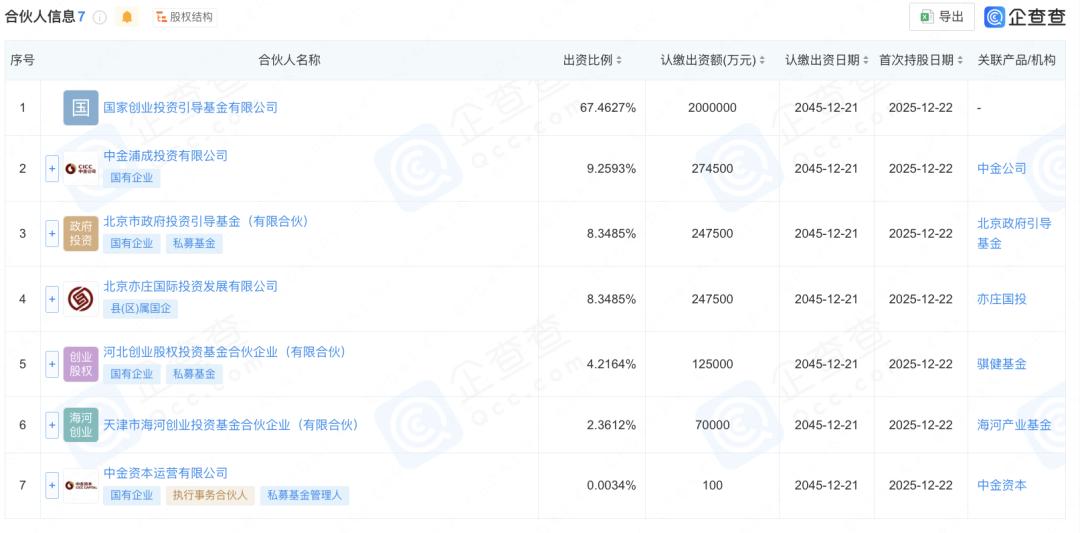
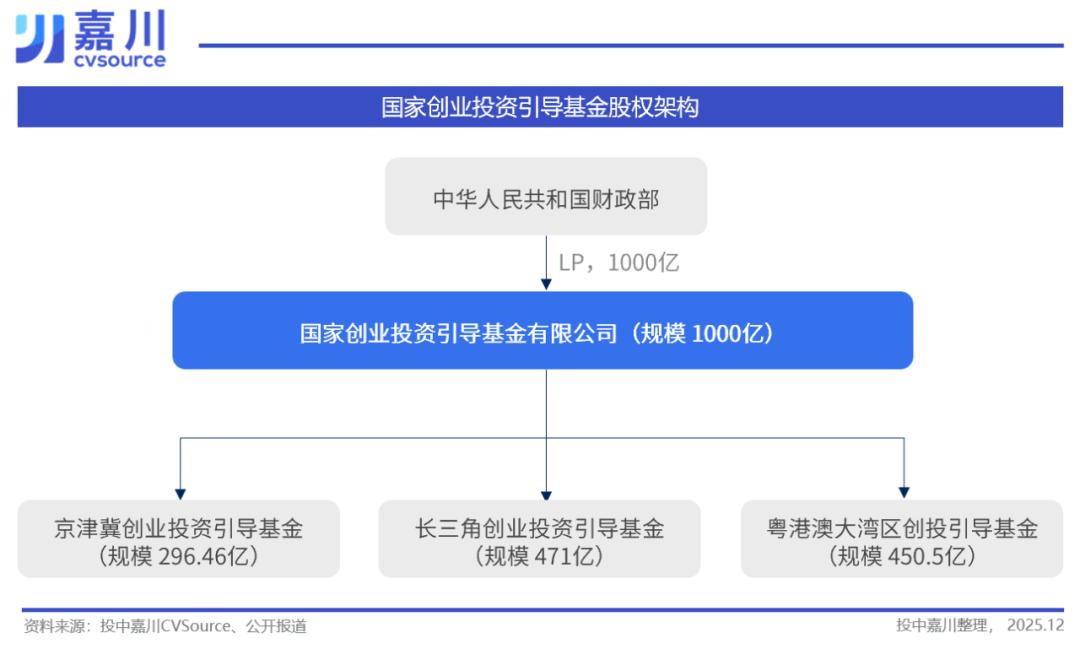
The core of this initiative lies in its laser-focused approach to hard technology sectors. By creating three venture capital funds capitalized at 7.14 billion yuan each, China is making a systematic bet on transformative technologies like quantum computing, integrated circuits, biomedicine, and aerospace. The investment parameters are meticulously crafted: no single investment exceeding 50 million yuan, with a razor-sharp focus on early-stage startups valued under 500 million yuan.
What makes this strategy particularly compelling is its long-term, patient capital approach. Unlike short-term investment models, these funds are designed with 15-20 year investment cycles, signaling China's commitment to fundamental technological advancement. By explicitly excluding "soft" technologies like internet services and concentrating on hard tech domains, the government is sending a clear message: the future belongs to those who can innovate at the deepest technological frontiers.
For cross-border technology sellers and investors, this represents both an extraordinary opportunity and a potential competitive disruption. Technology startups in targeted sectors may find unprecedented funding access, while international firms must rapidly reassess their innovation and partnership strategies. The funds' regional focus—spanning Beijing-Tianjin-Hebei, Yangtze River Delta, and Greater Bay Area—suggests a coordinated national approach to nurturing technological ecosystems.
The broader context cannot be overstated. This initiative reflects China's strategic ambition to reduce technological dependence on Western markets and establish global technological leadership. By creating a structured ecosystem that directly supports indigenous innovation, China is positioning itself to potentially reshape global technology landscapes in the coming decades.
Sellers and investors should monitor these developments closely. The downstream implications could be profound: new cross-border e-commerce tools, advanced logistics solutions, and emerging digital platforms might emerge from this concentrated technological investment. The message is clear: technological self-sufficiency is no longer an aspiration, but a national imperative.
Questions 4
How do these investment funds differ from traditional venture capital approaches?
Unlike typical venture capital models, these funds feature extremely controlled investment parameters: no single investment exceeds 50 million yuan, they target early-stage startups under 500 million yuan valuation, and have extraordinarily long 15-20 year investment cycles. This approach prioritizes patient, strategic technological development over quick returns.
What specific technology sectors are these Chinese venture funds targeting?
The funds are focusing on critical 'hard technology' domains including integrated circuits, quantum technology, biomedicine, brain-computer interfaces, and aerospace technologies. They explicitly exclude 'soft' technologies like internet services, demonstrating a strategic commitment to fundamental technological advancement.