


Samsung's GPU Revolution Reshapes Mobile Semiconductor Landscape
- Strategic semiconductor innovation signals massive transformation in mobile computing platforms











Overview
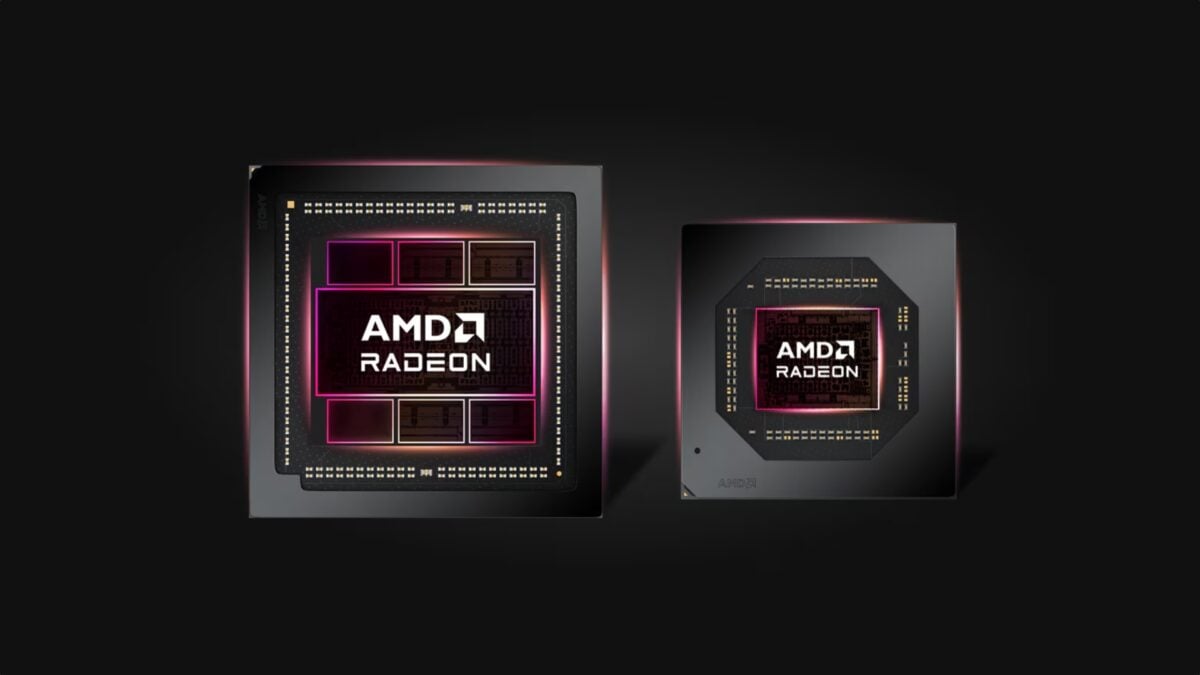
The mobile semiconductor industry stands at a pivotal technological inflection point, with Samsung's GPU development representing a profound strategic shift that extends far beyond traditional smartphone hardware. By progressively decoupling from AMD and developing its proprietary GPU architecture, Samsung is positioning itself as a vertically integrated semiconductor powerhouse capable of challenging industry giants like Apple and Qualcomm.
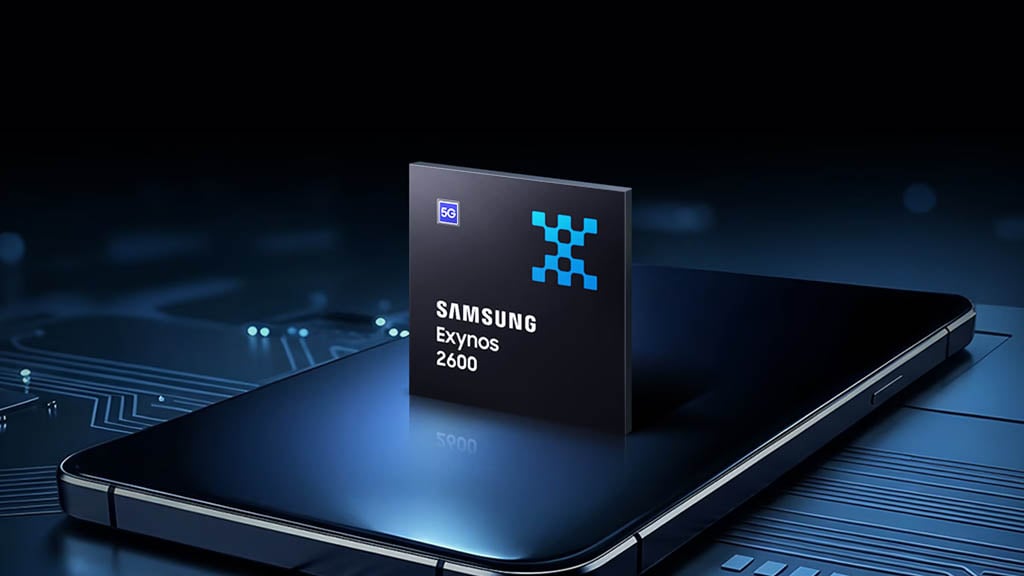
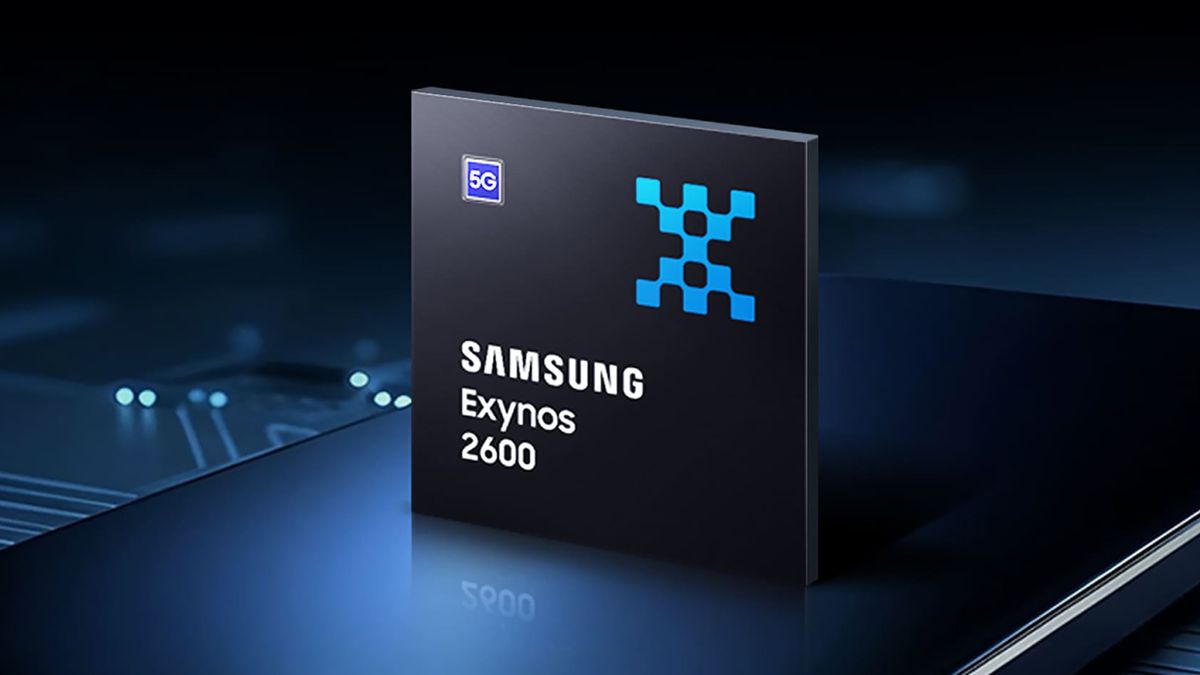
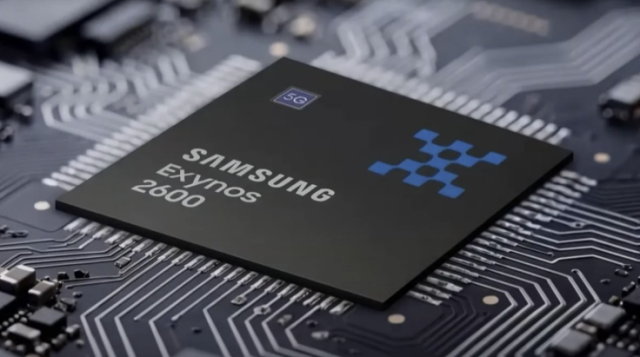
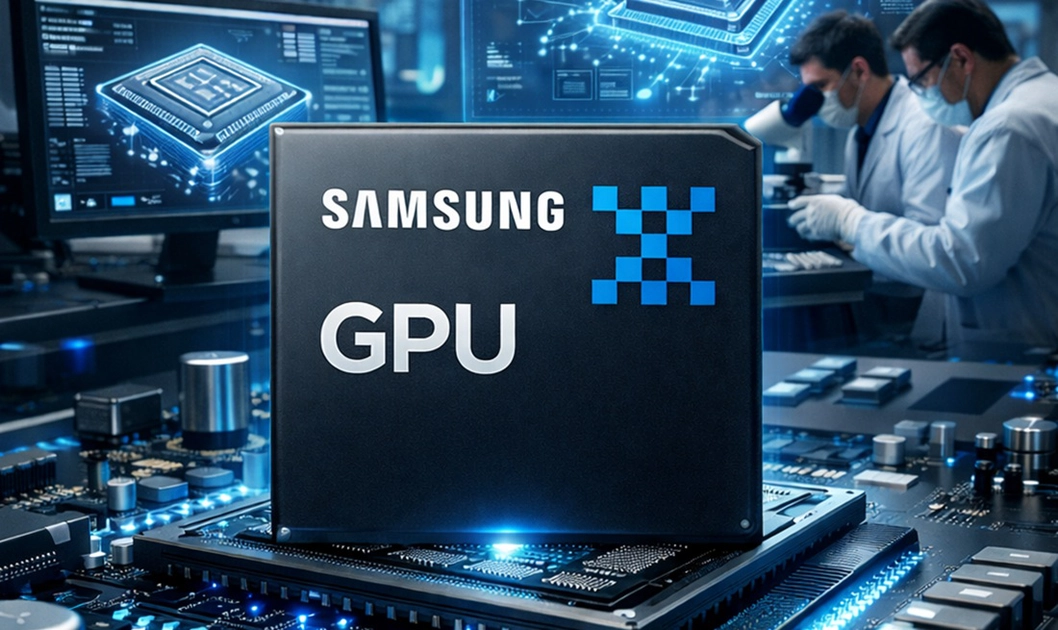
The Exynos 2600 chipset marks a critical milestone in this journey, featuring the first Exynos GPU based on AMD's RDNA4 architecture. Despite being clocked at a modest 980MHz, this GPU demonstrates remarkable capabilities—delivering double the performance of its predecessor and an astounding 50x improvement in ray-tracing technologies. This isn't merely an incremental upgrade; it represents a fundamental reimagining of mobile graphics processing.
Samsung's strategic roadmap reveals a calculated, multi-year transformation. The current collaboration with AMD serves as a sophisticated technology transfer mechanism, allowing Samsung to absorb critical GPU design expertise before transitioning to a fully proprietary architecture with the Exynos 2800 in 2027. By recruiting top-tier talent like former AMD Vice President John Rayfield and offering competitive salaries ranging from $203,000 to $690,000, Samsung is systematically building its semiconductor engineering capabilities.
The implications extend well beyond smartphones. Samsung's GPU development signals potential expansion into autonomous vehicle platforms, smart glasses, and robotics technology. By developing a unified semiconductor ecosystem, the company is positioning itself to compete across multiple high-growth computing categories, not just mobile devices.
For technology sellers and manufacturers, this represents a critical inflection point. The semiconductor landscape is rapidly evolving from merchant chip providers to integrated technology platforms. Companies that can design, manufacture, and optimize their own silicon will hold significant competitive advantages in the coming decade.
Questions 3
How significant is the performance improvement in the new Exynos GPU?
The Xclipse 960 GPU demonstrates a remarkable 50x improvement in ray-tracing capabilities and doubles the performance of its predecessor, despite being clocked at a lower frequency. This represents a substantial leap in mobile graphics processing technology that could reshape expectations for mobile device performance.
What makes Samsung's GPU development strategy unique?
Samsung is systematically building a proprietary GPU ecosystem by first partnering with AMD for technology transfer, then developing its own architecture. This approach allows them to absorb critical expertise while maintaining long-term technological independence, unlike many semiconductor companies that remain dependent on external IP.