



Global Hockey Talent: The Emerging Landscape of International Youth Development
- Revealing the strategic transformation of hockey talent scouting and international competition
Overview
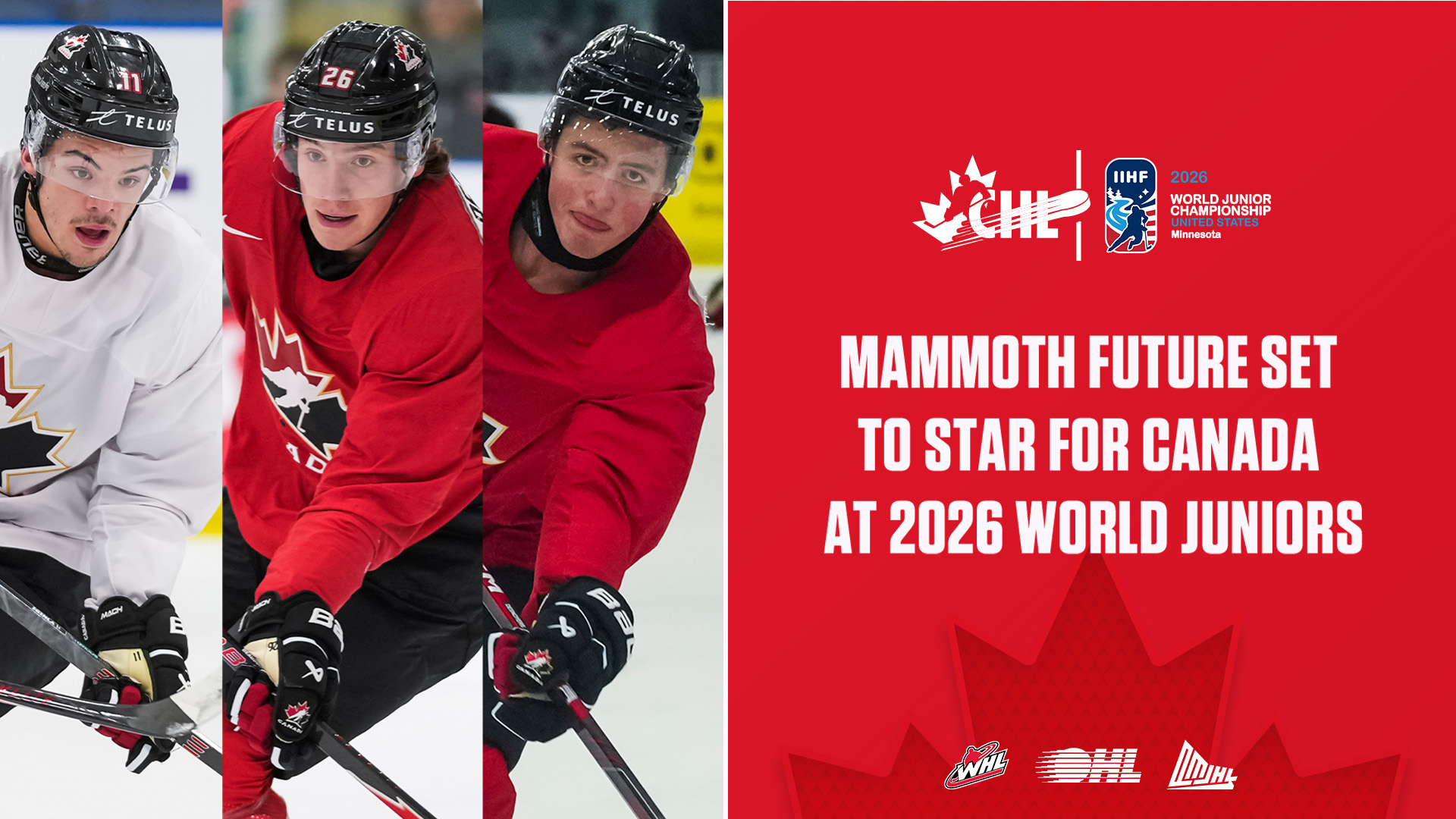
The 2026 World Junior Hockey Championship unveils a complex ecosystem of international talent development that transcends traditional team boundaries. At the heart of this narrative are young athletes like Tij Iginla, Tomas Poletin, and Vojtech Cihar - Kelowna Rockets teammates who momentarily become international competitors, symbolizing the fluid nature of modern sports talent.
Talent Pipeline Dynamics are particularly striking in this tournament. With 29 of 32 NHL teams represented, the championship represents more than just a competition - it's a global talent showcase. Organizations like the Nashville Predators and Utah Mammoth are pioneering strategic approaches to prospect development, demonstrating that modern hockey is as much about intelligent recruitment as athletic performance.
The tournament reveals three critical trends in youth sports talent management. First, the international stage has become a critical proving ground for young athletes, where club-level relationships are temporarily suspended in favor of national pride. Players like Iginla, who scored three pre-tournament goals, leverage these moments to demonstrate their versatility and potential. Second, NHL teams are increasingly viewing these championships as sophisticated talent evaluation platforms, with meticulous scouting that goes beyond traditional metrics.
Most intriguingly, the championship underscores the globalization of sports talent. The comprehensive representation across NHL teams highlights a shift from regional recruitment to a truly international talent ecosystem. Teams are no longer limited by geographic constraints but are building global networks of potential future stars. Notable prospects like Jack Ivankovic, with his exceptional 16-4-0 performance and .927 save percentage, represent the new breed of internationally developed athletes.
For sports organizations, talent agencies, and marketers, this tournament is more than a competition - it's a strategic marketplace where potential is currency, and young athletes are both the product and the producers of future sporting narratives.
Questions 3
How is globalization impacting youth sports talent development?
With 29 of 32 NHL teams represented in the championship, youth sports are becoming increasingly international. Teams are building global networks, evaluating talent beyond geographic boundaries, and creating more opportunities for young athletes to gain international exposure.
What makes the World Junior Championship significant for young hockey players?
The tournament serves as a critical global stage where young athletes like Tij Iginla can showcase their skills to international scouts. It's more than a competition - it's a marketplace where potential is evaluated, and athletes can transition from club teammates to national competitors.