

Eastern European Airspace Tensions Expose Critical Logistics Vulnerabilities
- Geopolitical Instability Creates High-Risk Corridor for Cross-Border Commerce







Overview
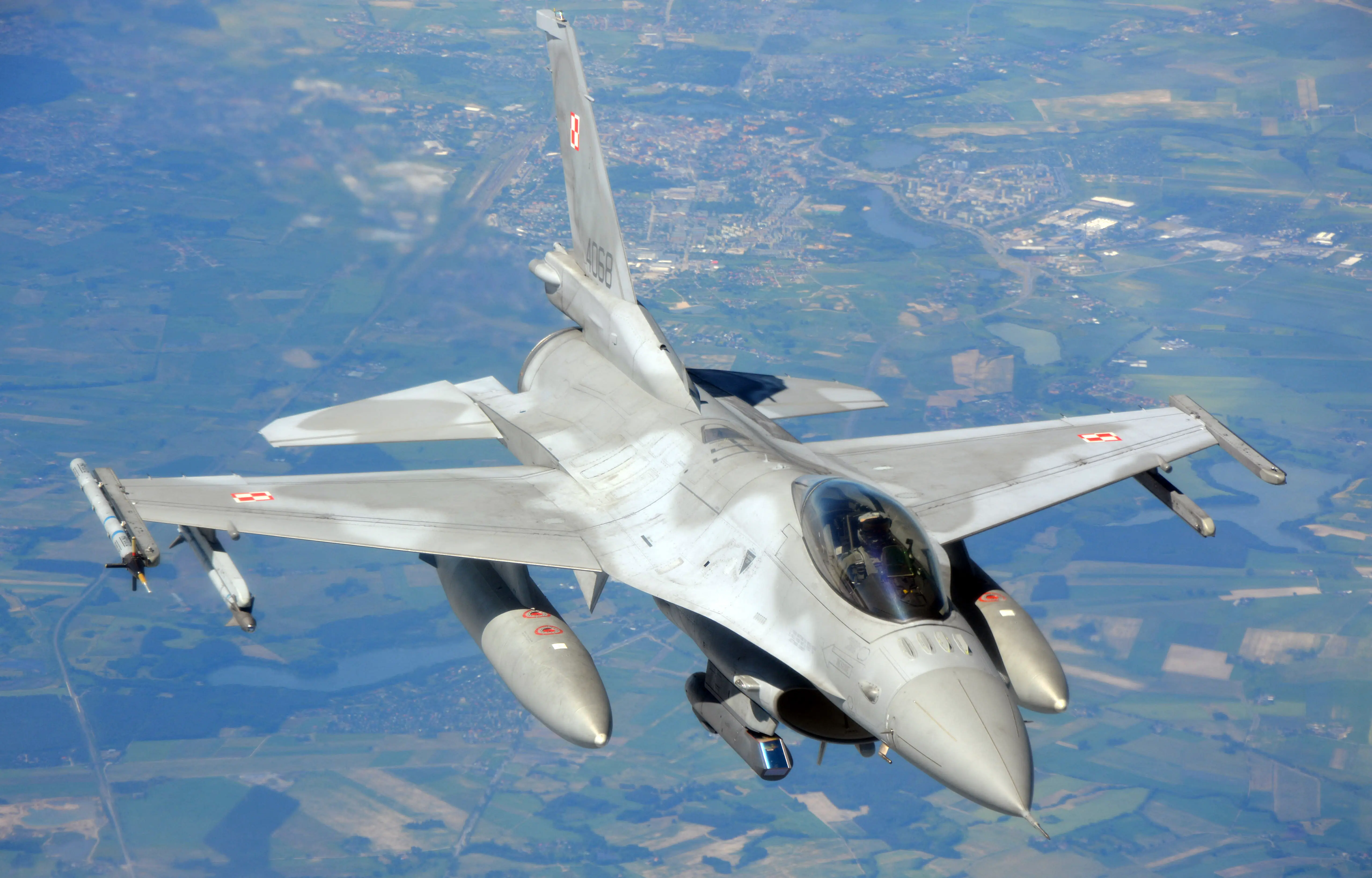
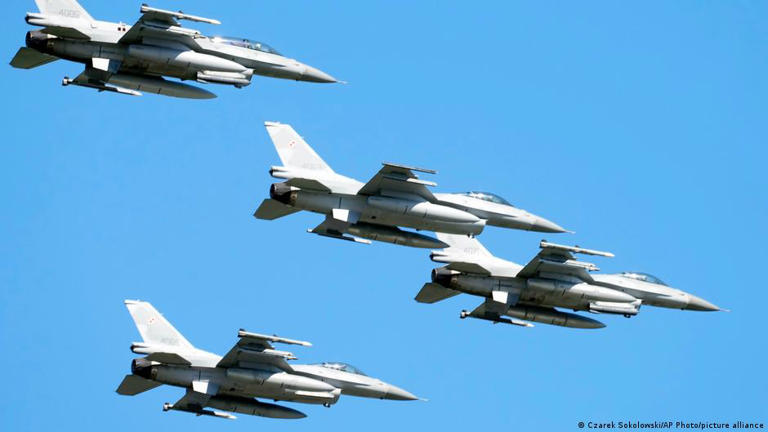
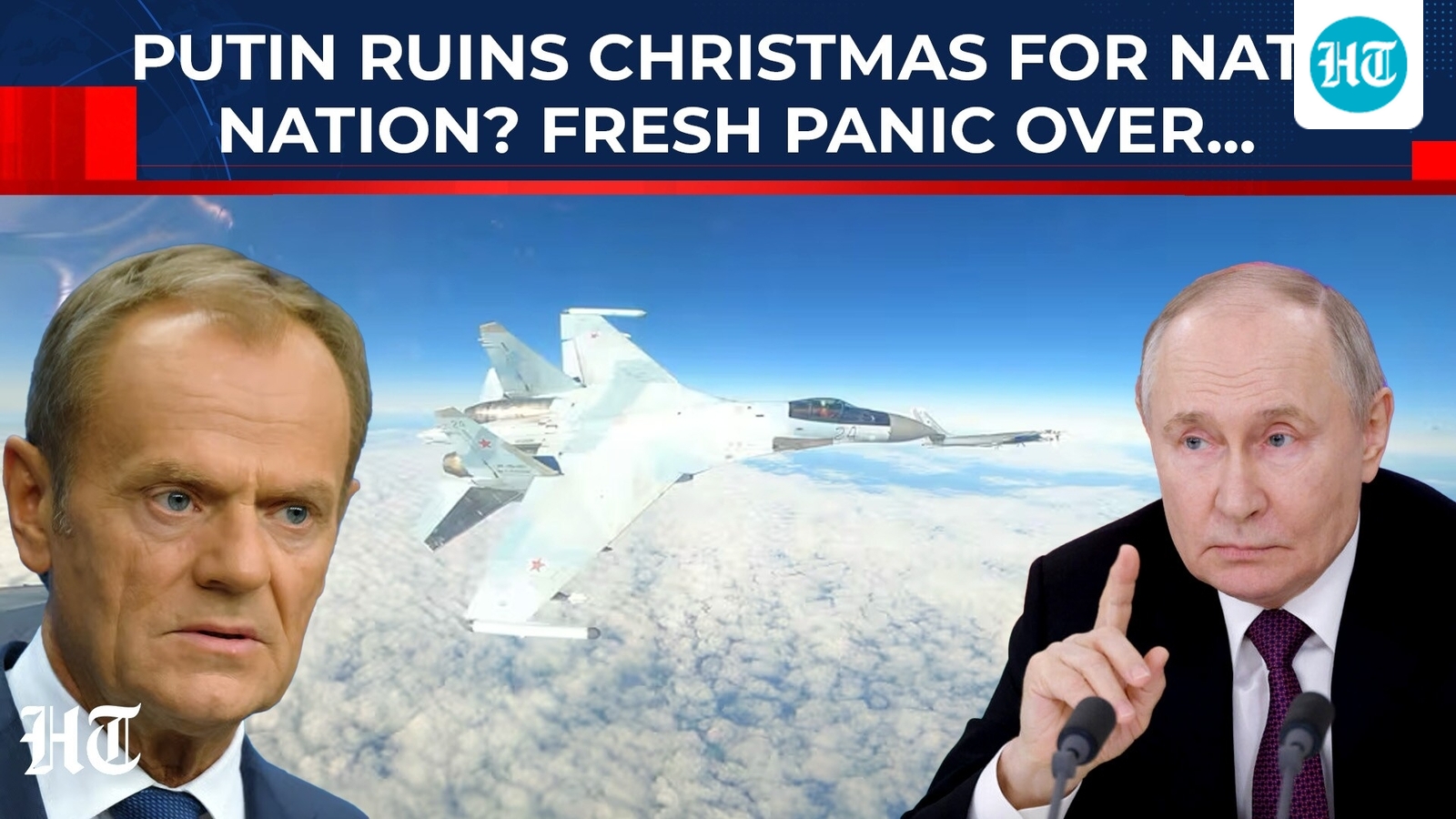
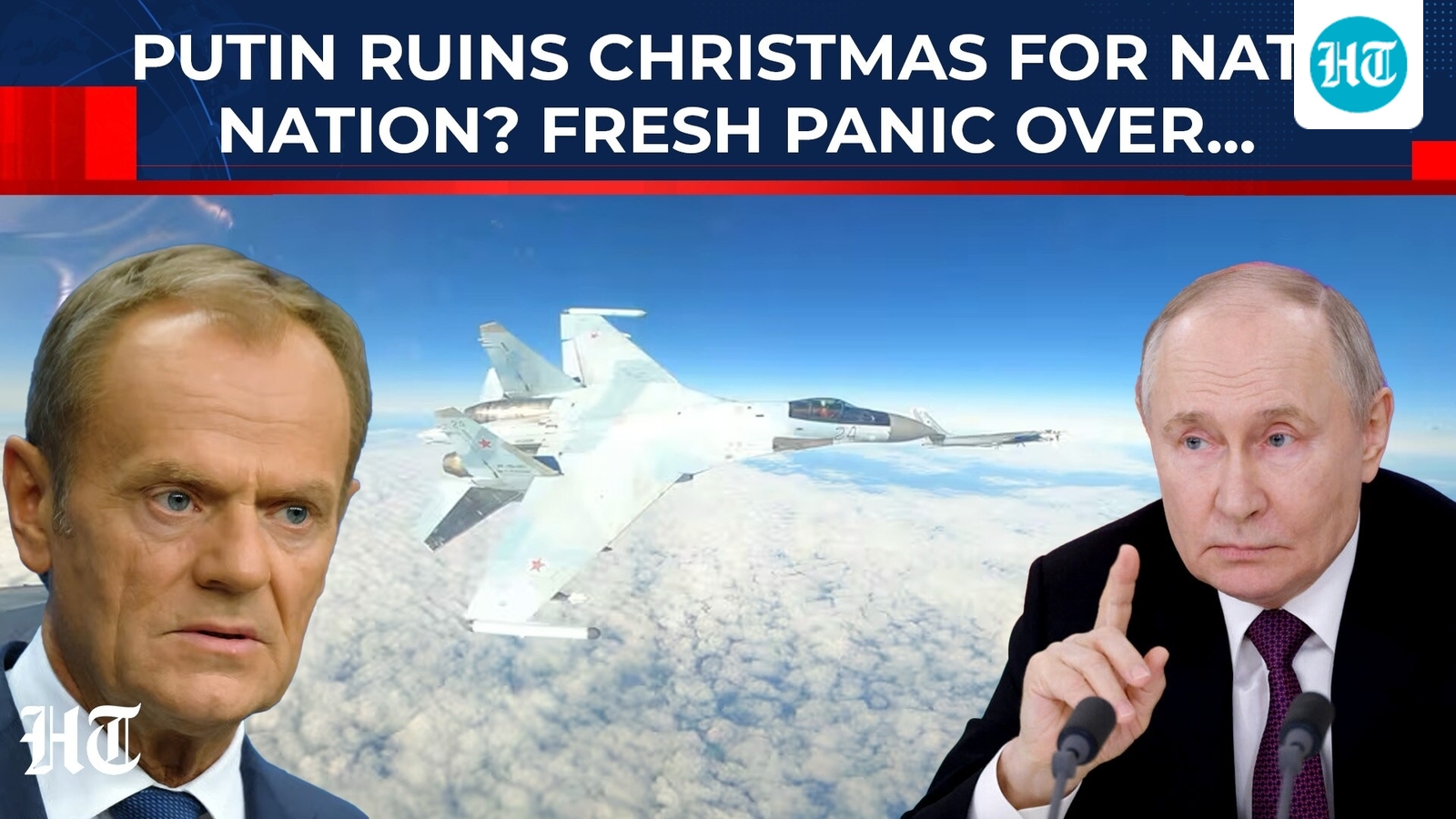
The escalating airspace confrontations between Poland, Russia, and Belarus are revealing a critical inflection point in regional security dynamics that carries profound implications for international trade and logistics infrastructure. On December 25, 2025, a series of calculated airspace breaches demonstrated the emerging strategic complexity of Eastern Europe's geopolitical landscape, where military provocations are increasingly weaponizing transportation corridors.
Strategic Provocation as Operational Disruption emerges as the key pattern. The Polish interception of a Russian reconnaissance aircraft, coupled with multiple unidentified objects entering Polish airspace, signals a deliberate strategy of testing territorial boundaries. Four suspected smuggling balloons and over 20 drone incursions suggest a systematic approach to creating operational uncertainty. For cross-border businesses, these aren't mere military maneuvers—they represent direct challenges to logistics predictability.
The economic warfare dimension is particularly noteworthy. By creating persistent uncertainty in airspace and border regions, these actions impose significant compliance and risk management burdens on international sellers. Increased military surveillance translates directly into potential shipping delays, heightened customs inspections, and dramatically more complex operational planning. The Podlaskie region's temporary airspace closure exemplifies how geopolitical tensions can instantaneously paralyze entire logistics networks.
NATO's Eastern Flank Vulnerability is becoming increasingly apparent. These incidents reveal a broader pattern of calculated territorial probing, where military activities are designed to test response mechanisms and create operational friction. For businesses operating in Poland, Belarus, and surrounding regions, this means developing far more sophisticated risk mitigation strategies that go beyond traditional logistics planning.
The strategic implication is clear: cross-border commerce in Eastern Europe now requires a geopolitical risk management approach that treats military and logistics infrastructures as deeply interconnected systems. Companies must develop adaptive strategies that can rapidly reconfigure supply chains in response to emerging regional tensions.
Questions 3
What are the key risk factors for businesses operating in Eastern European markets?
Primary risks include sudden logistics corridor disruptions, increased compliance requirements, potential shipment seizures, and the need for rapid supply chain reconfiguration in response to geopolitical tensions.
How do these airspace incidents impact cross-border e-commerce operations?
These incidents create significant operational uncertainties, potentially causing shipping delays, increased customs inspections, and requiring more complex logistics planning. Businesses must now factor in geopolitical risk assessments alongside traditional supply chain strategies.