



Taiwan's Political Powder Keg: Opposition's Strategic Impeachment Gambit Against President Lai
- Unprecedented Political Maneuver Exposes Deep Governance Fractures in Taiwan's Democratic System












Overview
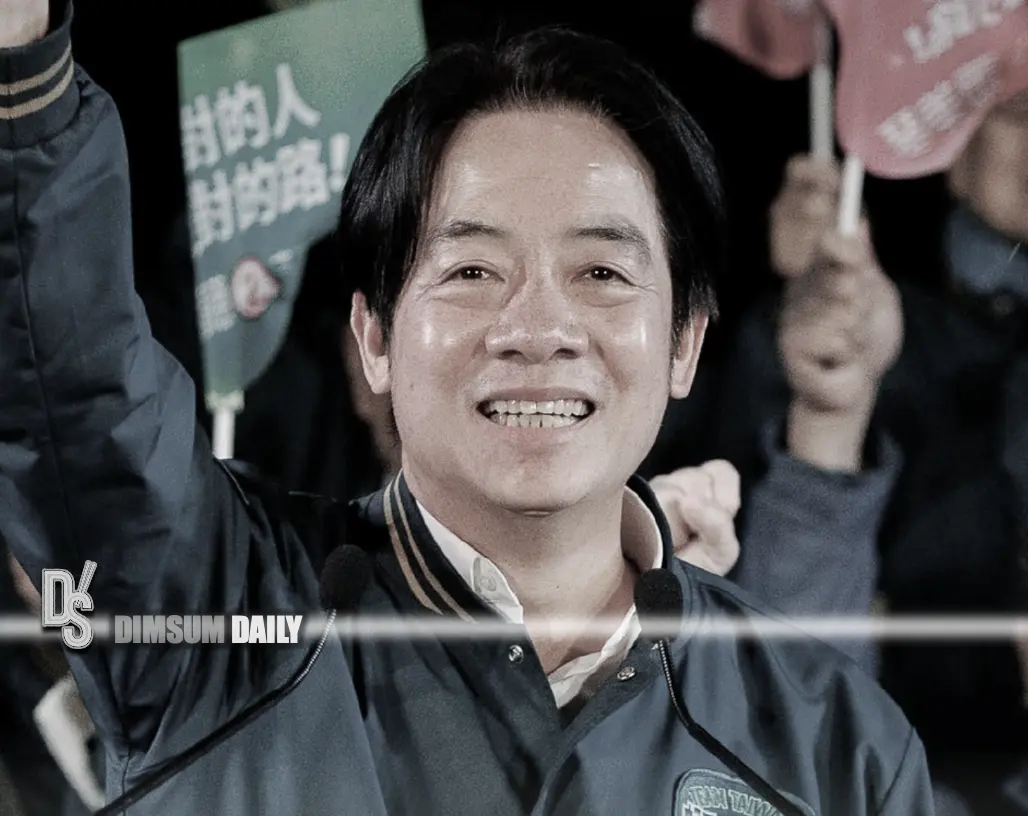
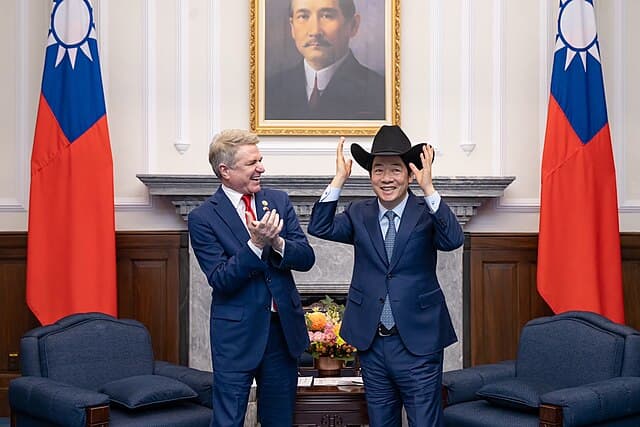
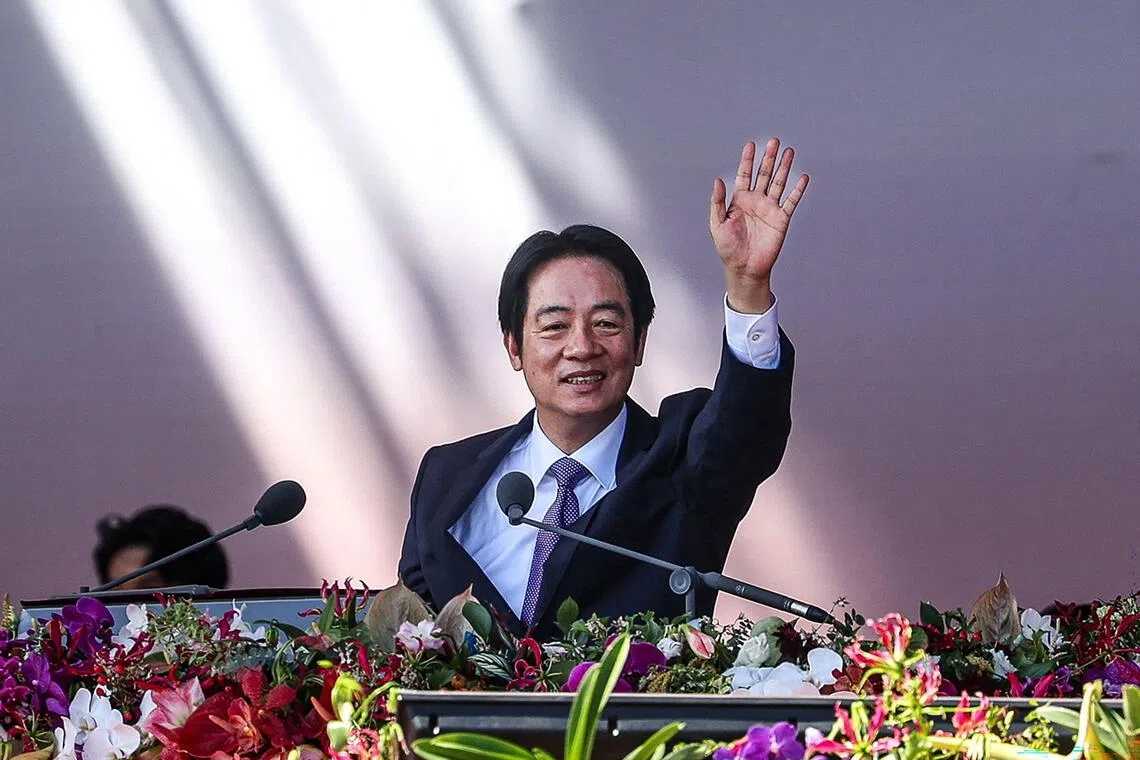
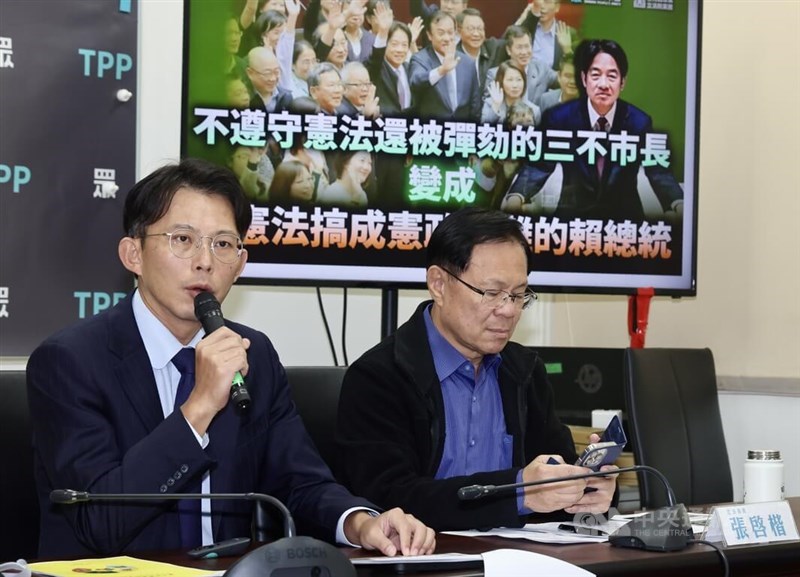
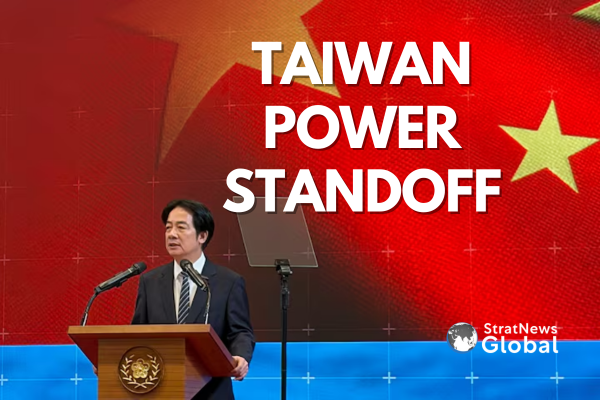
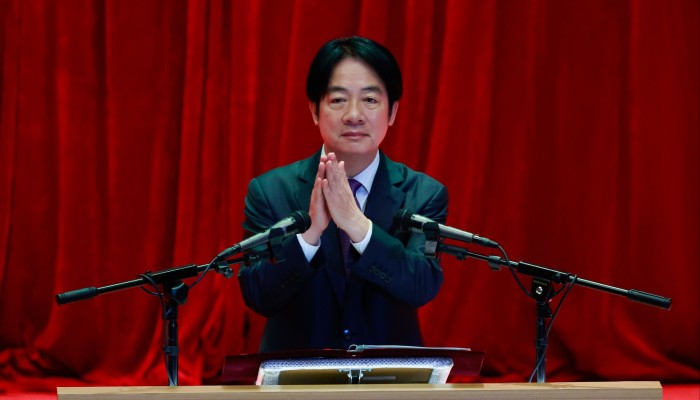
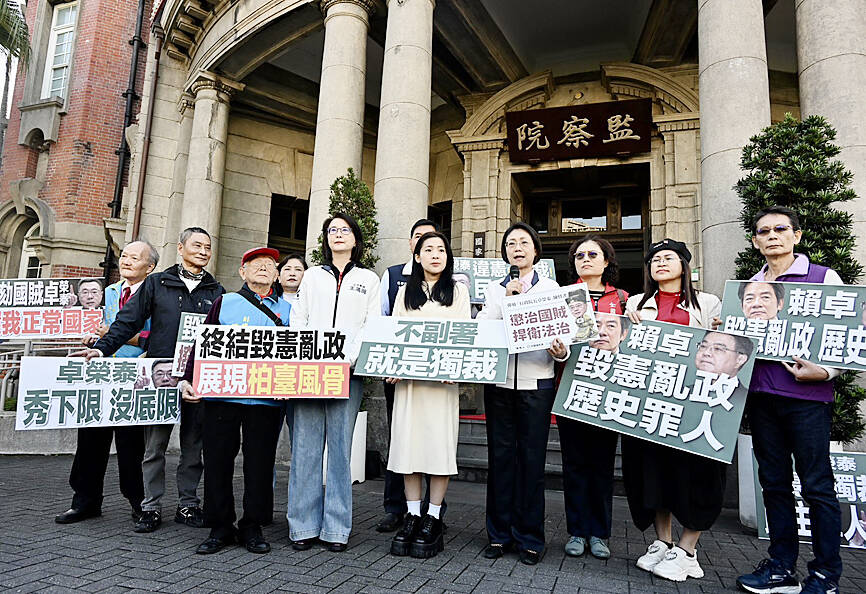
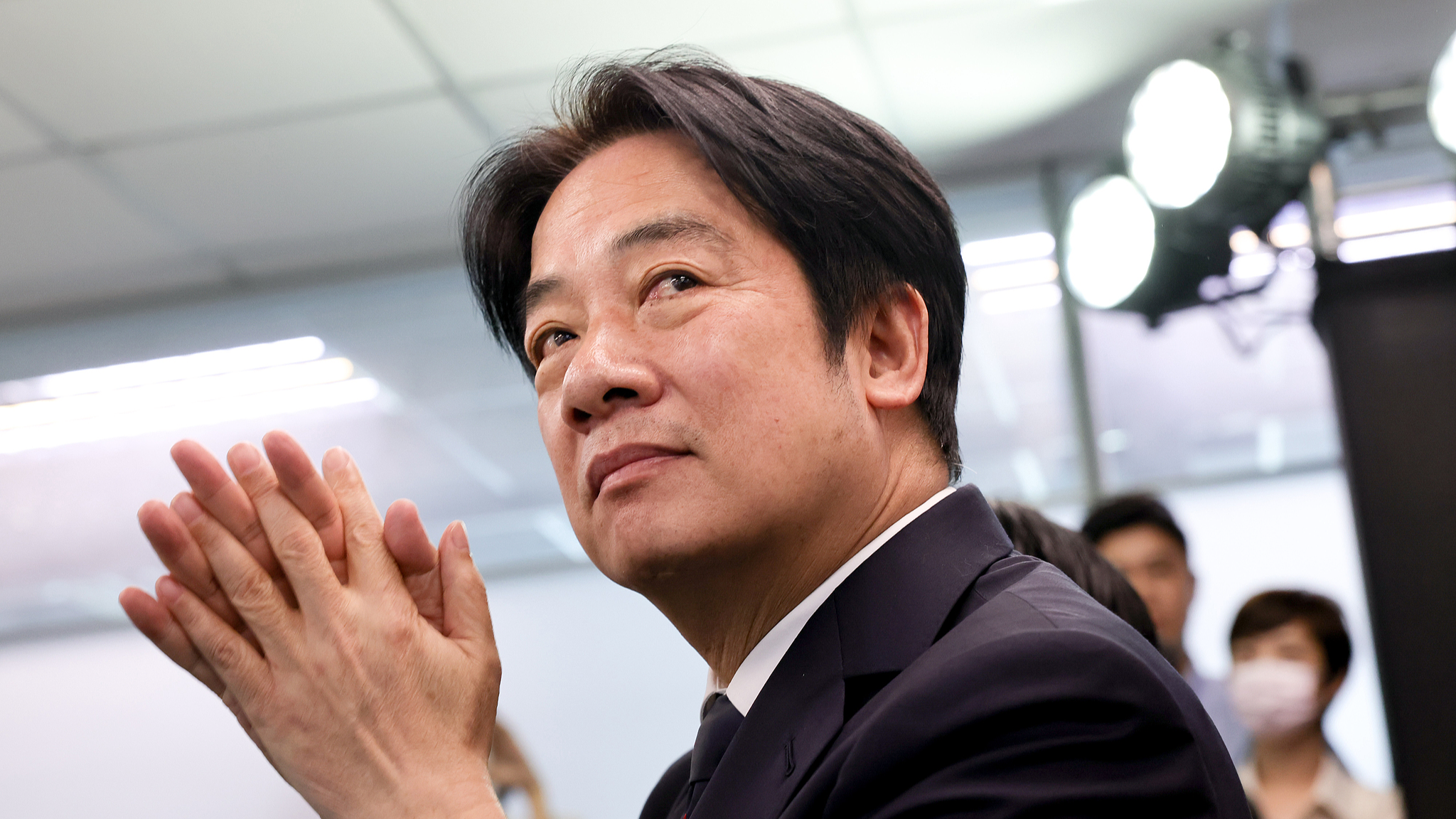
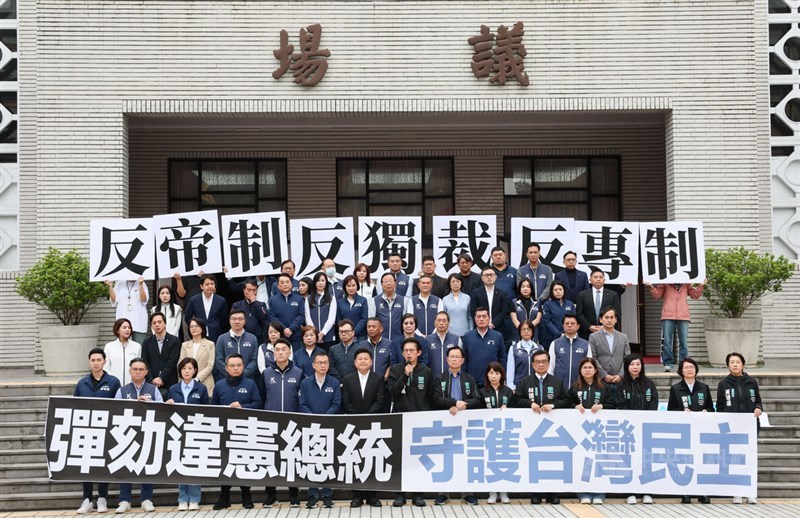
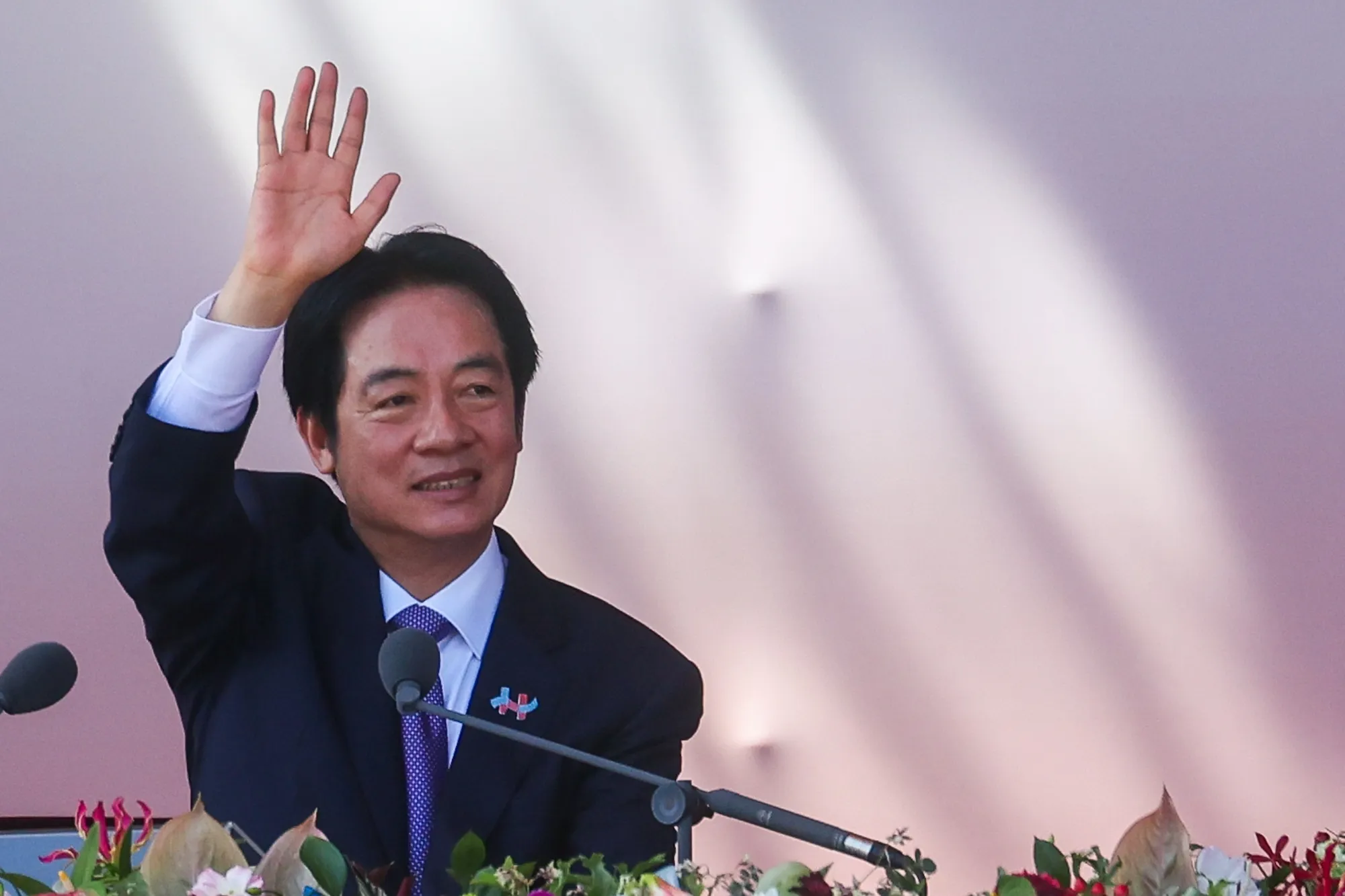
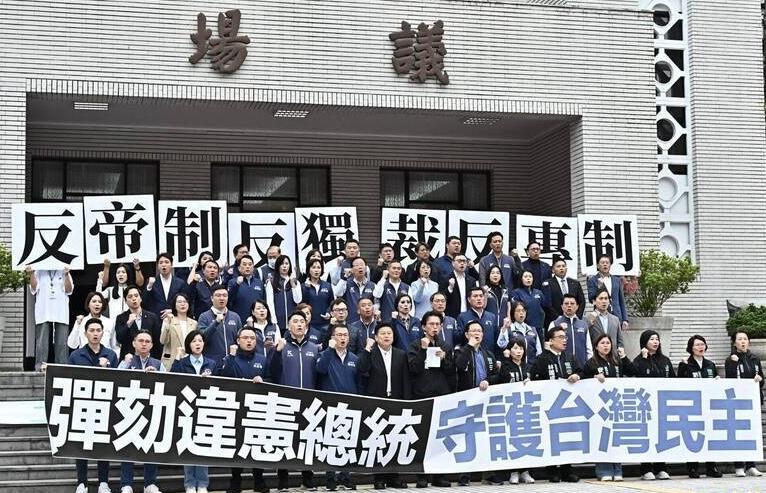
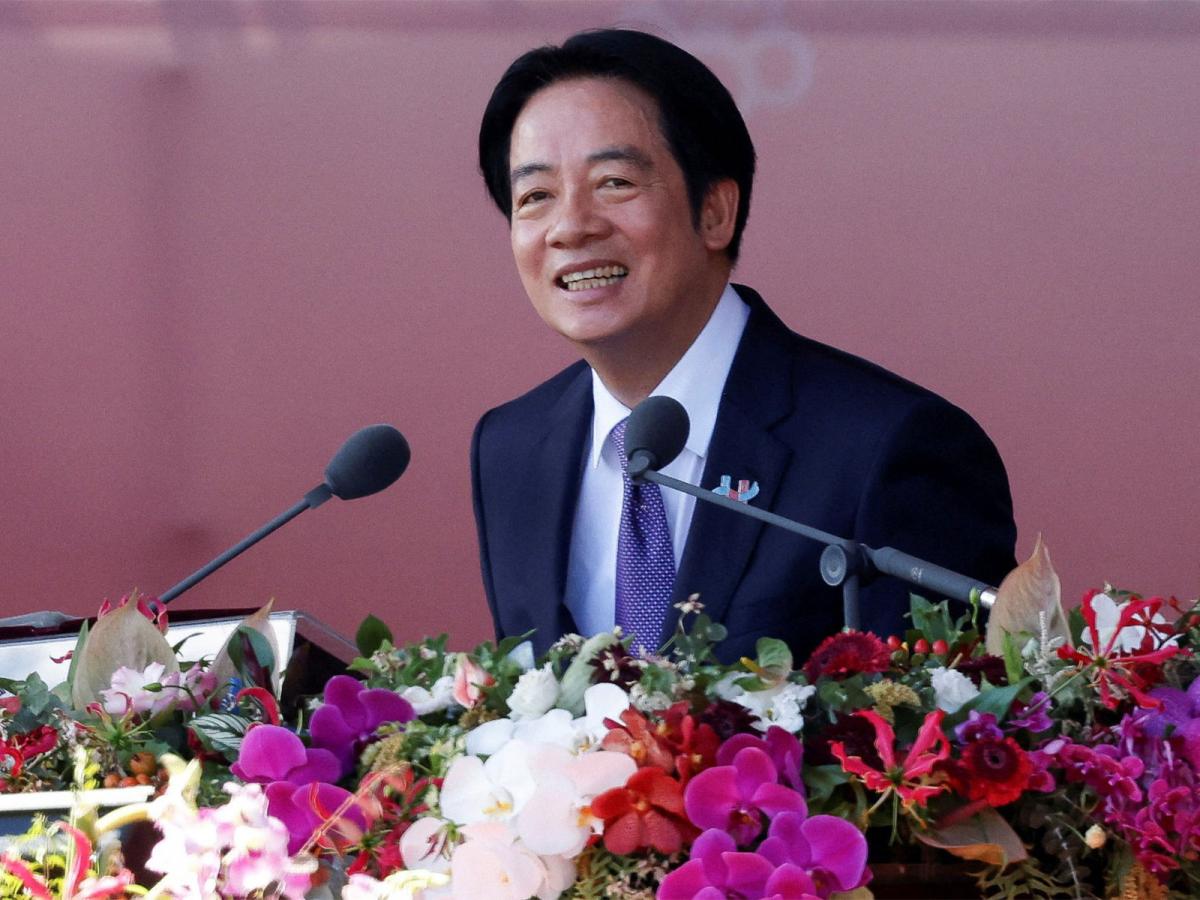
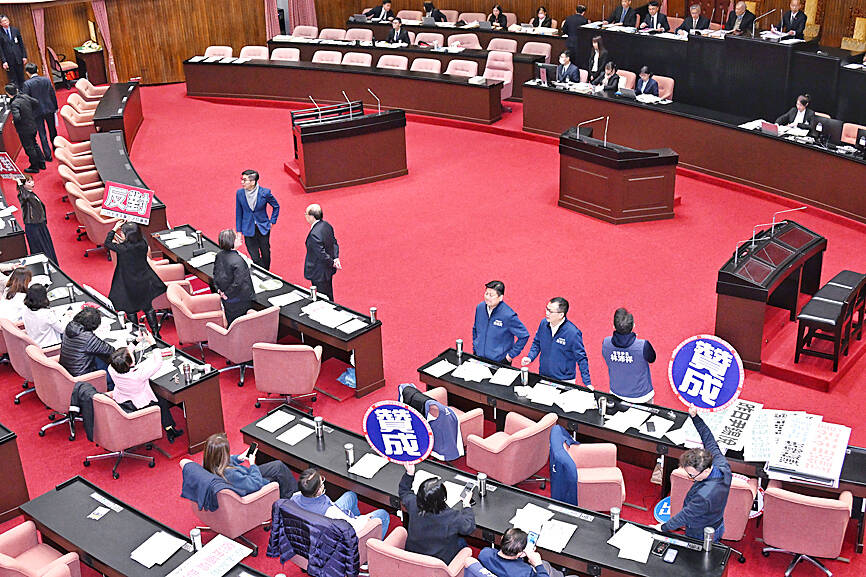
The Taiwanese political landscape is experiencing a seismic shift as opposition parties launch a calculated impeachment campaign against President William Lai, revealing deep structural tensions in the island's democratic governance. On December 26, 2025, the legislature initiated an extraordinary impeachment process with a 60-51 vote, signaling a profound challenge to presidential authority that extends far beyond a typical political confrontation.
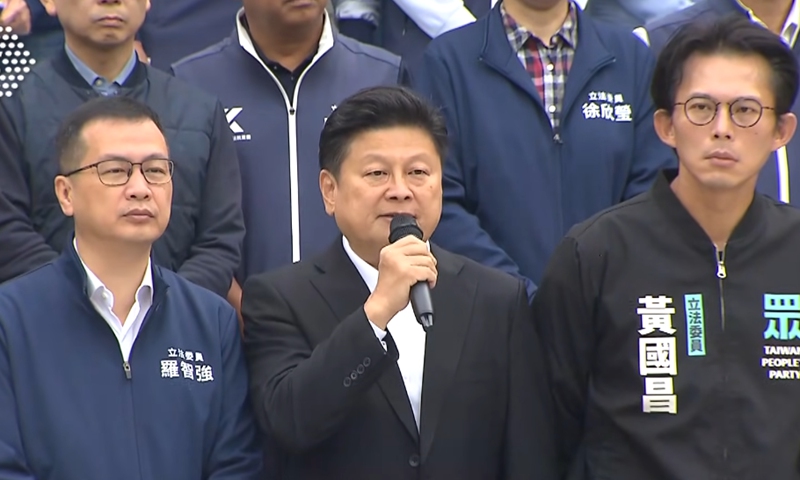
The impeachment effort, while unlikely to succeed, represents a strategic political maneuver by the Kuomintang (KMT) and Taiwan People's Party (TPP) to destabilize the current administration. Despite lacking the two-thirds majority required for removal, these opposition parties have effectively weaponized constitutional mechanisms to challenge President Lai's leadership. The planned May 19 roll-call vote and preliminary hearings in January demonstrate a meticulously planned political strategy designed to undermine the Democratic Progressive Party's governance.
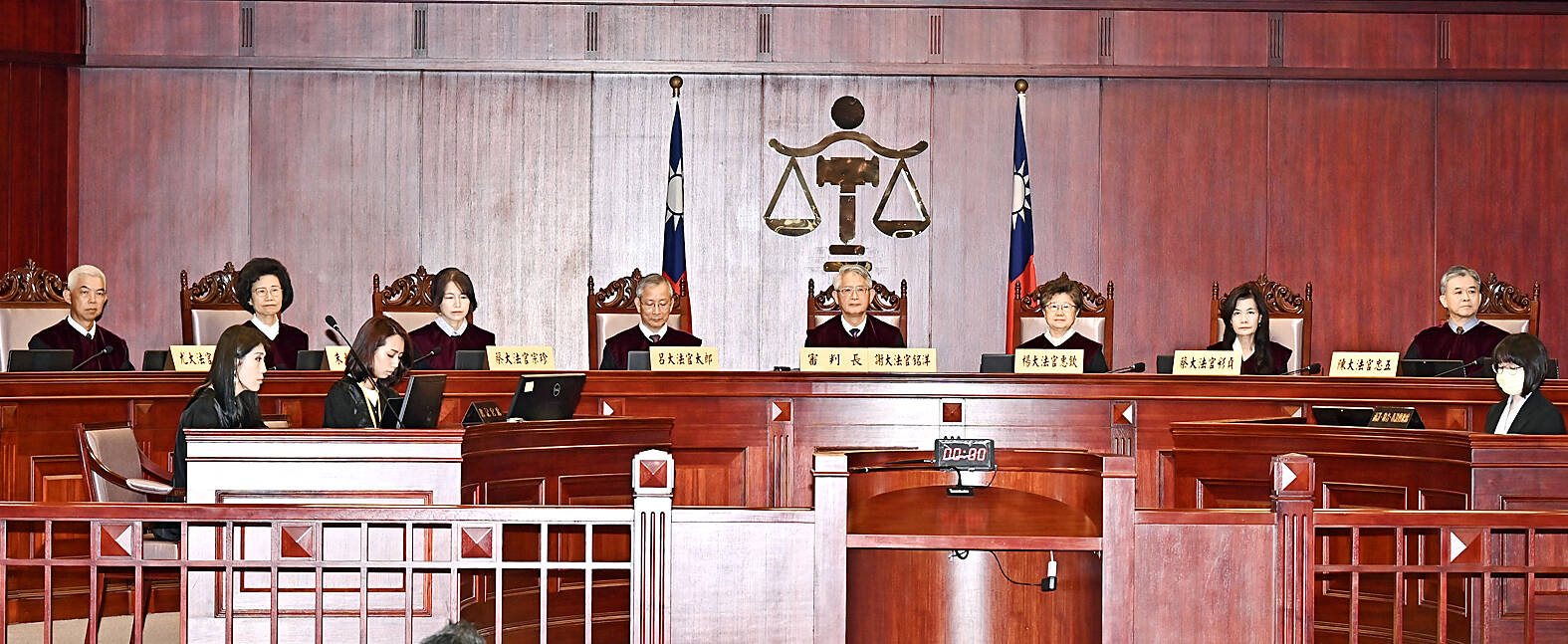
What makes this development particularly significant is the underlying systemic dysfunction. President Lai's party has lost its legislative majority despite winning an unprecedented third consecutive presidential term, creating a governance gridlock that has stalled critical processes like budget approvals and defense spending. Constitutional law experts describe this as an unprecedented attempt to "humiliate the president" and expose deeper systemic challenges in Taiwan's political infrastructure.
For international observers and cross-border businesses, this political uncertainty creates a complex risk landscape. The impeachment process introduces short-term market volatility and potentially impacts investor confidence. Companies operating in or targeting Taiwan must now develop more nuanced risk management strategies that account for these intricate political dynamics. The broader geopolitical context—including complex cross-strait relations—adds another layer of complexity to this already volatile situation.
Ultimately, this impeachment campaign symbolizes more than a simple political challenge. It represents a critical moment in Taiwan's democratic evolution, where institutional mechanisms are being tested, and the boundaries of political competition are being dramatically redefined. The outcome will likely have far-reaching implications for governance, political discourse, and regional stability.
Questions 3
Why is this impeachment attempt considered more symbolic than substantive?
While the opposition controls the legislature, they lack the supermajority required for successful impeachment. Experts view this as a strategic political maneuver designed to challenge the president's authority and expose governance challenges, rather than a realistic attempt to remove Lai from office.
How might this impeachment process impact international business and investment in Taiwan?
The political uncertainty creates potential short-term market volatility. Businesses must develop more adaptive risk management strategies, closely monitor political developments, and potentially reassess market entry approaches to navigate the complex political landscape.