



Iran Political Crisis 2025 | Cross-Border Sellers Face Supply Chain & Market Access Risks
- Geopolitical tensions threaten Iran-US trade routes; 20K+ estimated casualties signal market instability affecting electronics, textiles, and consumer goods sourcing from Middle East

























概览
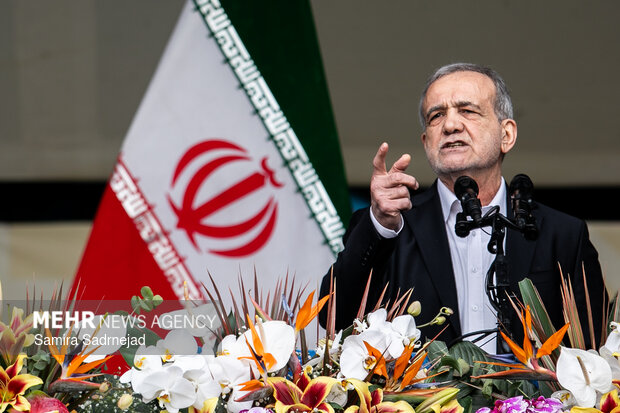
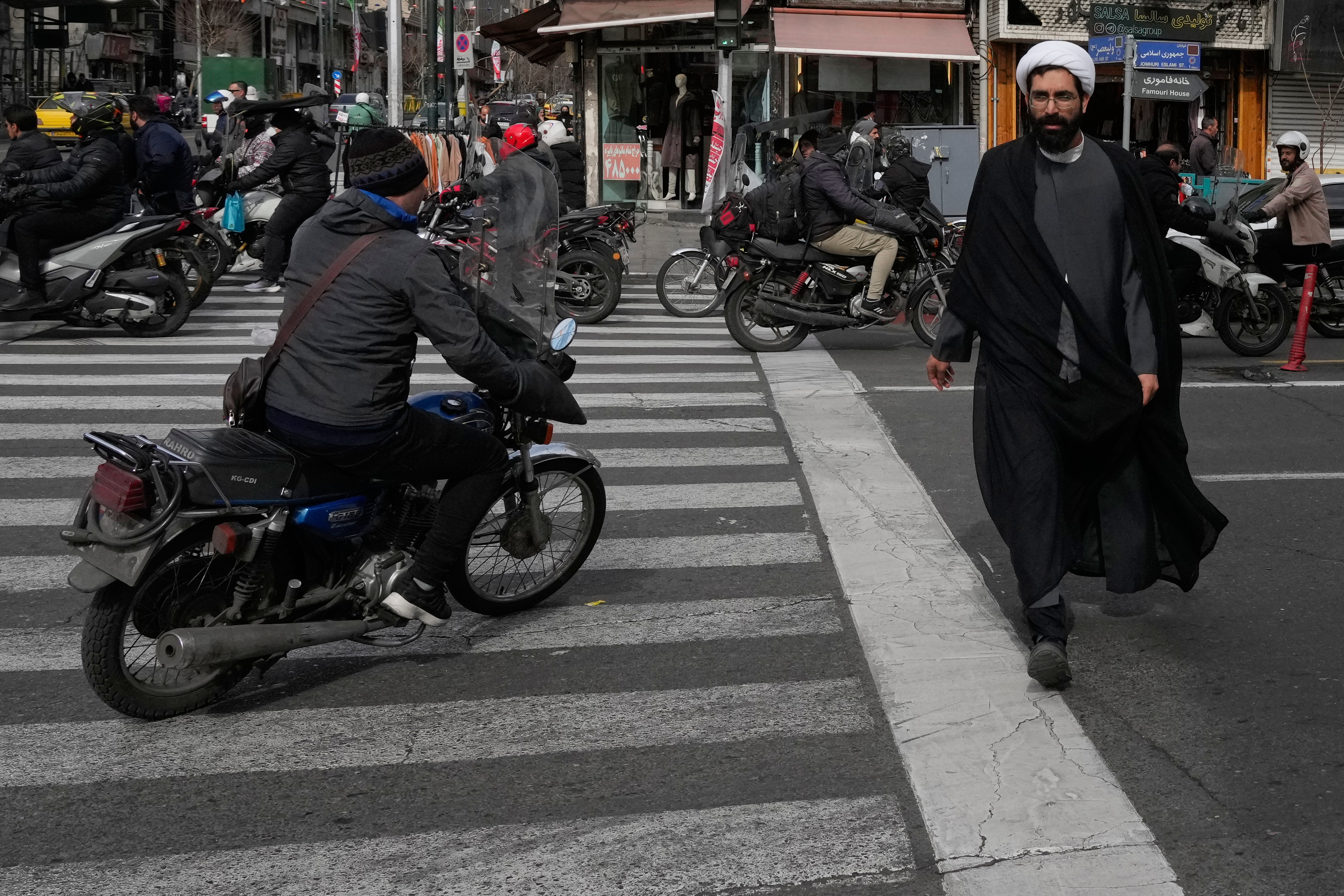
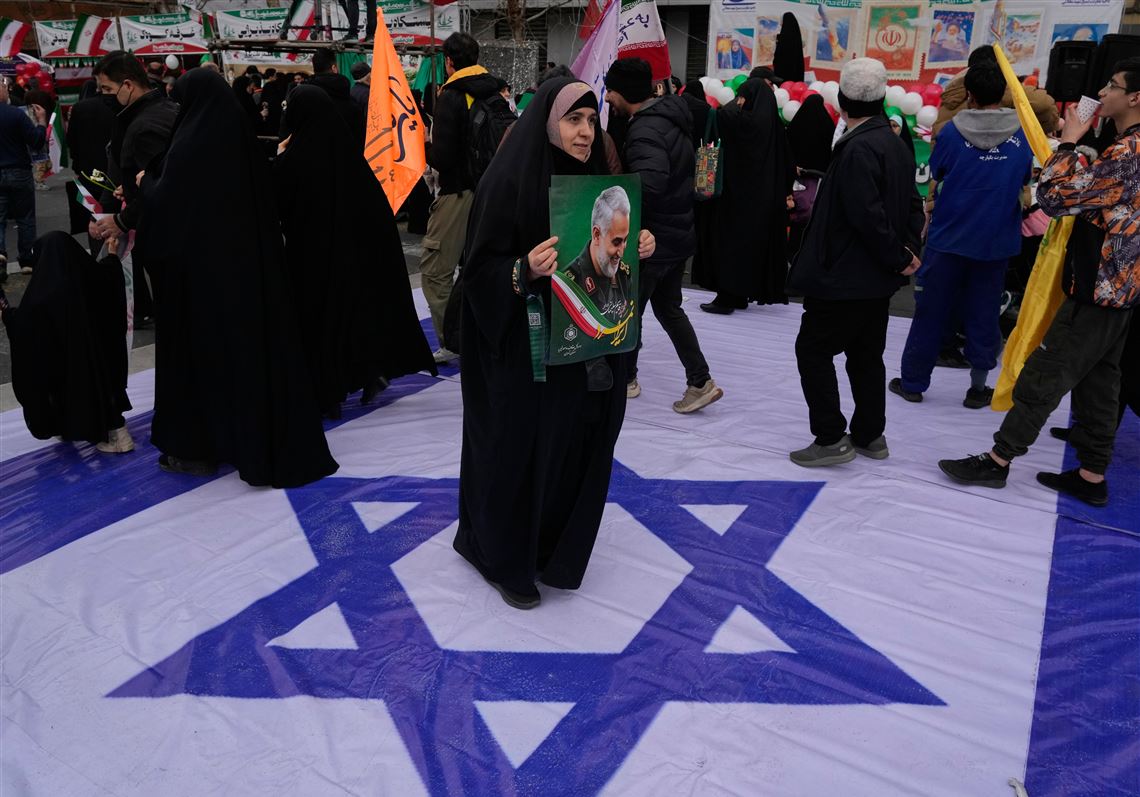
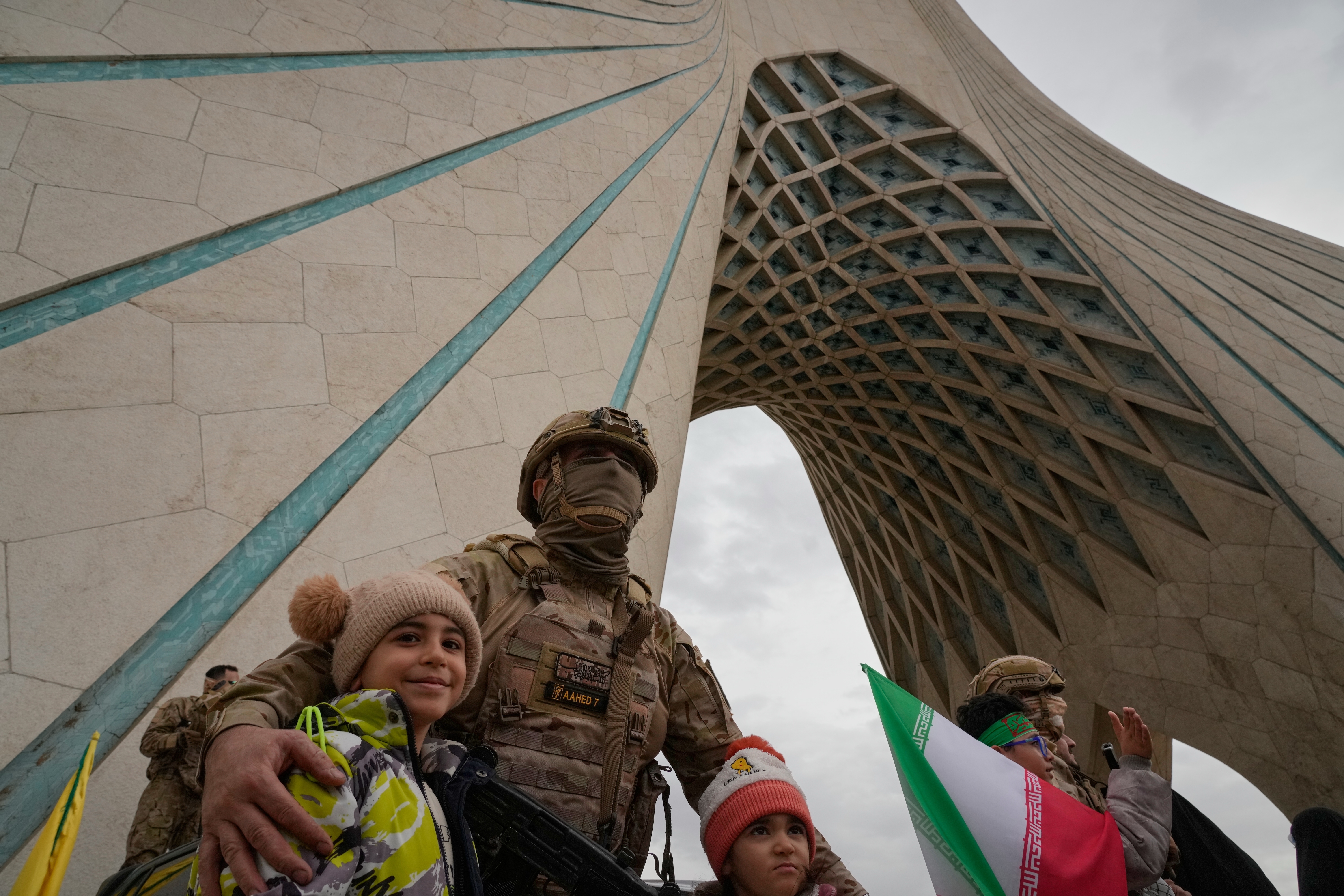
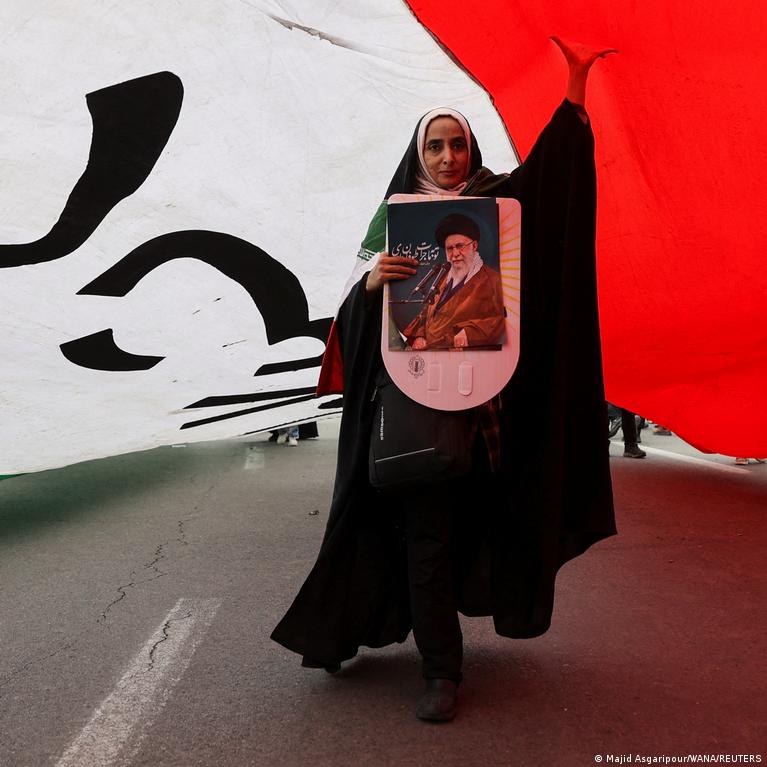
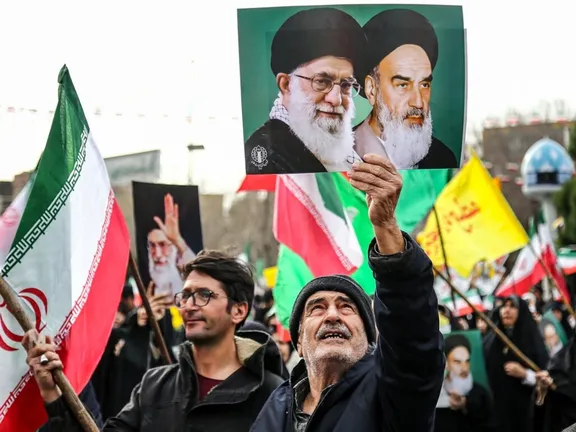
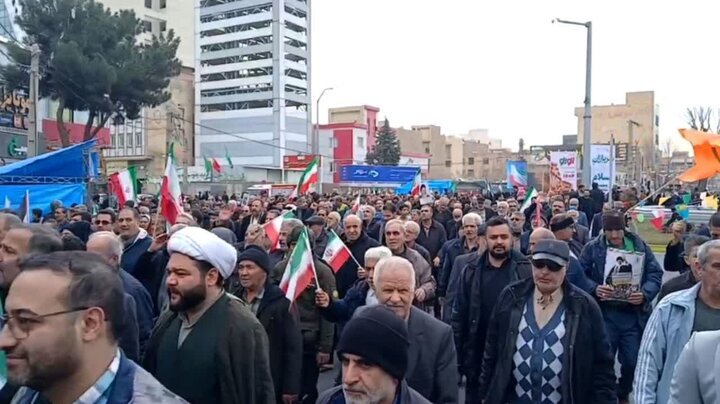
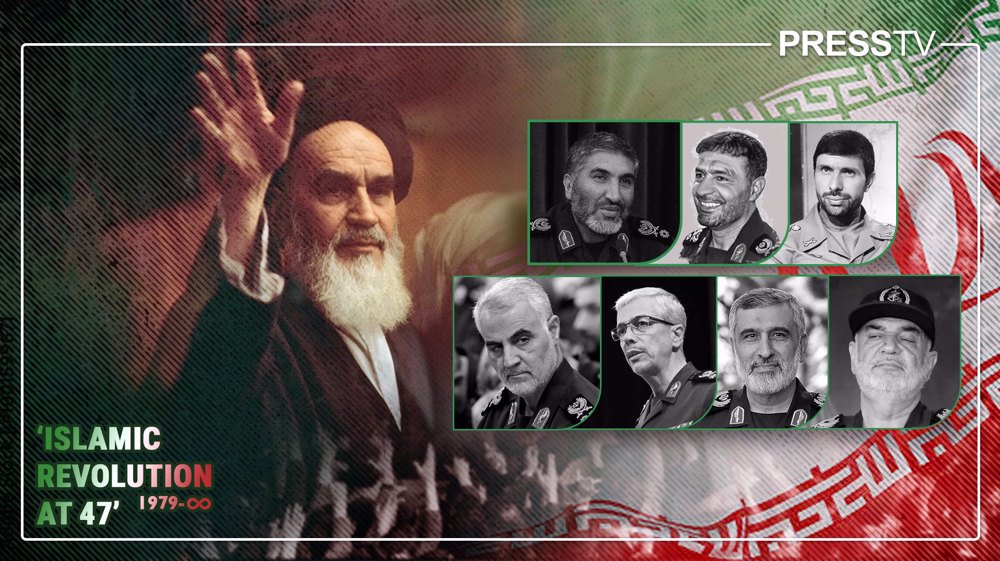
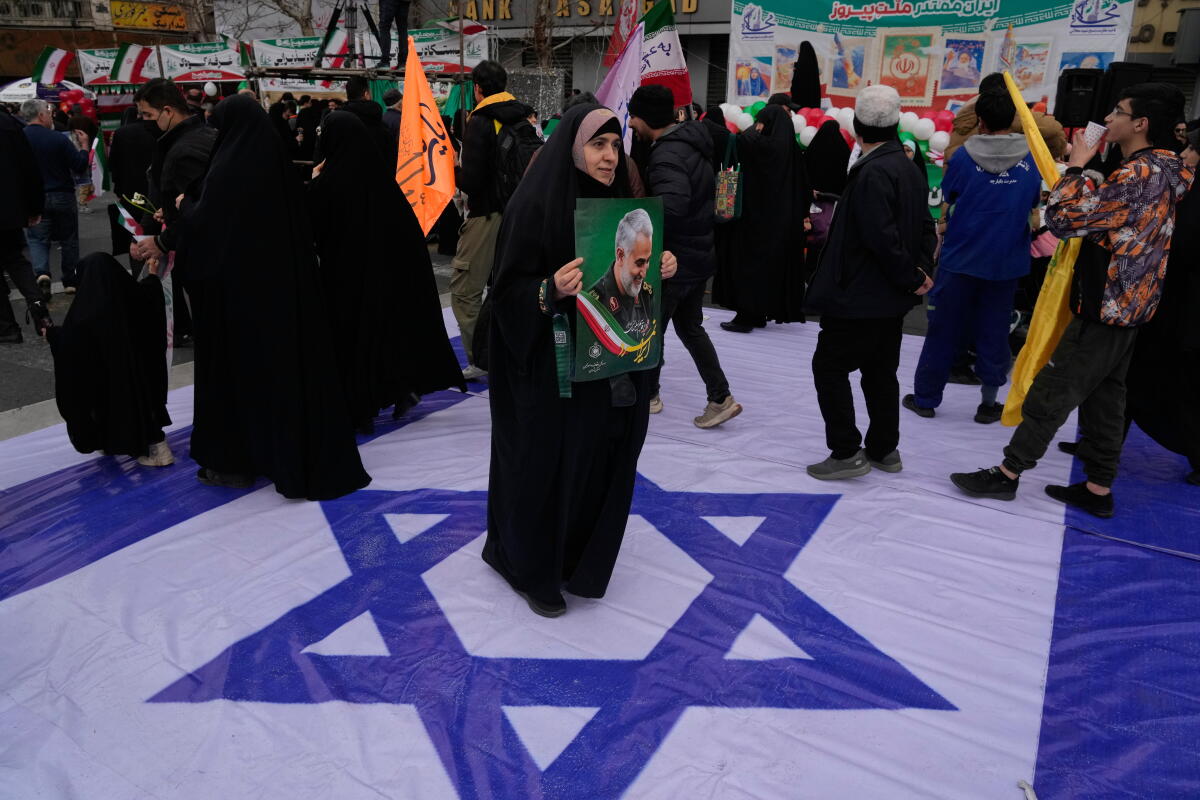
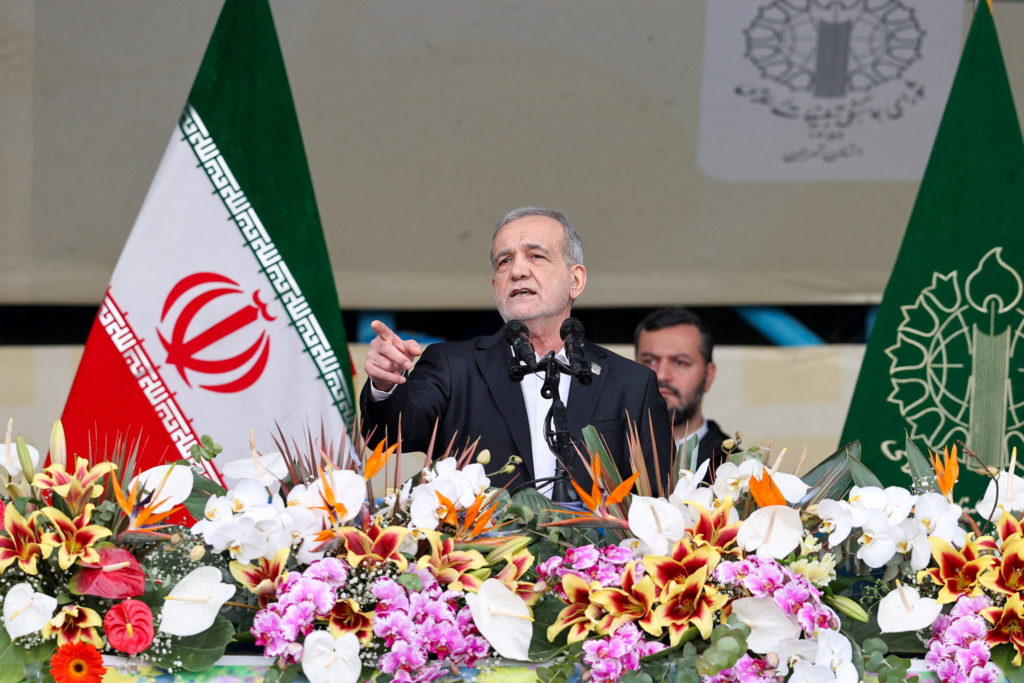
Iran's escalating political tensions following the 1979 Islamic Revolution commemorations—marked by 20,000+ estimated civilian casualties according to UN sources versus Iran's official 3,117 figure—create significant operational and market risks for cross-border e-commerce sellers. The heightened geopolitical confrontation between Iran, the US, and Israel, combined with internal security crackdowns characterized as "sedition" suppression, directly impacts three critical seller segments: (1) suppliers sourcing electronics, textiles, and petrochemicals from Iran or the broader Middle East region; (2) sellers targeting Iranian consumers through international marketplaces; and (3) logistics providers managing shipments through the Persian Gulf and Suez Canal corridors.
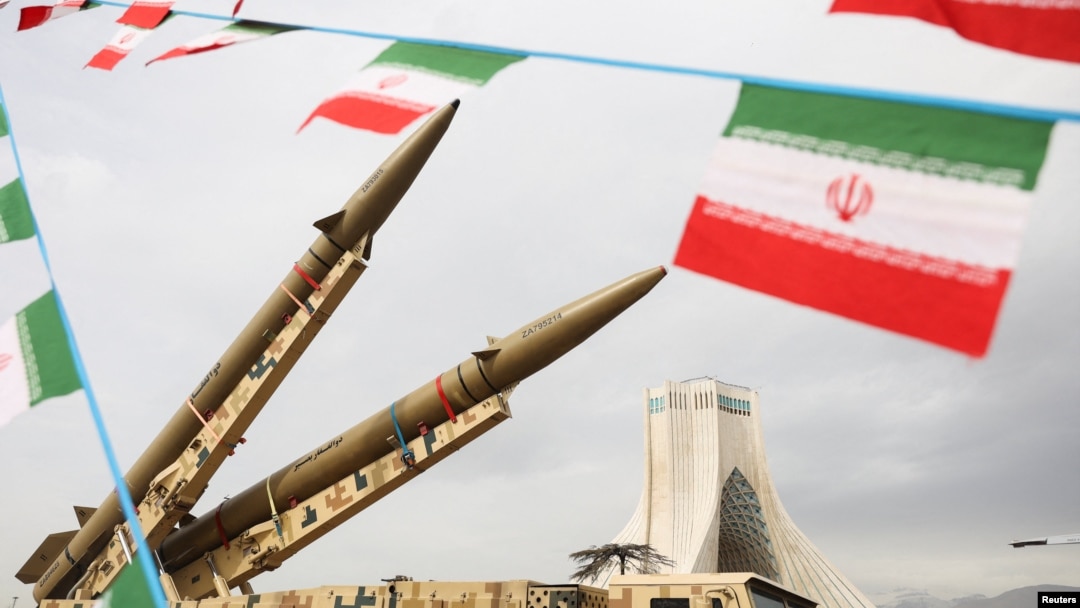
Supply Chain Vulnerability: Iran's manufacturing sector—particularly electronics components, carpets, and chemical products—faces operational disruption due to internal security concerns and potential military escalation. The UN Human Rights Council resolution condemning extrajudicial executions signals international scrutiny that may trigger additional sanctions or trade restrictions. Sellers relying on Iranian suppliers for components or finished goods should expect 15-30% cost increases and 4-8 week delays as manufacturers prioritize domestic security over export operations. The 12-day military conflict referenced in the news indicates potential for rapid escalation, which historically triggers 20-40% shipping cost spikes through Middle Eastern corridors.
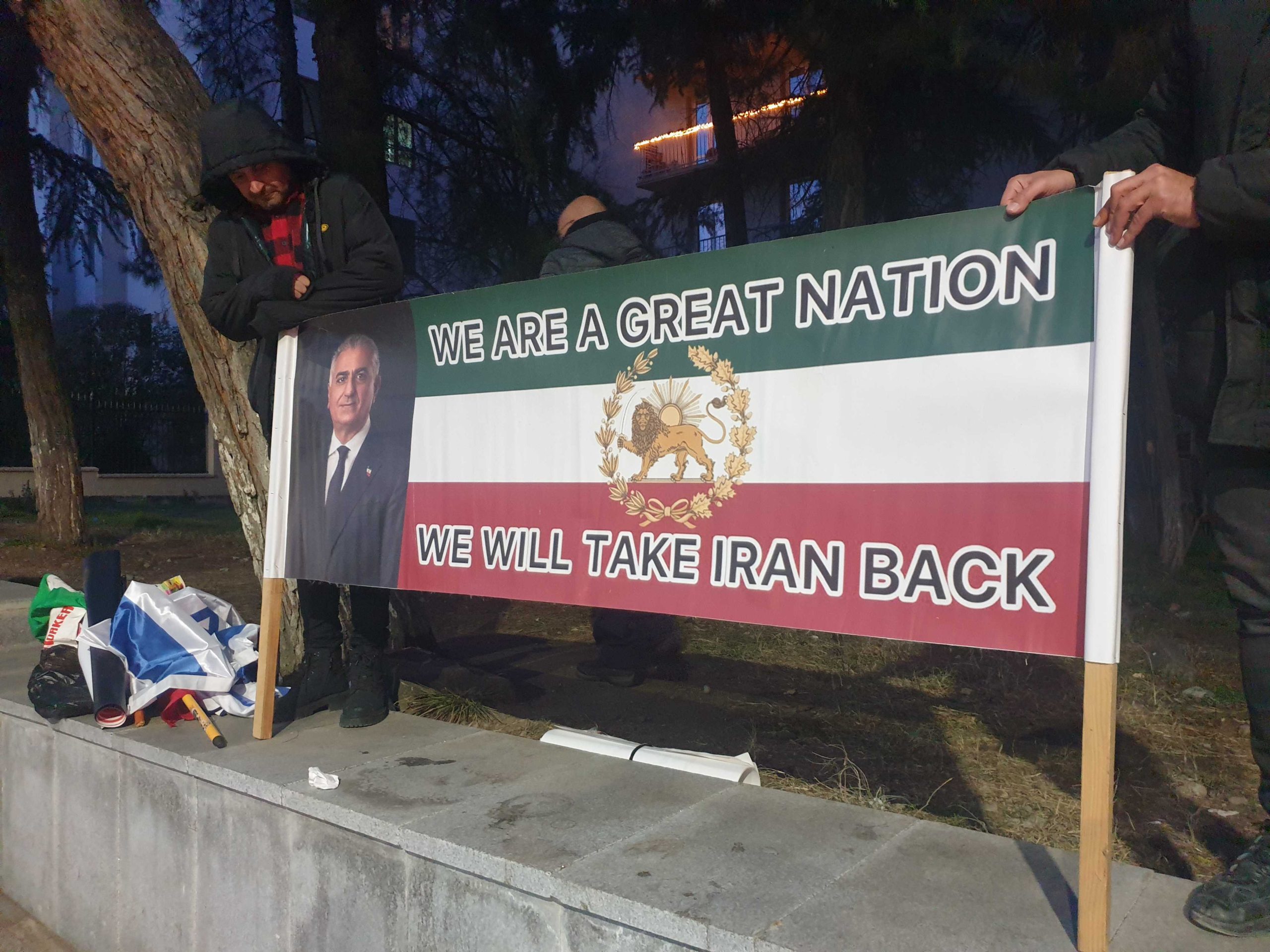
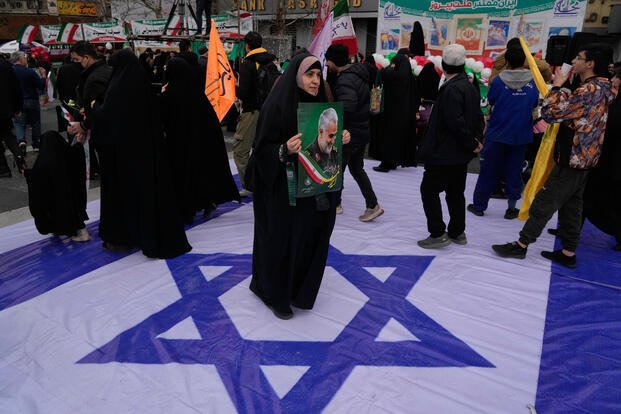
Market Access Challenges: The anti-American and anti-Israeli rhetoric, combined with state media framing of protests as "foreign-orchestrated sedition," suggests potential restrictions on US and Israeli company operations within Iran. Sellers operating through Amazon, eBay, or Shopify targeting Iranian consumers face increased compliance complexity. Payment processing through international gateways may face delays or rejections due to existing US sanctions frameworks. The competing anti-government chants in Tehran indicate internal market fragmentation—consumer purchasing power may decline 10-20% as households redirect spending toward security and survival needs rather than discretionary e-commerce purchases.
Logistics Route Disruption: Heightened military tensions increase insurance premiums (typically 8-15% surcharges) for shipments through the Persian Gulf and Strait of Hormuz. Alternative routing through the Suez Canal adds 7-10 days and 12-18% cost increases. Sellers shipping electronics, machinery, or high-value goods should diversify routing strategies and increase inventory buffers by 20-30% to absorb potential 2-3 week delays.
Immediate Actions: Monitor OFAC sanctions updates weekly; contact suppliers for contingency plans; review insurance coverage for geopolitical risk; consider inventory repositioning away from Iran-dependent supply chains within 30 days.
問題 8
How will Iran's internal security crackdowns affect consumer purchasing power on international marketplaces?
The reported 20,000+ civilian casualties and state characterization of protests as 'sedition' indicate significant internal market disruption. Consumer purchasing power typically declines 10-20% during political crises as households redirect spending toward security and survival needs rather than discretionary e-commerce purchases. Sellers targeting Iranian consumers should expect reduced conversion rates and lower average order values through Amazon, eBay, or Shopify. Payment processing delays may increase due to international sanctions compliance. Sellers should monitor Iranian marketplace activity metrics and consider temporary inventory reallocation toward more stable geographic markets. Expect 30-60 day recovery period if military escalation is avoided.
What shipping route alternatives should sellers use if Persian Gulf routes become unstable?
The heightened military tensions in Iran increase insurance premiums 8-15% for Persian Gulf and Strait of Hormuz shipments. Alternative routing through the Suez Canal adds 7-10 days transit time and 12-18% cost increases. Sellers should diversify routing strategies and increase inventory buffers by 20-30% to absorb potential 2-3 week delays. For time-sensitive electronics or machinery shipments, consider air freight (40-60% premium) or rerouting through alternative Middle Eastern ports like Dubai or Oman. Monitor geopolitical developments weekly and maintain relationships with multiple 3PL providers offering flexible routing options.