



European Trade Bloc Fragmentation | Poland, Italy Reject Trump Board, Reshaping Global Supply Chain Alliances
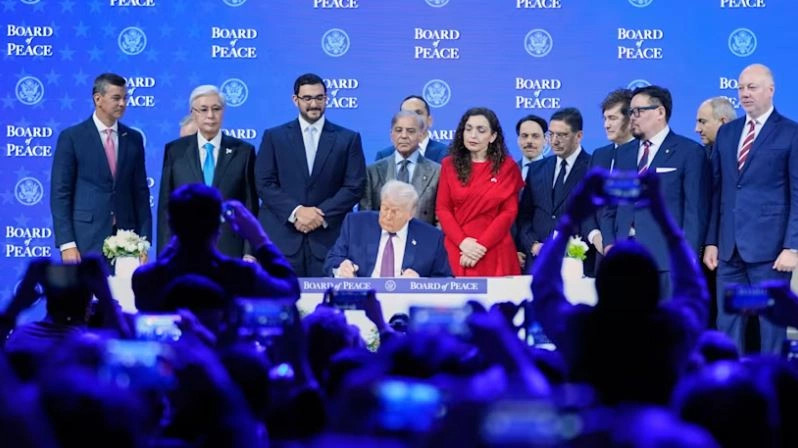
- Western European nations decline participation in Trump's Board of Peace (Feb 2026), signaling institutional protectionism that could reshape tariff negotiations, trade agreements, and supply chain routing for cross-border sellers
















概览
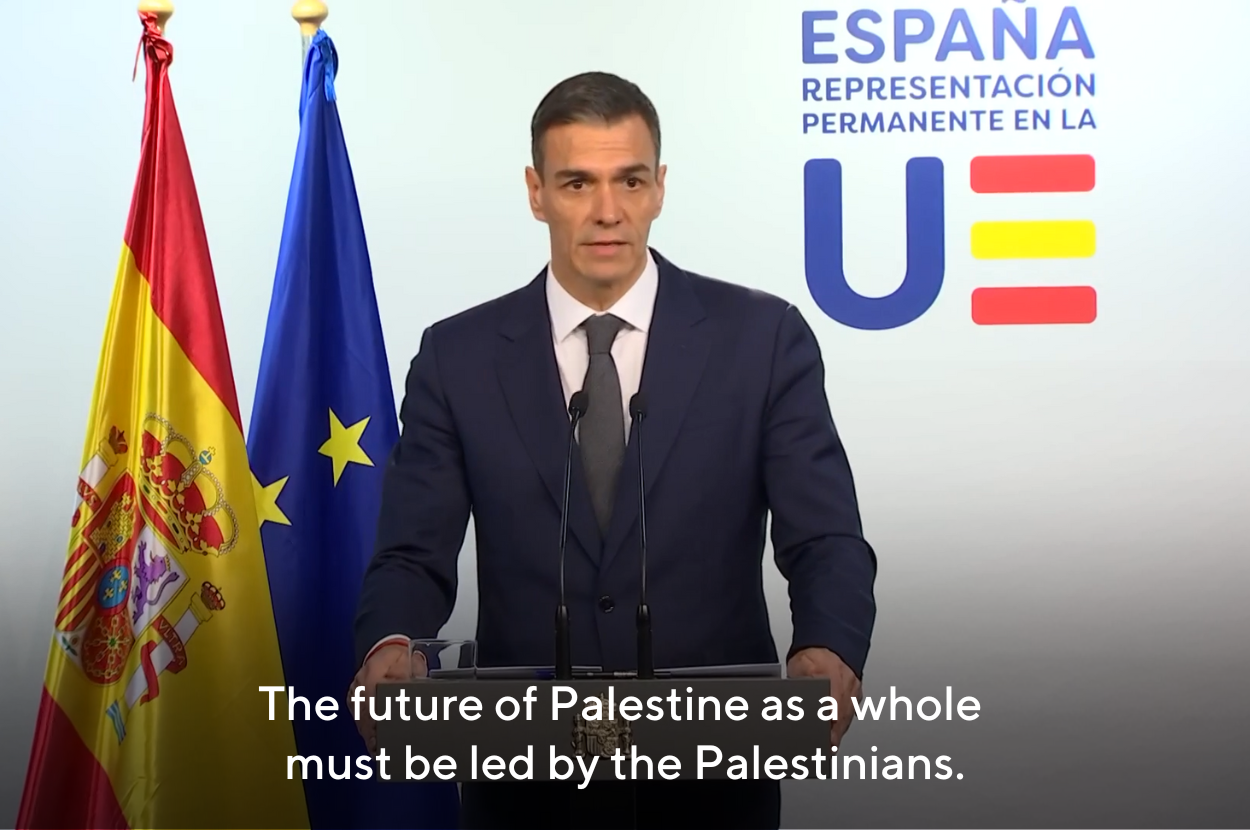
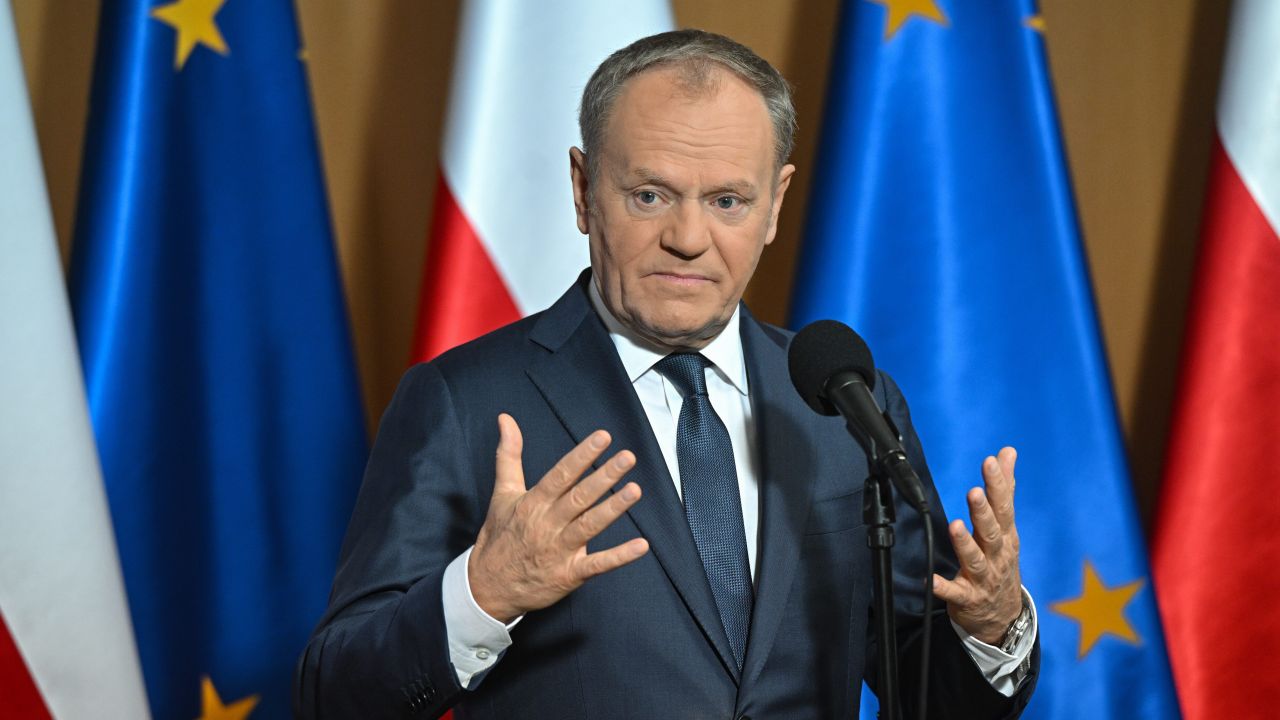
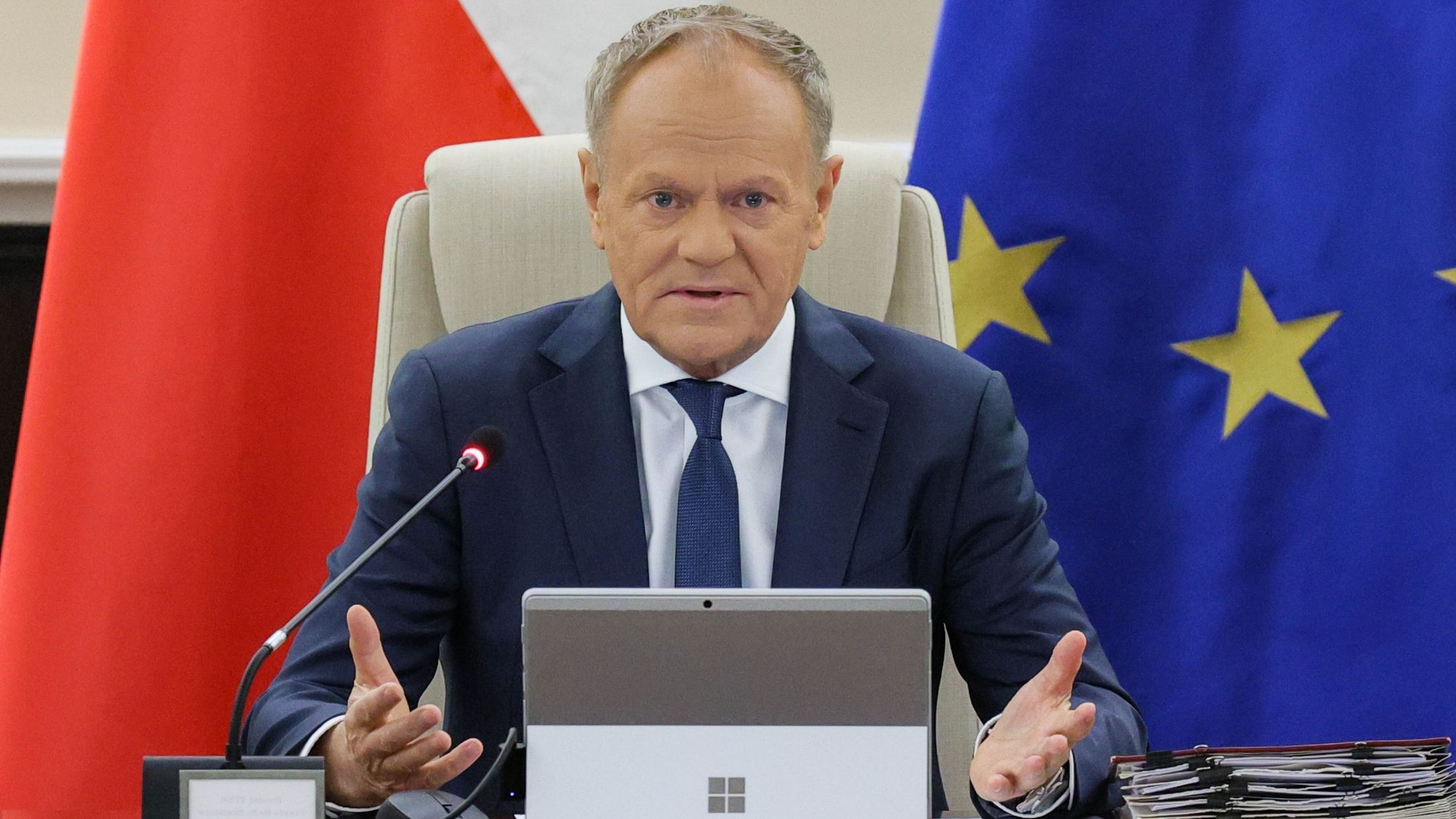
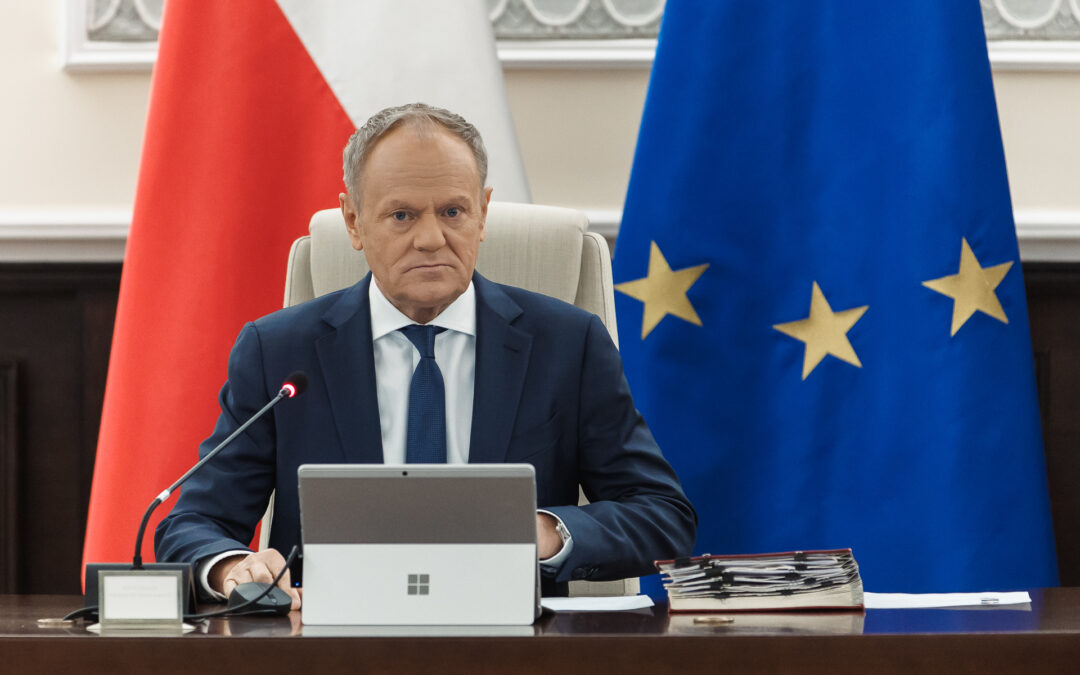
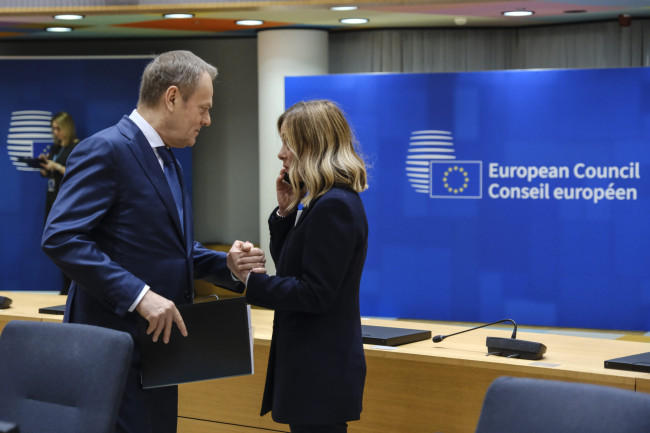
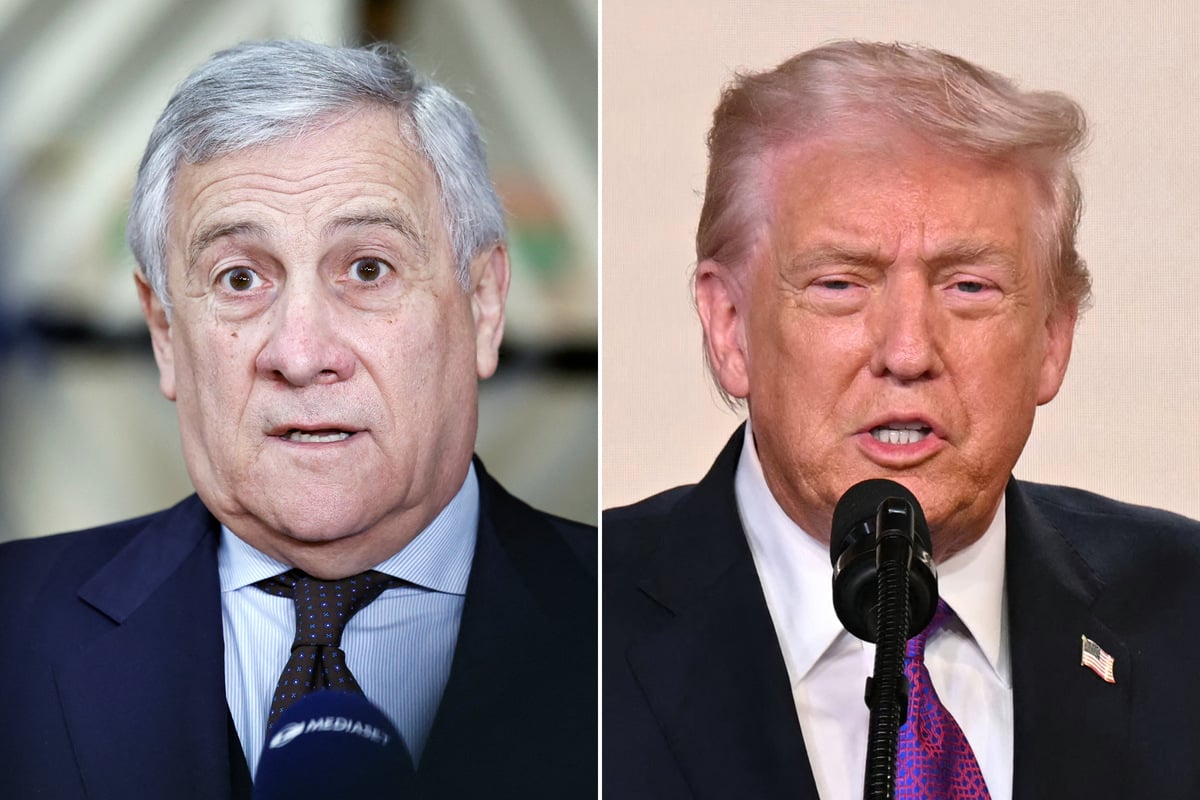
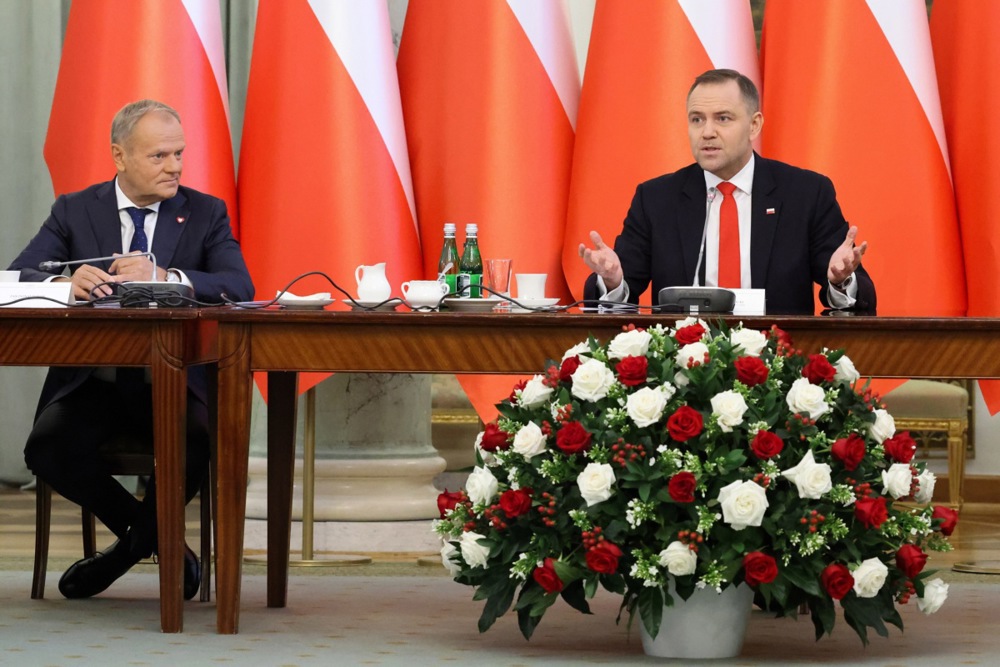
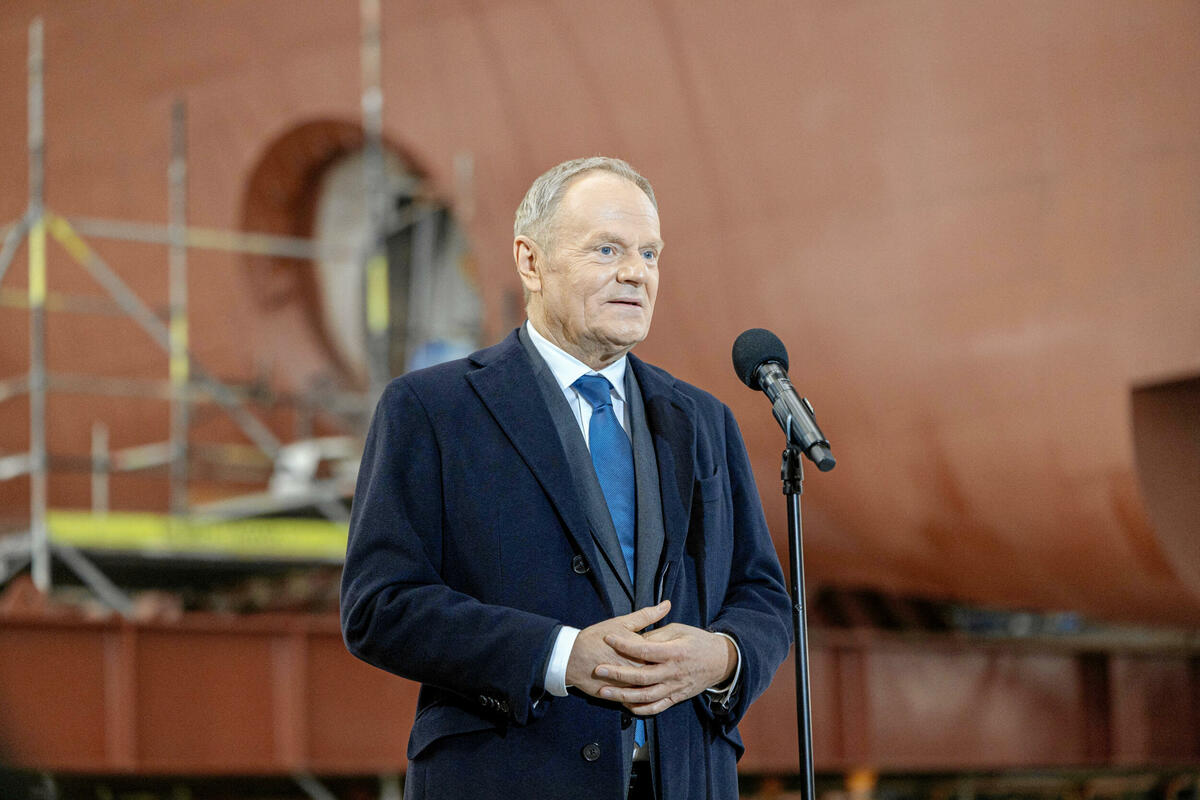
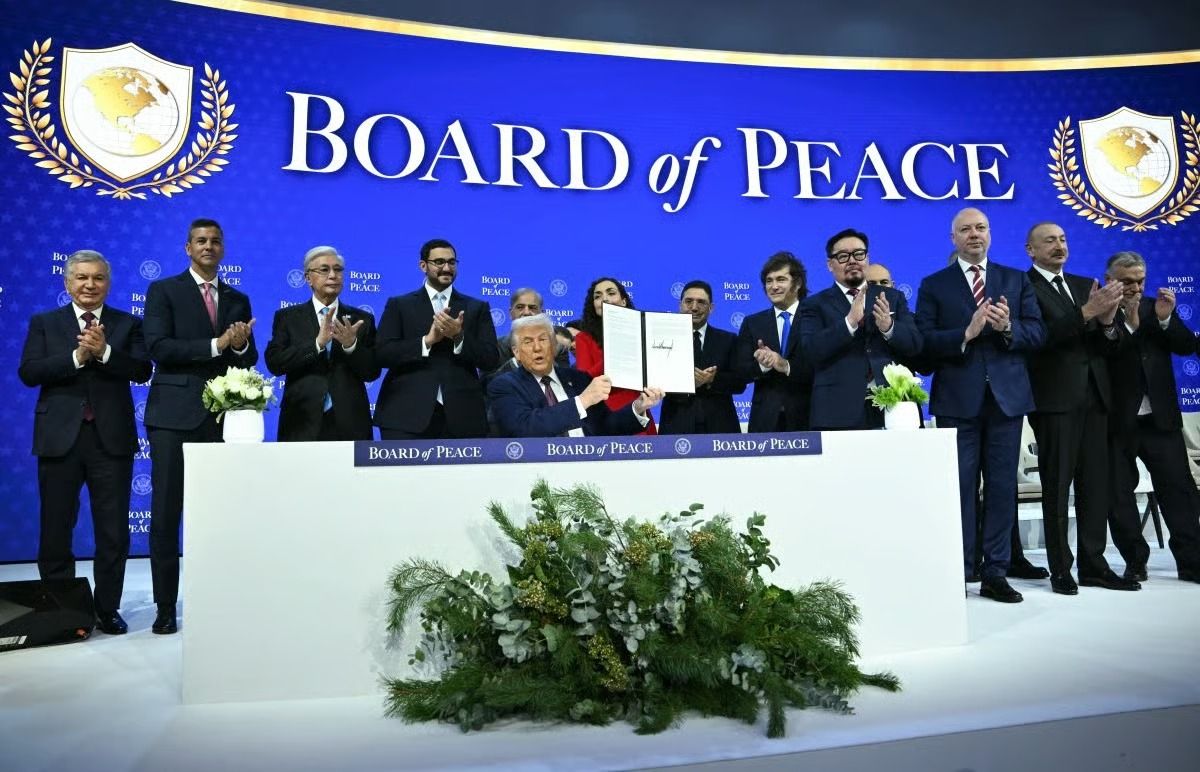
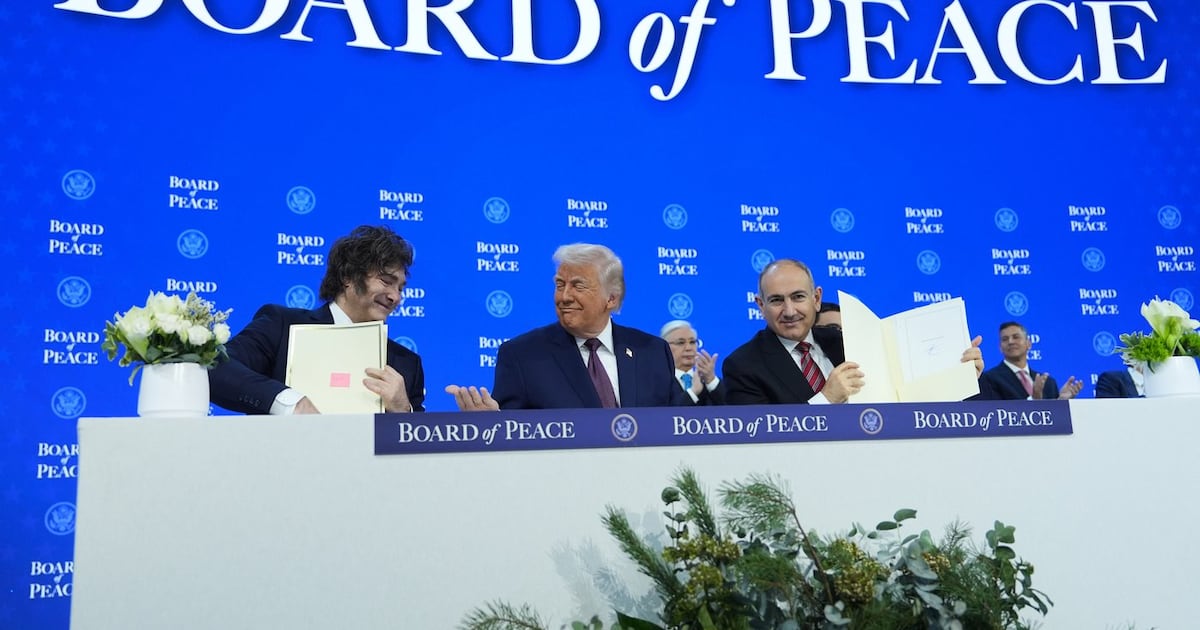
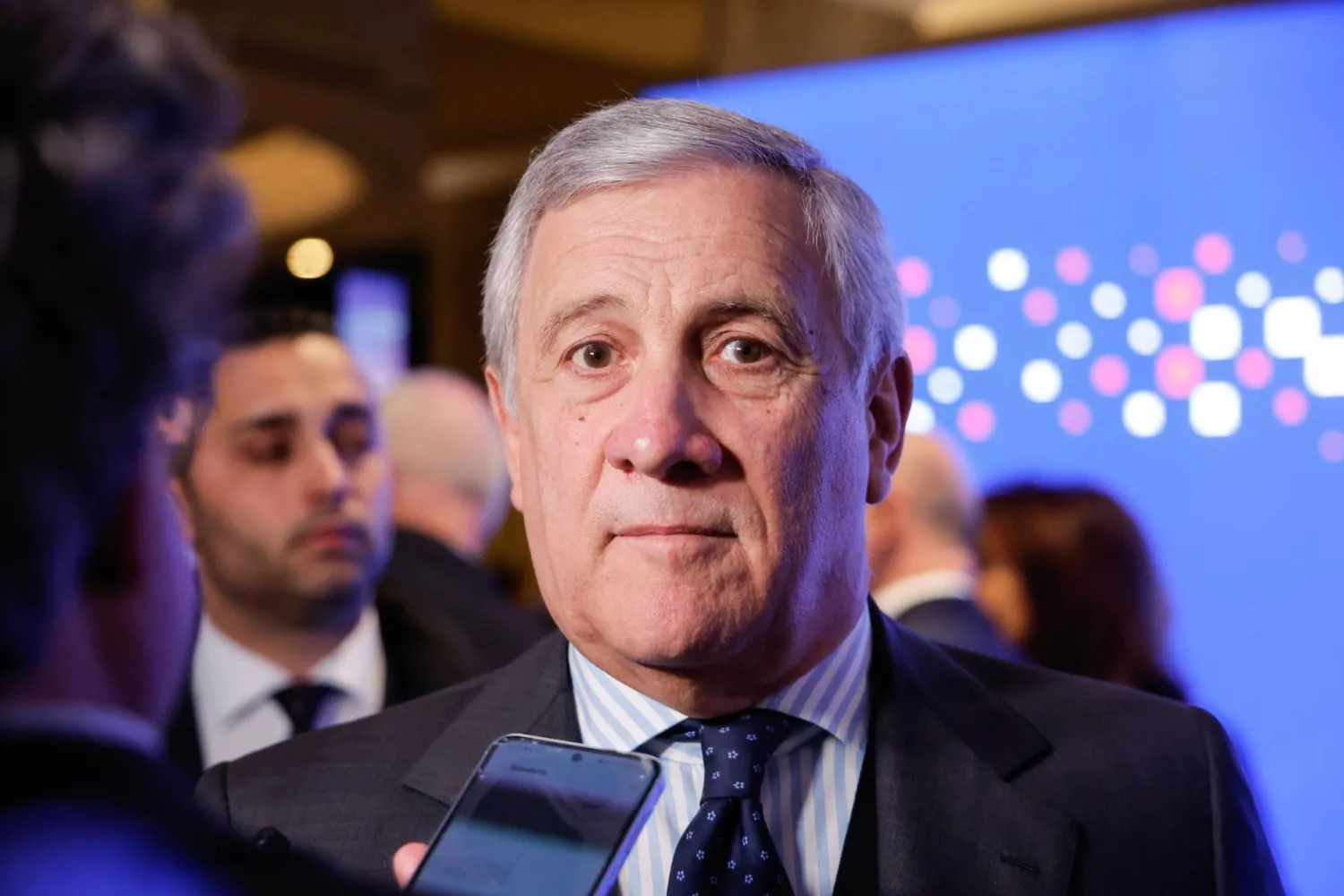
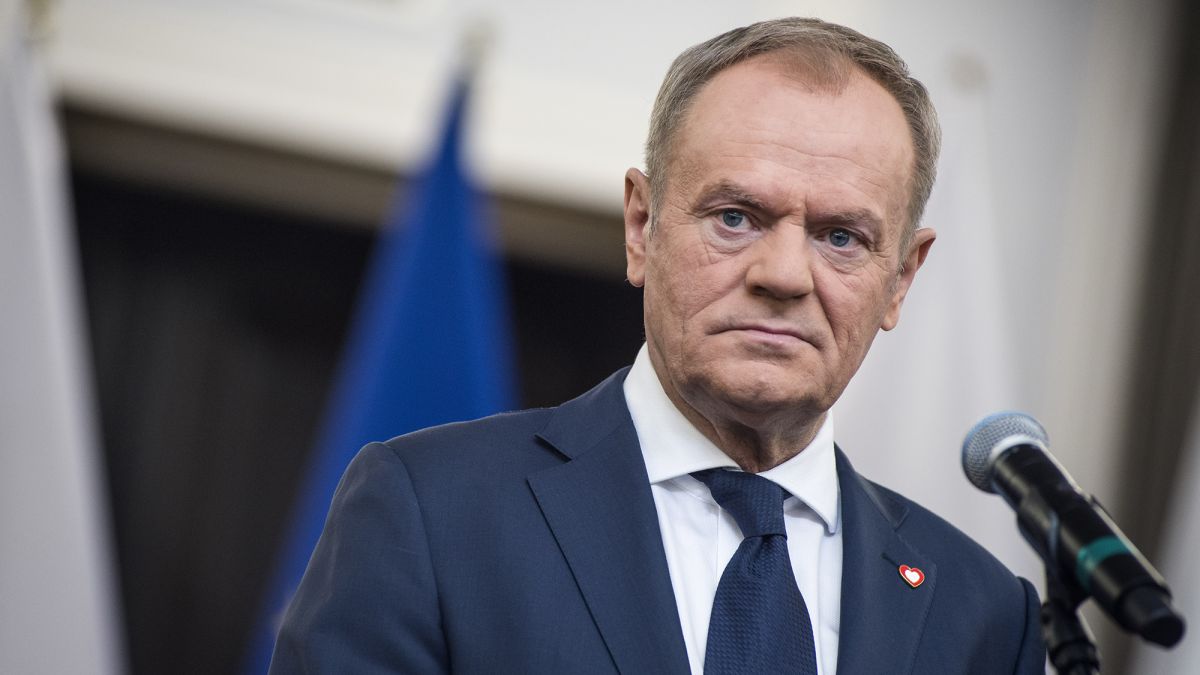
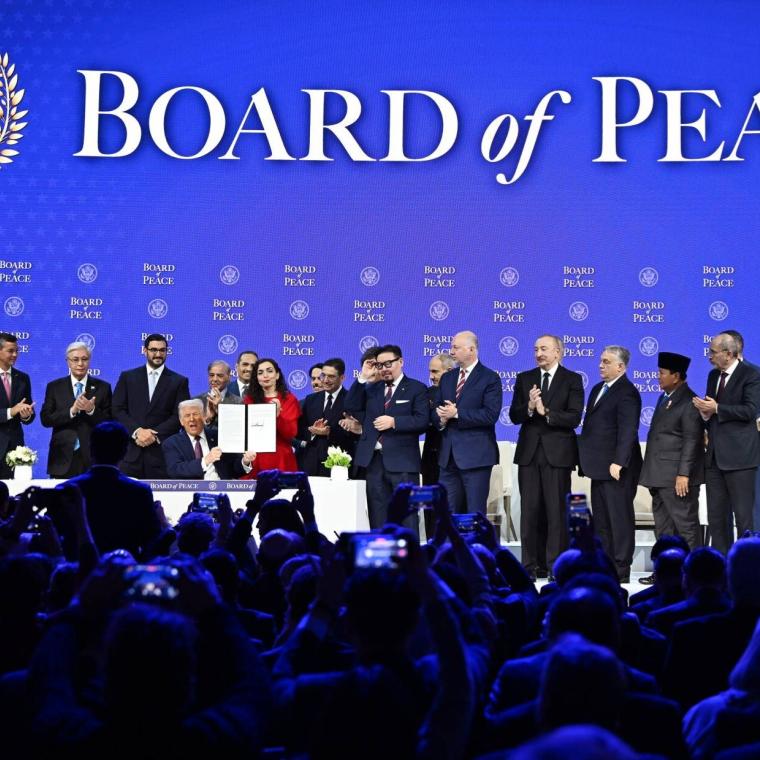
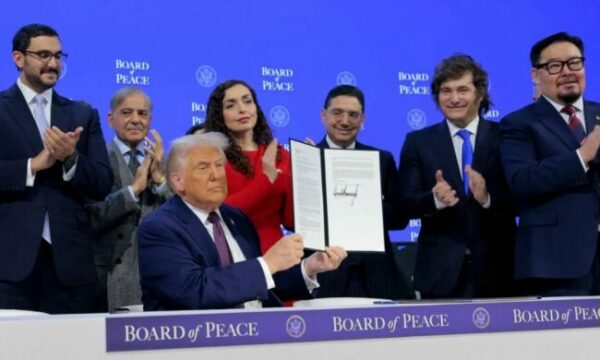
The rejection of Trump's Board of Peace by Poland (Feb 11, 2026), Italy (Feb 7, 2026), and major EU nations (France, Germany, UK) represents a critical geopolitical fracture with direct implications for international trade policy and cross-border commerce infrastructure. Only 26 of 60 invited nations have joined the board as of reporting, with the initiative demanding $1 billion from countries seeking permanent seats—a "pay-to-play" structure that signals institutional instability and competing governance frameworks.
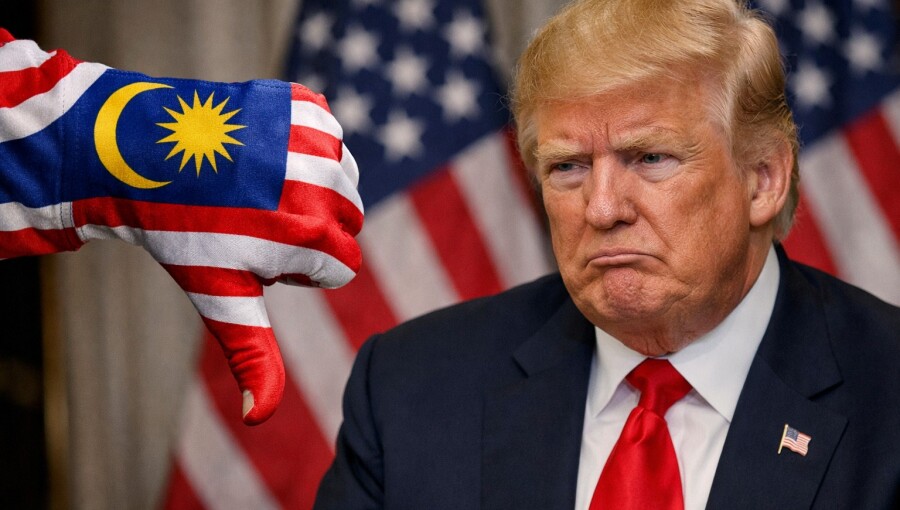
For trade policy experts, this fragmentation creates three immediate tariff arbitrage opportunities: First, the EU's institutional resistance to Trump's unilateral governance model (where Trump holds veto authority) suggests the bloc will strengthen internal trade agreements and potentially accelerate alternative trade corridors bypassing US-led frameworks. Italy's constitutional objection under Article 11 (requiring equal member participation) indicates EU nations will prioritize bilateral trade agreements with non-US partners, creating tariff reduction windows for sellers routing goods through EU-compliant trade partnerships. Second, the 34-nation rejection rate signals weakening US soft power in trade negotiations—sellers should anticipate that tariff concessions previously granted to US-aligned nations may be redirected toward BRICS-aligned countries (Russia, Belarus invited to the board) or ASEAN partners. Malaysia's rejection, combined with Hungary's isolated support, suggests Asia-Pacific supply chains will fragment into US-aligned (Japan, South Korea) and independent-aligned (Malaysia, Vietnam, Thailand) corridors with divergent tariff structures.
Competitive advantage shifts immediately favor sellers with: (1) EU-based sourcing networks that can leverage strengthened intra-EU trade agreements (tariff reductions of 2-5% on HS codes 6204, 6205, 8471-8517 electronics); (2) ASEAN supply chain diversification away from China, with Malaysia and Vietnam becoming preferred sourcing destinations for US sellers seeking tariff arbitrage on HS 6204-6209 (apparel) and 8517 (telecom equipment); (3) Strategic positioning in the 26-nation board coalition (Qatar, Egypt, Hungary) which may receive preferential tariff treatment on reconstruction-related goods (HS 7308-7326 structural materials, 8704-8706 vehicles). The February 19 Washington board meeting and Netanyahu meeting (Feb 20) create a 30-day window before tariff policy clarification—sellers should immediately audit sourcing country concentration and model tariff scenarios for EU vs. non-EU routing.
Risk factors include: Constitutional barriers preventing EU participation mean trade agreements will be negotiated bilaterally rather than through unified frameworks, increasing compliance complexity and tariff unpredictability for sellers. The $1 billion membership fee structure suggests the board may become a vehicle for preferential trade treatment, creating tariff discrimination against non-member nations. UN Secretary-General Guterres' criticism indicates potential WTO challenges to any board-derived trade agreements, creating legal uncertainty for sellers relying on new tariff structures. Malaysia's rejection signals ASEAN bloc resistance to US-led trade frameworks, potentially accelerating RCEP (Regional Comprehensive Economic Partnership) tariff reductions that favor Asian sourcing over US-based manufacturing.
問題 8
What immediate actions should sellers take before the February 19 board meeting?
Conduct a 30-day sourcing audit: (1) Map current supplier concentration by country (EU, ASEAN, US, China); (2) Model tariff scenarios for three routing options: EU-based, ASEAN-based, and board-member-based; (3) Identify high-tariff-sensitivity categories (HS 6204-6209 apparel, HS 8471-8517 electronics) where tariff changes exceed 2%; (4) Evaluate Hungary as a potential tariff-advantaged EU sourcing hub; (5) Request tariff quotes from Malaysia-based suppliers for electronics categories. Deadline: February 18, 2026 (before board meeting). Expected outcome: 15-25% of sellers will shift 10-20% of sourcing to ASEAN by April 2026 based on tariff arbitrage opportunities. Cost of inaction: 2-4% margin compression if tariff changes are unfavorable.
Which product categories benefit most from the tariff arbitrage created by this geopolitical split?
Electronics (HS 8471-8517: computers, telecom equipment) and apparel (HS 6204-6209) see the largest tariff divergence. Malaysia's rejection of the board signals it will accelerate ASEAN trade integration, reducing tariffs on electronics manufactured in Malaysia and Vietnam by 3-8% compared to US-sourced alternatives. Sellers sourcing electronics from Malaysia can expect tariff reductions of 4-6% on US imports within 6 months, while apparel from Vietnam benefits from RCEP tariff reductions (2-4%) that bypass US-led frameworks. Structural materials (HS 7308-7326) for Gaza reconstruction may receive preferential treatment through the 26-nation board coalition, creating temporary tariff windows for sellers in those categories.