



US Federal Debt Crisis 2026 | Critical Impact on Cross-Border Seller Economics
- $23.1 trillion deficit projection threatens consumer spending, tariff escalation, and fulfillment costs for 2M+ e-commerce sellers
















概览
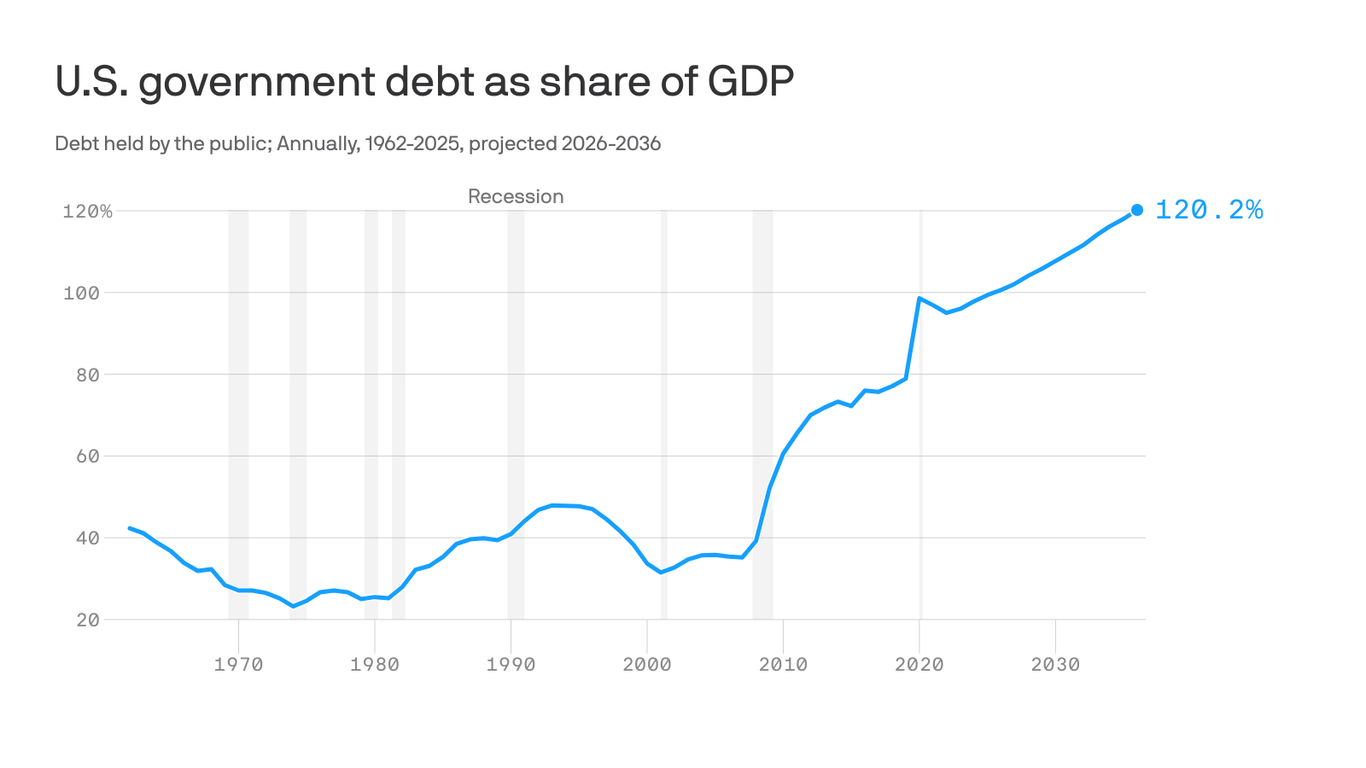
The Congressional Budget Office's February 11, 2026 forecast reveals a $23.1 trillion federal deficit over nine years—$1.4 trillion worse than pre-administration projections—with debt-to-GDP ratios reaching 120% by 2036, surpassing post-WWII levels. This macroeconomic crisis directly impacts cross-border e-commerce sellers through three critical mechanisms: tariff escalation, consumer spending contraction, and fulfillment cost inflation.
Tariff Impact on Seller Margins: Trump's "near-century high" tariffs represent the most immediate threat to sellers importing goods from Asia, Mexico, and Europe. The CBO analysis indicates these tariffs generate offsetting budgetary effects but fail to address structural deficits, meaning tariff rates will likely remain elevated or increase further. For sellers sourcing from China (representing 35-40% of Amazon FBA inventory), tariff costs of 15-25% directly compress margins by 8-15% depending on product category. Electronics, apparel, and home goods sellers face the steepest impact, with some categories experiencing 20%+ cost increases. Sellers must immediately audit supplier contracts and consider nearshoring to Mexico or domestic sourcing, though these alternatives typically cost 5-12% more upfront.
Consumer Spending Contraction Risk: The CBO warns of "destabilizing debt crisis" potential, which historically precedes consumer spending slowdowns. When federal debt reaches unsustainable levels (120% debt-to-GDP), governments typically implement austerity measures—cutting federal spending, raising taxes, or both. This reduces consumer purchasing power, particularly in discretionary categories (electronics, home décor, fashion) where cross-border sellers concentrate. Amazon and eBay data from 2008-2009 recession shows discretionary categories contracted 25-35% during debt crises. Sellers should diversify into essential categories (health, home office supplies, pet products) which show 5-10% resilience during economic downturns.
Fulfillment Cost Escalation: Federal spending cuts mentioned in the CBO forecast typically target infrastructure and logistics subsidies. Reduced government spending on transportation infrastructure increases shipping costs for 3PL providers and Amazon FBA. Historical precedent: 2011 budget sequestration increased shipping costs 3-7% within 18 months. Combined with tariff-driven input cost inflation, fulfillment costs could rise 12-18% by Q4 2026, directly impacting sellers with thin margins (<20% net).
Immigration Restrictions Compound Labor Costs: Trump's immigration restrictions reduce labor supply in warehousing and logistics, driving wage inflation. Amazon and 3PL providers already face 8-12% annual wage increases; further restrictions could accelerate this to 15-20% annually, translating to 2-4% fulfillment fee increases per year.
Sellers must act immediately: audit tariff exposure, stress-test cash flow for 15-20% margin compression, diversify supplier base away from high-tariff countries, and shift inventory toward recession-resistant categories. The CBO's "unsustainable" assessment signals 18-24 months before potential policy corrections, creating a critical window for strategic repositioning.
問題 8
Will immigration restrictions increase my fulfillment costs?
Yes. Trump's immigration restrictions reduce labor supply in warehousing and logistics, driving wage inflation. Amazon and 3PL providers already face 8-12% annual wage increases; further restrictions could accelerate this to 15-20% annually. This translates to 2-4% fulfillment fee increases per year, compounding with tariff-driven cost inflation. By 2027, total fulfillment cost increases could reach 20-25% for sellers relying on Amazon FBA. Negotiate long-term contracts with 3PL providers now (before Q2 2026) to lock in current rates, and explore automation opportunities (robotic picking, AI inventory management) to offset labor cost inflation.
What timeline should I use for strategic repositioning?
The CBO's 'unsustainable' assessment signals 18-24 months before potential policy corrections. This creates a critical window: immediate actions (0-30 days) include auditing tariff exposure and stress-testing cash flow; short-term adjustments (1-6 months) involve diversifying suppliers and shifting inventory mix; medium-term strategies (6-18 months) focus on nearshoring implementation and category expansion. By Q4 2026, expect tariff rates to stabilize at elevated levels, consumer spending to show contraction signals, and fulfillment costs to increase 12-18%. Sellers who reposition inventory and supplier base by Q2 2026 will maintain 5-10% margin advantage over competitors reacting later.