

)

Ukraine Crisis Disrupts Eastern European E-Commerce Supply Chains | Sellers Face Logistics Delays
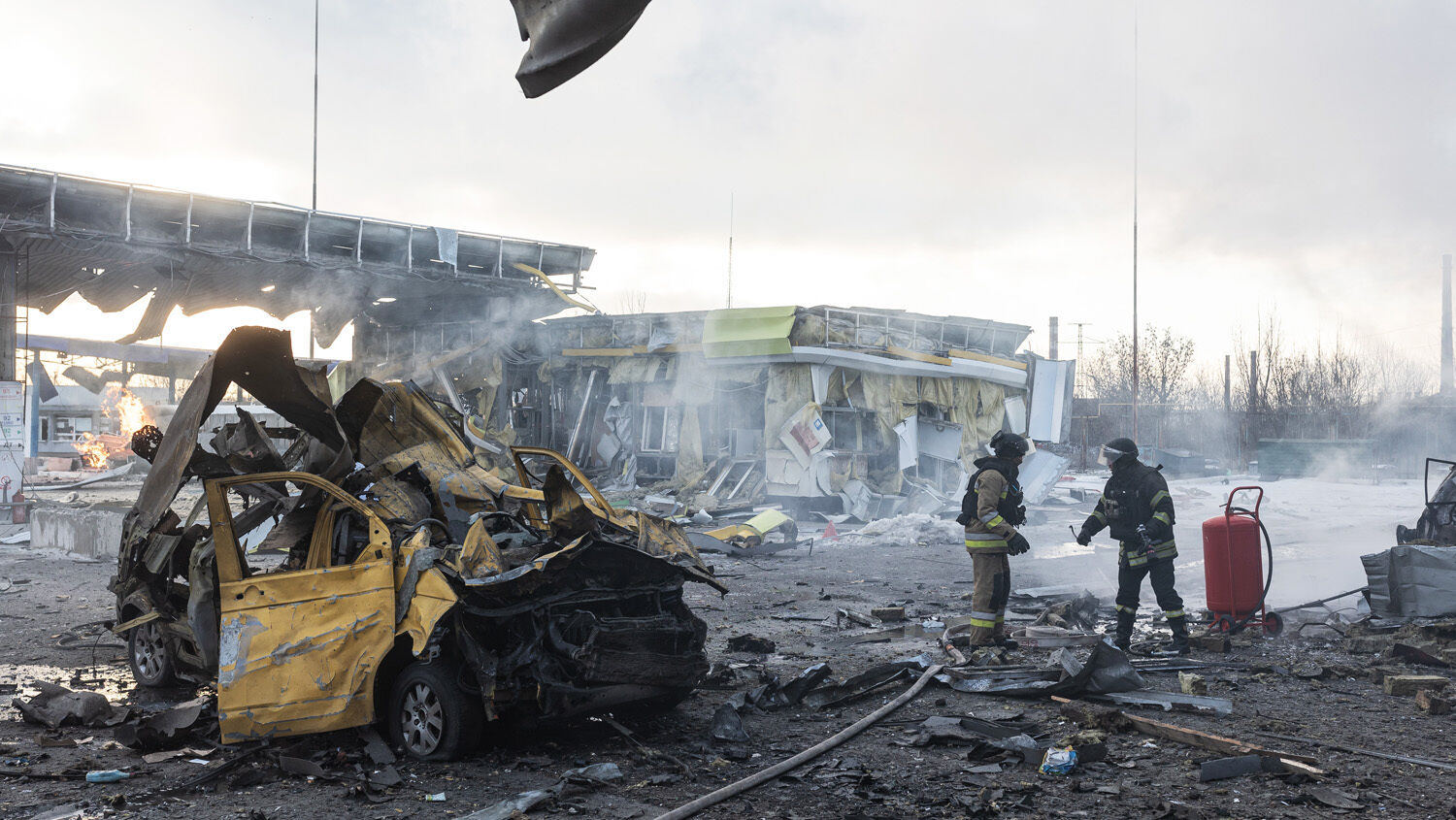
- Infrastructure damage in Kyiv, Odesa, Dnipro affects 300K+ consumers; sellers must reroute shipments and adjust inventory strategies for 2026







)















)











概览
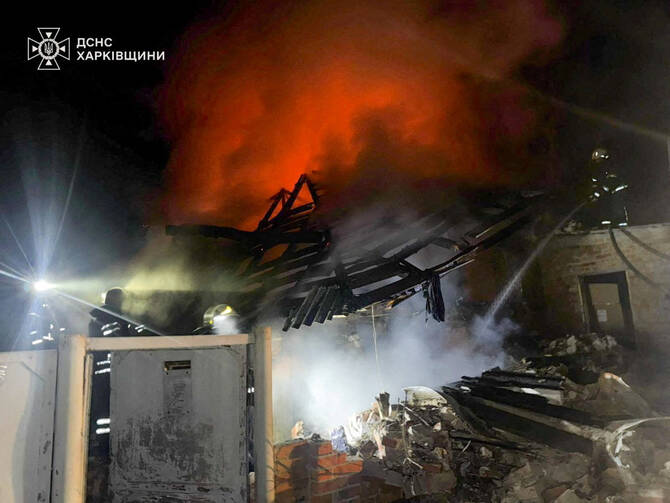
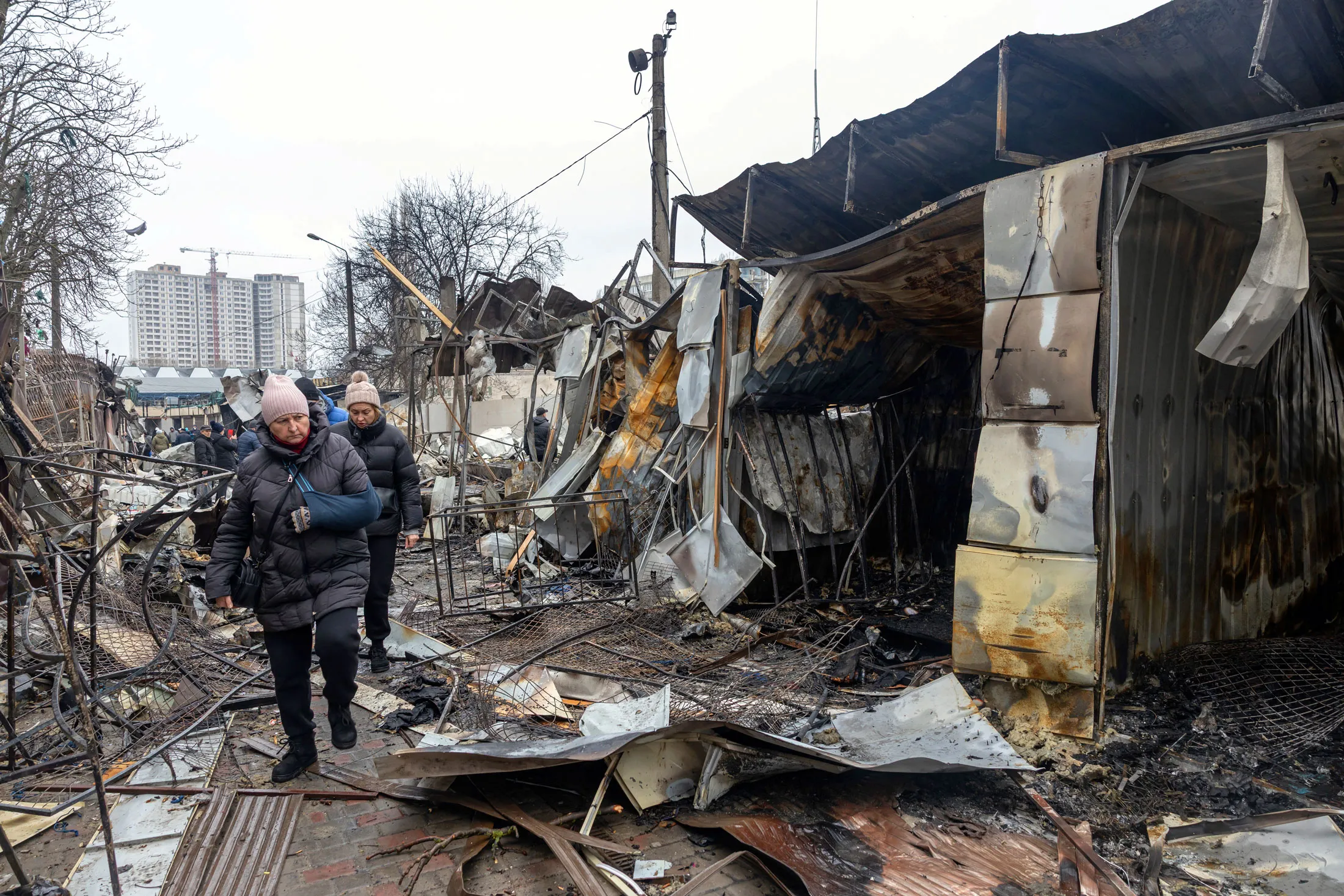
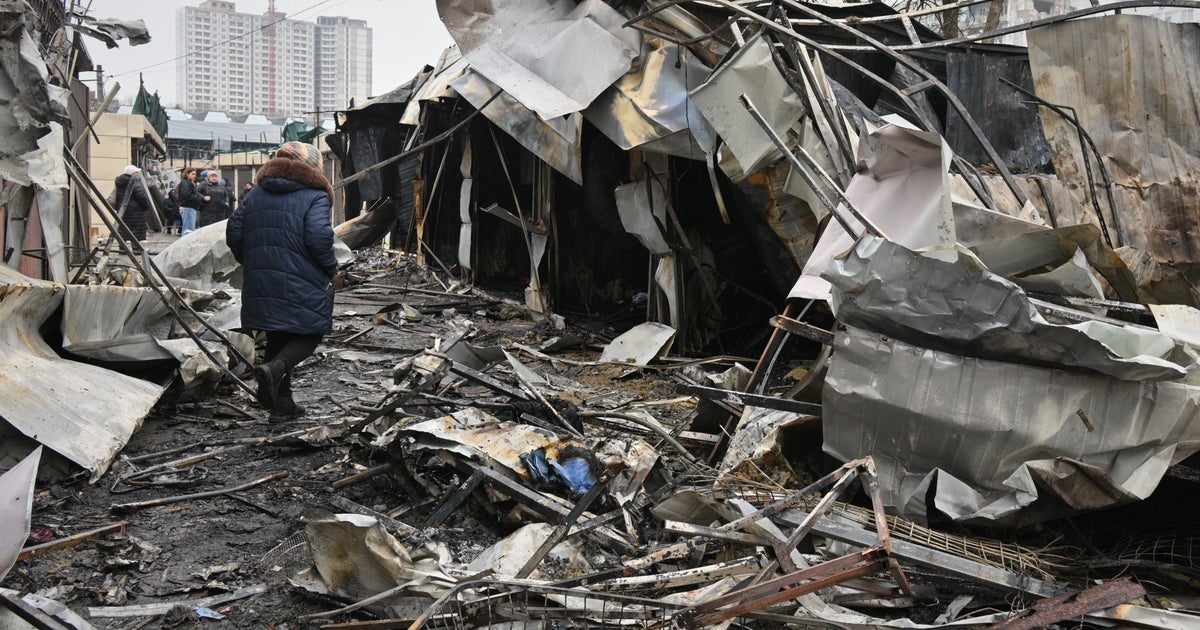
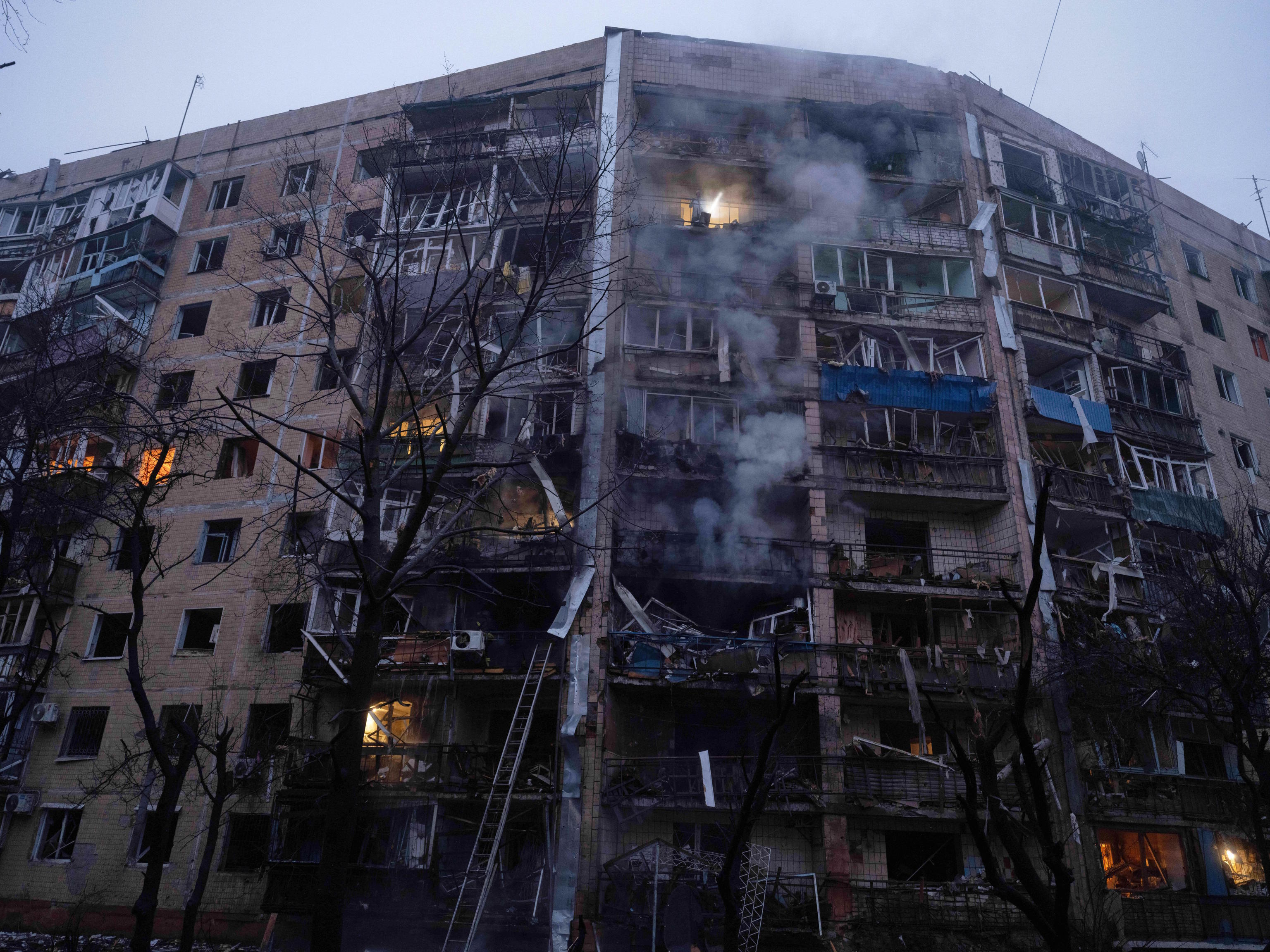
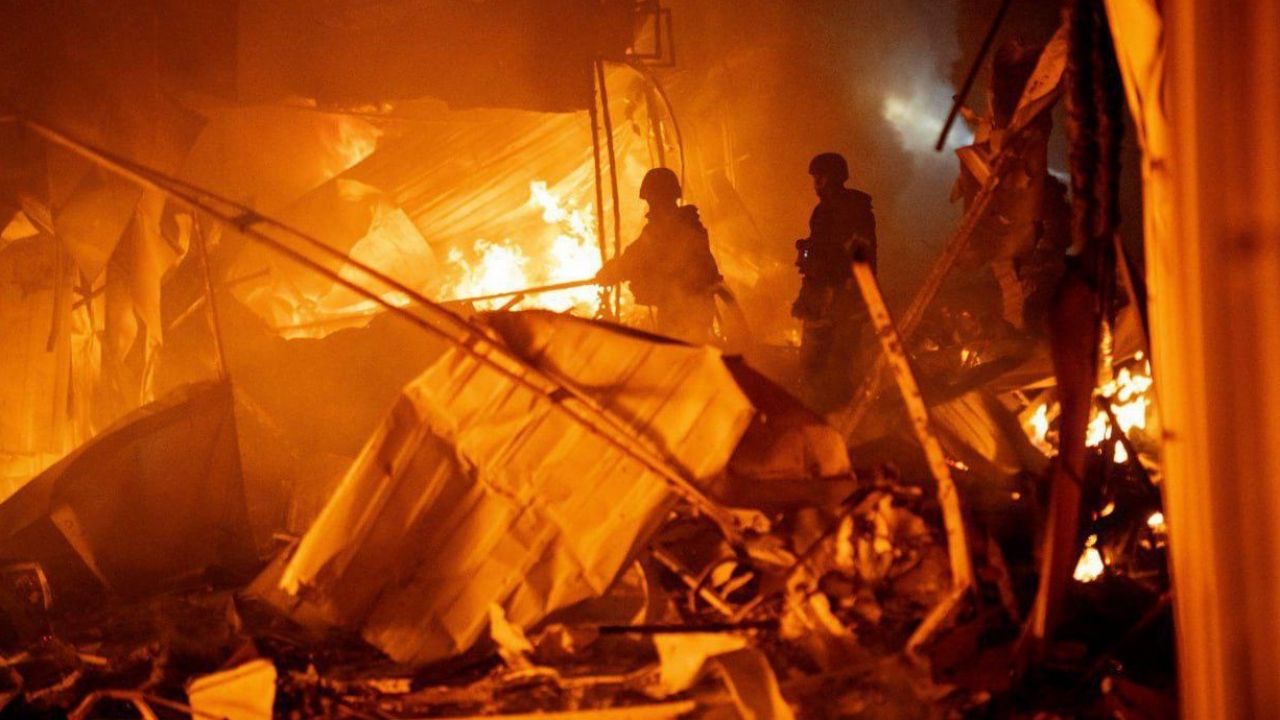
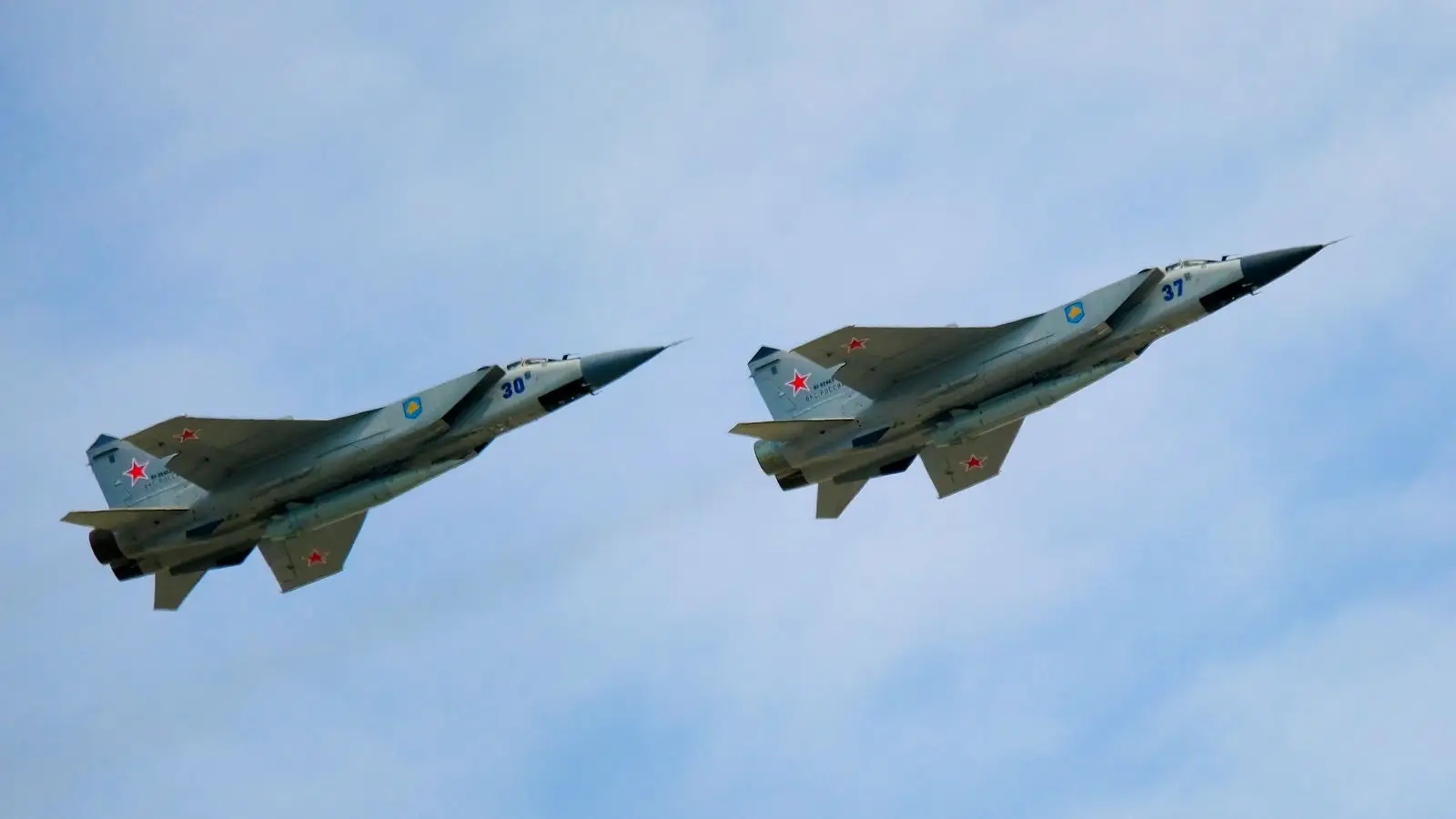
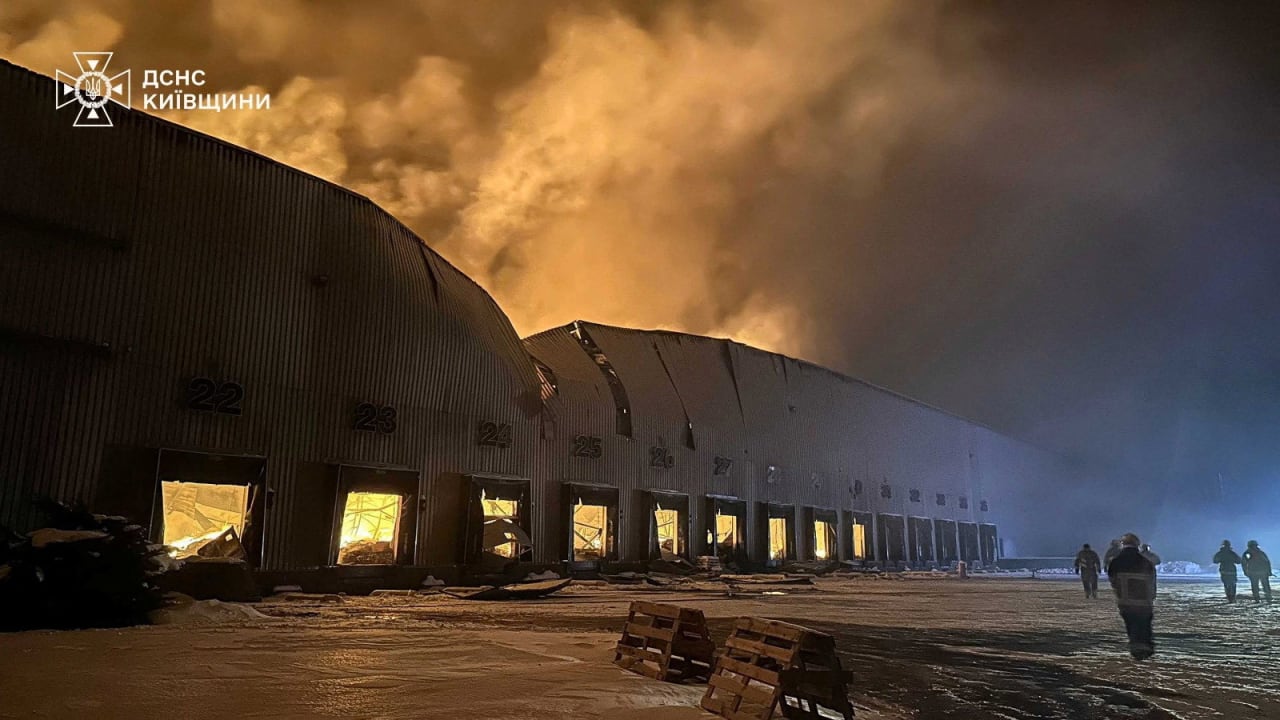
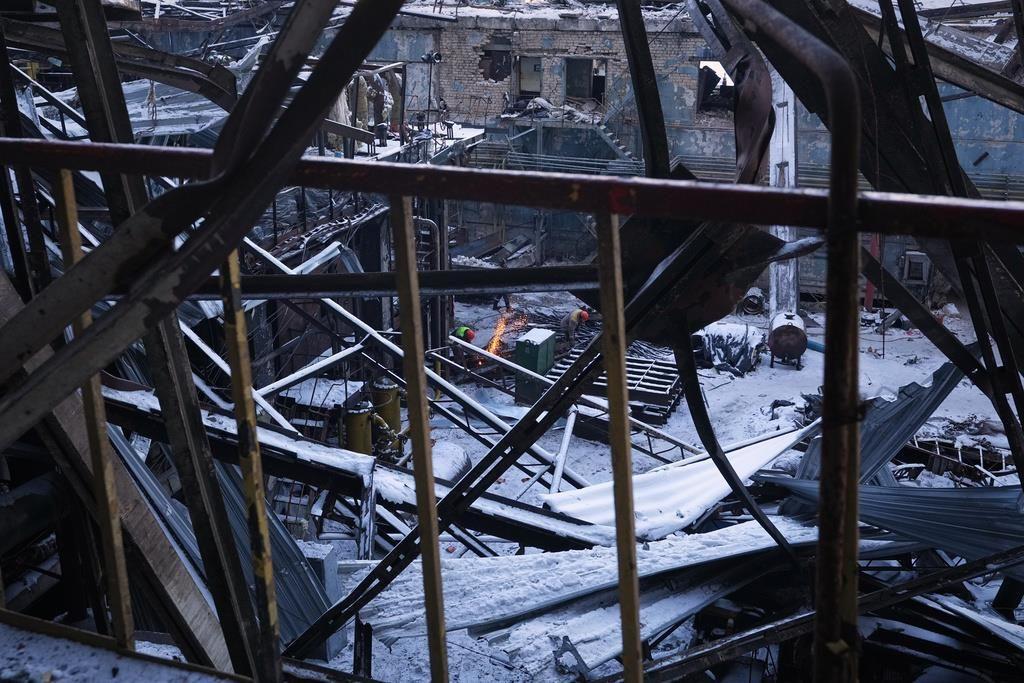
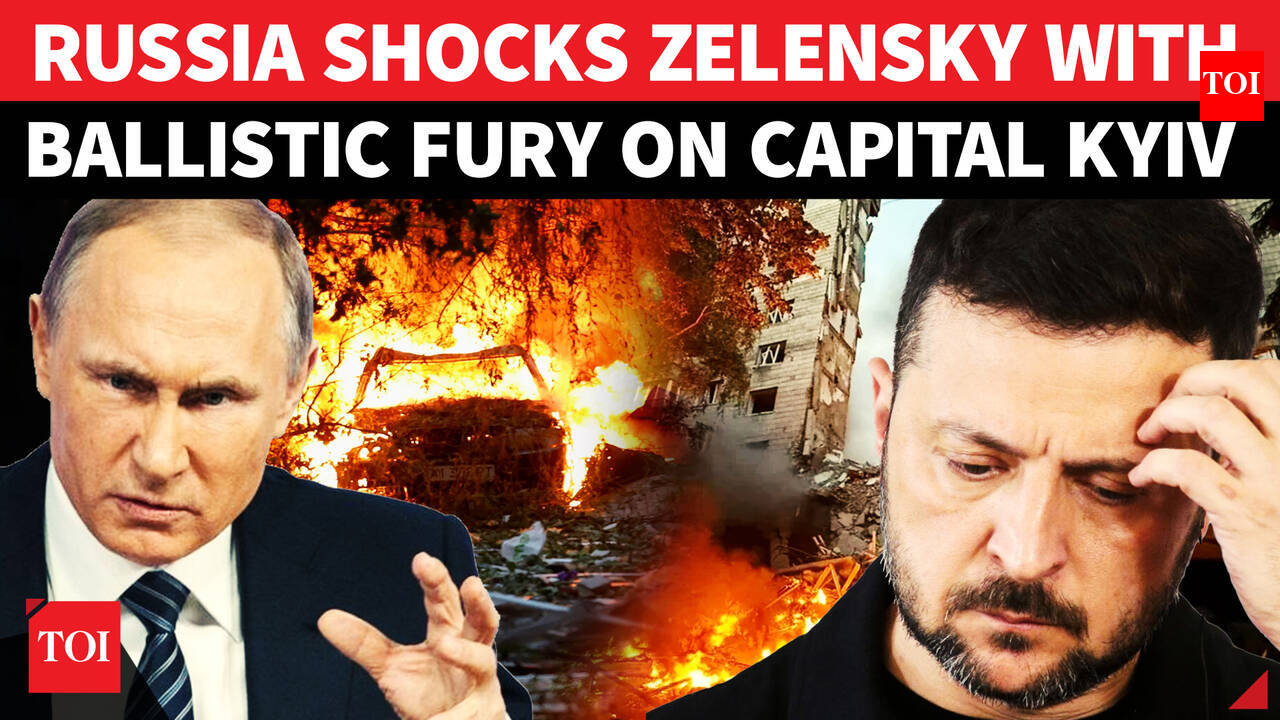
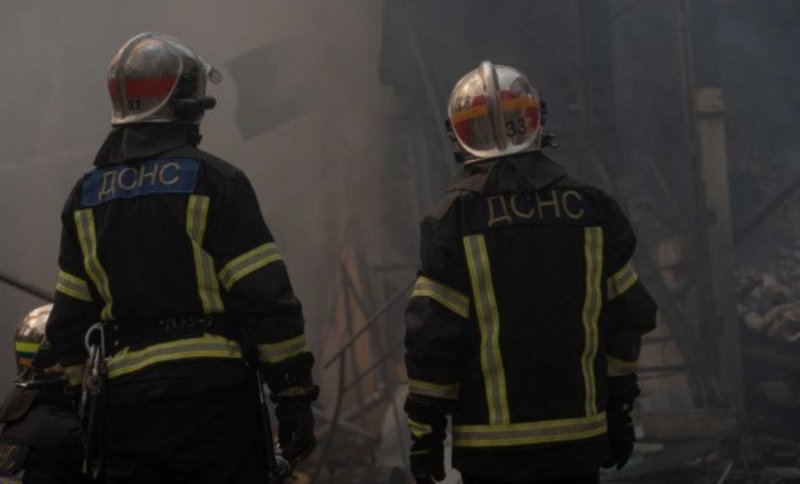
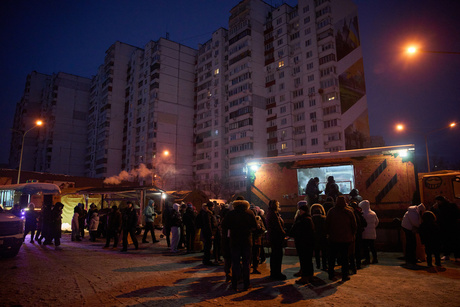
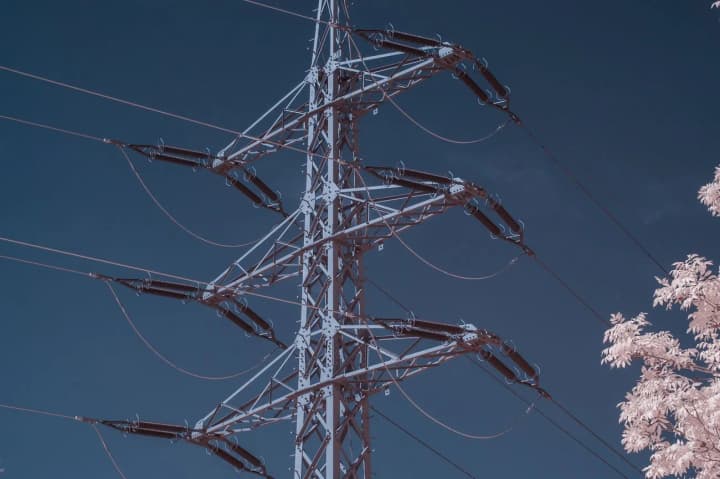
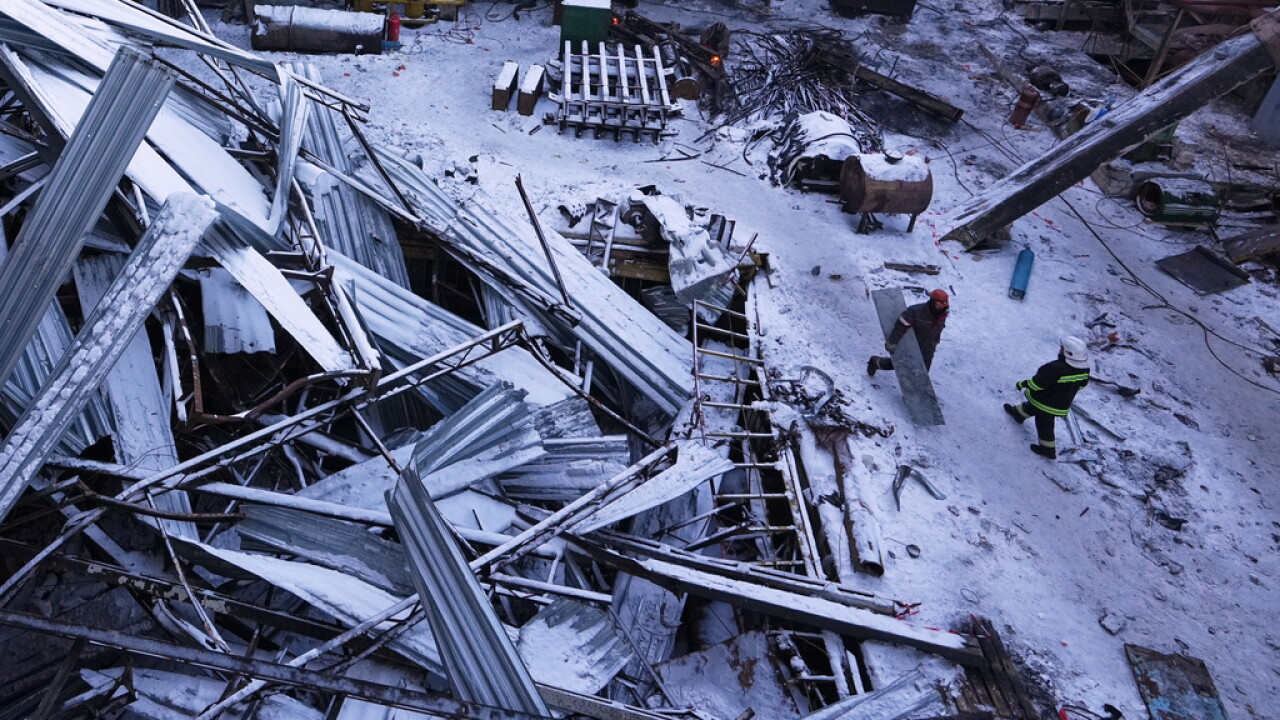
The February 12, 2026 Russian missile attacks on Ukrainian cities represent a critical supply chain disruption for cross-border e-commerce sellers operating in or shipping to Eastern Europe. The coordinated assault on Kyiv, Odesa, and Dnipro caused infrastructure damage affecting approximately 300,000 residents in Odesa alone (electricity and water loss) and 10,000 heating consumers in Dnipro, creating immediate logistics challenges for sellers relying on Ukrainian distribution networks or serving this market. While the news summaries emphasize military and humanitarian impacts, the underlying infrastructure collapse has direct operational consequences: power outages disable warehouse operations, damaged market pavilions and commercial buildings disrupt last-mile delivery networks, and communication infrastructure failures delay order processing and customer service operations.
Supply Chain Implications for Sellers: Cross-border e-commerce operations in Ukraine face 2-4 week fulfillment delays as logistics providers navigate damaged infrastructure and power rationing. Sellers using Ukrainian 3PL providers (common for Eastern European distribution) must immediately contact fulfillment partners to assess operational status and identify alternative routing through Poland, Romania, or Baltic states. The targeting of energy infrastructure signals Russia's winter strategy will continue through March 2026, meaning sellers should expect recurring disruptions rather than isolated incidents. Amazon FBA sellers with inventory in Ukrainian fulfillment centers face potential inventory stranding; eBay and Shopify sellers shipping to Ukrainian customers encounter carrier delays and increased shipping costs (15-25% premium for rerouted shipments).
Market Demand Shift: The humanitarian crisis creates counter-intuitive e-commerce opportunities. Sellers of emergency supplies—portable power banks, battery-powered heating devices, water purification systems, LED flashlights, and thermal clothing—will see demand spikes in affected regions. Historical patterns from similar infrastructure crises (2022 winter attacks, 2015 Donbas conflict) show 300-400% increases in emergency product categories within 48-72 hours of major attacks. Sellers with inventory in these categories should prepare for surge pricing opportunities while maintaining ethical pricing standards. Additionally, sellers of home backup power systems, portable generators, and solar chargers targeting Eastern European markets should accelerate marketing campaigns, as consumer purchasing intent for resilience products increases dramatically following infrastructure attacks.
Regulatory and Compliance Considerations: The ongoing conflict creates VAT compliance complications for sellers. Ukrainian businesses operating as sellers face potential VAT registration challenges if their facilities are damaged or destroyed. EU-based sellers shipping to Ukraine must navigate evolving customs procedures as border infrastructure may be affected. The European Parliament's approval of a 90 billion Euro support loan for Ukraine (mentioned in News 2) signals potential future trade facilitation measures, but sellers should monitor EU customs authority updates for temporary import/export procedure changes. Sellers should verify their insurance coverage includes conflict-related supply chain disruptions and consider whether their 3PL providers have adequate business continuity plans.
問題 7
What product categories see demand spikes during infrastructure crises?
Emergency and resilience products experience 300-400% demand increases within 48-72 hours of major infrastructure attacks, based on historical patterns from 2022 winter attacks and 2015 Donbas conflict. High-demand categories include portable power banks, battery-powered heating devices, water purification systems, LED flashlights, thermal clothing, backup power systems, portable generators, and solar chargers. Sellers with inventory in these categories should accelerate marketing campaigns targeting Eastern European markets, as consumer purchasing intent for resilience products increases dramatically following infrastructure damage. Pricing opportunities exist but should balance profit maximization with ethical considerations during humanitarian crises.
Should sellers maintain inventory in Ukrainian fulfillment centers?
Sellers should reassess Ukrainian fulfillment center strategies given recurring winter infrastructure attacks. Russia's documented pattern of targeting energy infrastructure during winter months (February-March 2026) suggests continued disruptions rather than isolated incidents. Sellers should contact 3PL providers immediately to assess business continuity plans, insurance coverage, and backup facilities. Consider diversifying inventory across Poland, Romania, and Baltic states to maintain Eastern European market access while reducing concentration risk. For Amazon FBA sellers, evaluate whether Ukrainian fulfillment center fees justify the operational risk, or shift inventory to EU-based fulfillment centers with faster delivery times to Ukrainian customers.