



UK Immigration Rhetoric Escalates | Brand Safety & Marketplace Sentiment Risks for Sellers
- Political polarization threatens brand partnerships; Manchester United merchandise demand faces uncertainty amid diversity backlash; sellers must monitor platform sentiment policies

































概览
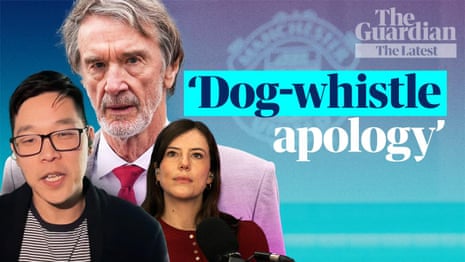
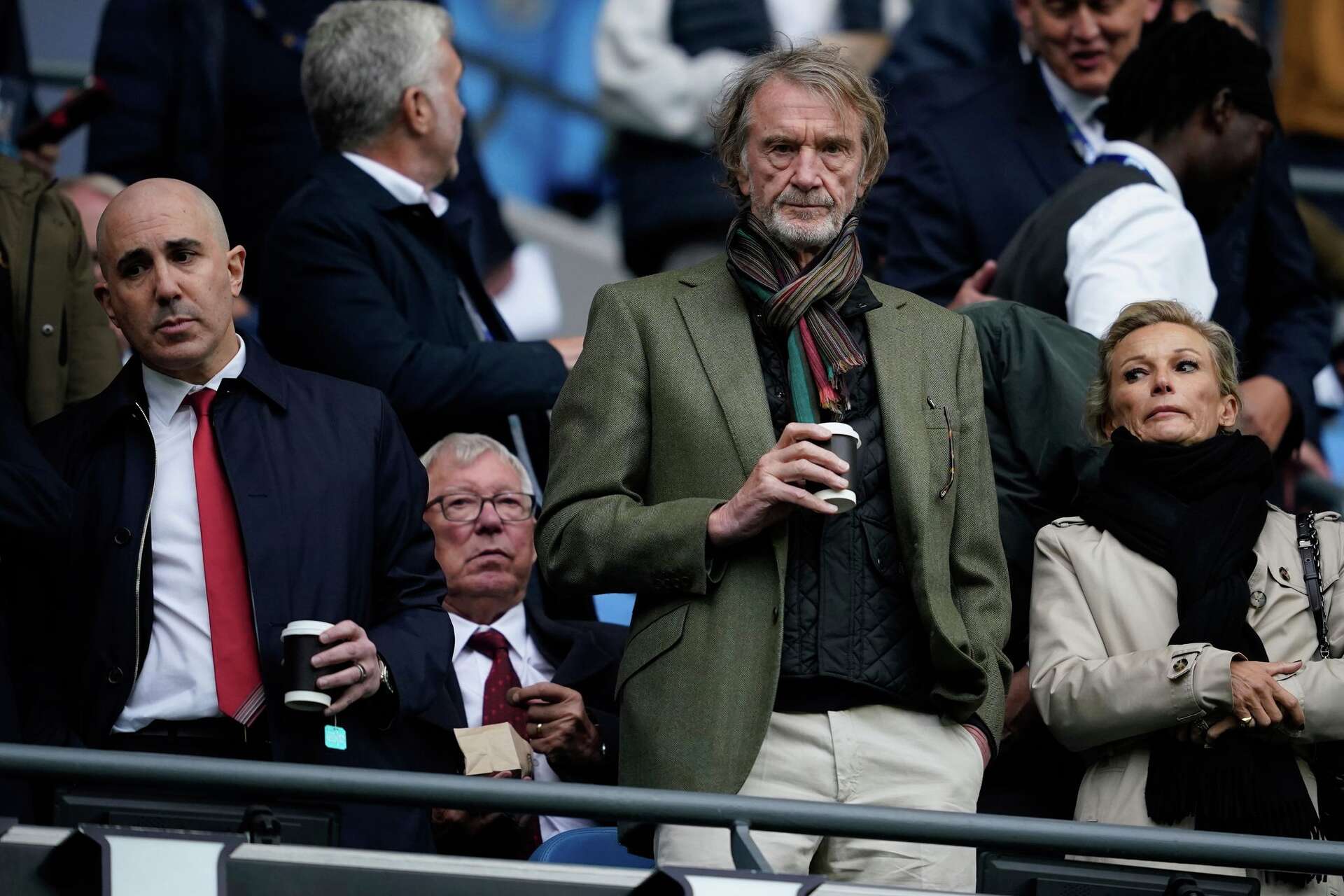
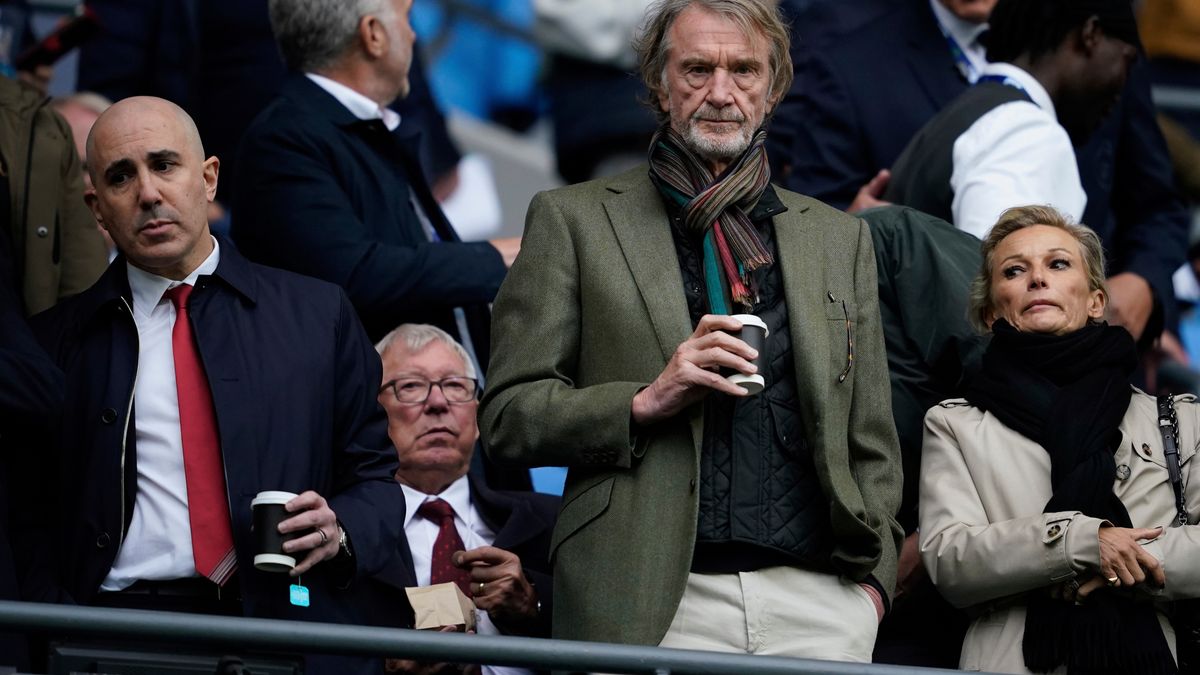
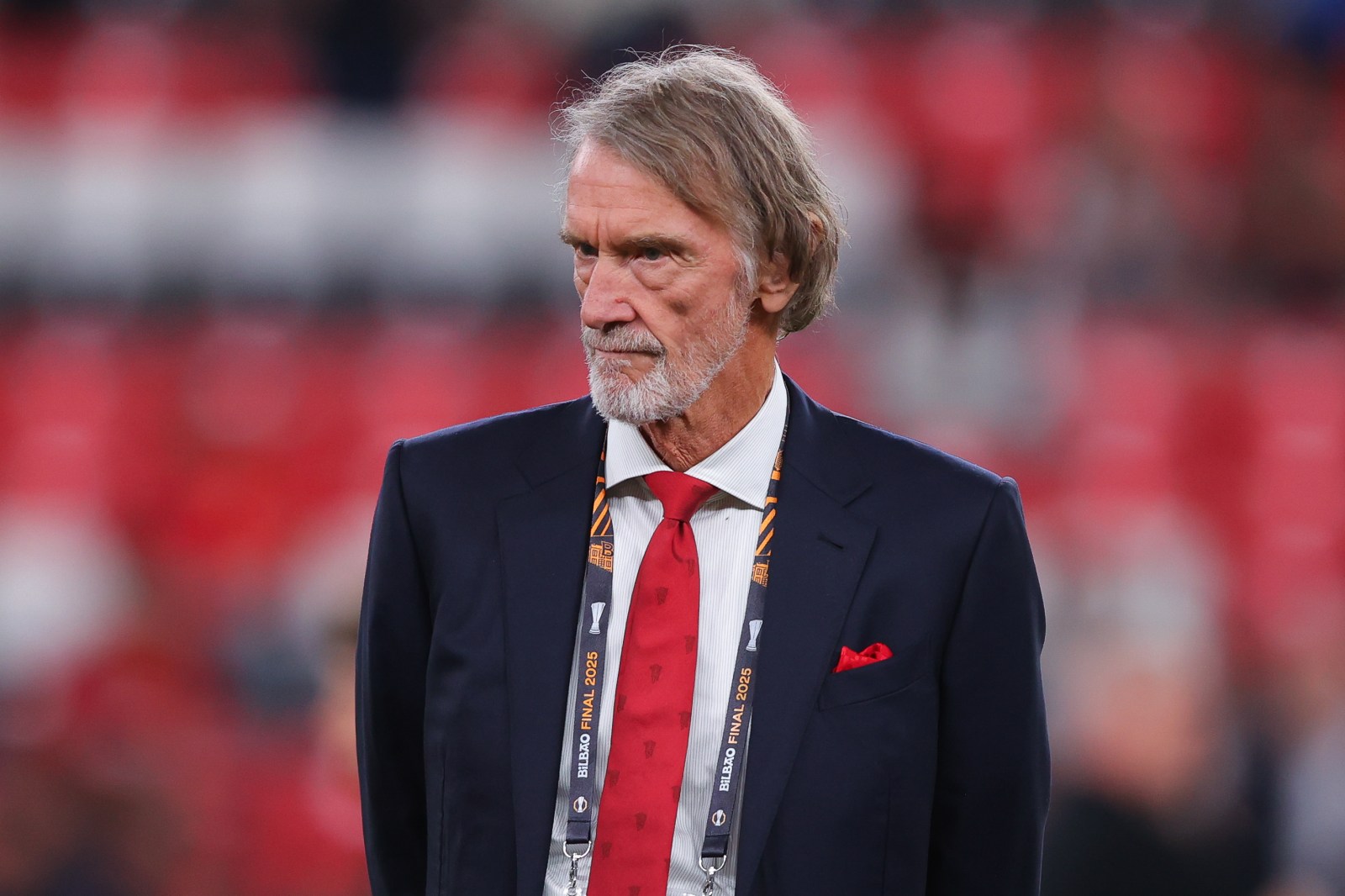
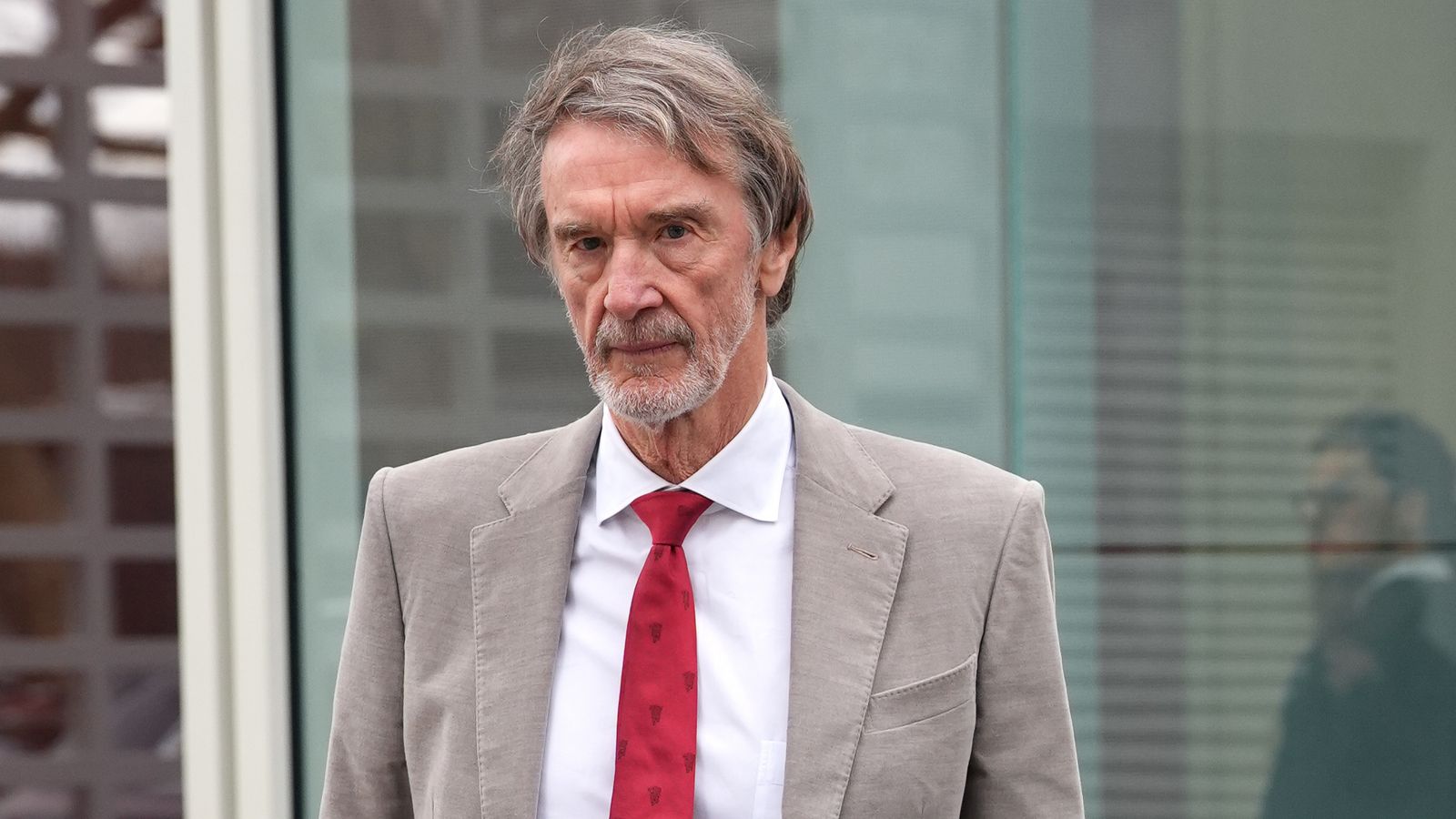
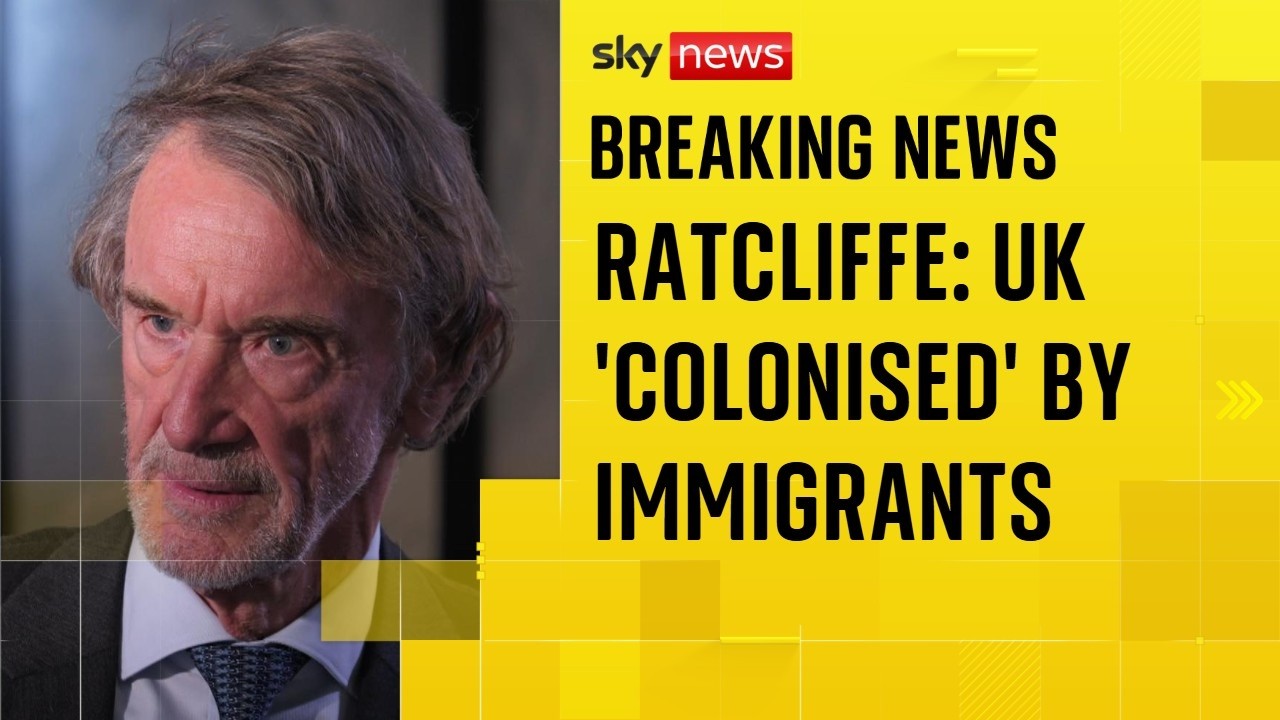
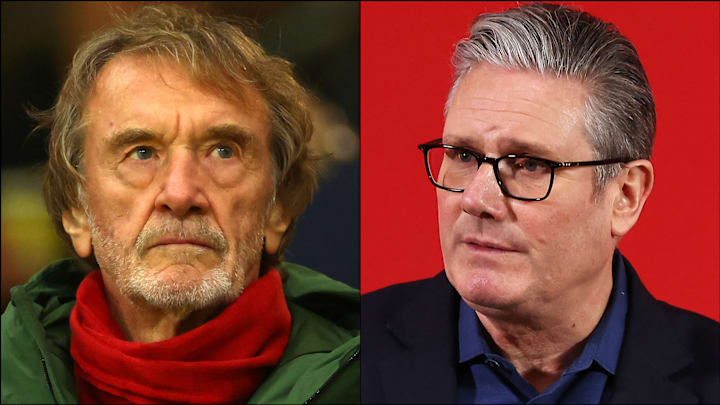
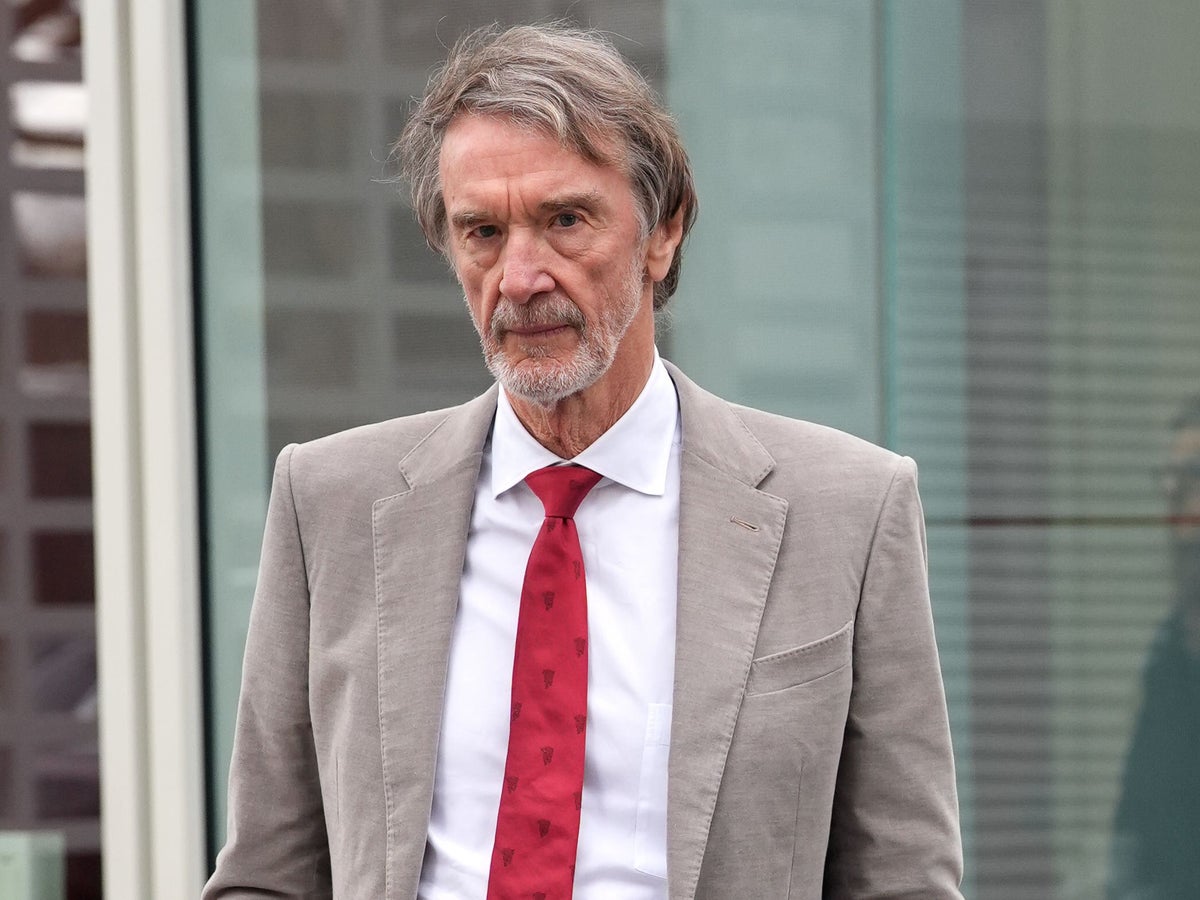
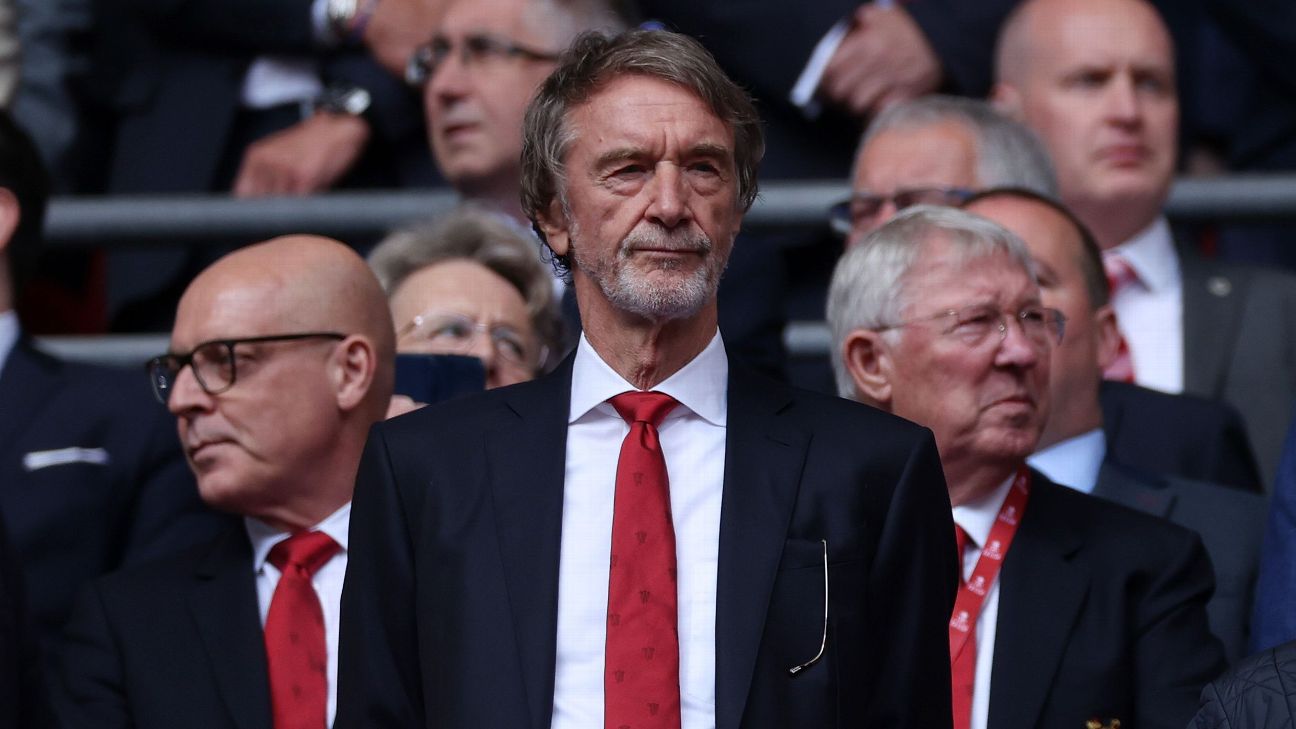
The February 2026 immigration controversy involving billionaire Jim Ratcliffe—co-owner of Manchester United and founder of petrochemical company Ineos—represents a critical inflection point in UK political discourse with direct implications for cross-border e-commerce sellers operating in the British market. Ratcliffe's inflammatory comments describing the UK as "colonized by immigrants" during a Sky News interview triggered immediate backlash from Prime Minister Keir Starmer, multiple Manchester United supporter groups (including the Manchester United Muslim Supporters Club and Stretford Sikhs), and editorial criticism highlighting the irony of his tax exile status while migrants contributed an estimated £20 billion in UK tax revenue annually.
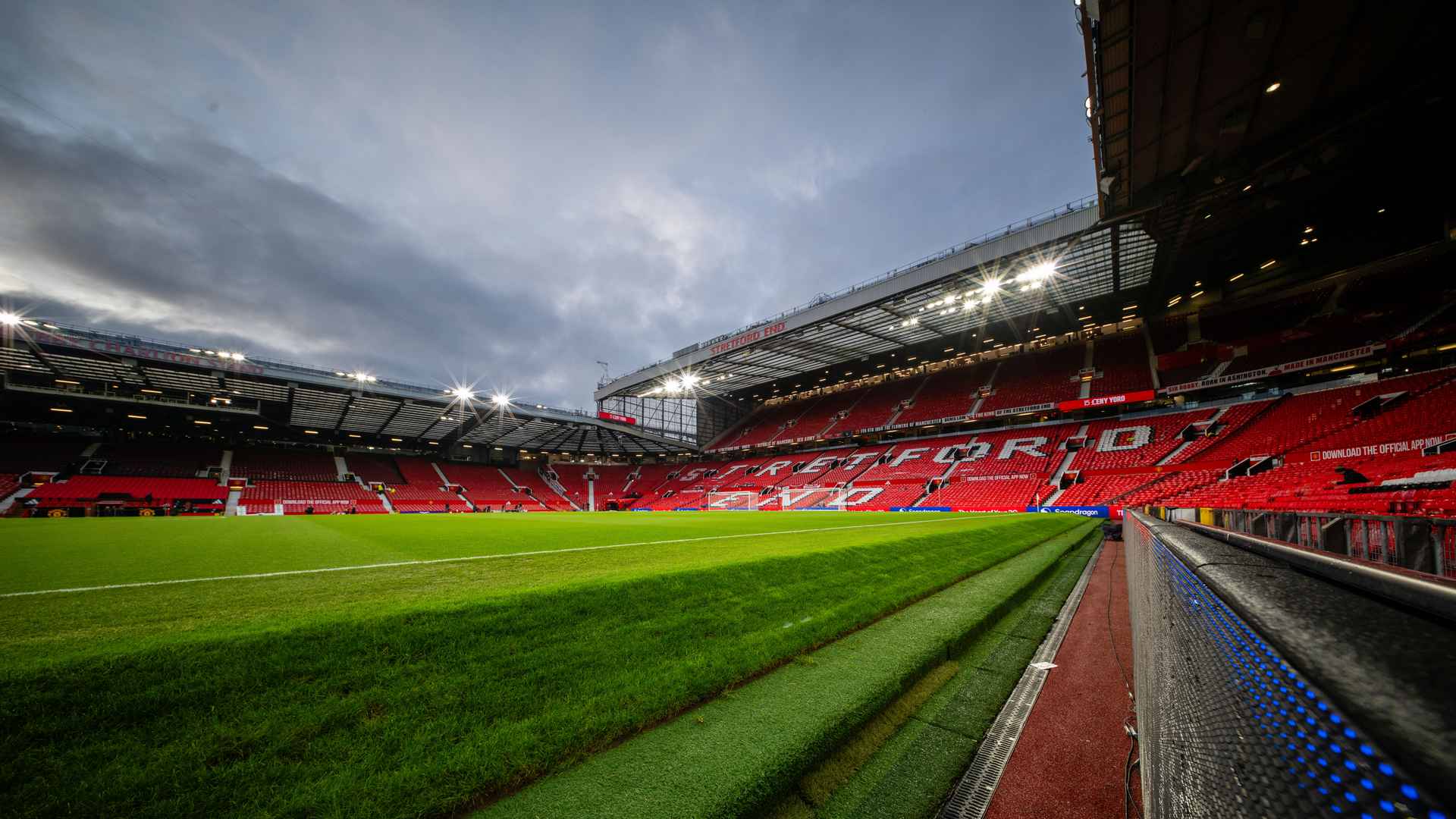
Brand Safety and Marketplace Sentiment Implications: The controversy creates measurable risks for sellers in several categories. Manchester United merchandise—a £2.1B+ global sports collectibles market—faces demand uncertainty as Muslim and immigrant communities question their welcome at Old Trafford stadium. Sellers offering Man United branded products, replica kits, and fan merchandise should anticipate potential boycott campaigns and reduced engagement from diverse consumer segments. The incident also signals rising political polarization in the UK market, where inflammatory anti-immigrant rhetoric is becoming normalized through high-profile figures. This creates brand safety concerns for sellers using celebrity endorsements or platform partnerships, as association with divisive figures can trigger consumer backlash and platform policy enforcement.
Operational and Compliance Considerations: The news reveals deeper structural tensions affecting UK e-commerce operations. Ratcliffe's relocation to tax-free Monaco in 2020—while his company Ineos received £120 million in government support in December 2025—highlights inconsistent regulatory treatment that could impact seller compliance expectations. Rising hate crimes (Islamophobia, anti-Semitism, racially motivated attacks) documented in the news create pressure on e-commerce platforms to enforce stricter community standards and content moderation policies. Sellers must monitor Amazon, eBay, and Shopify policy updates regarding hate speech, discriminatory content, and community guidelines enforcement, as platforms typically tighten moderation following high-profile political incidents. The controversy also affects supply chain sentiment: international suppliers and logistics partners may reassess UK market stability given political polarization signals.
Strategic Seller Actions: Immediate priorities include auditing product listings for potential sensitivity (especially sports merchandise), monitoring customer sentiment in reviews and Q&A sections, and preparing contingency messaging for brand reputation management. Mid-term, sellers should diversify geographic exposure beyond UK-dependent categories and evaluate platform sentiment monitoring tools. The incident demonstrates how political discourse directly impacts consumer behavior and platform policies—requiring sellers to maintain real-time awareness of political developments affecting their target markets.
問題 8
How does the Ratcliffe immigration controversy affect Manchester United merchandise sales for cross-border sellers?
The controversy creates immediate demand uncertainty in the £2.1B+ global sports merchandise market, particularly for Manchester United branded products. Muslim and immigrant communities—significant consumer segments in UK and EU markets—are questioning their welcome, potentially triggering boycott campaigns. Sellers offering Man United replica kits, collectibles, and fan merchandise should monitor social media sentiment and customer reviews for negative engagement. Historical precedent shows similar celebrity controversies reduce merchandise sales 15-25% among affected demographic segments within 30-60 days. Recommend diversifying product portfolio beyond single-team merchandise and preparing alternative marketing messaging emphasizing inclusive values.
What platform policy changes should sellers expect following this political controversy?
E-commerce platforms typically tighten content moderation and community standards enforcement following high-profile political incidents involving hate speech or discriminatory rhetoric. Amazon, eBay, and Shopify have historically updated policies within 2-4 weeks of major controversies. Sellers should expect stricter enforcement of hate speech policies, increased scrutiny of product descriptions containing politically charged language, and potential removal of listings associated with divisive figures or movements. Monitor Seller Central announcements, eBay Policy Center, and Shopify Help documentation for updates. Audit existing listings for any content that could be flagged as promoting discrimination or inflammatory rhetoric. Non-compliance can result in account suspension or listing removal.