




AppLovin AI Advertising Platform | Critical Implications for E-Commerce Sellers in 2026
- Q4 revenues beat $1.66B vs $1.61B estimates; eCommerce revenue underperforms; delayed self-service portal threatens seller acquisition channels











概览
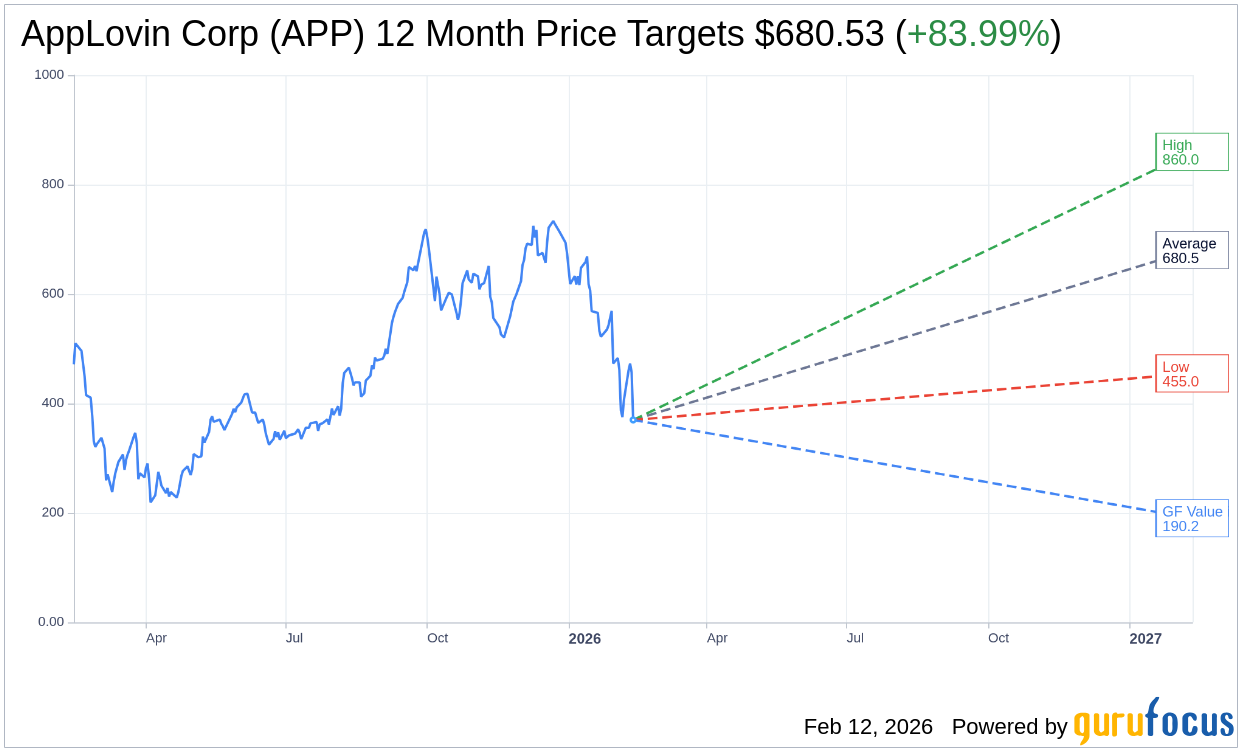
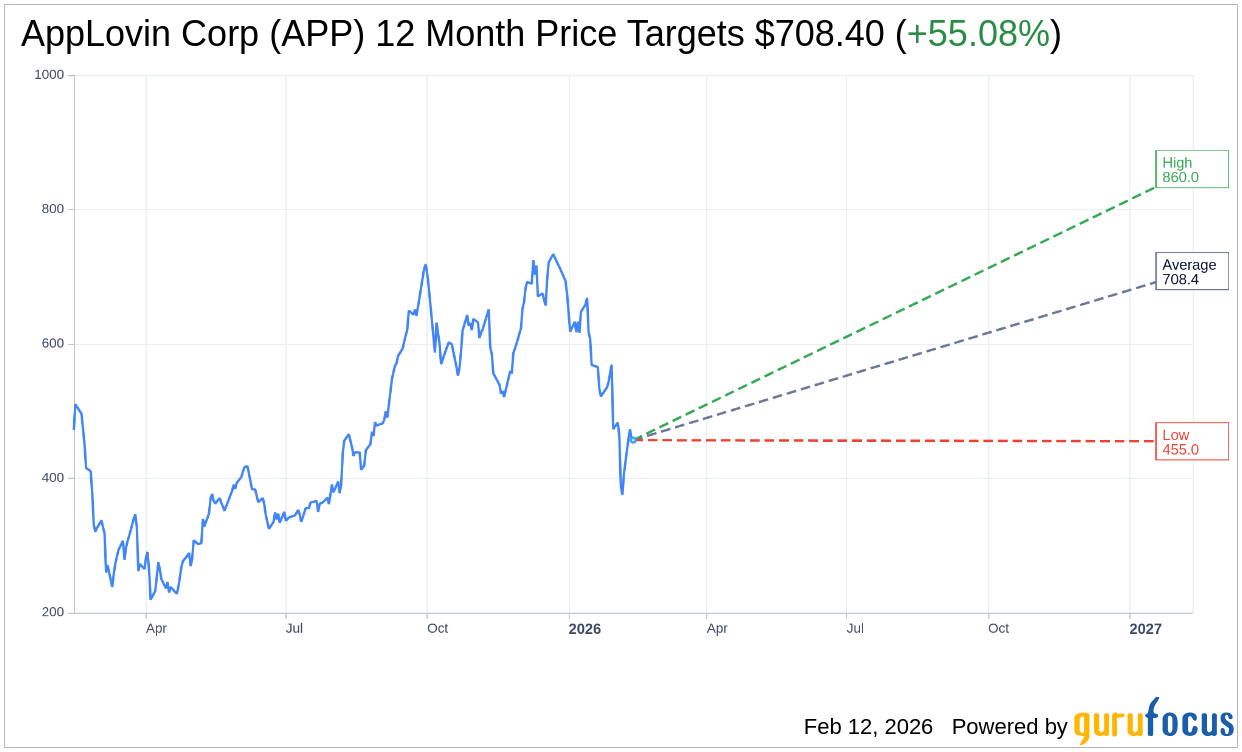
AppLovin's February 11, 2026 earnings call revealed a critical inflection point for e-commerce sellers relying on AI-powered mobile advertising platforms. The company reported Q4 2025 revenues of $1.66 billion (beating $1.61 billion estimates) and adjusted EBITDA of $1.4 billion (vs. $1.33 billion expected), yet shares declined over 3% due to competitive pressures and delayed product launches. CEO Adam Foroughi emphasized proprietary AI model growth as the company's strongest operating performance driver, but CFO Matt Stumpf disclosed that the self-service ad portal—previously expected to launch in Q4—remains unavailable and will take "considerable time" before meaningfully impacting financial results. This delay directly affects e-commerce sellers who depend on AppLovin's self-service capabilities for customer acquisition automation.
The eCommerce revenue underperformance signals broader market challenges for mobile advertising platforms. Bank of America analyst Omar Dessouky noted that eCommerce revenue contributed only $34 million of $245 million total eCommerce revenue from the October referral cohort—substantially below forecasts. This 14% contribution rate indicates AppLovin's eCommerce channel is losing market share to competitors like Meta (expanding iOS capabilities) and emerging AI-native advertising platforms. For sellers using AppLovin for mobile app install campaigns and user acquisition, this underperformance suggests the platform may face pricing pressure or reduced optimization capabilities in Q1-Q2 2026. The company's reliance on proprietary AI models creates a competitive moat, but delayed product launches suggest execution challenges that could impact feature velocity and seller experience.
Competitive dynamics are reshaping the advertising technology landscape for e-commerce merchants. AppLovin's stock decline reflects broader investor concerns about software companies facing AI disruption—multiple software stocks declined the previous week, indicating sector-wide uncertainty. Meta's iOS market expansion and emerging AI competitors are fragmenting the mobile advertising market. For cross-border e-commerce sellers, this fragmentation creates both risk and opportunity: AppLovin's platform instability may force diversification into Meta Advantage+ Shopping Campaigns, Google Performance Max, and TikTok Shop Ads. However, sellers who maintain AppLovin relationships during this transition period may benefit from improved AI targeting once the delayed self-service portal launches, potentially delivering 15-25% ROAS improvements through proprietary machine learning models. The key risk is that delayed product launches could extend through Q2 2026, forcing sellers to reallocate marketing budgets to competing platforms during peak selling seasons.
問題 7
How can sellers leverage AppLovin's proprietary AI models despite competitive pressures?
AppLovin's proprietary AI models remain a competitive advantage, particularly for mobile app install campaigns where the platform has 8+ years of optimization data. Sellers can maximize AI benefits by: (1) consolidating campaigns to 15-20 core audiences instead of 50+ micro-segments, allowing AI models to accumulate learning data faster; (2) maintaining consistent daily budgets ($500+ minimum) to enable machine learning algorithms to optimize; (3) using AppLovin's cohort-based targeting (October referral cohort contributed $34M, indicating strong cohort performance). Sellers who maintain AppLovin relationships during this transition may benefit from 15-25% ROAS improvements once the self-service portal launches, as the platform's AI will have accumulated additional training data. However, this requires patience—expect 6-12 months before meaningful portal-driven improvements materialize.
What does AppLovin's eCommerce revenue underperformance signal about mobile advertising market share?
AppLovin's eCommerce revenue contributed only $34 million of $245 million total eCommerce revenue (14% of expected contribution), indicating significant market share loss to Meta and emerging competitors. This underperformance suggests AppLovin's proprietary AI models may not be delivering competitive ROAS advantages versus Meta's iOS-integrated targeting or Google's first-party data advantages. For sellers, this signals that AppLovin's platform may face pricing pressure (potential rate cuts to retain volume) or reduced feature investment in 2026. Historically, underperforming ad platforms either cut prices (improving seller margins) or reduce optimization investment (worsening campaign performance). Sellers should monitor Q1 2026 performance metrics closely and prepare to shift 20-30% of budgets to Meta if AppLovin ROAS declines below 3.0x by March 2026.