



AI Data Center Cost Absorption Pledges Stabilize Cloud Infrastructure Pricing for E-Commerce Sellers
- Anthropic commits $50B+ to absorb 100% grid upgrade costs; protects seller cloud service pricing stability through 2026-2028 expansion













)








概览
Anthropic's Comprehensive Infrastructure Cost Commitment Shields E-Commerce Sellers from Electricity Price Volatility
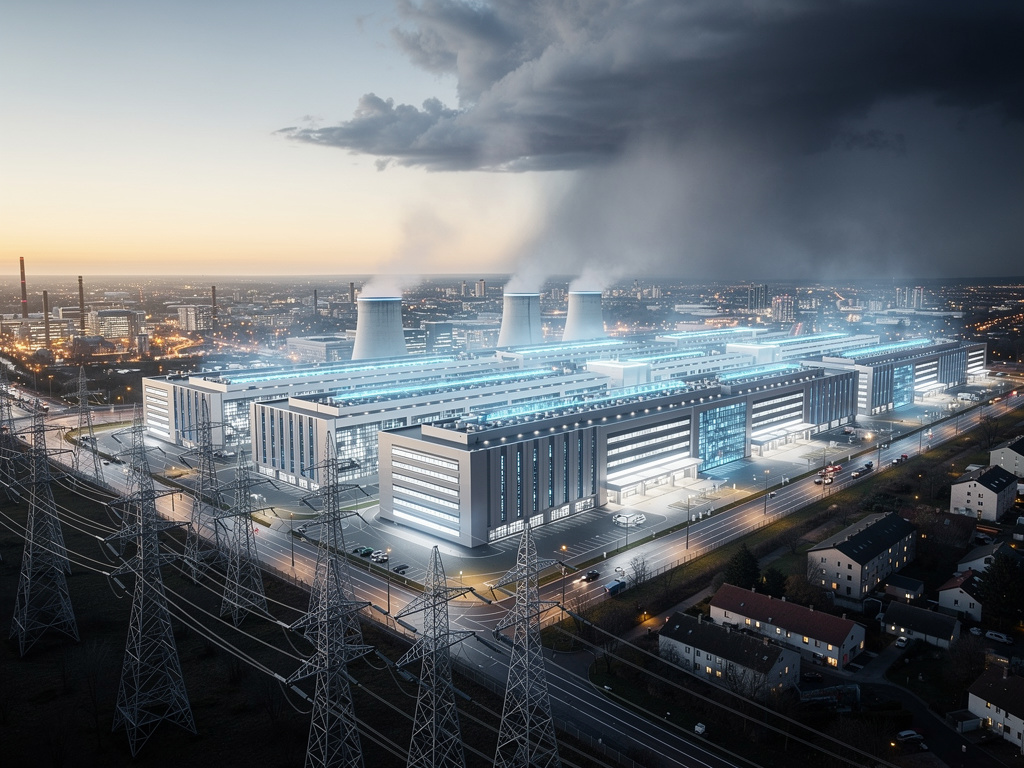
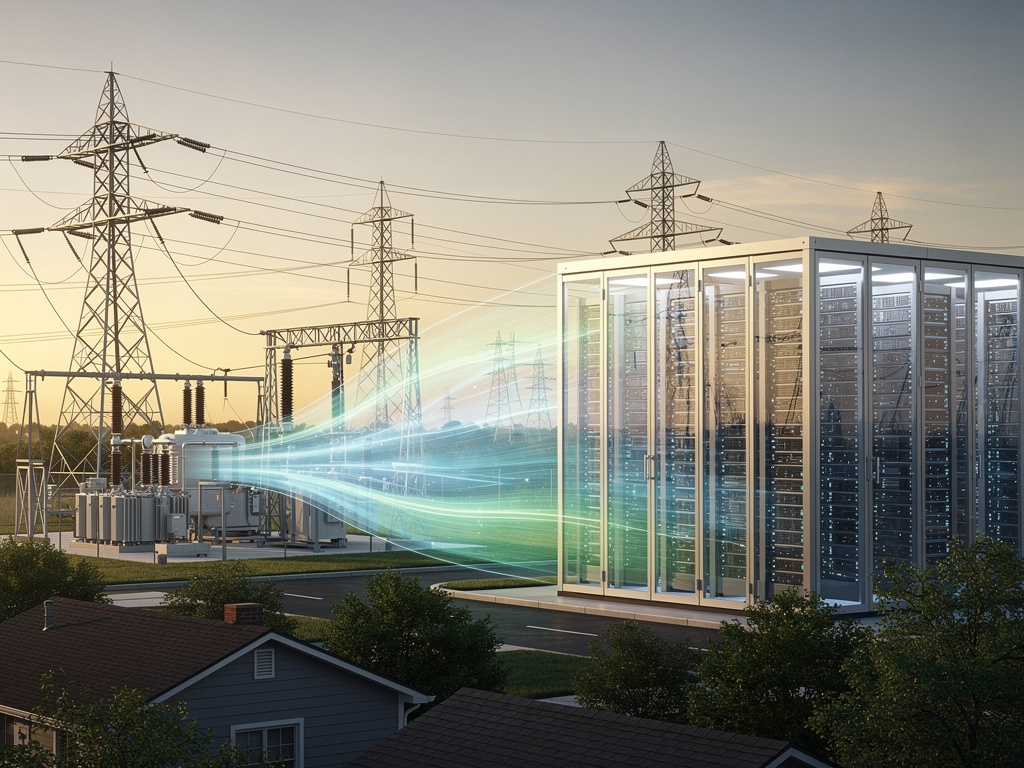
Anthropic announced a landmark commitment to absorb 100% of electricity grid upgrade costs associated with its $50 billion US data center expansion, with initial facilities planned for Texas and New York (announced November 2025, formalized February 2026). CEO Dario Amodei stated: "the costs of powering our models should fall on Anthropic, not everyday Americans." This pledge directly addresses escalating utility rate increases—electric and gas utilities requested $31 billion in rate increases from state regulators in 2024, more than double the $15 billion requested in 2023, with data center power demand cited as the primary driver. The company commits to four specific initiatives: covering 100% of grid interconnection costs (transmission lines, substations), procuring new power generation capacity, investing in curtailment systems to reduce peak demand usage, and deploying grid optimization tools.
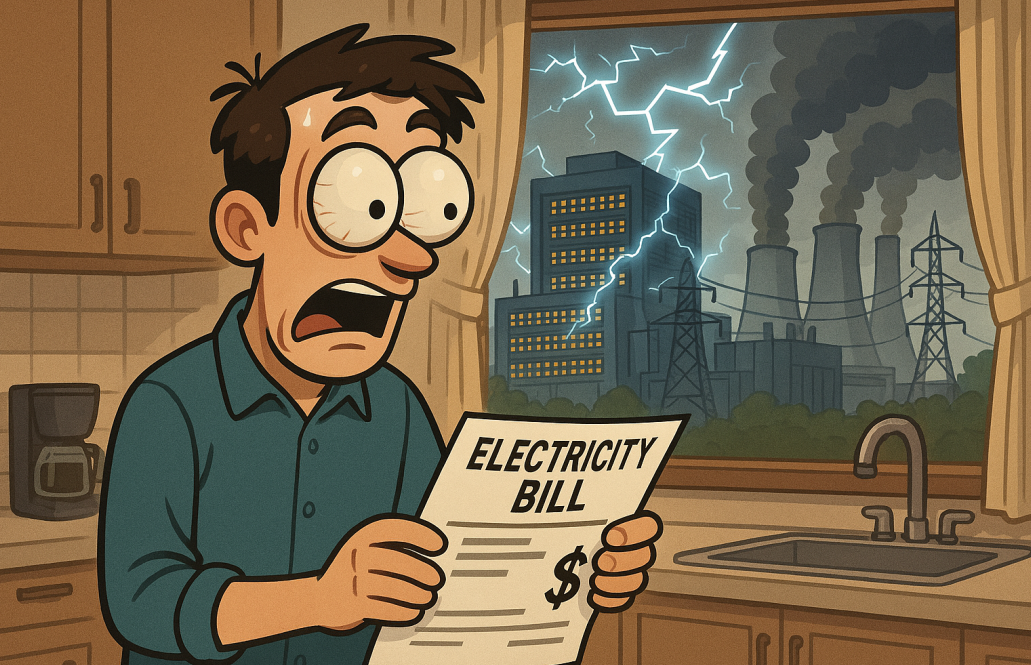
For cross-border e-commerce sellers, this development carries substantial operational implications. Rising electricity costs directly impact cloud infrastructure expenses that underpin modern e-commerce operations—payment processing systems, inventory management platforms, customer service chatbots, demand forecasting algorithms, and logistics optimization tools all depend on data center capacity. According to a 2024 Lawrence Berkeley National Laboratory report, data centers currently consume 4.4% of US electrical power, with projections surging to 12% by 2028. Carnegie Mellon and North Carolina State University researchers found this demand surge could increase electricity generation prices by roughly 25% in certain markets by 2030. Anthropic's commitment to absorb these costs provides critical price stability assurance for sellers relying on AI-powered e-commerce tools and cloud services. Without such commitments, sellers would face unpredictable cost increases in essential operational infrastructure—potentially adding $200-500 monthly to cloud service bills for mid-sized sellers managing 1,000+ SKUs.
Industry-wide precedent emerging from major technology firms. Microsoft introduced similar measures in January 2026, committing to pay utility rates sufficient to cover its data center electricity consumption. Meta announced a $600 billion US infrastructure investment with comparable cost-absorption pledges, while Apple committed $100 billion in additional infrastructure spending with similar frameworks. This convergence signals industry recognition that massive infrastructure buildout carries public cost implications and establishes emerging standards for corporate responsibility in AI infrastructure development. The Trump administration reportedly drafts a voluntary agreement committing major AI companies to offset household electricity price spikes, indicating regulatory pressure is driving these commitments. For sellers, this trend suggests cloud service pricing will remain more predictable than feared, supporting long-term business planning for AI-enhanced operations. However, sellers should monitor regional variations—New York state senators introduced legislation pausing new data center permits, and local opposition has caused numerous data center projects nationwide to face cancellation or delays, potentially creating regional service availability gaps.
Strategic implications for seller platform selection and cost forecasting. Anthropic's $30 billion Series G funding at $380 billion post-money valuation (with $14 billion run-rate revenue growing 10x annually) demonstrates the company's financial capacity to honor these commitments. Sellers prioritizing sustainable business practices and cost predictability may increasingly favor platforms and tools powered by companies making explicit infrastructure cost commitments. The commitment also signals that AI-powered seller tools—demand forecasting, inventory optimization, customer service automation—will not face sudden cost increases that compress margins. This stability enables sellers to confidently invest in AI-enhanced operations without hedging against infrastructure cost volatility. Conversely, sellers should remain alert to regional electricity rate variations; the commitment covers grid upgrade costs but acknowledges that "company-level action alone is insufficient," supporting federal policies for permitting reform and transmission development acceleration.
問題 8
What happens if Anthropic cannot generate sufficient new power capacity?
Anthropic commits to estimating and covering demand-driven price effects where new generation isn't immediately available. The company pledges to work with utility companies to offset consumer electricity costs when it cannot fully fund grid infrastructure upgrades. This means sellers are protected from price increases even if power generation capacity lags infrastructure expansion. However, the company acknowledges that company-level action alone is insufficient and supports federal policies including permitting reform and transmission development acceleration. Sellers in regions with local opposition to data center projects (New York state senators introduced legislation pausing new data center permits) may experience service availability variations, though cost protection remains in place.
Are other major tech companies making similar electricity cost commitments?
Yes—Microsoft, Meta, and Apple have announced comparable pledges. Microsoft committed in January 2026 to pay utility rates sufficient to cover its data center electricity consumption and reduce local impact. Meta announced a $600 billion US infrastructure investment with similar cost-absorption frameworks, while Apple committed $100 billion in additional infrastructure spending with equivalent pledges. This industry-wide convergence indicates that major technology firms recognize massive infrastructure buildout carries public cost implications. For sellers, this trend suggests cloud service pricing will remain more predictable across multiple platforms, reducing the risk of sudden cost increases from any single provider. The Trump administration reportedly drafts a voluntary agreement committing major AI companies to offset household electricity price spikes, indicating regulatory pressure is driving these commitments.