


Venezuela Amnesty Law Signals Market Reopening | Cross-Border Seller Opportunity in Latin America
- Political transition creates 430+ released individuals with purchasing power; US-Venezuela reconciliation opens payment processing and logistics corridors for sellers targeting 28M+ Venezuelan consumers

















概览
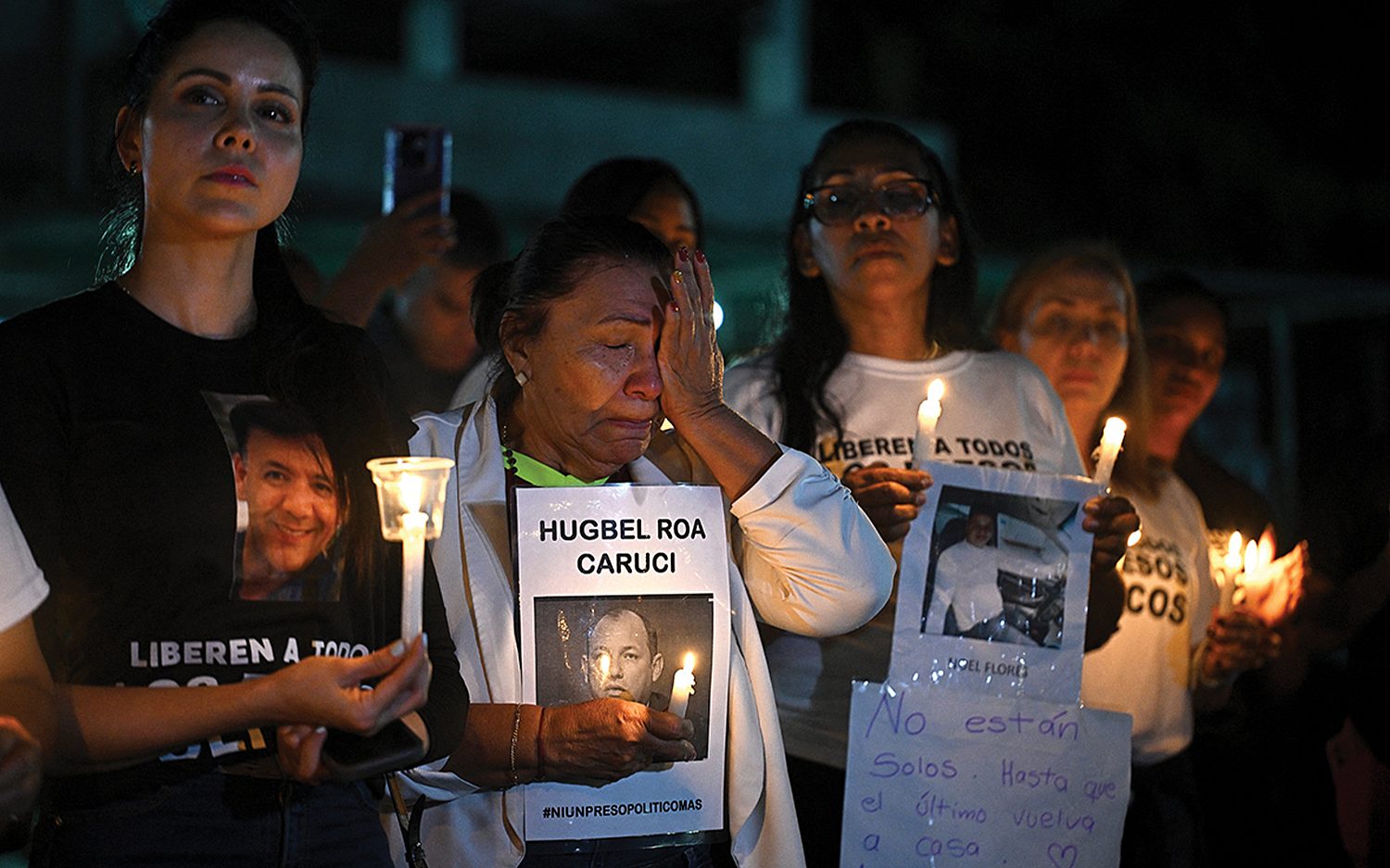
Venezuela's political amnesty law, announced February 11-12, 2026, represents a critical inflection point for cross-border e-commerce sellers targeting Latin American markets. The amnesty covers crimes from 1999-present and has already released 430+ political prisoners since January 8, 2026, with nearly 900 total releases over the past year. More significantly, the Rodriguez administration's pivot toward US reconciliation—demanding oil concessions in exchange for normalized relations—signals imminent reopening of payment processing channels, banking relationships, and logistics infrastructure that have been severely constrained under Maduro's regime.
For cross-border sellers, this geopolitical shift creates three immediate opportunities. First, the stabilization of Venezuela's political environment reduces operational risk for sellers considering market entry or expansion. The conversion of the Helicoide detention center into sports and social services facilities signals institutional reform and reduced political volatility—key risk factors that previously deterred foreign investment in Venezuelan e-commerce infrastructure. Second, the amnesty's scope (excluding only human rights violations, war crimes, murder, and major drug trafficking) indicates the government's commitment to rule-of-law restoration, which typically precedes payment processor re-entry and banking normalization. Third, released individuals and their families represent a newly accessible consumer segment with pent-up demand for imported goods, electronics, apparel, and consumer durables—categories that have been unavailable during Venezuela's economic isolation.
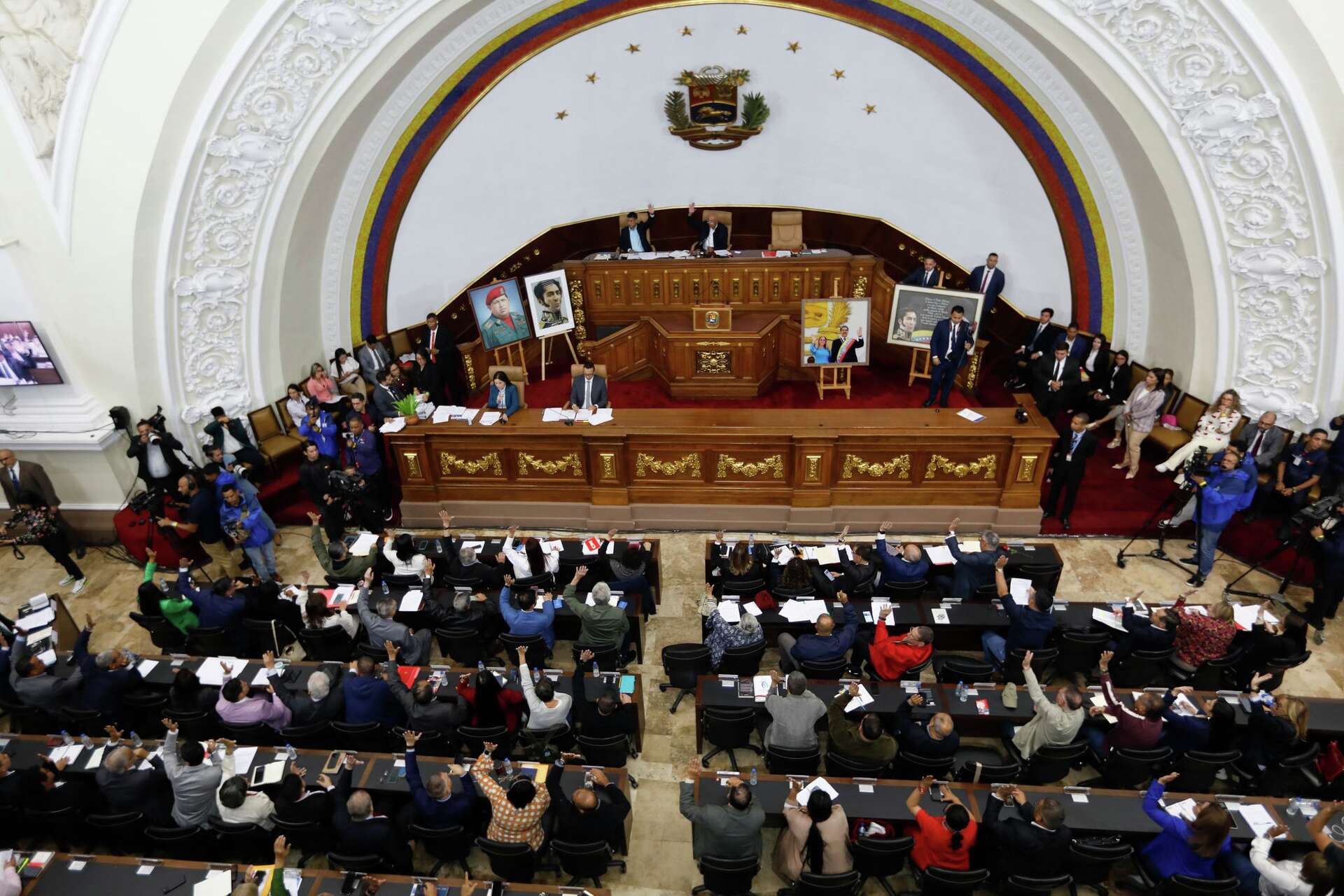
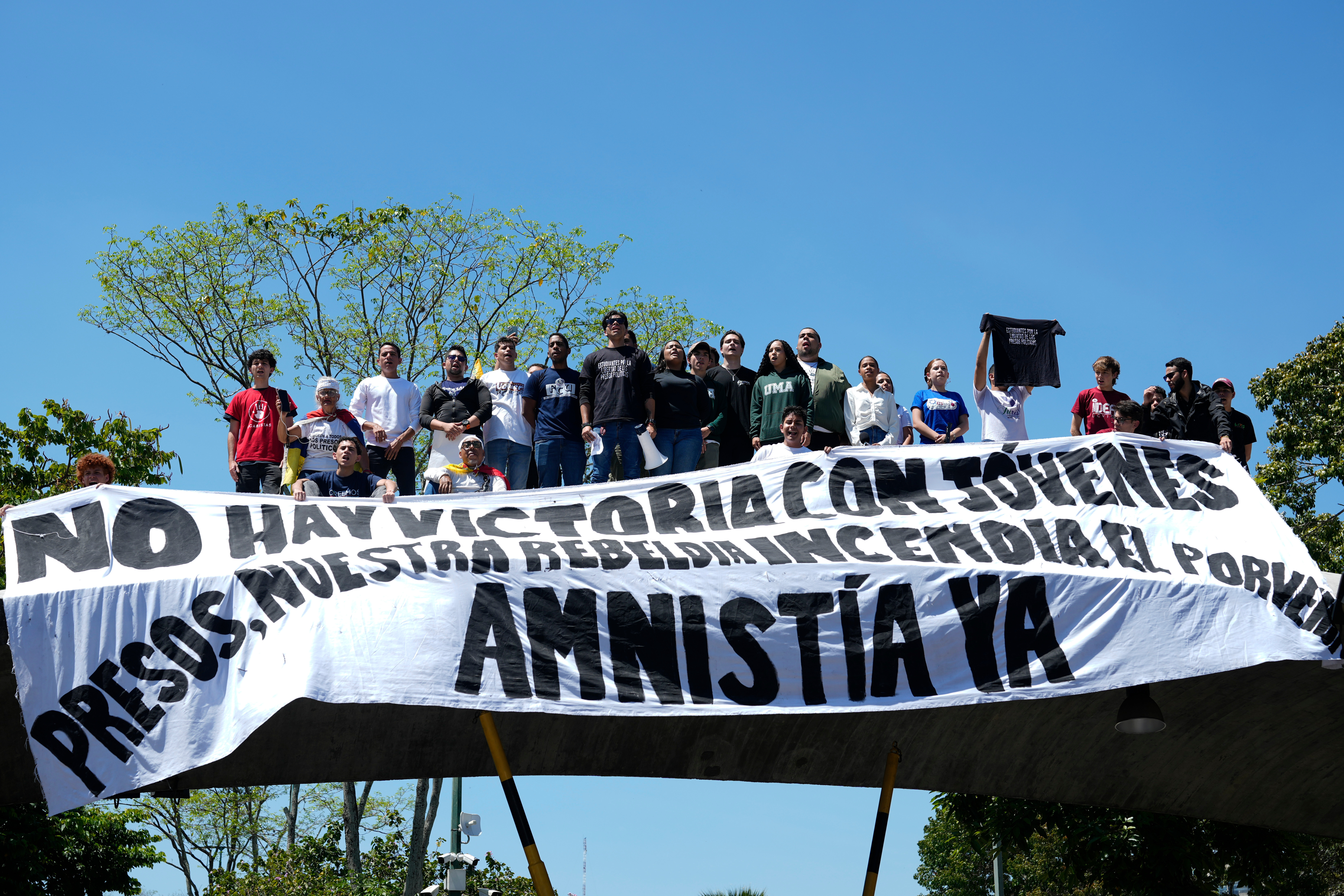
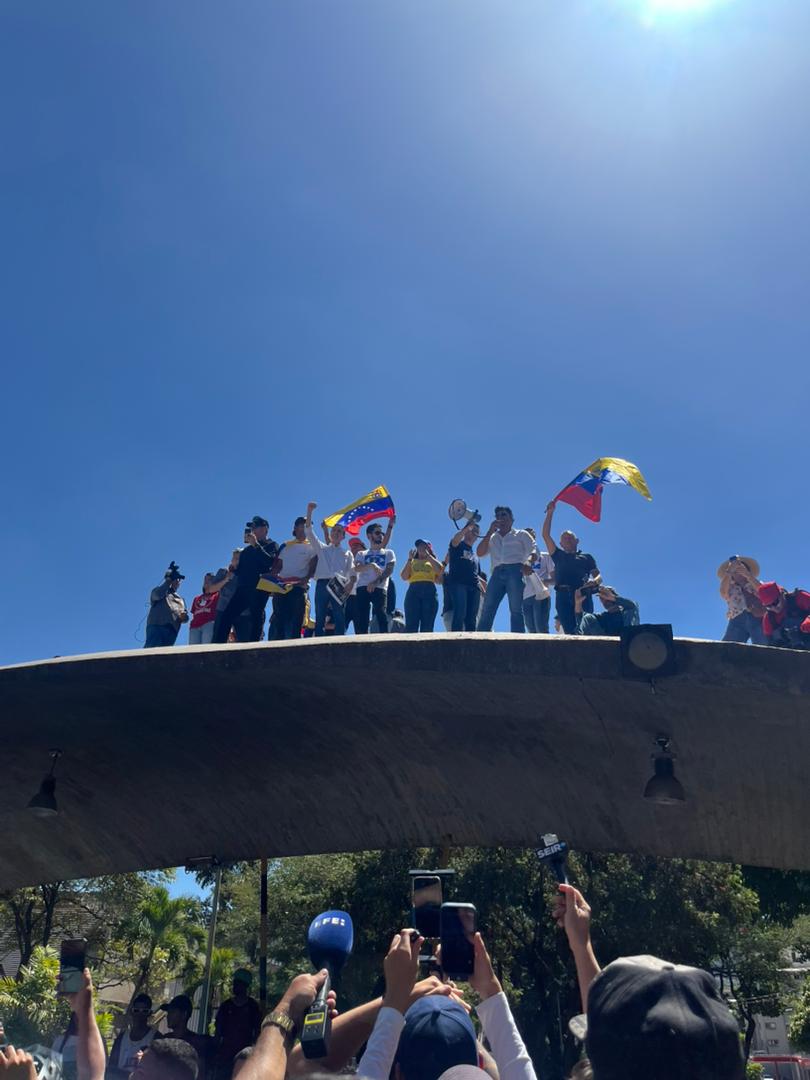
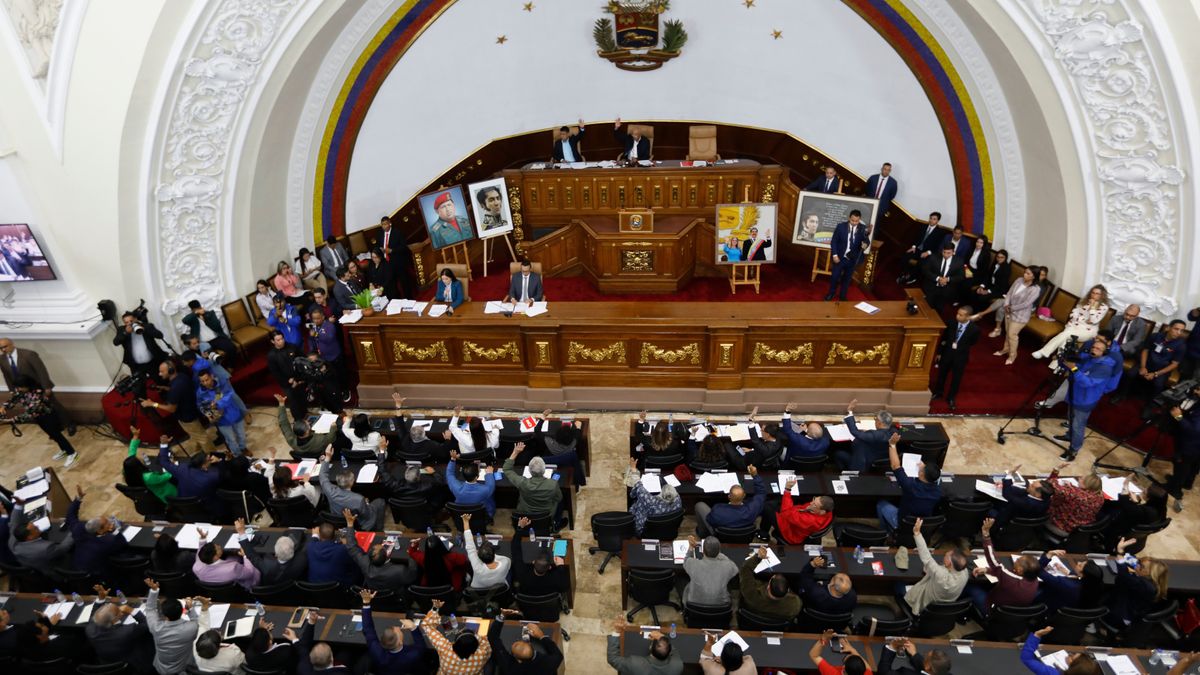
The operational implications are substantial for sellers with Latin American logistics networks. Venezuela's 28+ million population has been largely cut off from cross-border e-commerce due to payment processing restrictions, currency controls, and political sanctions. The Trump administration's willingness to negotiate normalized relations (contingent on oil sector concessions) suggests potential removal of OFAC sanctions that currently block payment processors like PayPal, Stripe, and major credit card networks from operating in Venezuela. Sellers currently serving Colombia, Brazil, and Mexico can expect Venezuelan market access within 6-12 months as banking relationships normalize. The 2,000+ protesters demanding prisoner releases (February 12, 2026) and the National Assembly's ongoing debate indicate sustained political momentum—the final amnesty vote is expected imminently, with implementation likely within Q1-Q2 2026.
Strategic positioning matters now. Sellers should monitor three key indicators: (1) announcement of US-Venezuela banking normalization talks, (2) payment processor statements regarding Venezuelan market re-entry, and (3) final amnesty law passage and implementation timeline. Early movers who establish logistics partnerships with Colombian and Brazilian 3PLs serving Venezuela can capture first-mover advantage in electronics, home goods, and consumer technology categories—sectors with historically high demand in Venezuelan diaspora communities and now-accessible domestic markets. The amnesty law's exclusion of asset restoration and Interpol red notice revocation suggests a measured approach to reconciliation, reducing risk of sudden policy reversals.
問題 8
What are the compliance risks for sellers entering Venezuela's market?
Primary compliance risk is OFAC sanctions violation—currently, most payment processors cannot legally operate in Venezuela. Sellers must wait for official sanctions removal before accepting Venezuelan customer payments. Secondary risks include currency controls (Venezuelan government may restrict dollar outflows) and political reversal (amnesty law's measured approach—excluding asset restoration and Interpol revocation—suggests measured reconciliation, reducing sudden policy reversal risk). Tertiary risk is logistics disruption if political instability resurfaces. Sellers should require legal review before accepting Venezuelan payments and maintain conservative inventory positions until payment processing fully normalizes.
Which product categories have highest demand potential in Venezuela's reopening market?
Electronics, home appliances, consumer technology, and apparel represent highest-demand categories in Venezuela due to years of import restrictions and currency controls. The 430+ released political prisoners and their families represent newly accessible consumer segment with pent-up demand. Venezuelan diaspora communities in US and Colombia also drive demand for imported goods. Sellers should prioritize categories with 30-50% margins and 2-4 week shipping tolerance, as logistics infrastructure will initially be constrained. Avoid perishables and time-sensitive goods until payment processing fully normalizes.