




Portland Recession Threatens West Coast Logistics Hub | Sellers Face Supply Chain Risks
- Regional job losses of 9,000 annually and 33,000 since pandemic; 67% office property value collapse impacts fulfillment center costs and workforce availability for cross-border sellers


概览
Portland's economy has entered a structural recession that directly threatens cross-border e-commerce operations across the Pacific Northwest, according to ECONorthwest analysis presented February 12, 2026. The Portland metropolitan area shed 9,000 jobs in 2025—the fourth worst performance among U.S. metro areas—with Multnomah County losing 33,000 positions since the pandemic. Economist Mike Wilkerson warns this represents broad-based economic deterioration affecting all sectors simultaneously, not isolated industry weakness. For e-commerce sellers, this creates immediate operational risks: Portland serves as a critical West Coast logistics and fulfillment hub, and the region's economic collapse directly impacts warehouse availability, labor costs, and consumer purchasing power.
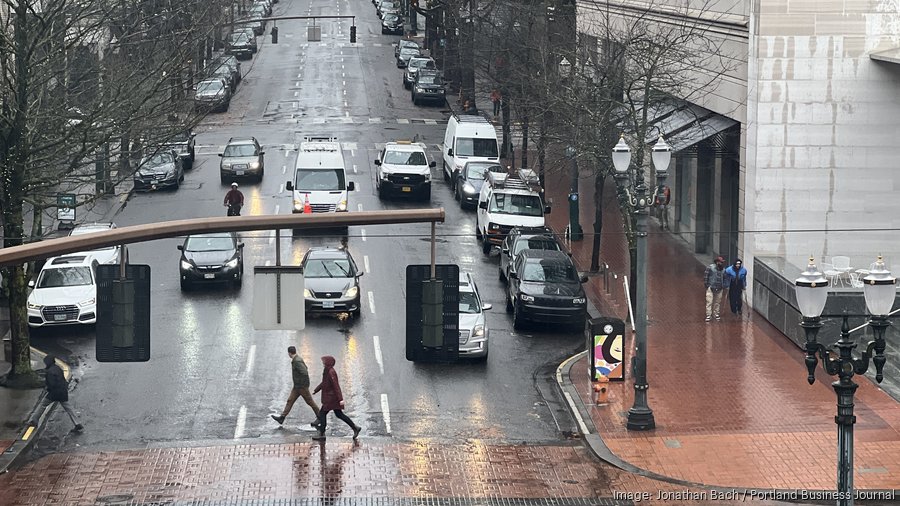
The structural nature of Portland's decline creates compounding challenges for sellers. Downtown foot traffic remains 32,000 trips daily below pre-pandemic levels, with recovery requiring another decade according to EcoNorthwest research. More critically, Portland's 20 largest office buildings have lost $2 billion in market value since 2019—a 67% decline from $3 billion to $986 million—reflecting reduced corporate occupancy and business activity. This commercial real estate collapse signals structural changes in how Portland functions economically. For sellers operating fulfillment centers in the region, declining property values may initially suggest lower lease costs, but the underlying cause—business flight and reduced economic activity—indicates shrinking local consumer markets and increased competition for remaining warehouse space. The region's housing construction pipeline has collapsed (only 656 multifamily units permitted in 2025, down 67% from 2023's 2,000 units), threatening workforce stability as employees struggle with affordability and relocate to more economically stable regions like Southwest Washington.
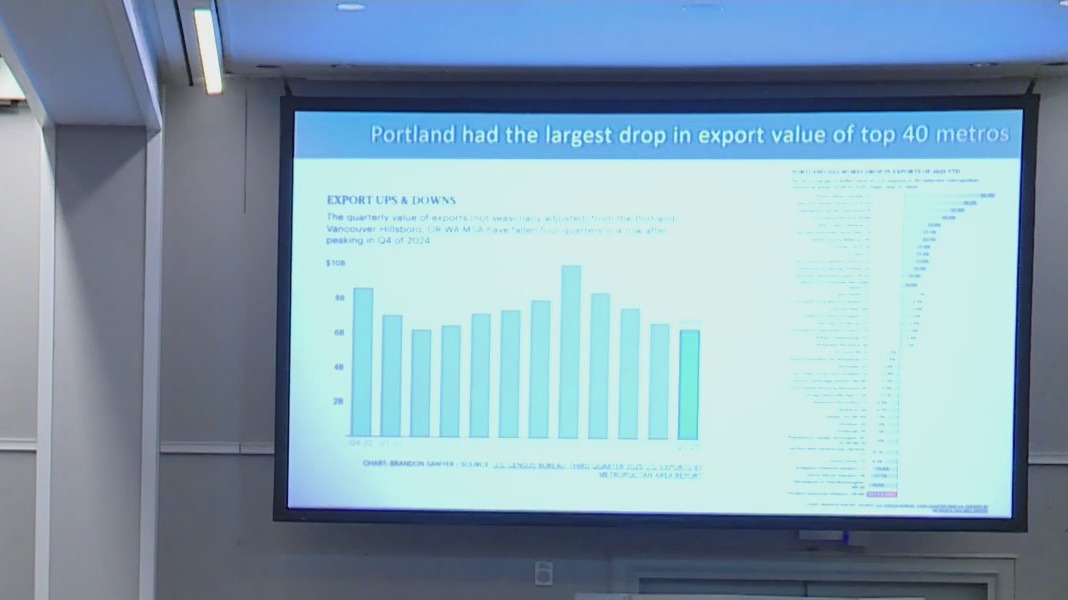
Sellers must evaluate supply chain diversification urgently. Job recovery is fragmenting geographically, concentrating in Southwest Washington rather than Portland proper, which disrupts the integrated logistics ecosystem sellers depend on. Additionally, declining competitiveness in traded-sector industries signals reduced export capacity from Oregon, affecting sellers who use Portland as a distribution point for international shipments. The region's high personal income tax rates and global trade tension impacts compound these challenges. While Oregon state economists present a contrasting view—suggesting statewide economic output grew last summer and unemployment may have stabilized—the divergence reflects genuine uncertainty about Portland's trajectory. Sellers with significant Portland-area operations should model scenarios for 3PL provider transitions, evaluate alternative West Coast hubs (Seattle, Los Angeles, San Francisco), and assess whether current fulfillment center leases align with declining regional demand. The extended recovery timeline (potentially 10 years to restore pre-pandemic foot traffic) suggests this is not a cyclical downturn but a structural shift requiring strategic repositioning.
問題 8
What timeline should sellers expect for Portland's economic recovery?
EcoNorthwest projects Portland's downtown may require another decade to restore pre-pandemic foot traffic levels—a critical metric for regional economic vitality. Economist Mike Wilkerson emphasized this is structural decline, not cyclical slowdown, requiring fundamental economic restructuring. However, Oregon state economists present a contrasting view, suggesting statewide economic output grew last summer and unemployment may have stabilized. This divergence reflects genuine uncertainty about Portland's trajectory. For sellers, the conservative approach is to assume 5-10 year recovery timeline and plan supply chain strategies accordingly. The region's high personal income tax rates and global trade tension impacts compound recovery challenges, suggesting structural headwinds will persist.
Should sellers relocate fulfillment operations from Portland to other West Coast hubs?
Relocation decisions depend on your current fulfillment model and target markets. If you primarily serve Pacific Northwest customers, Portland's recession reduces demand justification for regional warehousing. However, if Portland serves as a distribution point for national or international shipments, the decision is more complex. ECONorthwest warns that without significant policy changes, Portland's decline will continue for years. Consider modeling costs for alternative hubs: Seattle (stronger tech economy), Los Angeles (largest West Coast port), or San Francisco (robust consumer market). The region's housing construction collapse (only 656 units permitted in 2025 vs. 2,000 in 2023) suggests workforce recruitment will become increasingly difficult, potentially raising labor costs despite property value declines.